Icefields Parkway
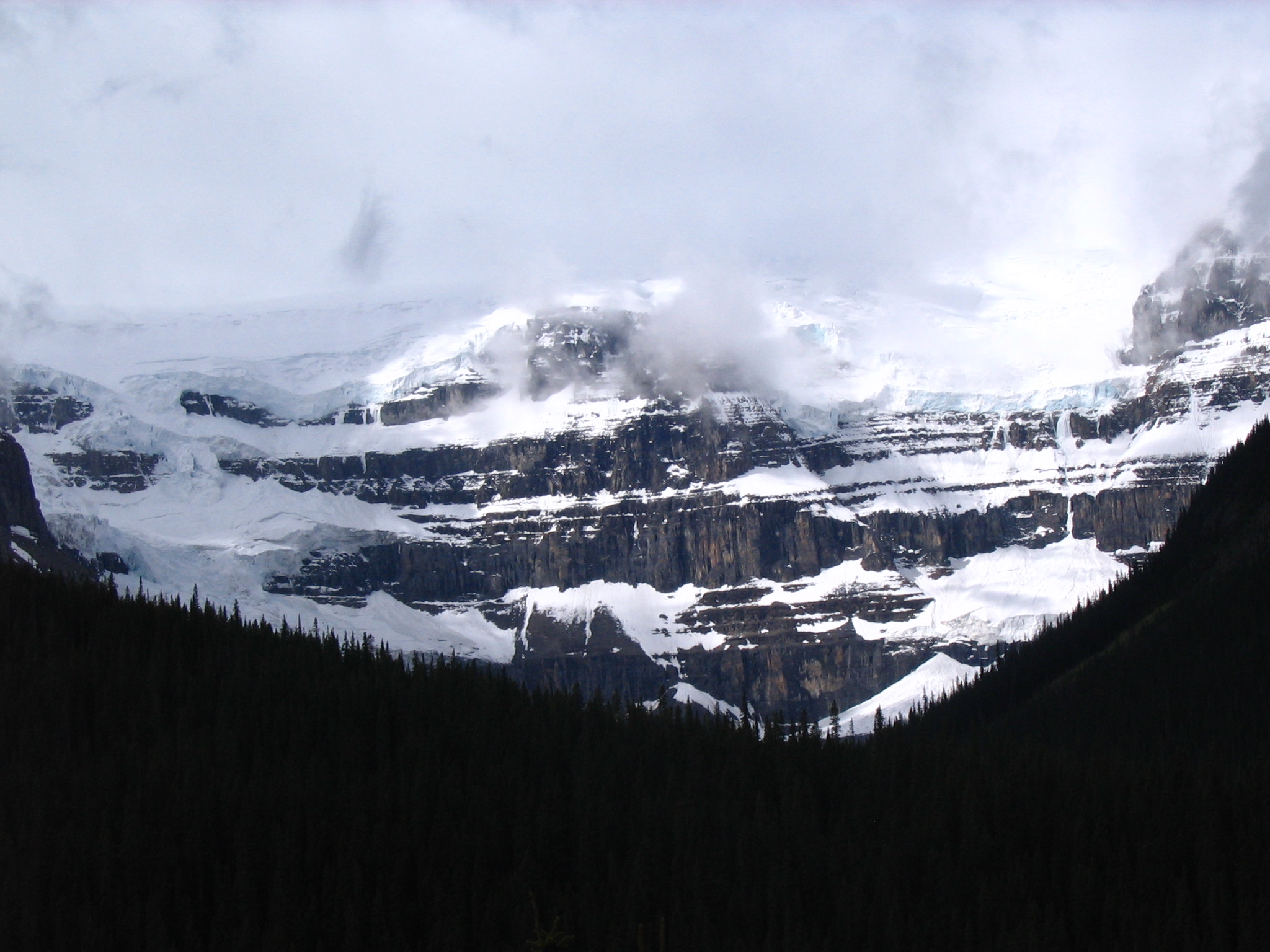
Heading down the parkway you get this fantastic view of the Canadian Rockies.
Icefields Parkway Bear Jam
We travelled from Jasper to Banff by road including the famous Icefields parkway which is rated as one of the most beautiful journeys on the planet.
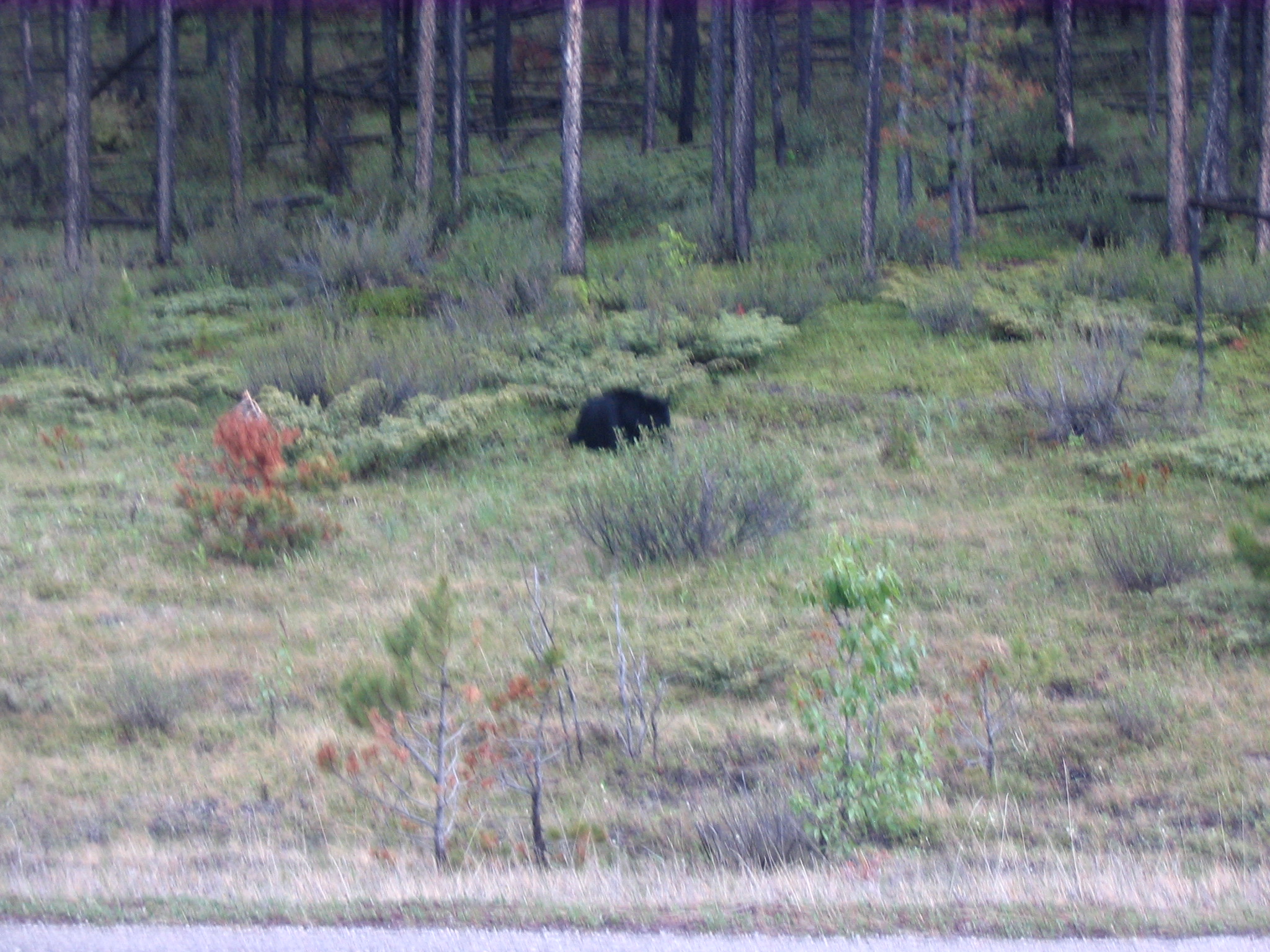
On the way down we had a bear jam, the Canadian equivalent of rubber neckers. You travel along a road not seeing another car and then all of a sudden there is a bear on the side of the road.
The picture is not that good as it was taken inside our mini bus, going outside isn’t recommended as bears can run faster than humans.
Athabasca Waterfalls
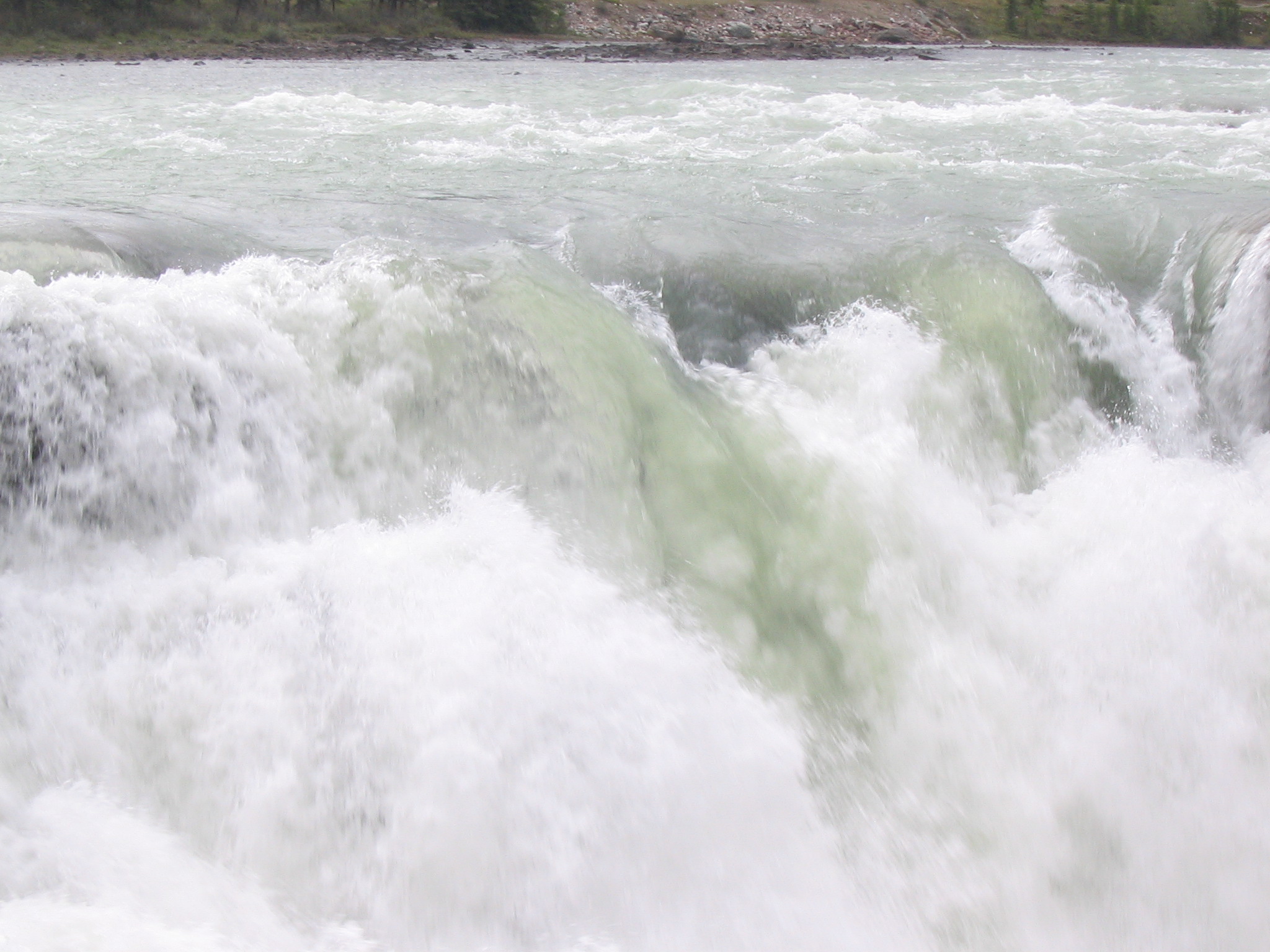
The Athabasca Falls are among the most breath-taking and powerful falls in the Canadian Rockies. The falls are impressive for the volume and force of water, less for its height.

A close up where you can feel the power of the water.
Athabasca Glacier
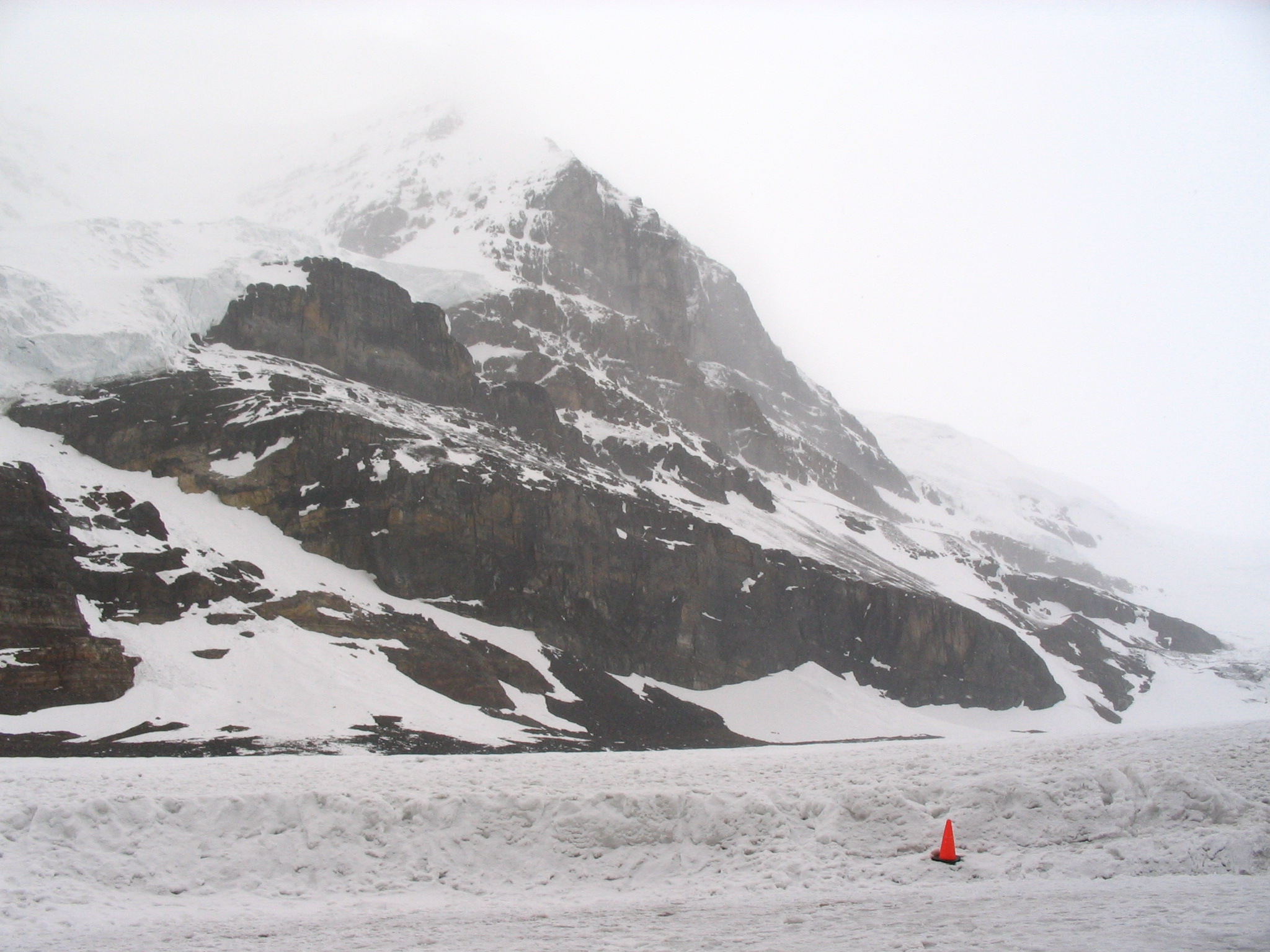
During the drive we stopped off at the Athabasca Glacier.
The Athabasca Glacier is one of the six principal ‘toes’ of the Columbia Ice field, located in the Canadian Rockies. The glacier currently loses depth at a rate of about 5 metres per year and has receded more than 1.5 km and lost over half of its volume in the past 125 years.
The snow vehicle below is only one of six in the world, this was used to take us on the glacier.
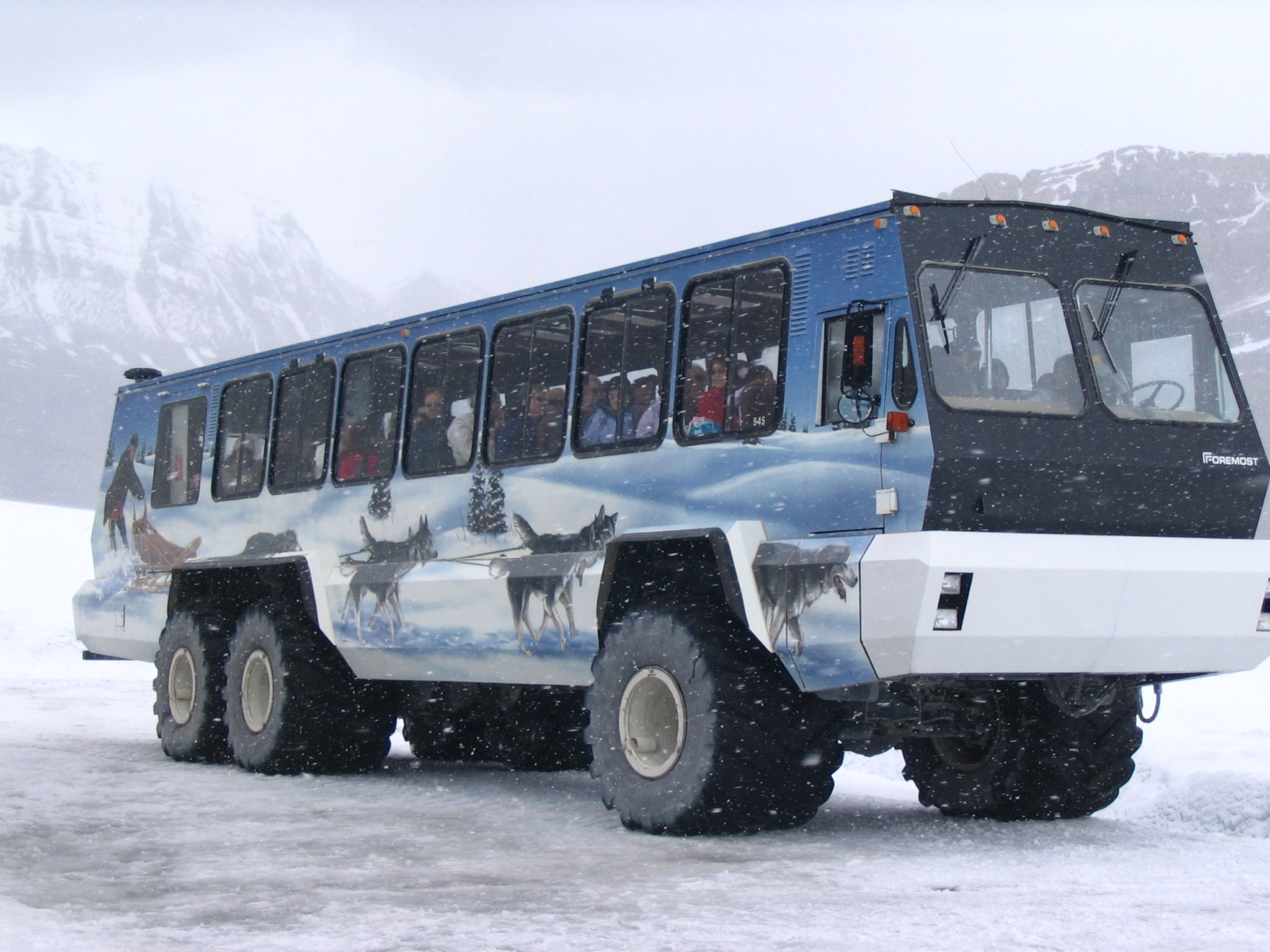
It was amazing being on a glacier in the middle of the summer.
Peyto Lake
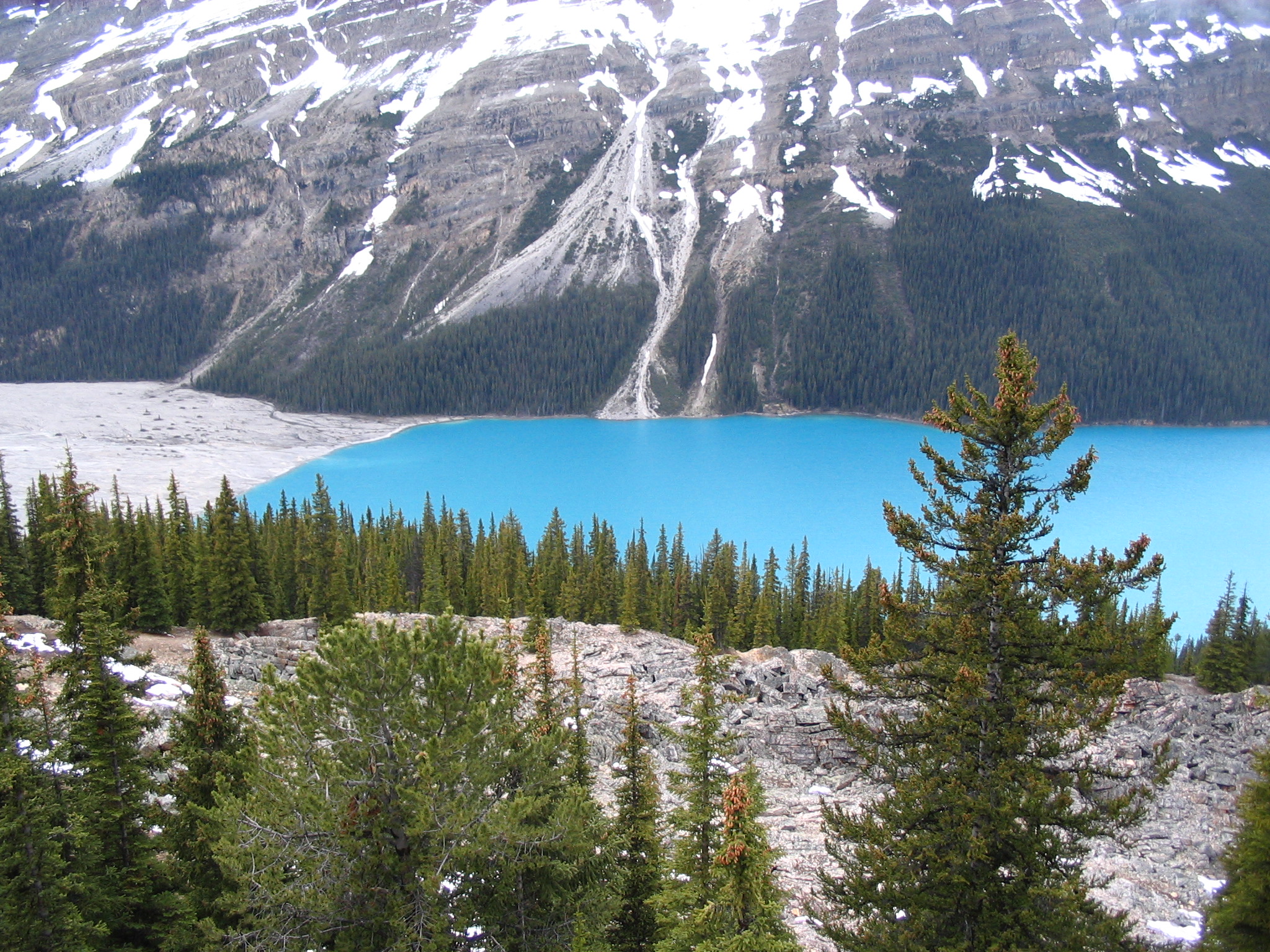
The next stop on the journey was Peyto Lake which was name an early trail guide and trapper called Bill Peyto.
This is a glacially fed lake just off the parkway and is 1,860 metres, approximately 6,100 feet, above sea level.
During the summer there is significant amounts of what is called “glacial rock flour” which flows into the lake from a nearby glacier, and these suspended rock particles are what give the lake a unique bright, turquoise colour It is one of the most photographed lakes in the Rockies.
Banff
Where is Banff, well it’s not the one in Scotland as this is a webpage about Canada. It’s in the Canadian Rockies in Alberta and is 1400 metres (4600 feet) above sea level. The means that the weather is very variable, even worse than the UK.
Where to Stay in Banff
The most expensive hotel in Banff is the Fairmont Banff Springs, it’s so large that they give you a map to navigate the place. It’s like a resort in itself with spa’s, bowling alley and a 27 hole golf course. The upside is that it is extremely luxurious but the downside is it’s too far to walk into town taking in to account the wildlife that’s around.
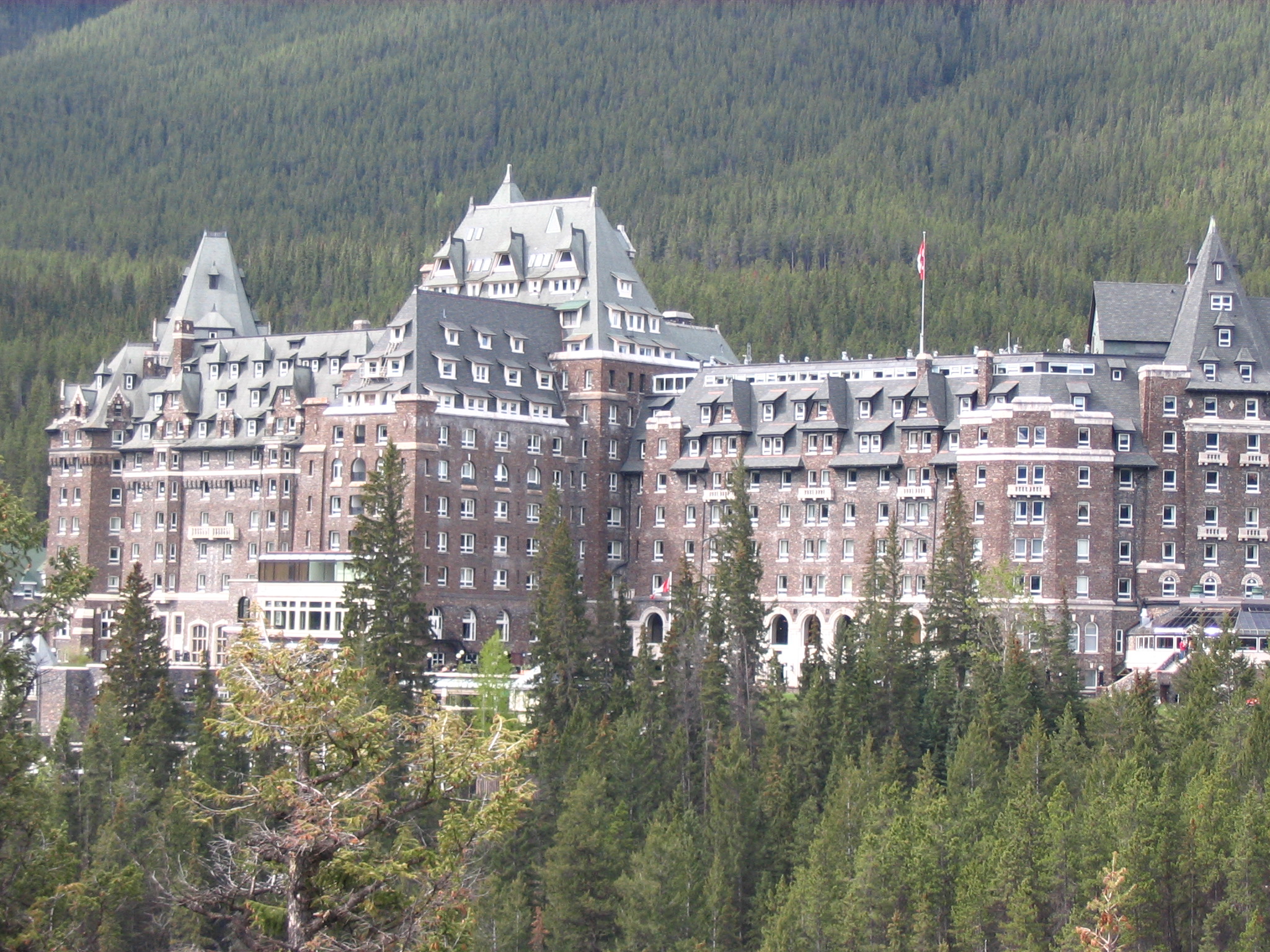
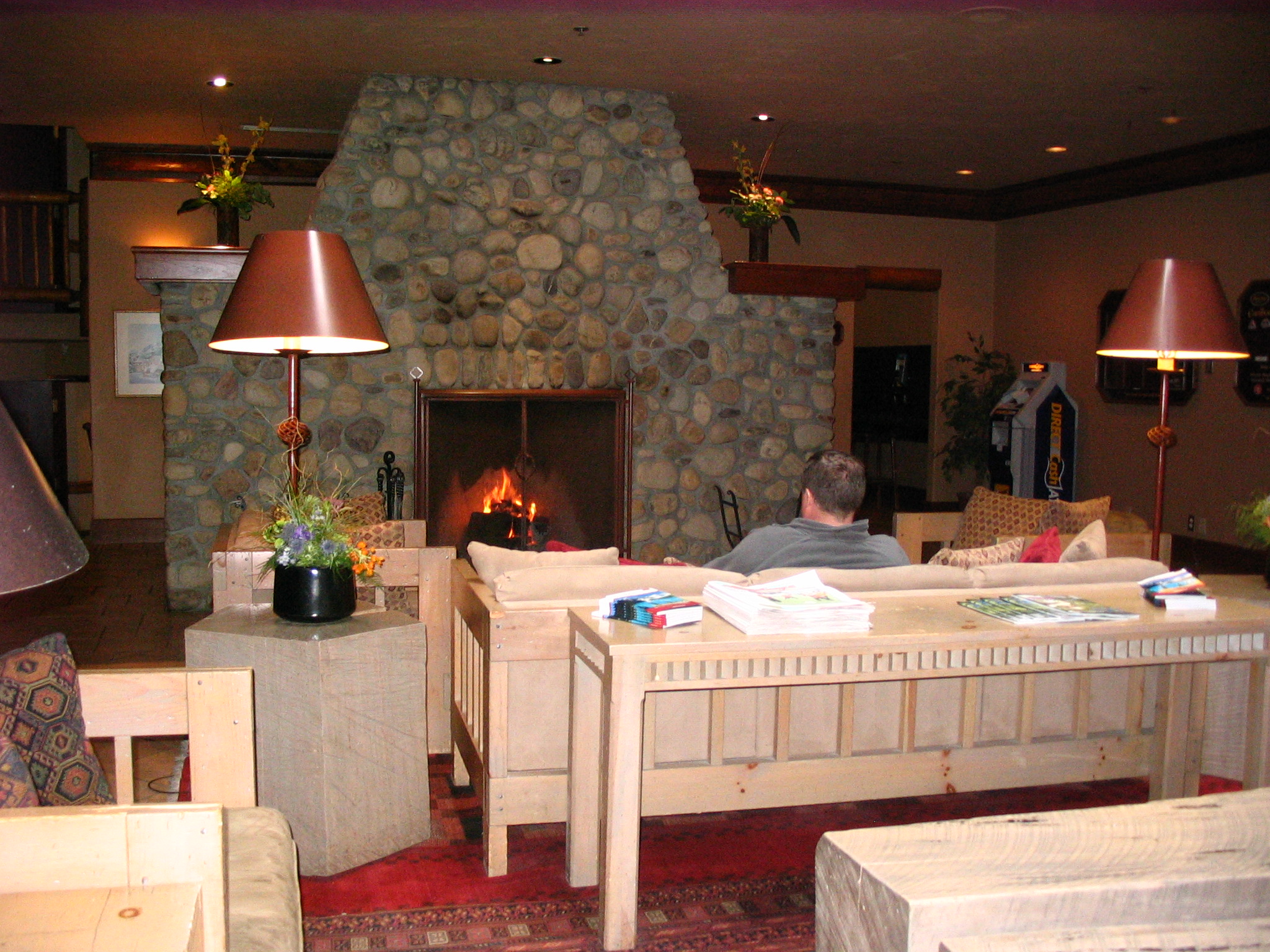
Instead of the 5* version we did the 4* version and stayed at the Caribou lodge.
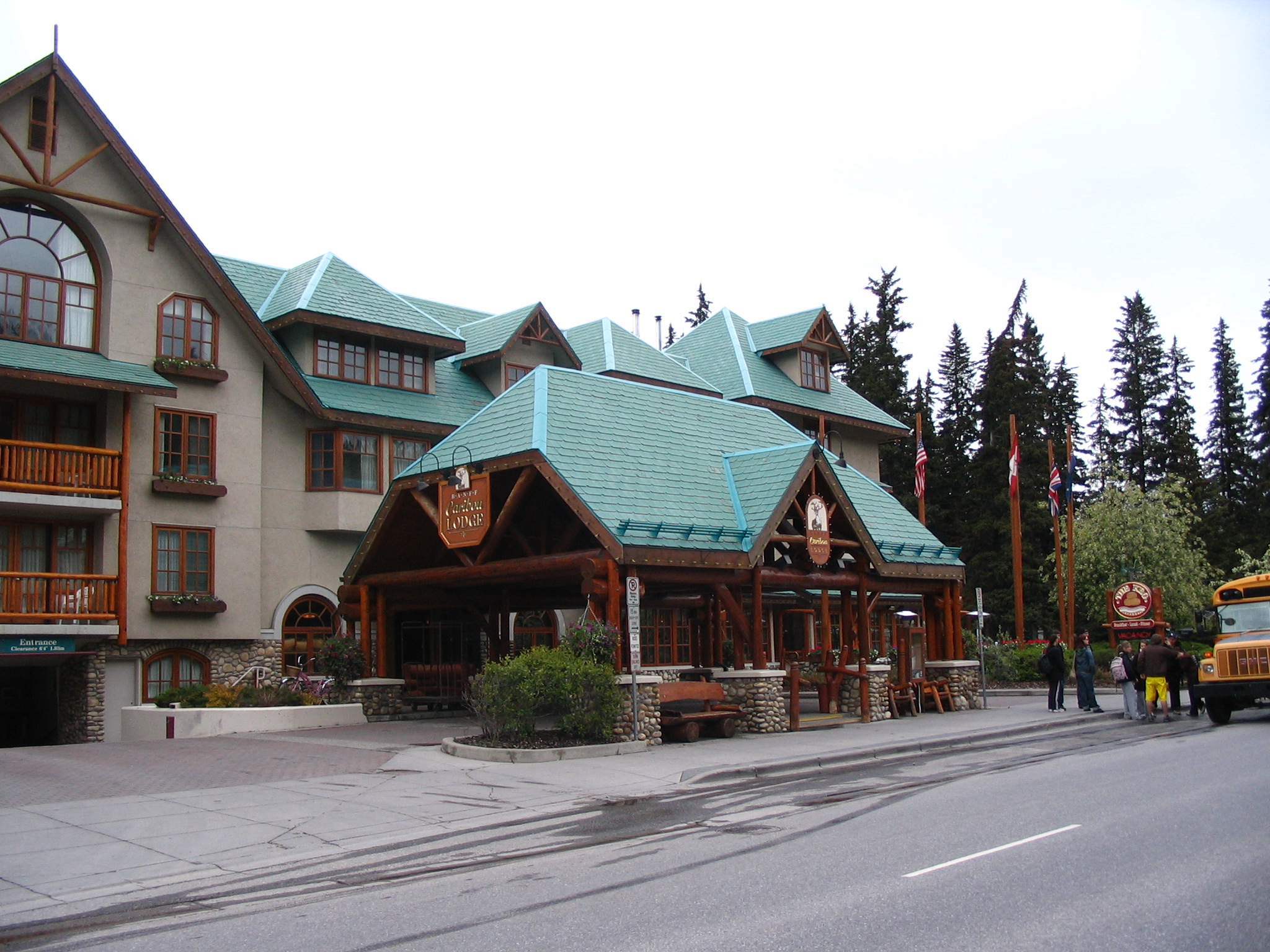
Not a bad place to rest at the end of the day with a cold beer.
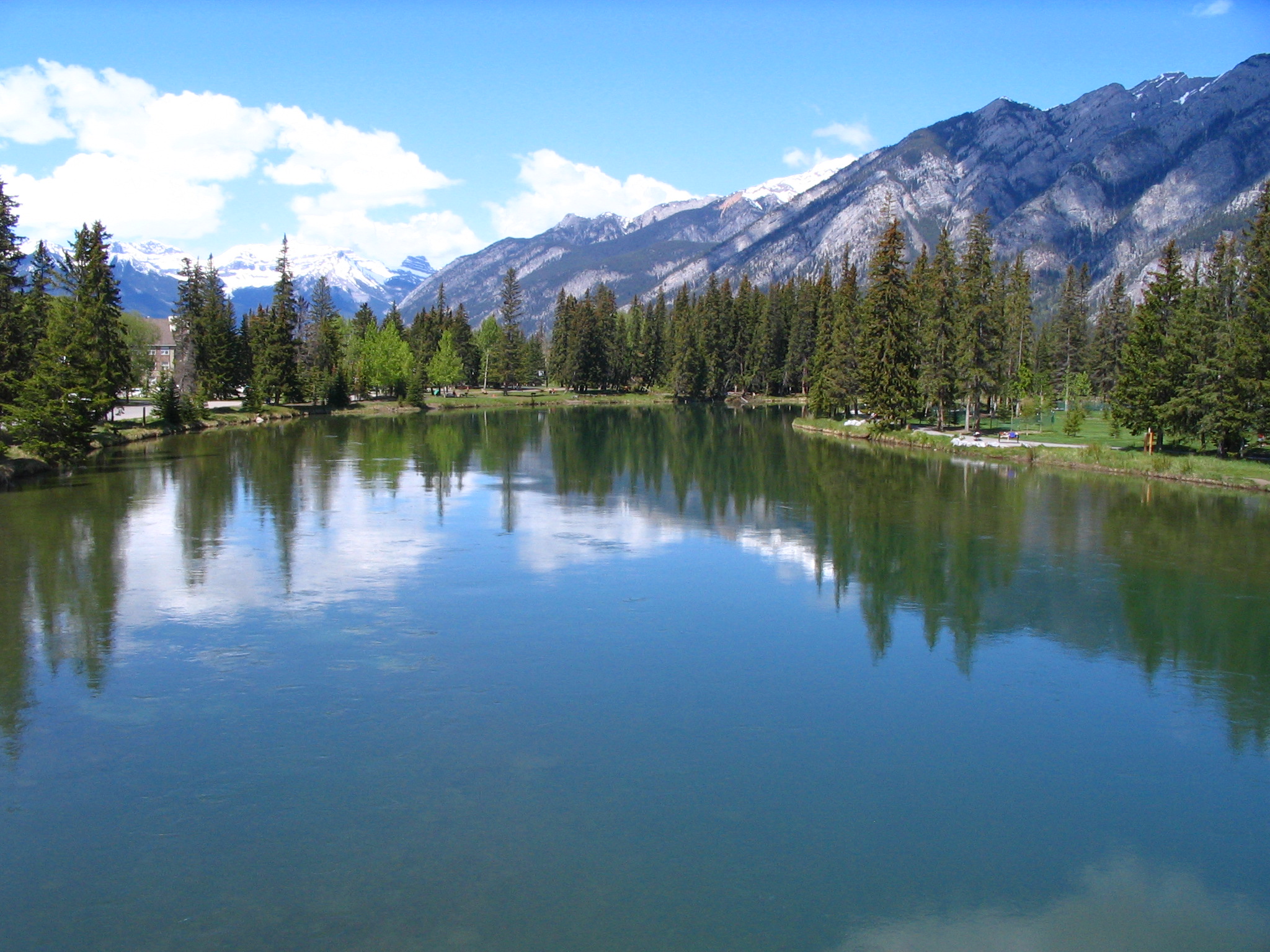
Not a bad view as you walk along the high street looking towards the Rockies.

The weather, with being so high above sea level, is typical alpine. One day it’s wet and cold and the next day you get this.
Cascade Gardens
The gardens have landscaped paths & sitting areas with diverse trees & flowers.

Offices in the park, wouldn’t mind having to relocate to here.

Wherever you go in Banff there is always the Canadian Rockies in the background.

Sulphur Mountain
Strange name for a mountain but it comes from the name of two Sulphurous hot springs further down the mountain on it’s lower slopes.
The summit is at 2,281 metres (7,486 feet) and you can hike to the top or take the scenic gondola ride – which takes 8 minutes and climbs 292 metres (698 feet). Guess which we choose.

A short climb from the gondola station is the Cosmic Ray Station and the old Weather Station.
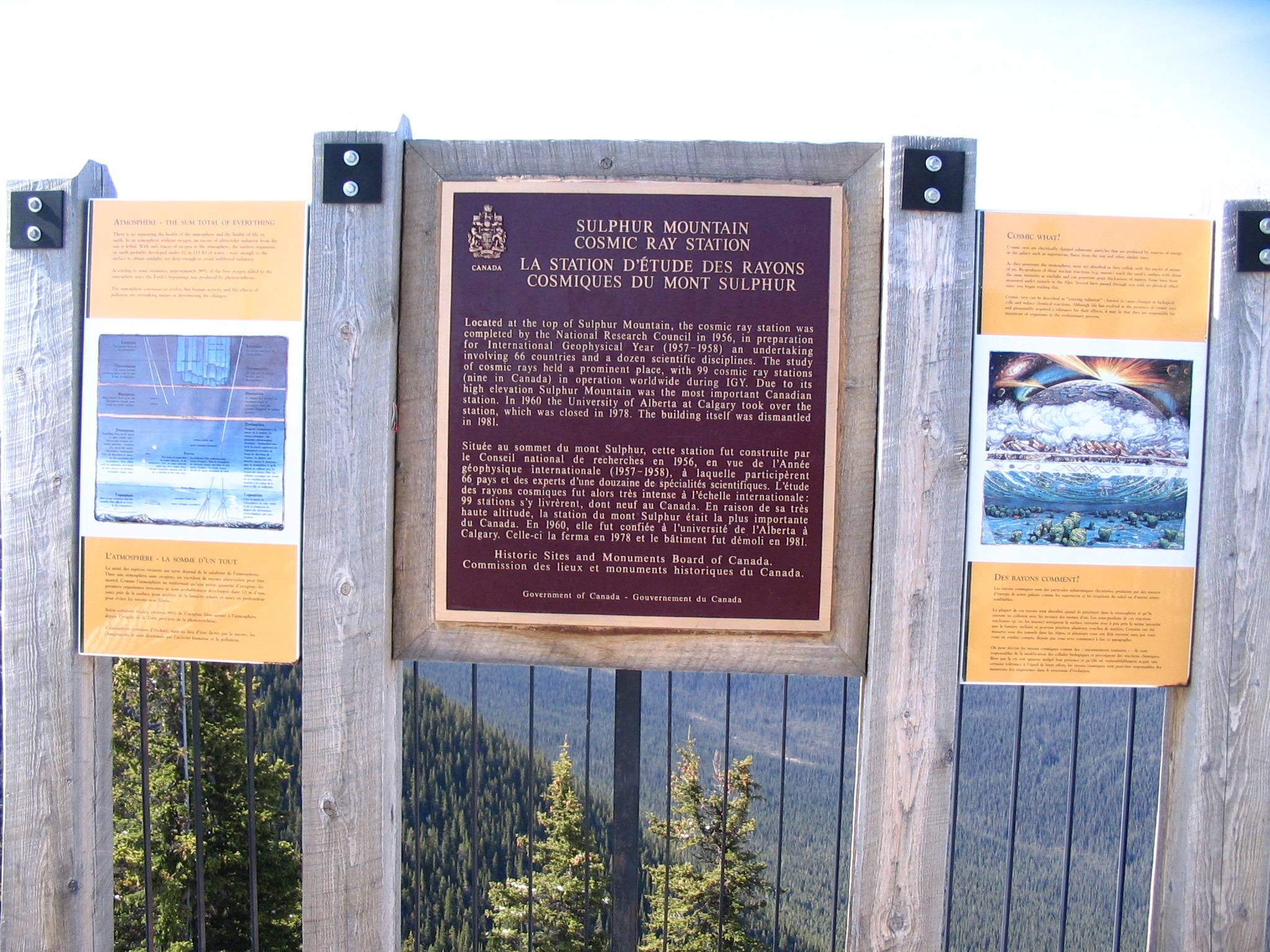
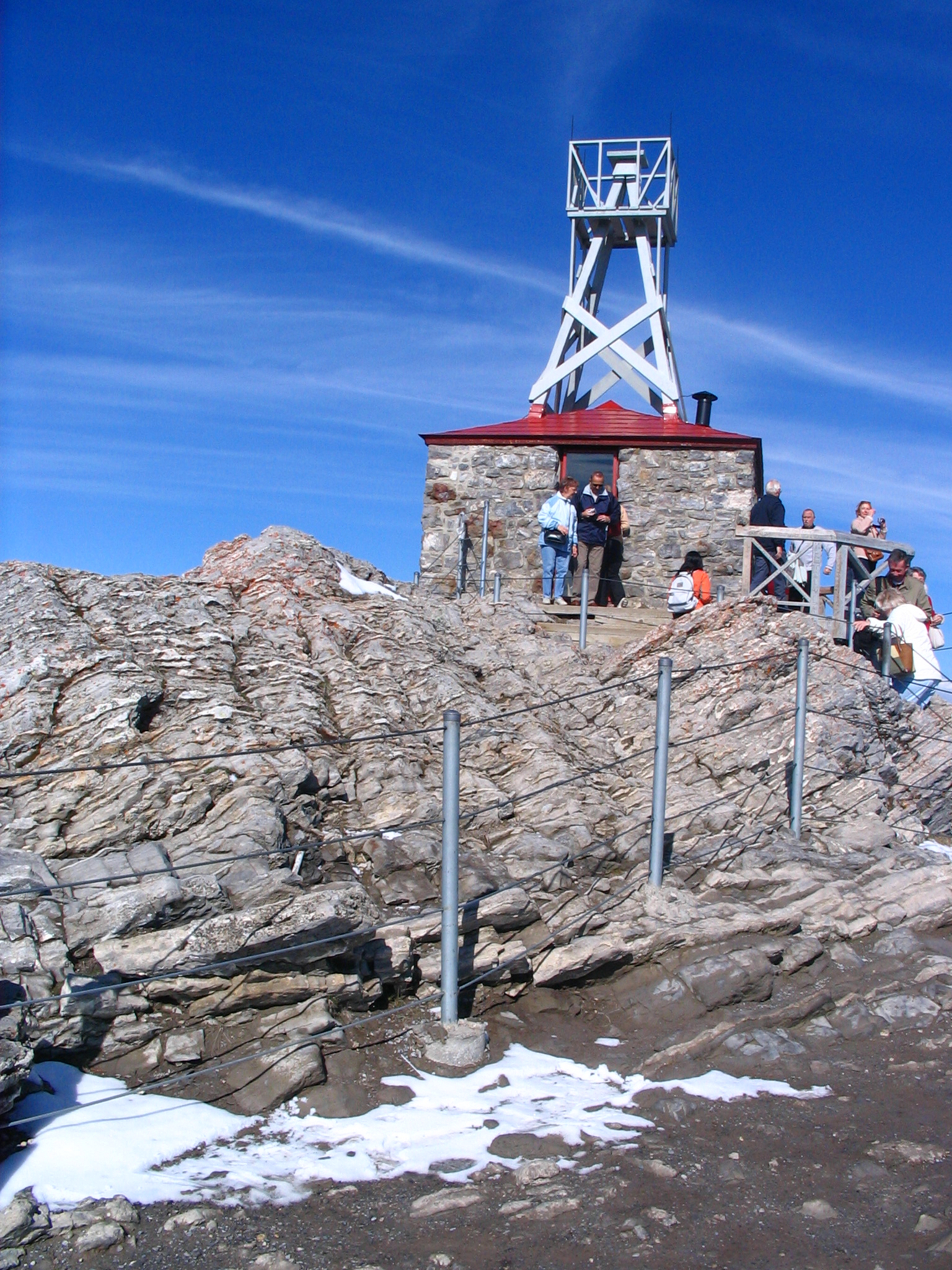
You get a glimpse of some local history when you look inside the old weather station.

View from the top where you can see the Banff and some of the six mountain ranges that can be seen from the top.

The views were absolutely stunning from the top.
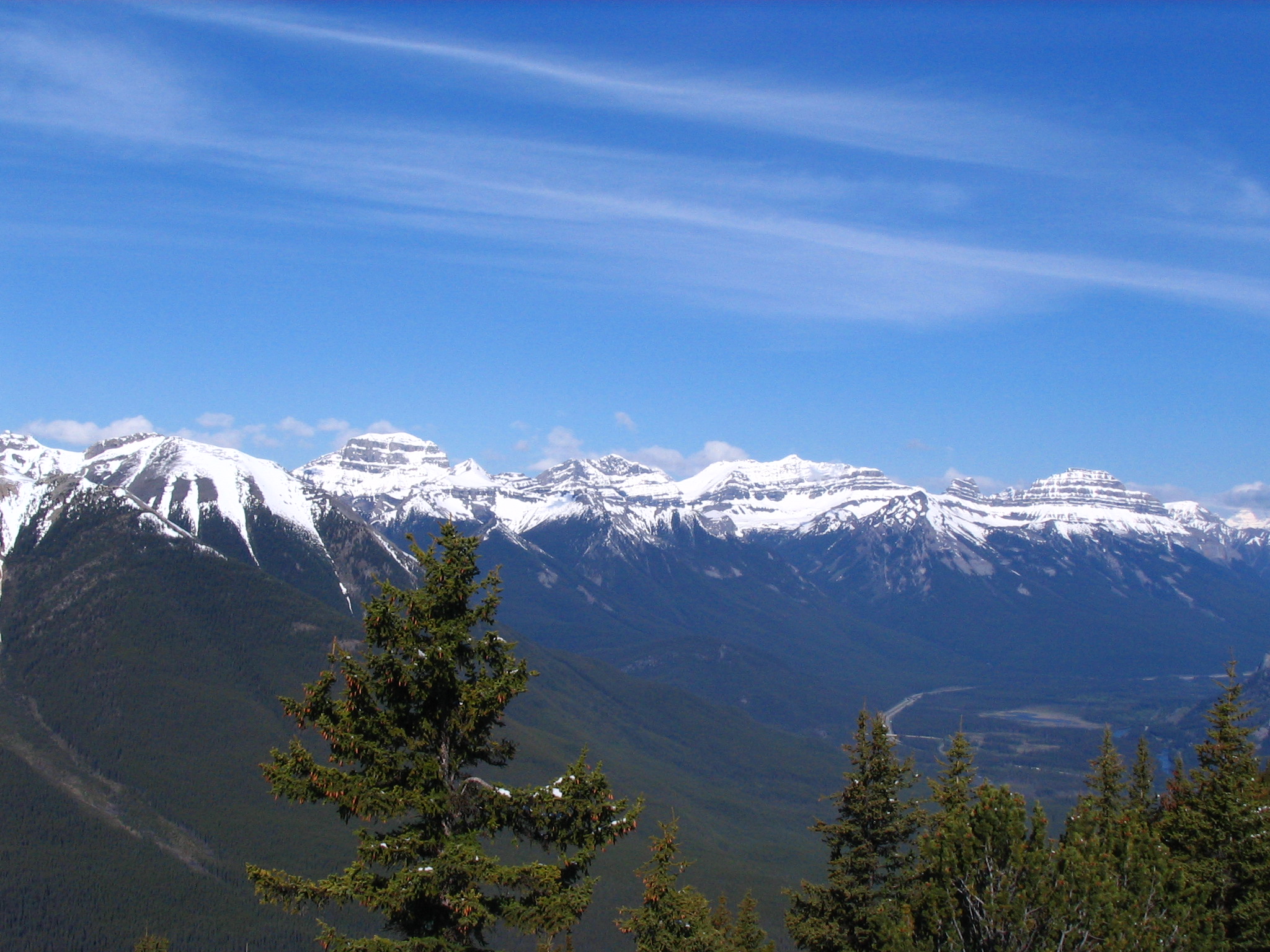
Hoodoo Rock Formations
The Hoodoos are composed sedimentary rock covered by harder rock that is harder to erode. Once softer sediment erodes rock needle, or tower like natural obstacles are left
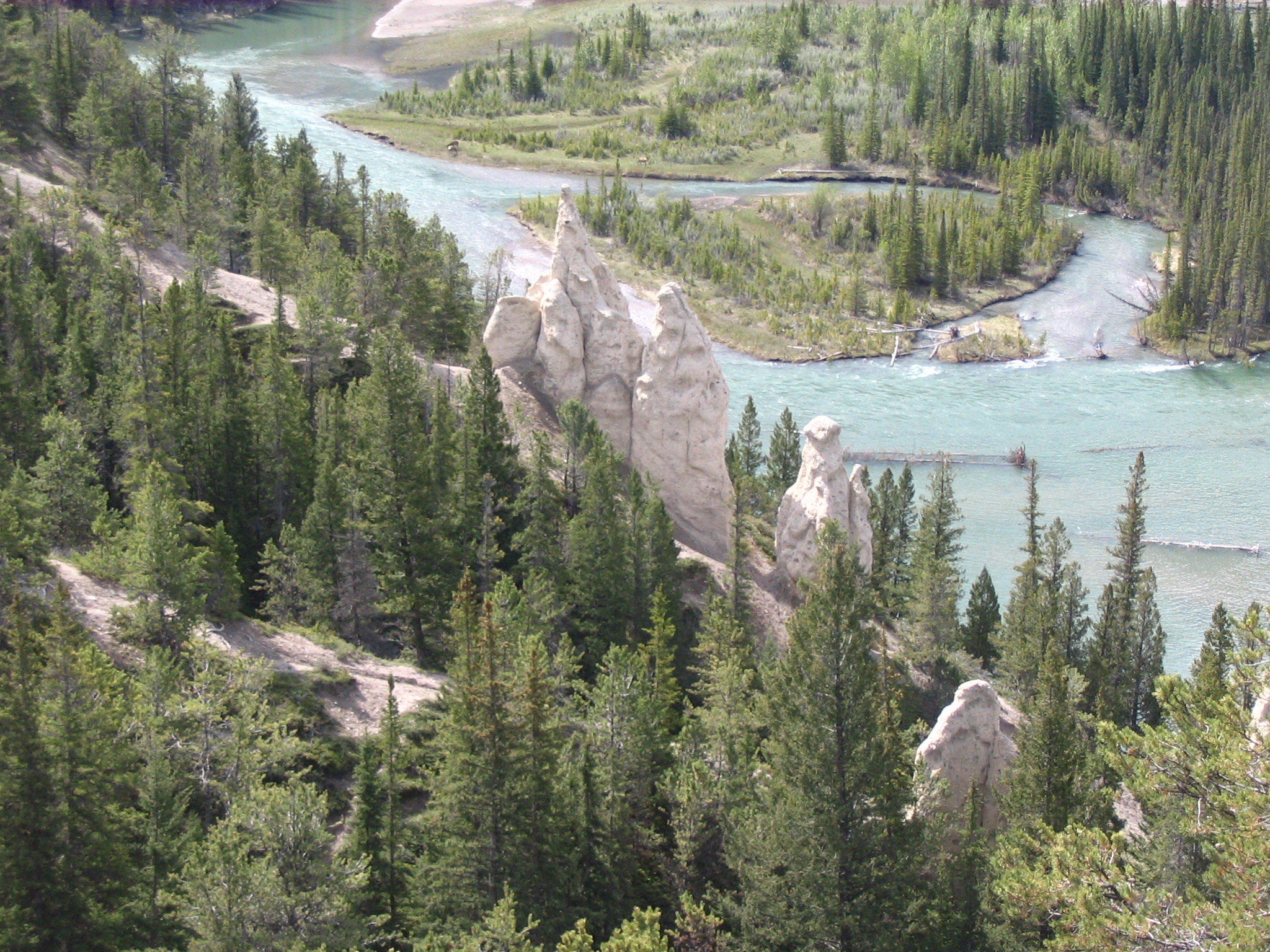
Buffalo Museum
This museum has exhibits which recreate the time when native people followed the great buffalo herds. This meant moving their camp seasonally.
This is really worth a visit, the exhibits are superb.
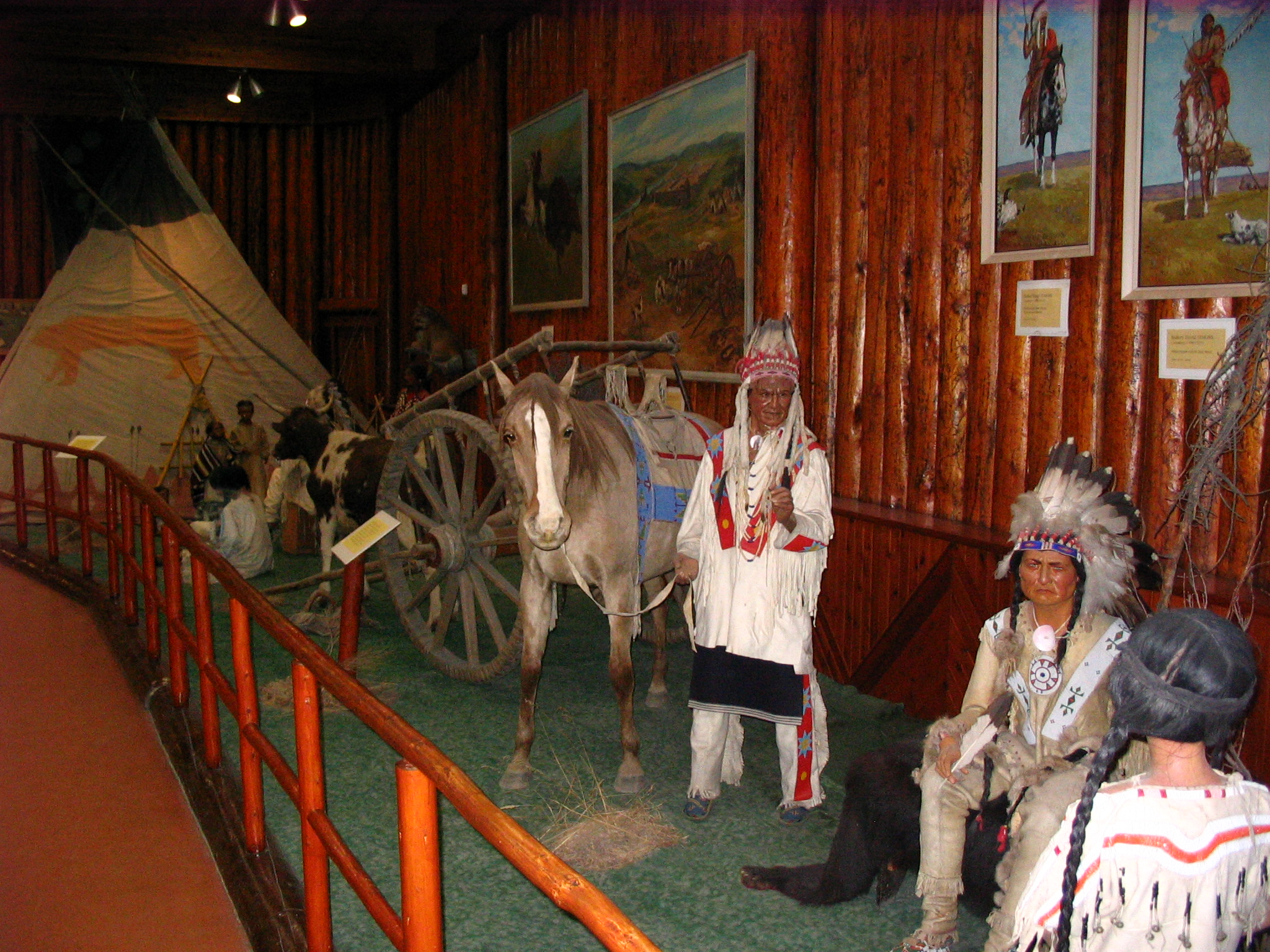

Lake Louise
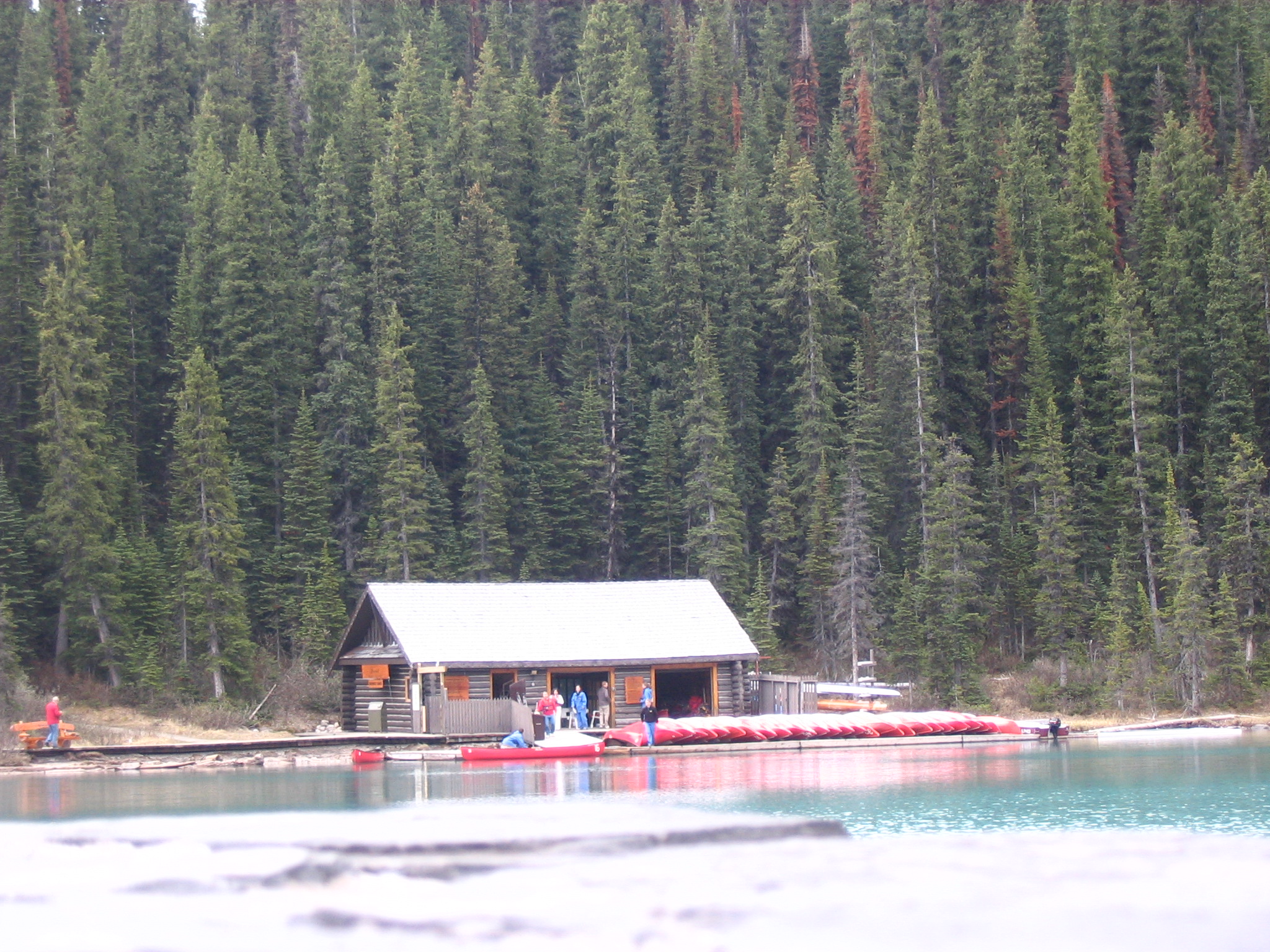
This is a small village which is known for it’s turquoise lake ringed by high peaks and the Lake Louise Ski Resort which forms part of the FIS downhill tour.
Looking at the lake from one point it looks pretty dull.
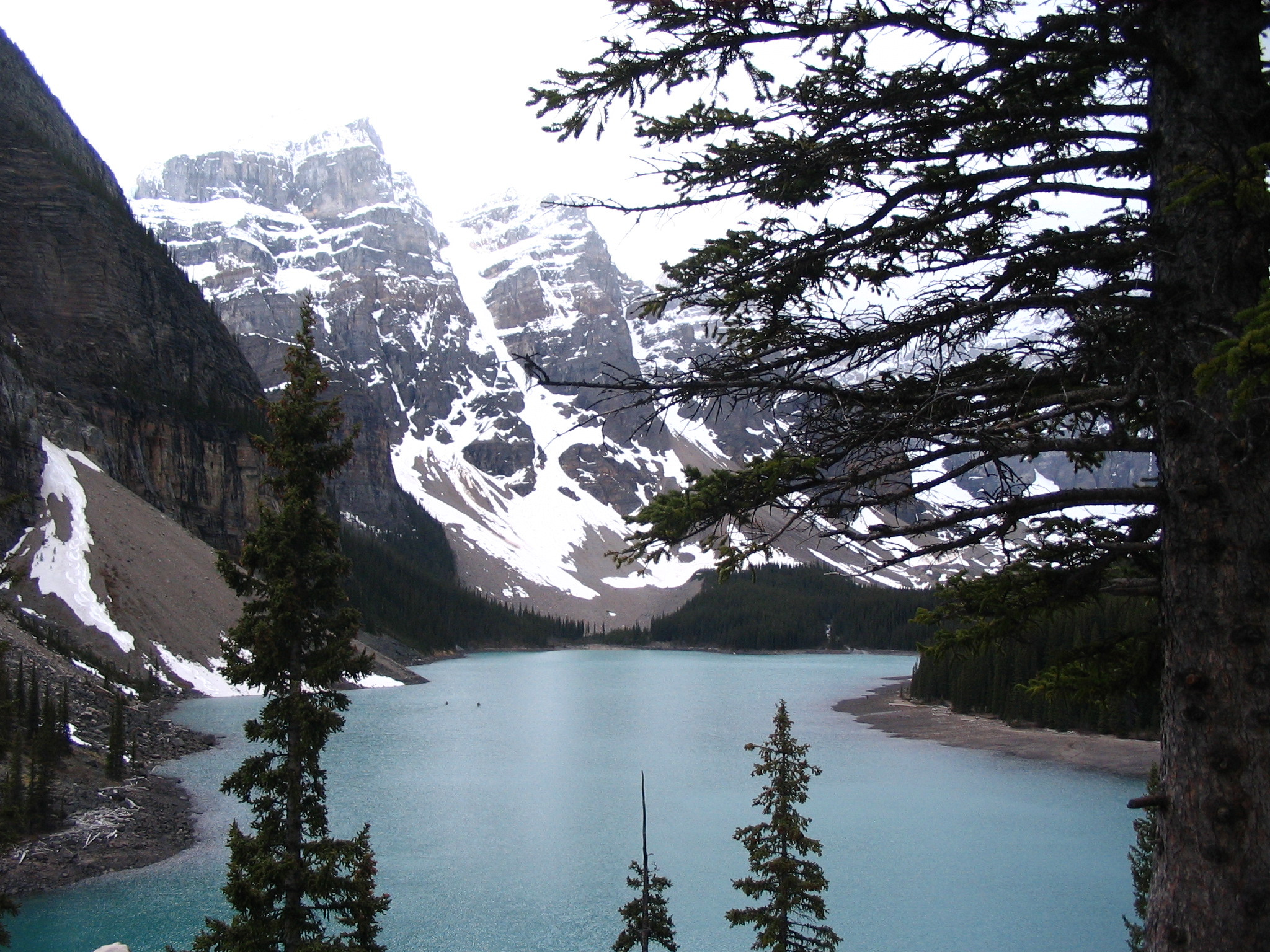
Move around the lake a bit and you can start to see that the turquoise colour becomes more apparent.
On a sunny day this would be absolutely fantastic.

Anyone fancy a trip on a Kayak in a glacier fed lake which is not that much above freezing.
Wildlife
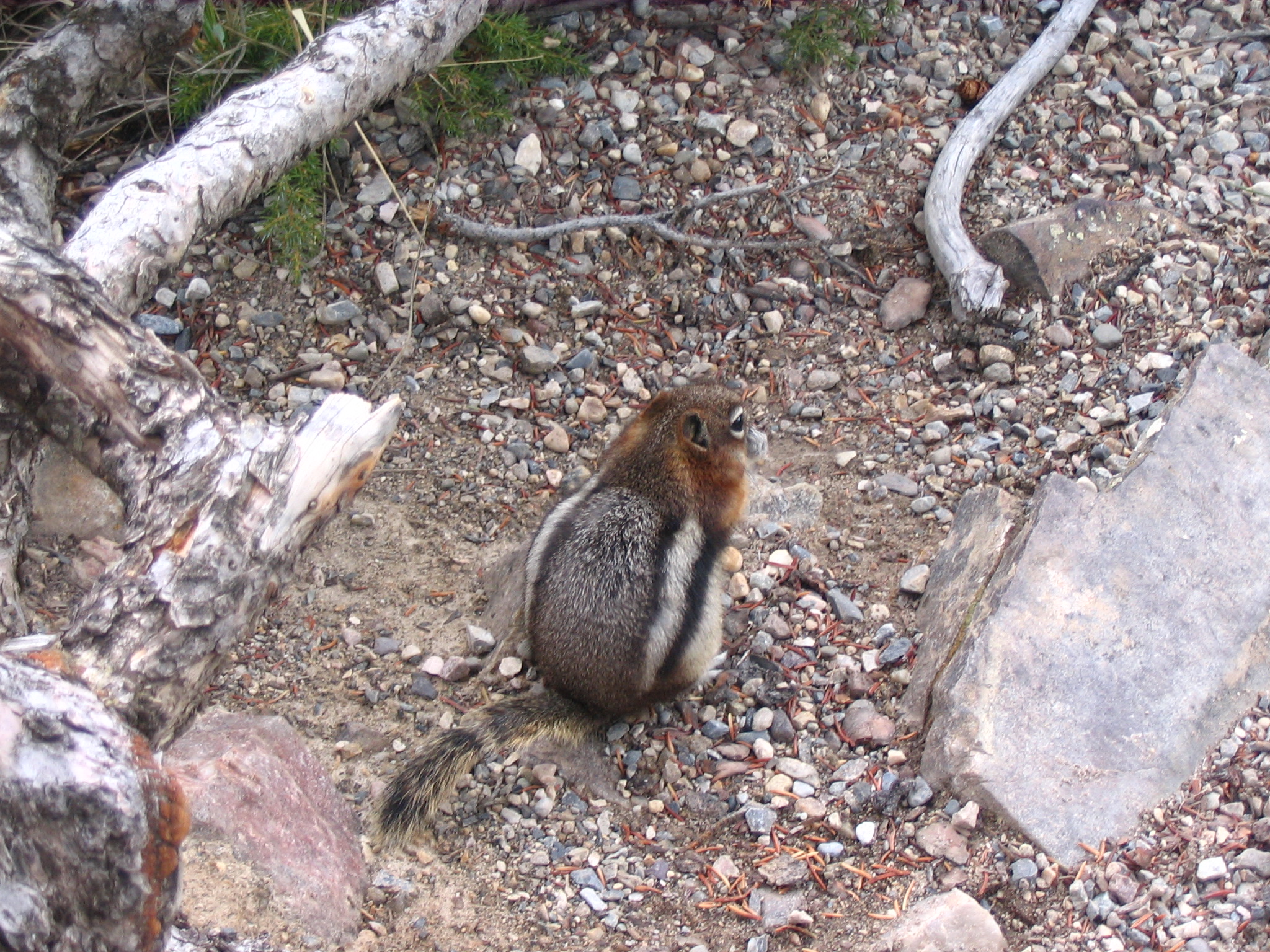
Marmot’s are relatively large squirrels and are prevalent in Canada. These are treated like grey squirrels in the UK and you are told not to feed them.
This is a bighorn sheep which is different to a mountain goats. Both rams and ewes have horns, although the rams are much more prominent and have a distinctive curl.
They will lick the road to extract the salt. If cars come they still just carry on licking away.

Elk wander all around Banff, this one was just outside the town. When we walked to a restaurant for dinner on the first night there was 3 elks munching grass in someone’s garden, we felt a long way from home.

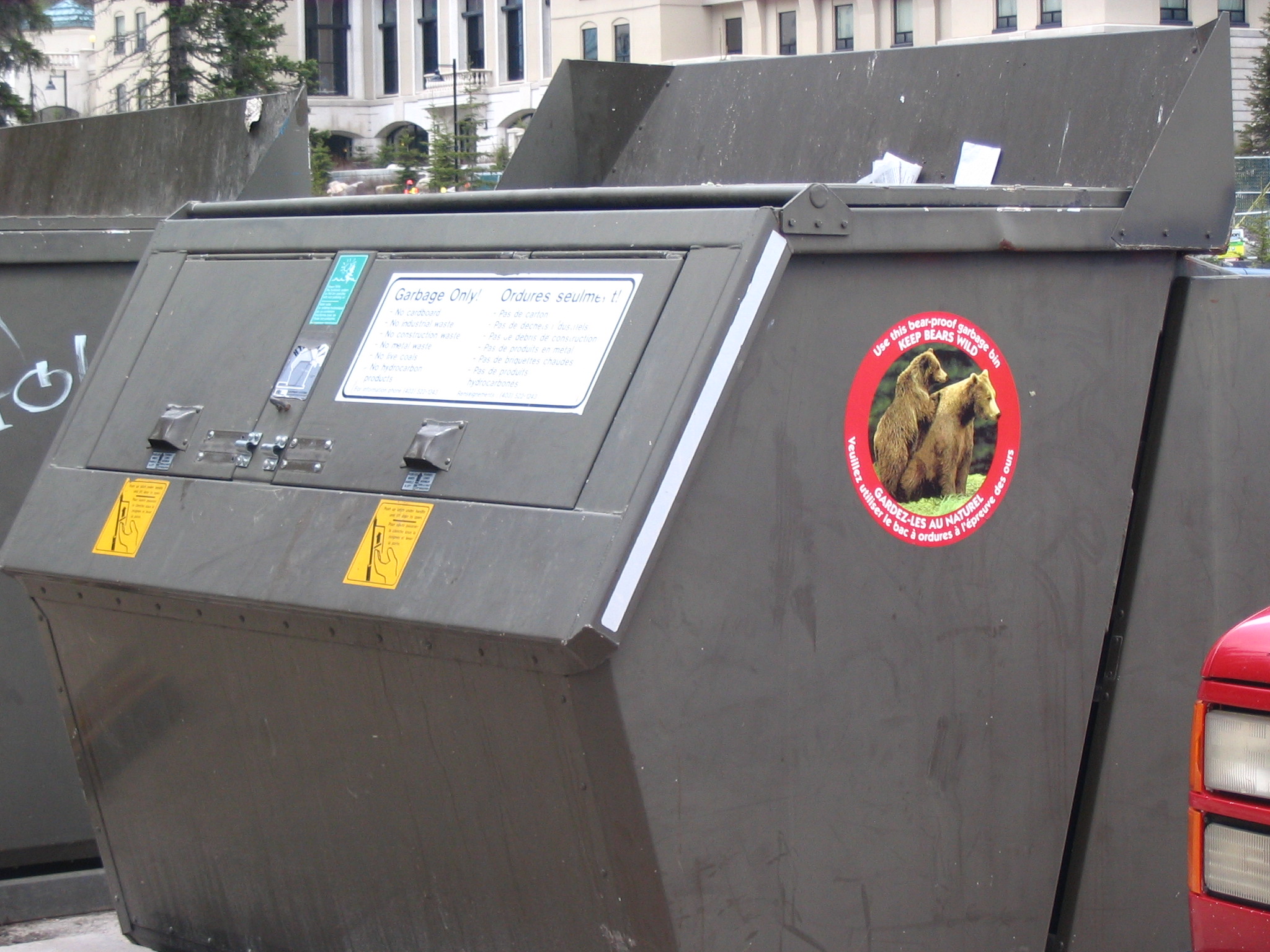
Bears in general do not attack unless they are cornered and cannot escape. Many years ago a number of people were attacked by bears when they coming into town to scavenge food that was been left in bins. The bears were then hunted and shot. Someone said that we are the imposters and not the bears and therefore we need to stop the supply of food, as a consequence someone invented the bear bin. The handles are covered which is too small for bears. The number of attacks by bears on humans has plummeted.
Last Night of our Holiday
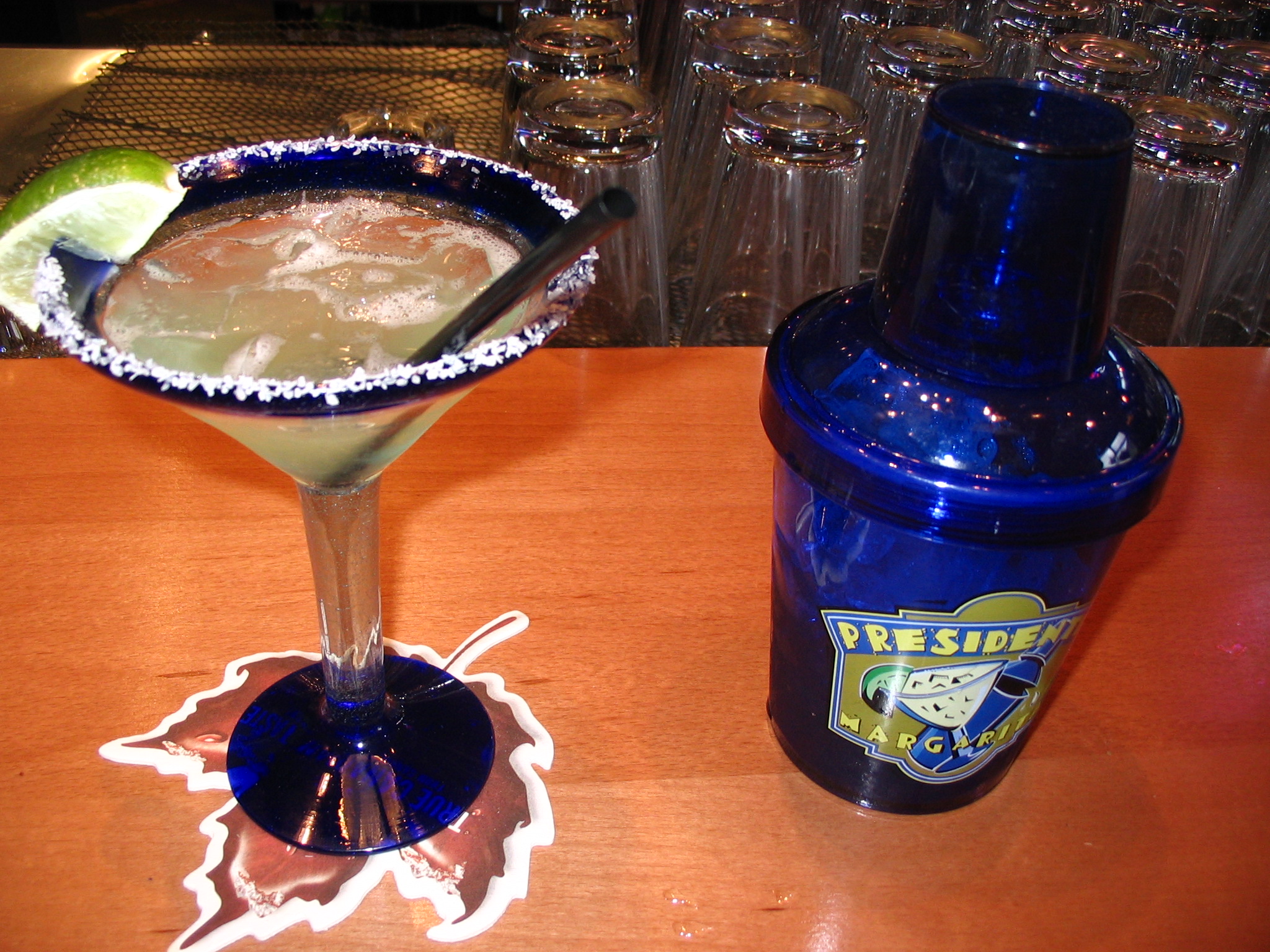
What better way to end our stay in Banff, a Marguerite the night before our flight back to the UK from Calgary.
 Heather and Keith's travels