Hutongs
The Mongol rulers of Beijing established this style of housing in the 13th century as tenancy for the growing population of the city. Hutongs were designed to reflect the Chinese system of Fengshui with 4 hutongs joining together to make a courtyard in the middle, known as Siheyuan.
In the Hutong many of the houses don’t have their own toilet and shower facilities, these are every 200 metres or so. In more recent times, the hutong suburbs were in jeopardy of disappearing, but a fierce debate between developers and those who fought to protect the architecture and the hutong way of life diminished the threat.
One old person we spoke to, via an interpreter, said that this way he sees people every day. If he moved in a new apartment then he would be isolated.

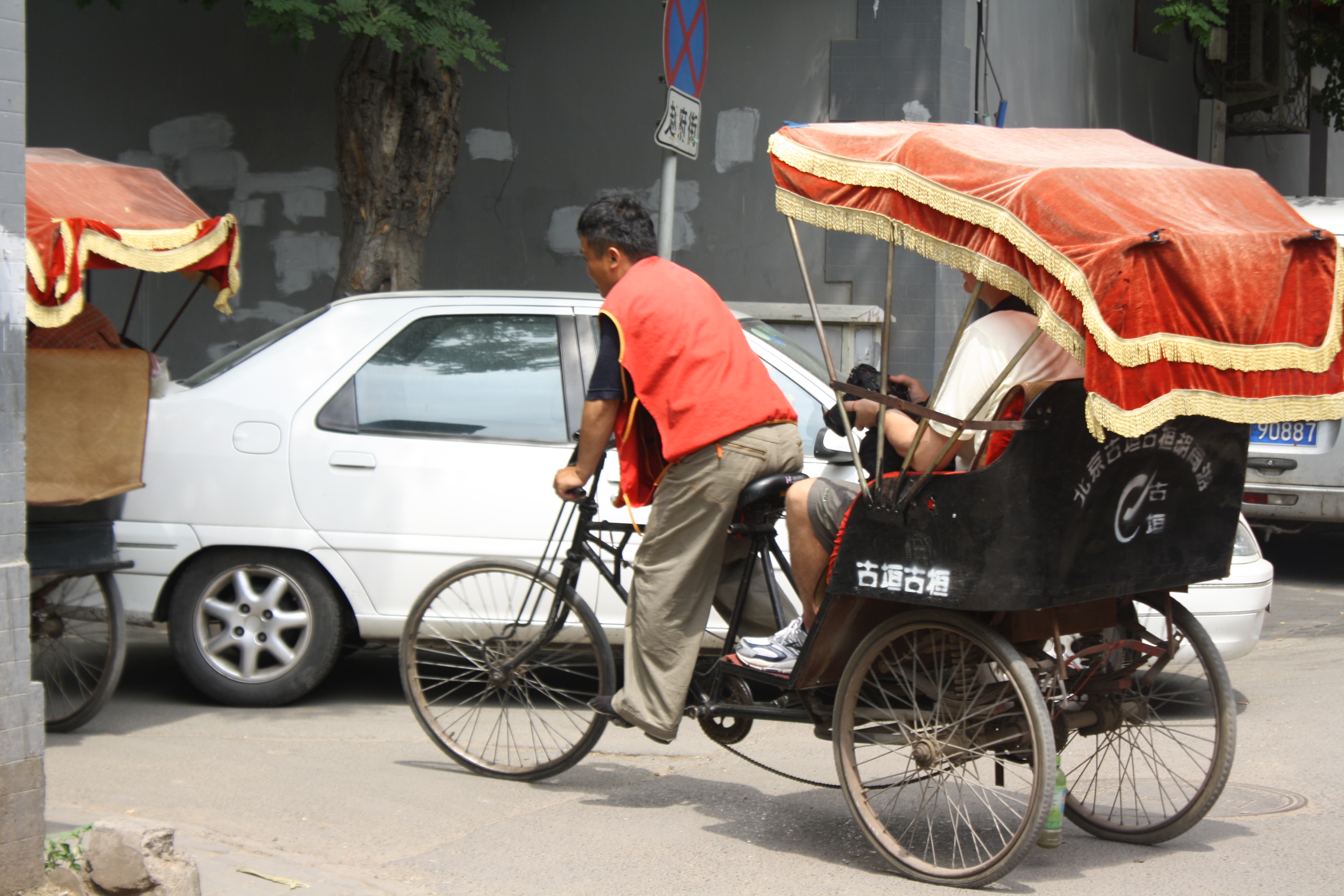
The best form of transport around the Hutongs. We were fortunate that are local guide was ahead and kept stopping the traffic so that 12 rickshaw’s could get through.
Dinner in a house in the Hutong. It was a great experience, since the owner of the house was born and bred in the same house, he had many interestin stories.

Great Wall of China
Originally built under the first Emperor of China, Qin Shi Huang, The Great Wall of China is the country’s most iconic sight. Snaking through the northern countryside from the Gobi Desert in the west into the Bohai Sea in the east, the Great Wall of China is the longest wall in the world and was used as a fortification against northern nomadic tribes. The current structure dates back to the Ming Dynasty – over 700 years old.

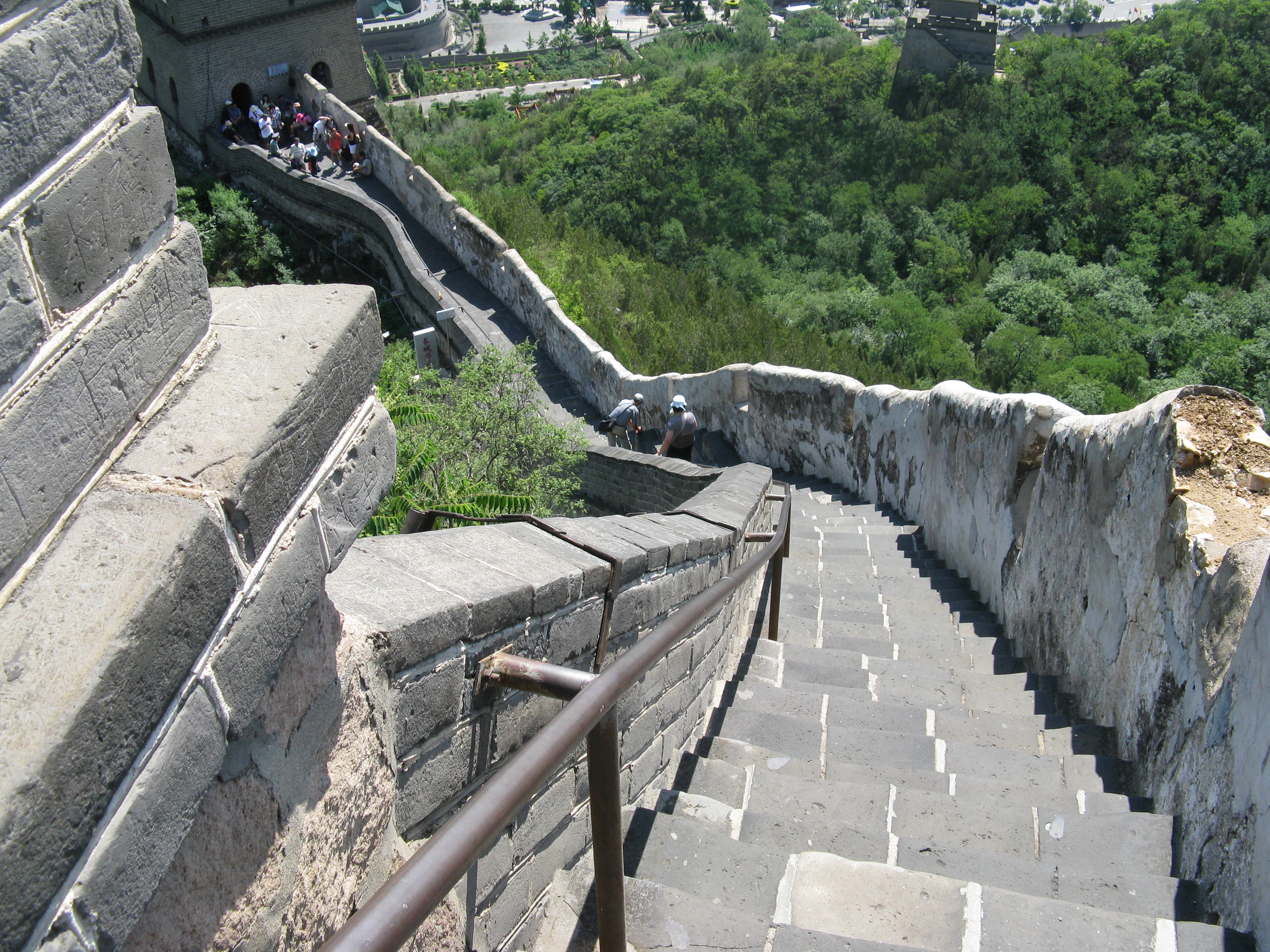
This view shows what an amazing piece of archetechtural engineering thjis is to eb able to build wall and towers that cling so close to the edge of small cliffs.

It was incredibly steep in parts but the oddest thing bearing in mind people are now taller than their ancestors is that some of the steps were pretty high. We had to struggle allowing for the fact that in we are vertically challenged (short on old money).
Summer Palace
The former holiday retreat of the Qing emperors, the Summer Palace is a stunning example of Chinese garden style. The Summer Palace incorporates the Fengshui notion of ‘Mountain’ and ‘Water’, seen here with tranquil Kunming Lake and magnificent Longevity Hill. A favourite resort of the Empress Dowager Cixi, the Summer Palace is home to a stunning Marble Boat and the Long Corridor, one of the longest outdoor passageways in the world.
What an entrance!

The famous marble boat which is also known as the Boat of Purity and Ease is a pavilion. It was first erected in 1755 during the reign of the Qianlong Emperor. The original pavilion was made from a base of large stone blocks which supported a wooden superstructure done in a traditional Chinese design. This was destroyed and replaced with stone.

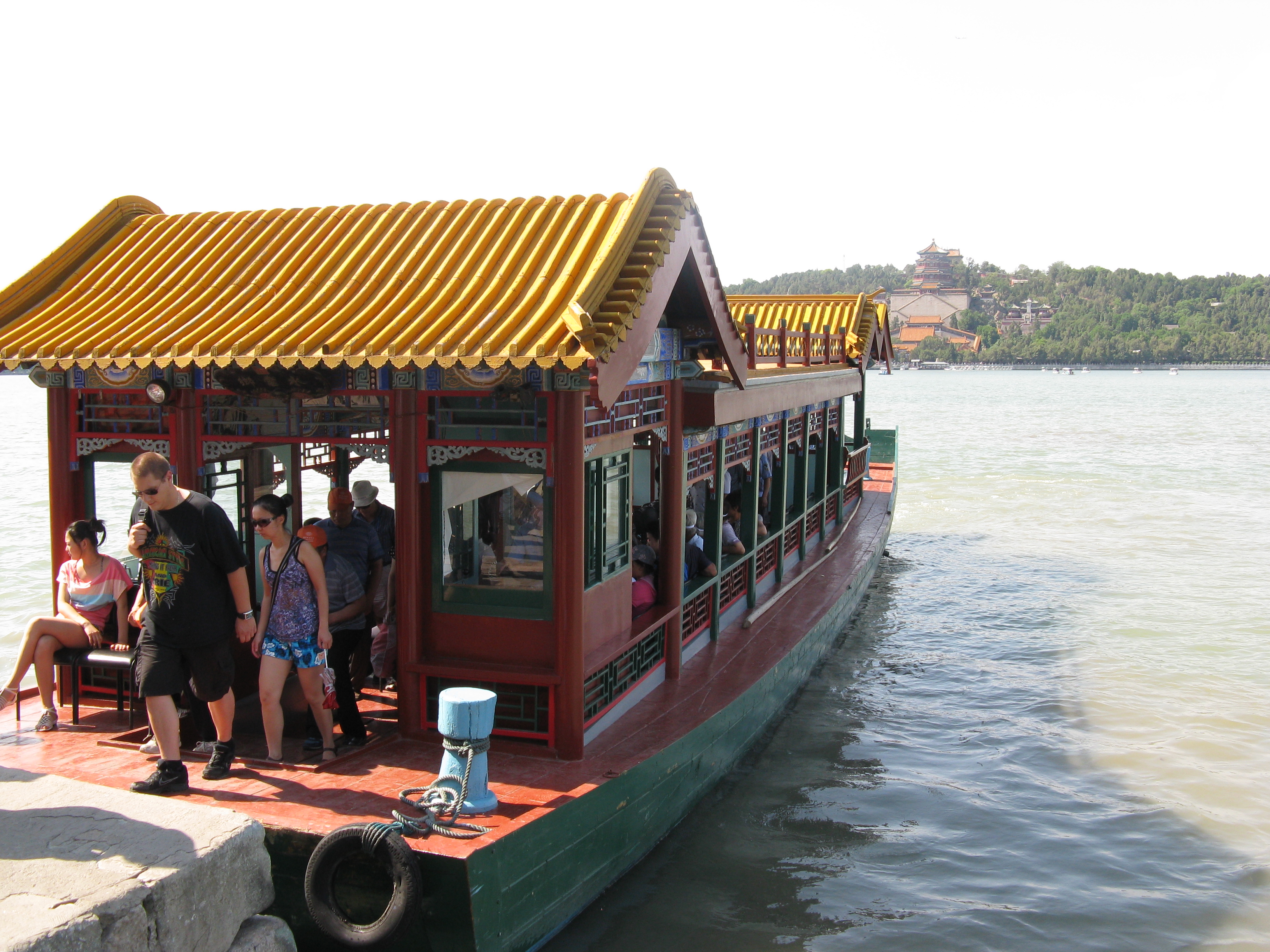
As the Carlsberg advert would say “this is probably the best ferry in the world”.
The bridge is called “Seventeen-Arch Bridge” which connects the eastern shore of Kunming Lake and Nanhu Island in the west. It was built during the reign of Emperor Qianlong (1711-1799). It is the largest of the thirty bridges in the Summer Palace.

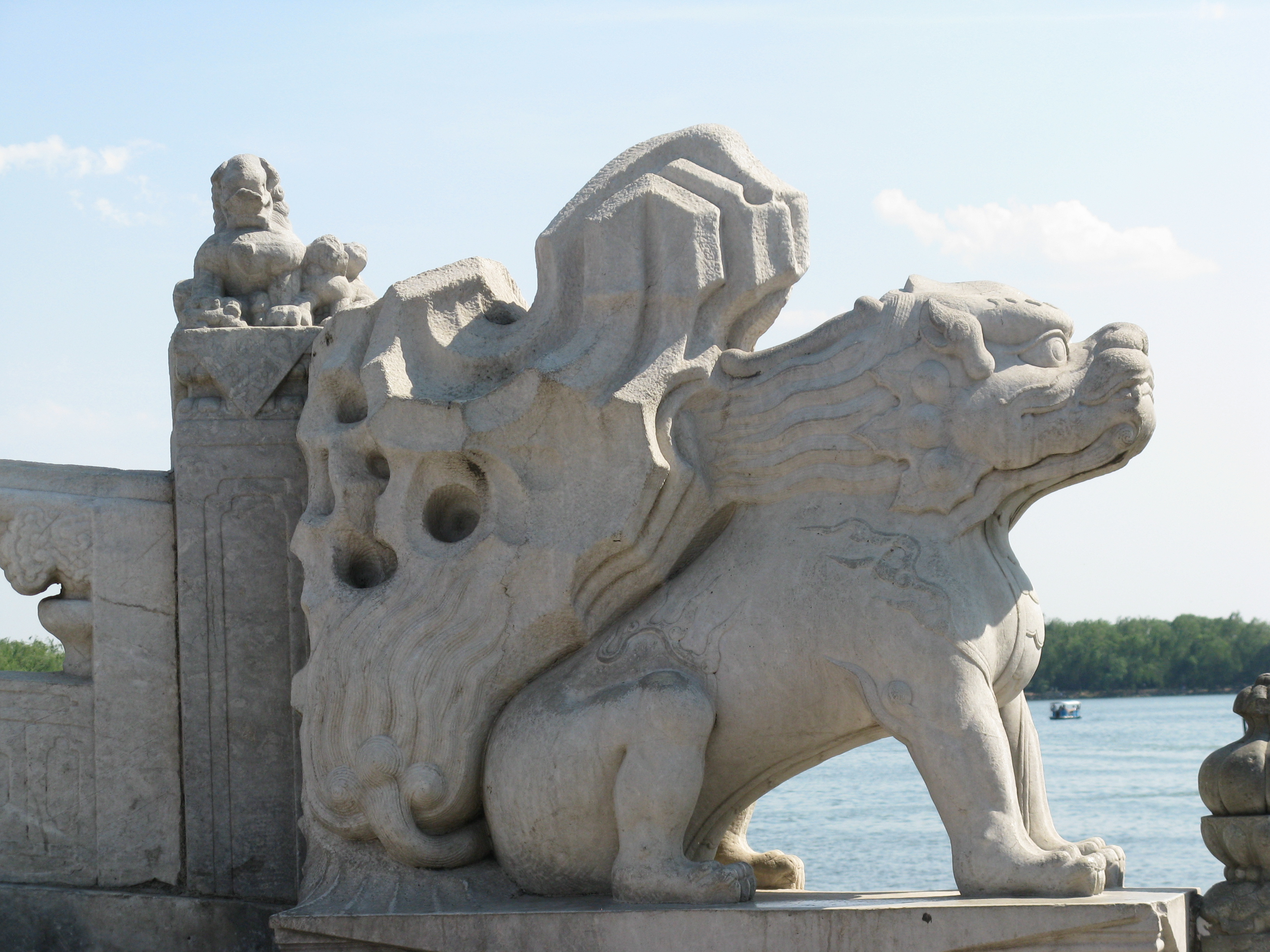
It is impossible to spend any amount of time in China without coming across a statue of a lion either in bronze or in this case stone.
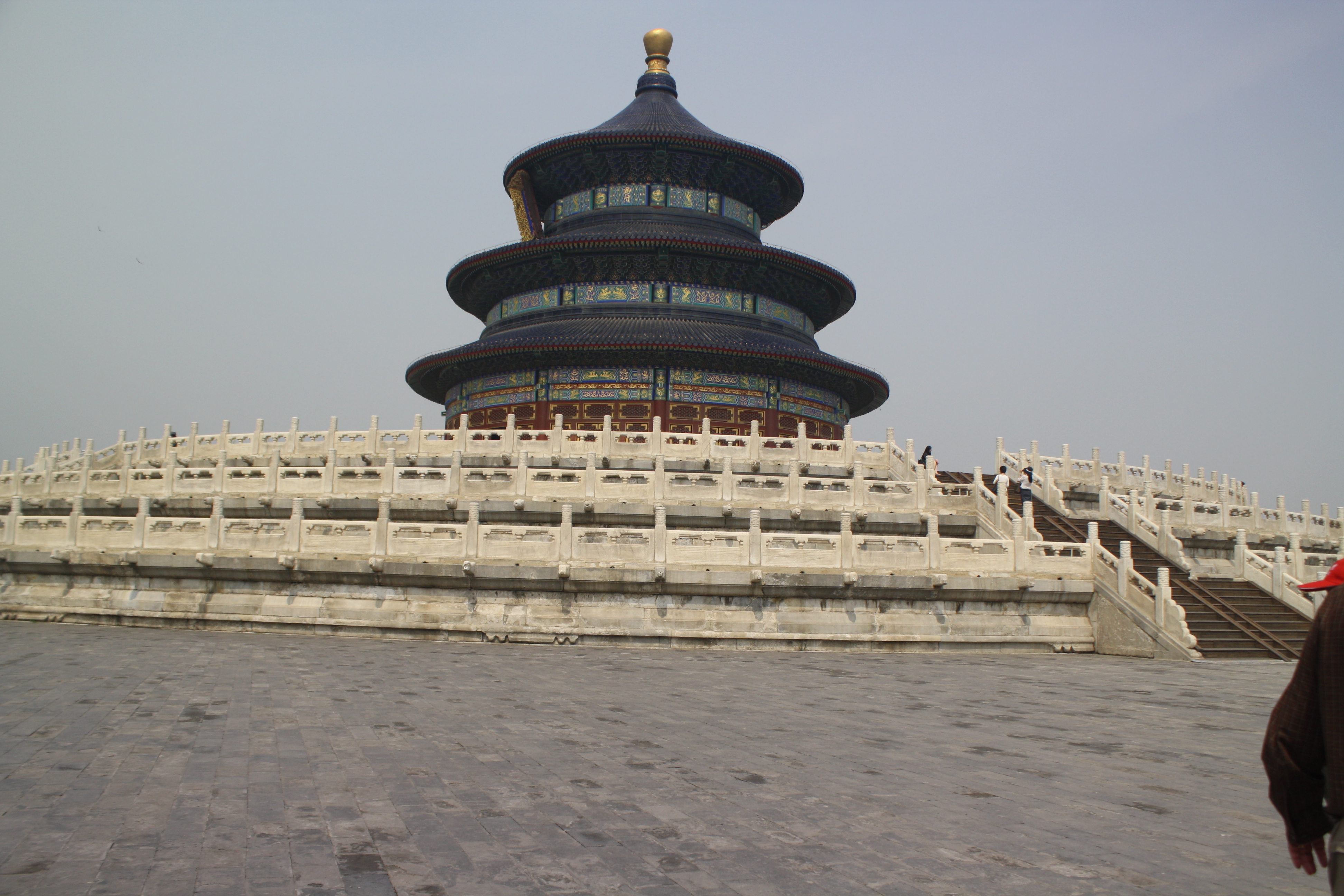
Temple of Heaven
The Temple of Heaven is one of the most perfect examples of Ming architecture set in amongst a 267 hectare park with four gates set at each point of a compass. The Temple of Heaven was created as a place of worship for the emperors, who would ask for prosperity, longevity and good harvest for the people. Walking through the park we will see the many groups of local people that gather here every day to sing folk songs, practice Tai Chi and sword dancing, play chess or just come to sit and chat.

Tiananmen Square
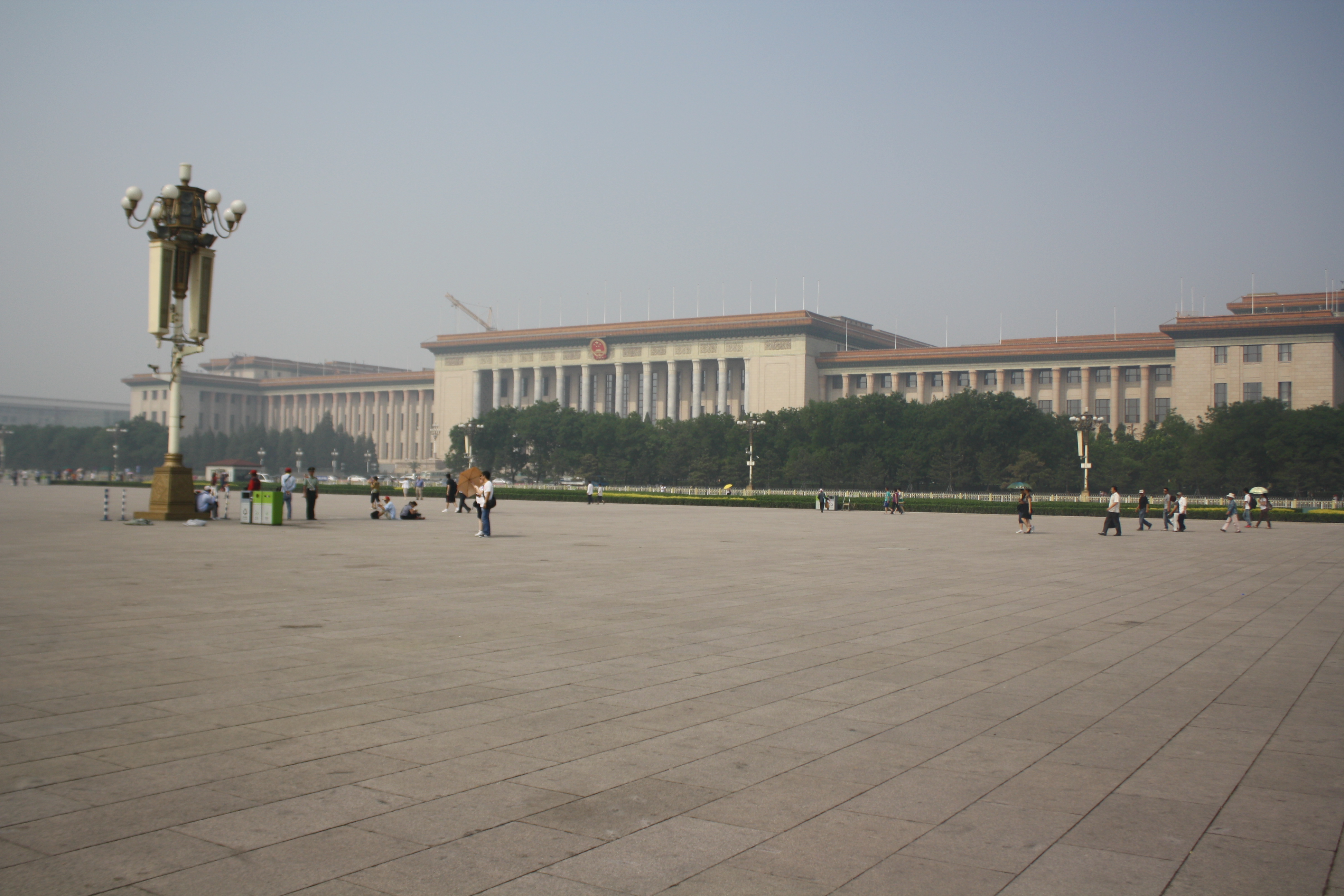
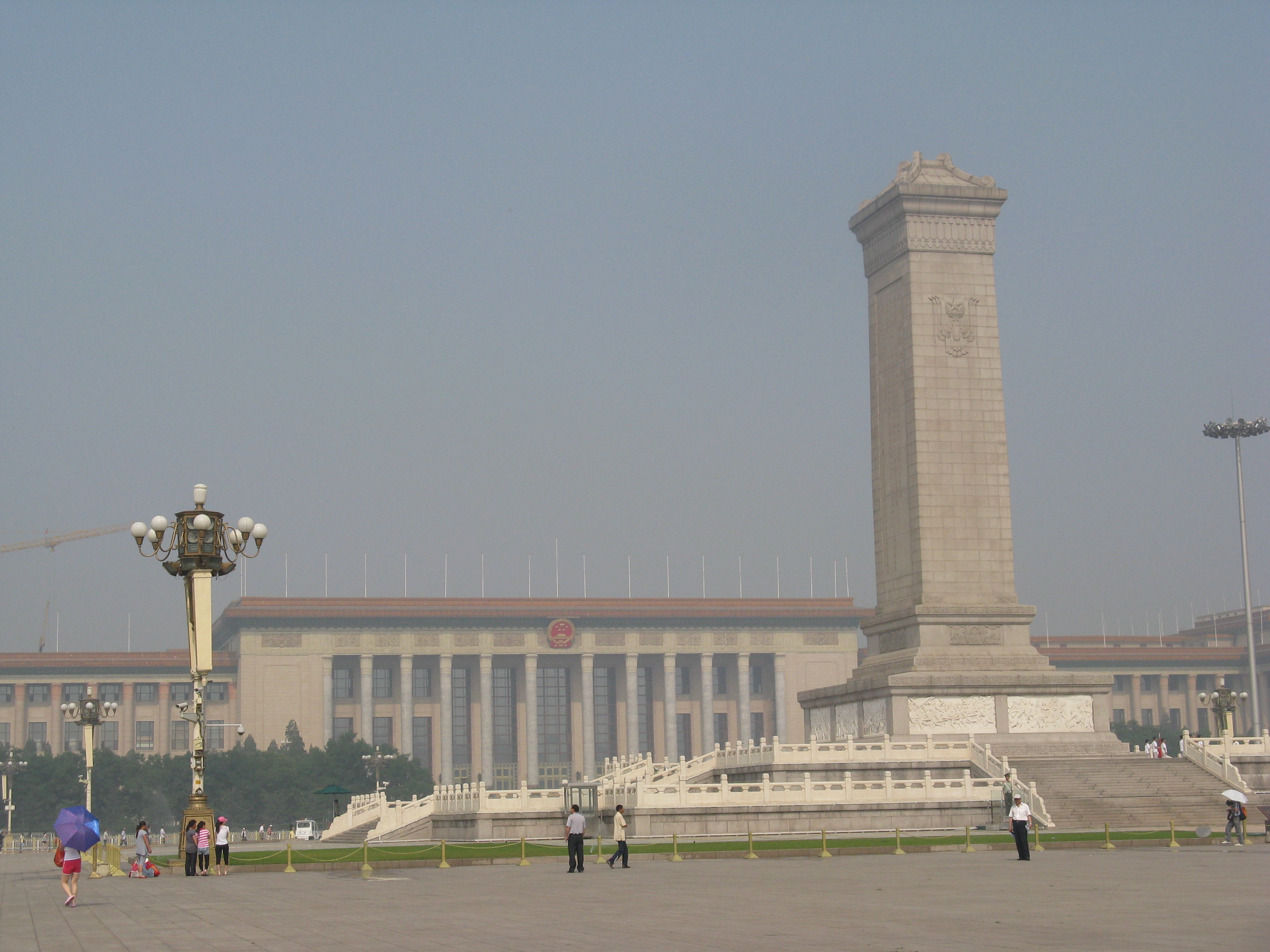
Built under the guidance of Chairman Mao Zedong, Tiananmen Square is said to hold a capacity crowd of over one million and is one of the largest public squares in the world. It houses not only the Monument to the People’s Heroes, it is also the final resting place of Chairman Mao himself in the Mausoleum of Mao Zedong.
It’s impossible to imagine the size until you actually visit Tiananmen Square and it’s only then that you can see that it can hold a million people.
The Monument to the People’s Heroes was erected as a national monument of China to the martyrs of revolutionary struggle during the 19th and 20th centuries.
Forbidden City
The sacred centre of the Chinese empire for 500 years and home to the Ming and Qing Dynasties, the Forbidden City is a vast complex of over 900 buildings and covers an area of 180 acres. Since 1987, the Forbidden City has been a UNESCO World Heritage Site and its palatial architectural style has been an influence on many imperial buildings throughout Asia.
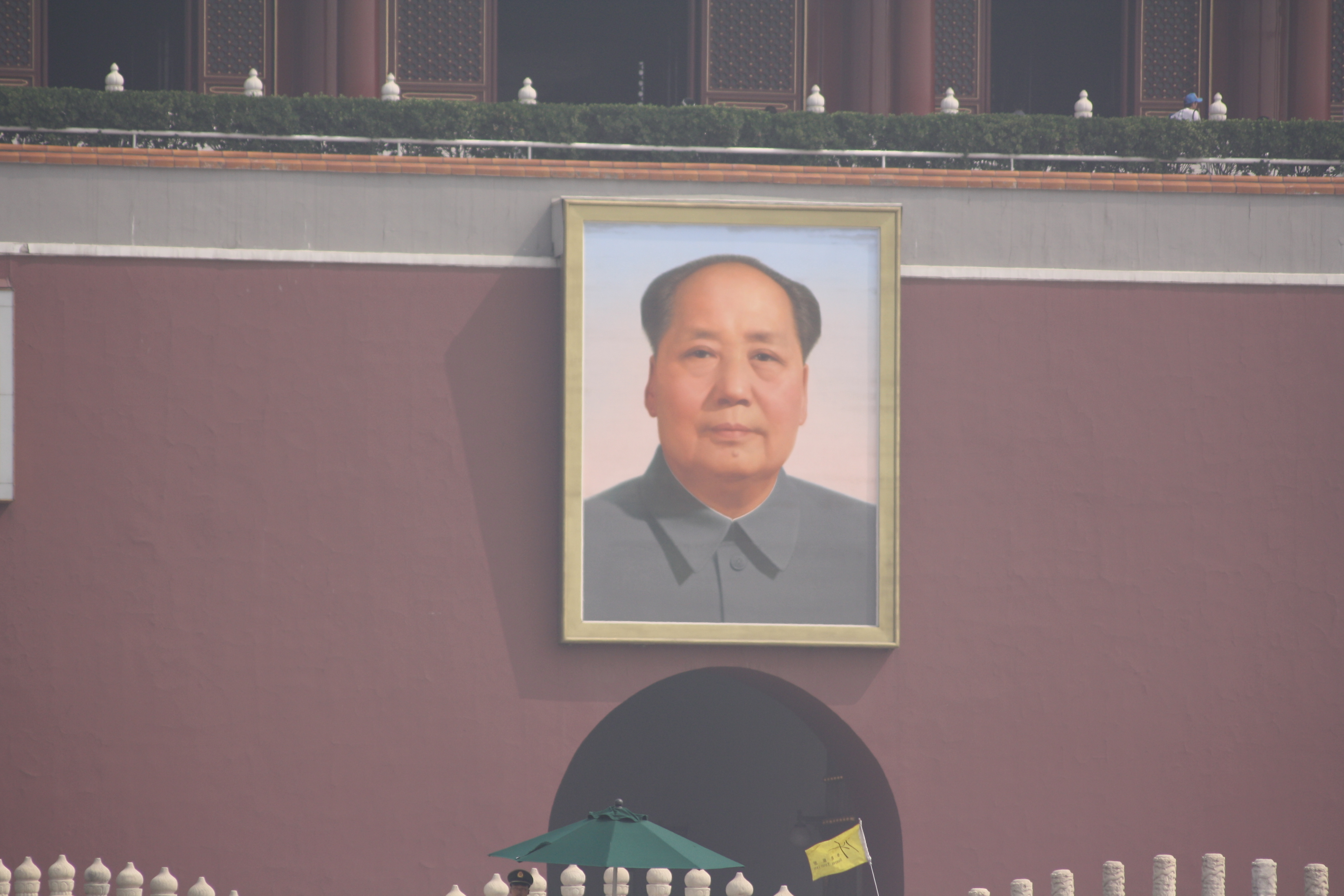
As you go in to the entrance you have to pass under the portrait of Mao Zedong.
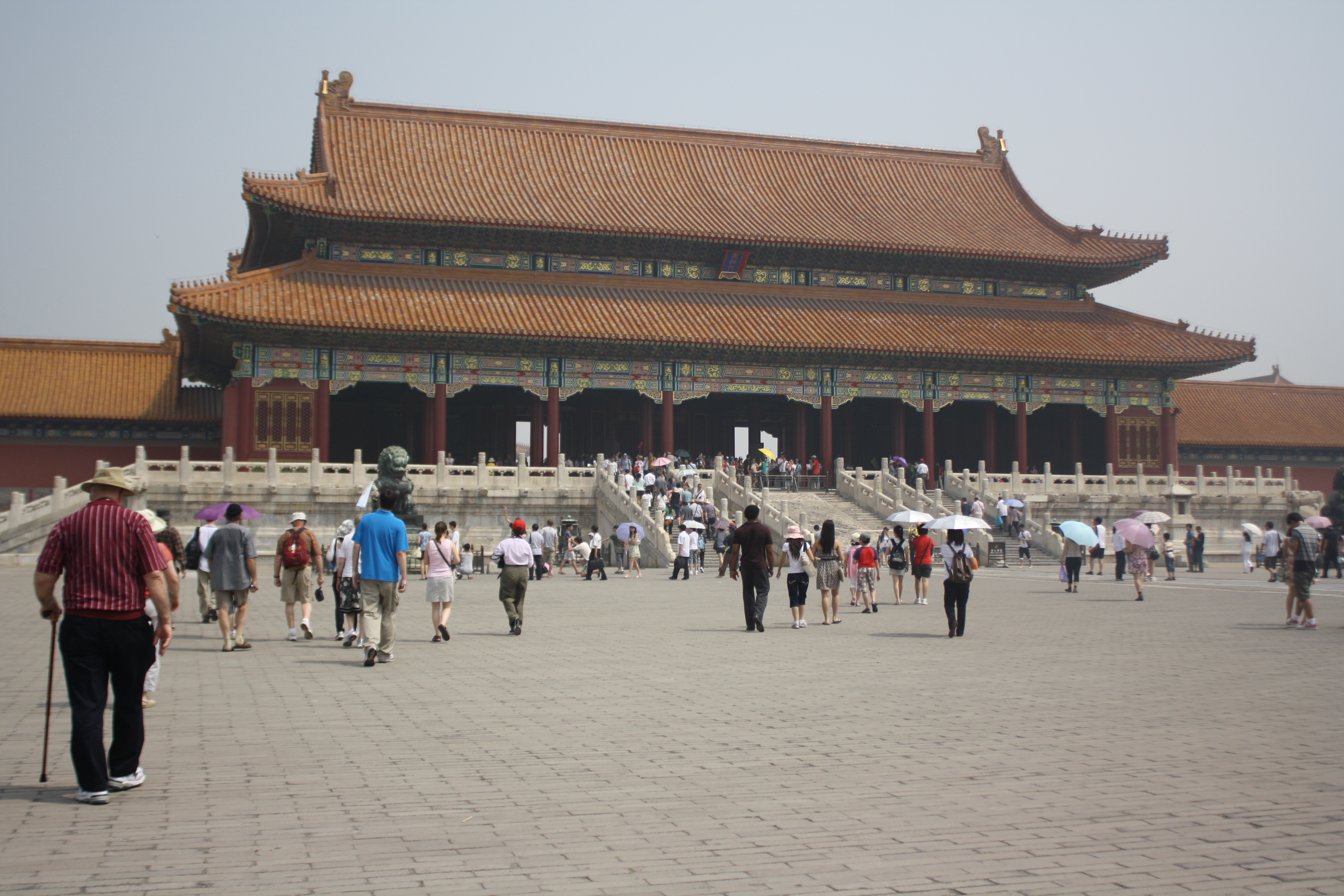
Once you are inside this is the first thing that you see, good job we went on a quiet day.
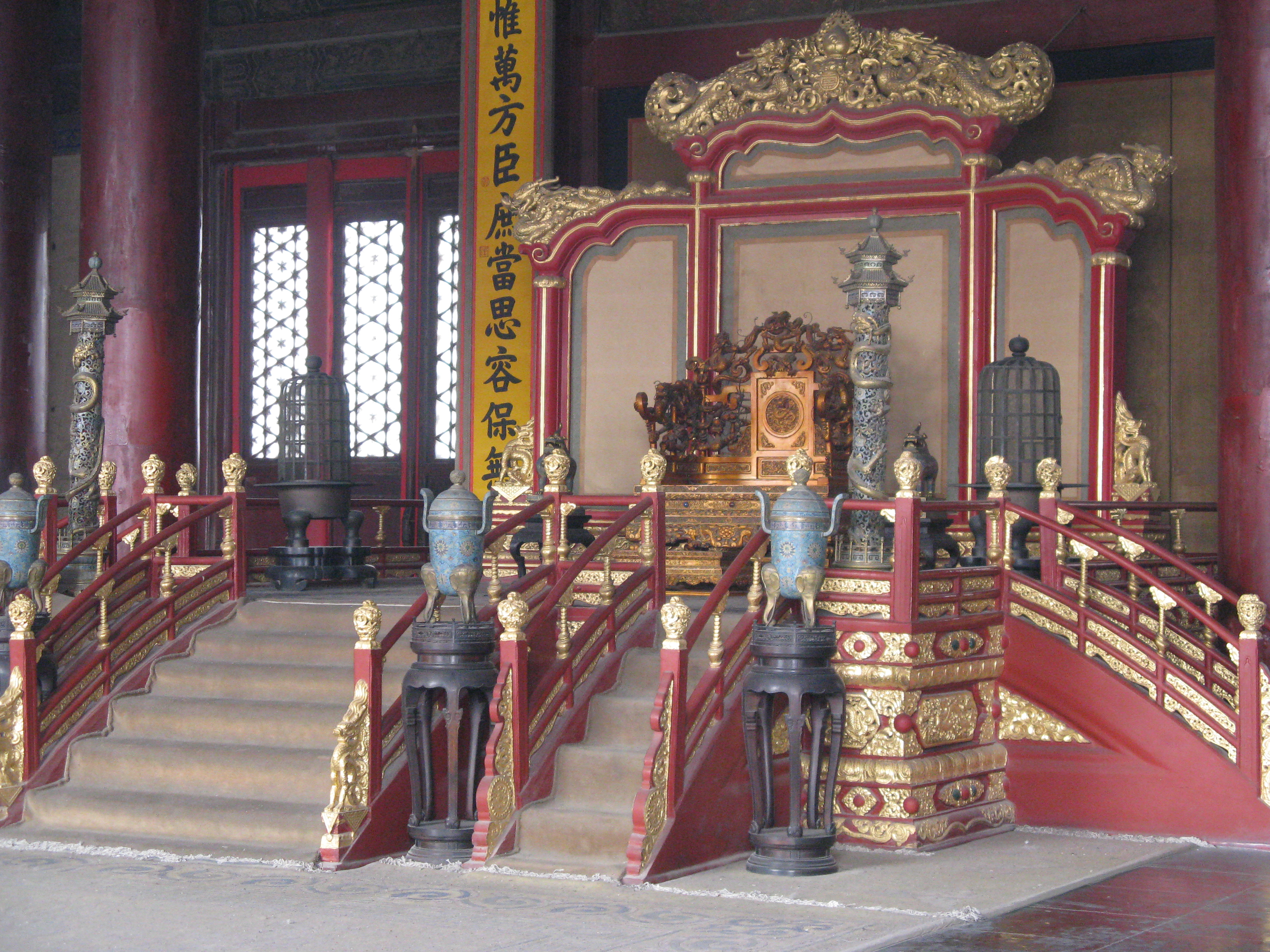
A view inside one of the rooms where the emporer would sit together with his concubines.
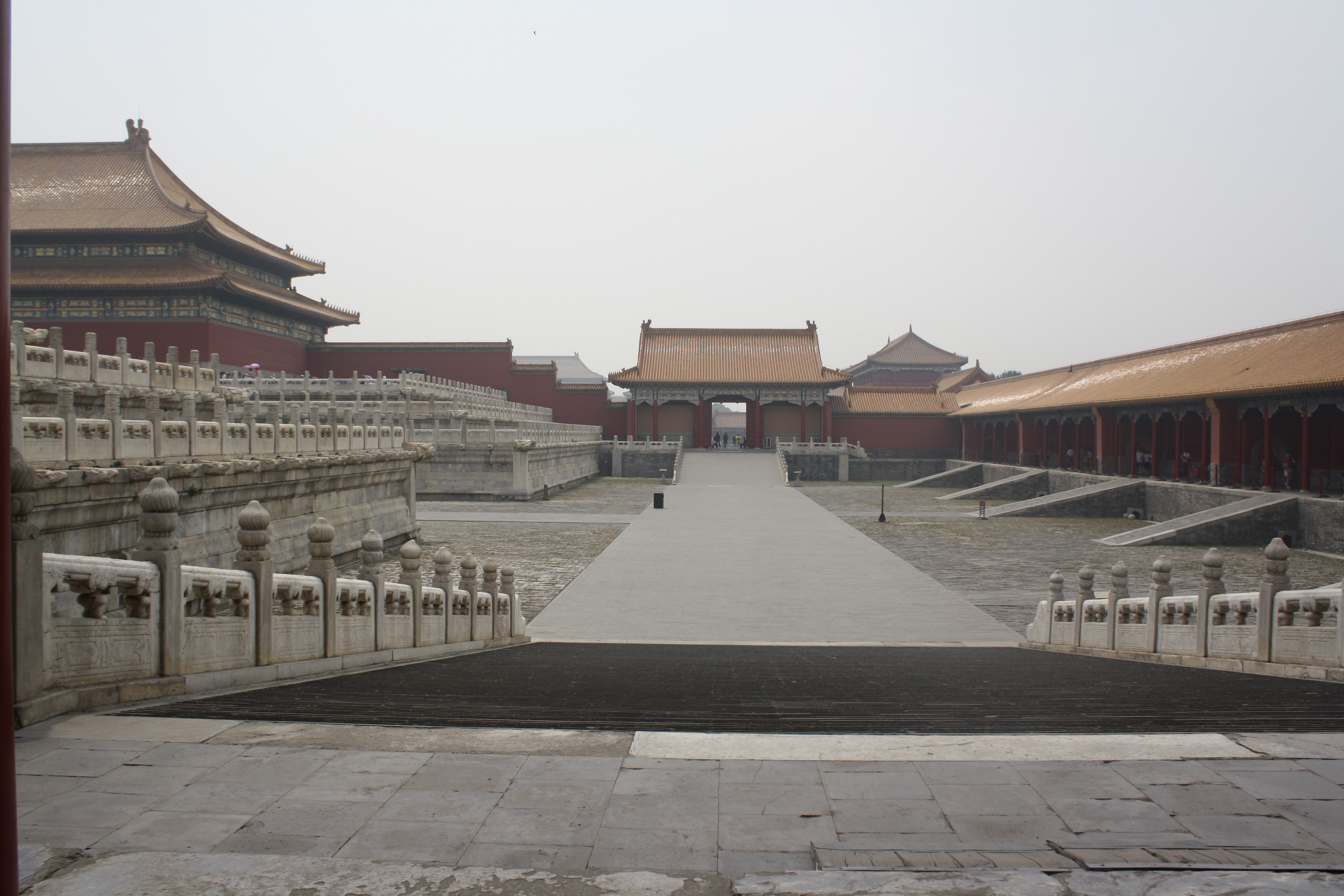
Where has everyone gone? It’s amazingly eerie after being in other parts that were so busy.
There’s just building after building which are stunning.
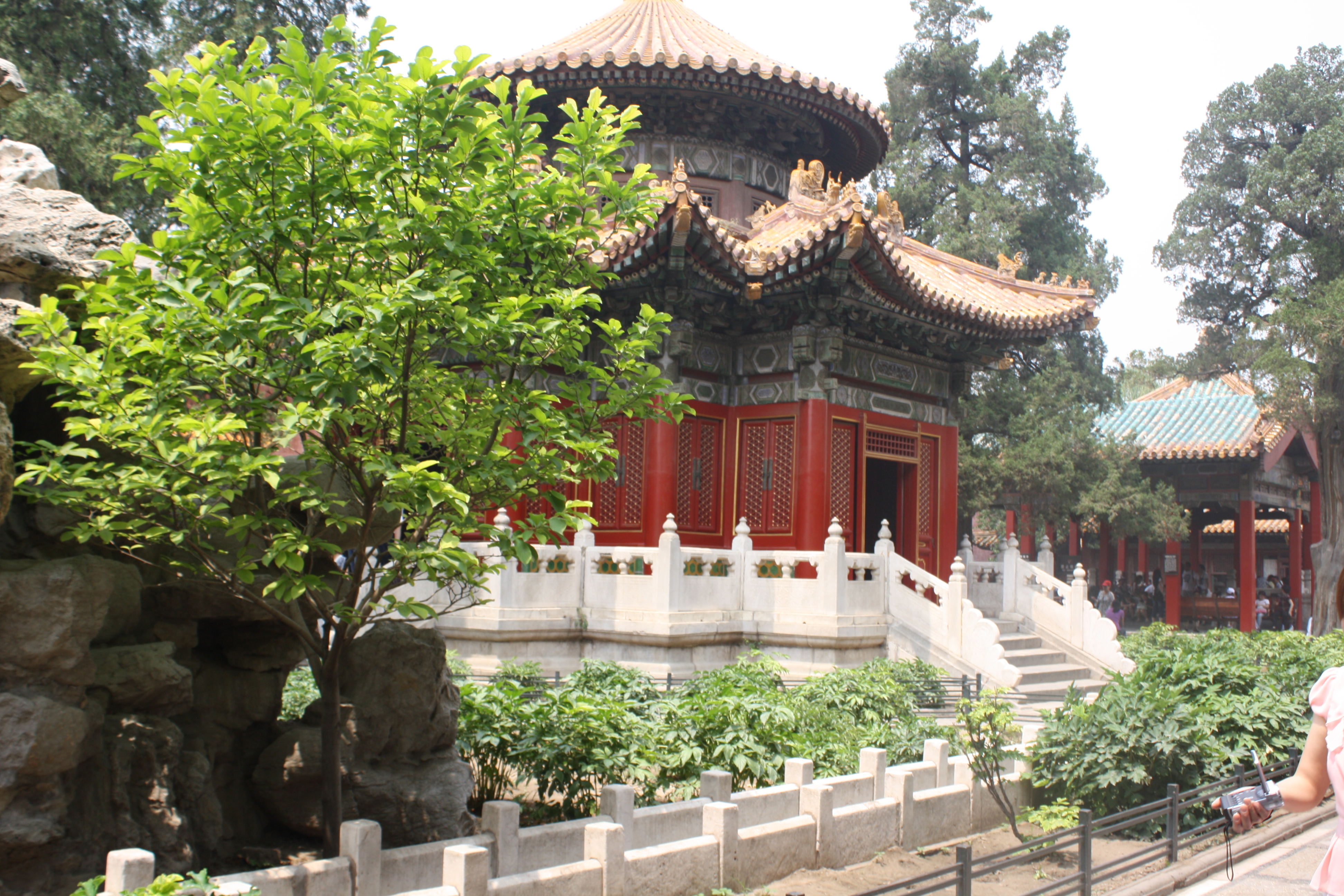
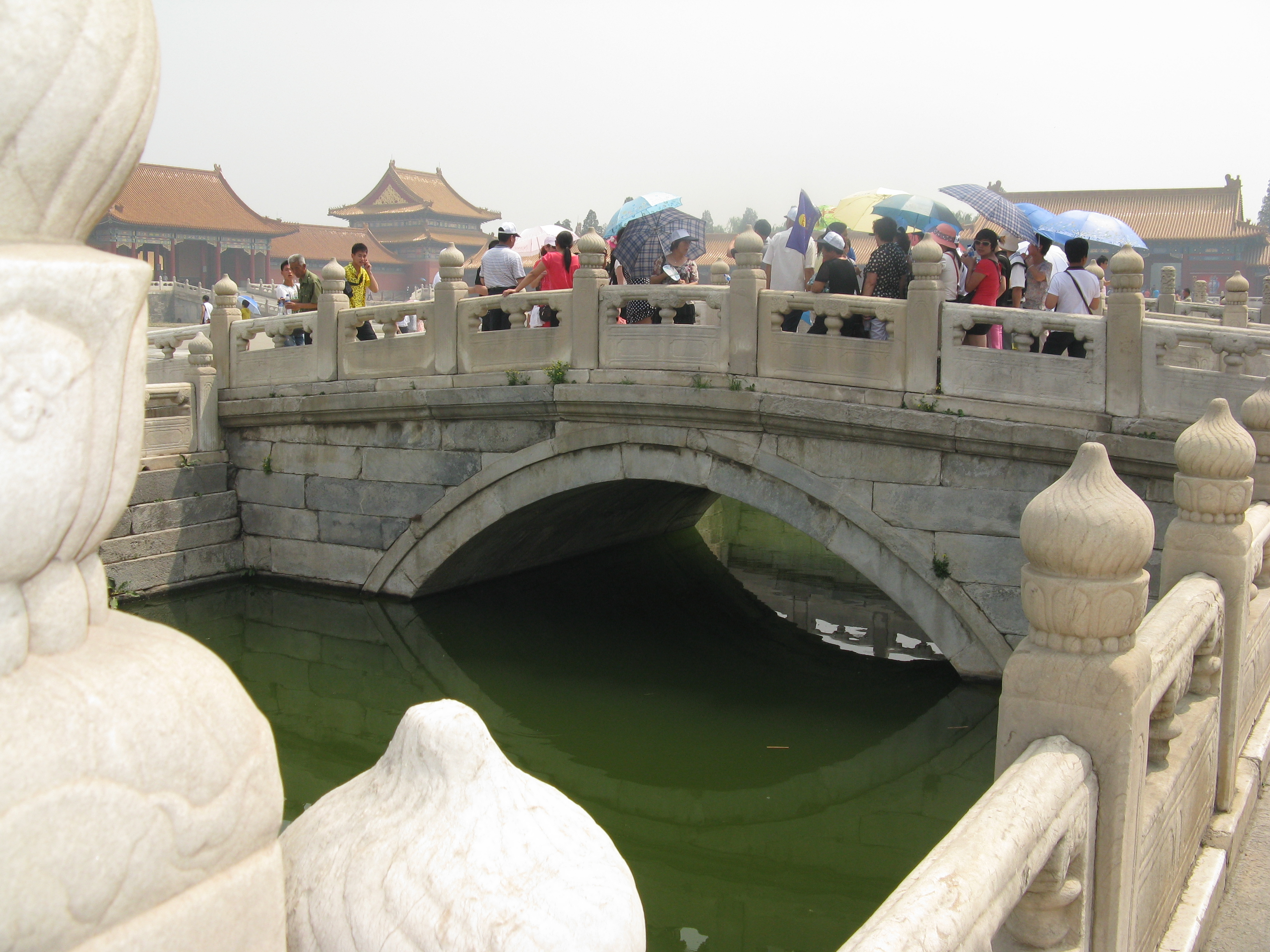
Yet another stone bridge.
Beijing National Stadium
Beijing National Stadium, officially the National Stadium is often referred to as The Bird’s Nest stadium. The stadium was designed for use throughout the 2008 Summer Olympics and Paralympics and will be used again in the 2022 Winter Olympics and Paralympics. The stadium is currently mostly unused, after having been unsuccessfully suggested as the permanent headquarters of the Beijing football team.

Chinese Acrobatics
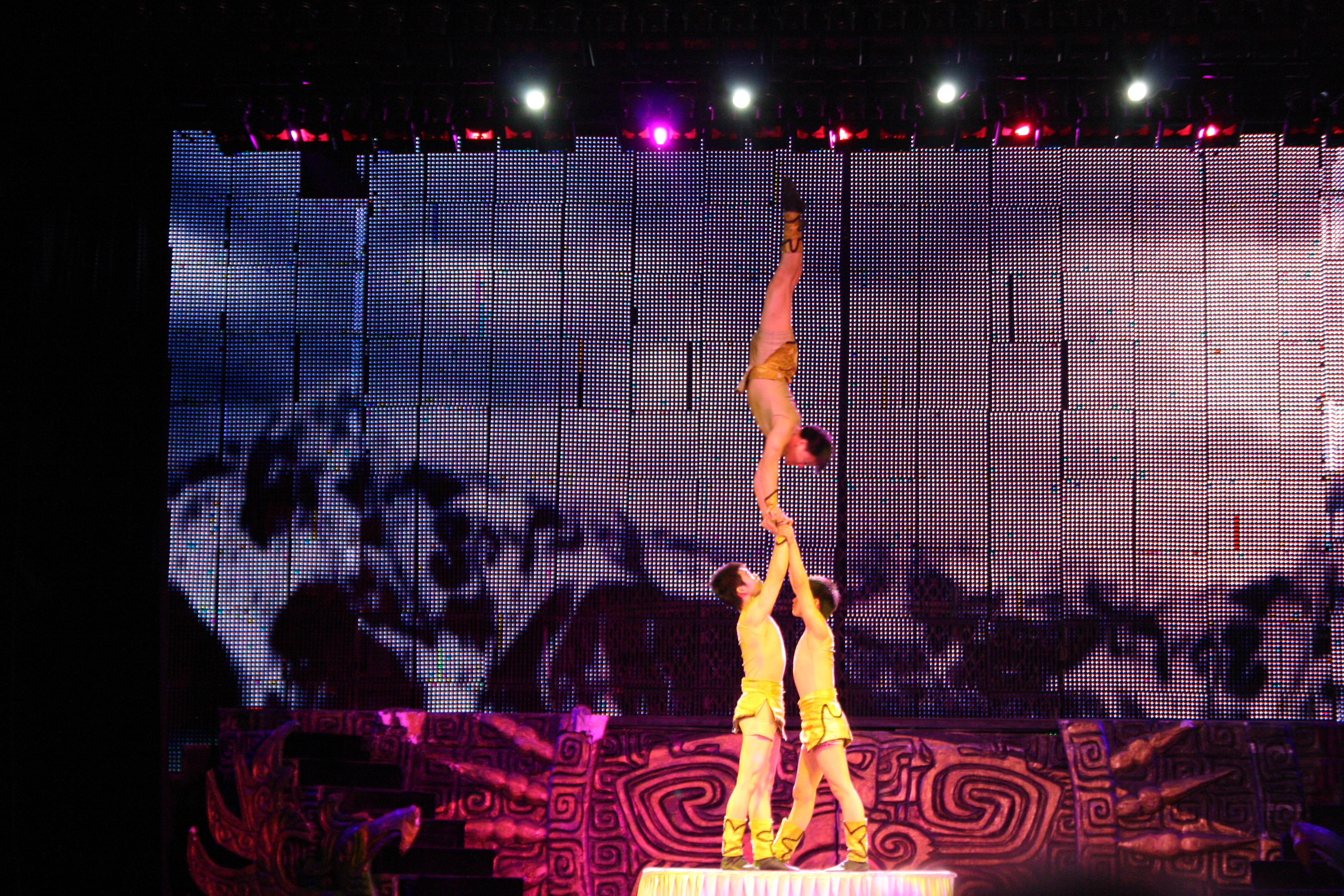
We wen to a display pf Chinese acrobatics which incorporates many forms of dramatic art, including acrobatics, contortionism, juggling, plate spinning and many more.

No way you’d get either of us up there.
Shopping and Lunch
Anyone up for a trip to IKEA?

Time for a traditional Chinese lunch?

 Heather and Keith's travels