Copenhagen is the coolest kid on the Nordic block. Edgier than Stockholm and worldlier Oslo, the Danish capital gives Scandinavia the X-factor. While this thousand-year-old harbour town has managed to retain much of its historic good looks – think copper spires and cobbled streets.
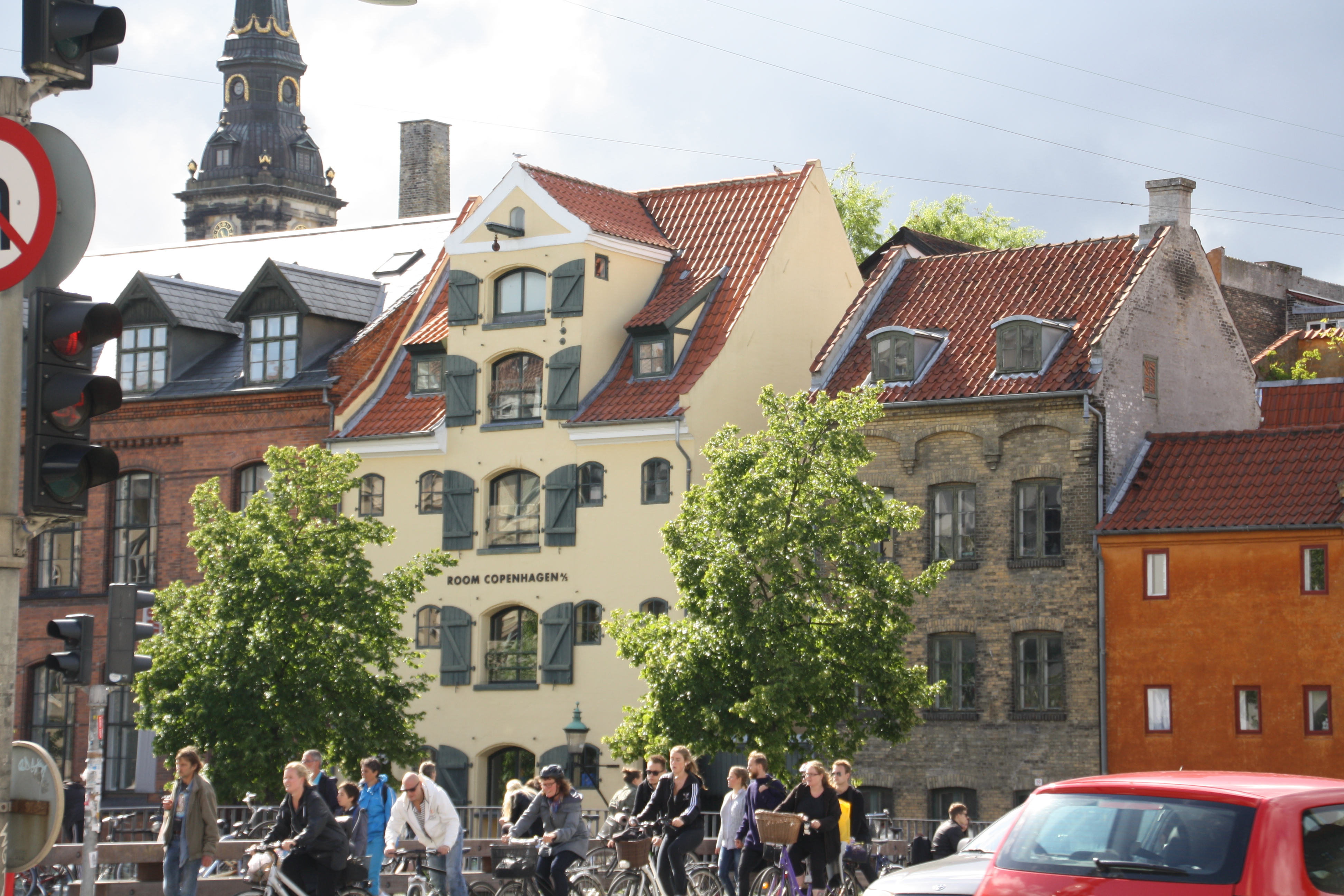
This is a small city with lots to see and do provided you avoid the cyclists. This city is designed for the cyclist with bike lanes separated from cars, even Heather would feel safe and secure cycling here.
We visited Copenhagen in July 2015 and stayed at the Avenue Boutique Hotel.
Tivoli Gardens
Tivoli Gardens (or simply Tivoli) is a famous amusement park and pleasure garden in Copenhagen. The park opened on 15 August 1843 and is the second oldest amusement park in the world, after Dyrehavsbakken in Klampenborg, which is a northern suburb of Copenhagen.
We visited this most days as it has lovely gardens and 35 different places to eat varying from cheap (for Copenhagen that is) and expensive.
This is one of the many entrances to Tivoli.

This is the hotel in the Tivoli gardens. We looked at this hotel but the price for five nights had too many zero’s at the end of it.
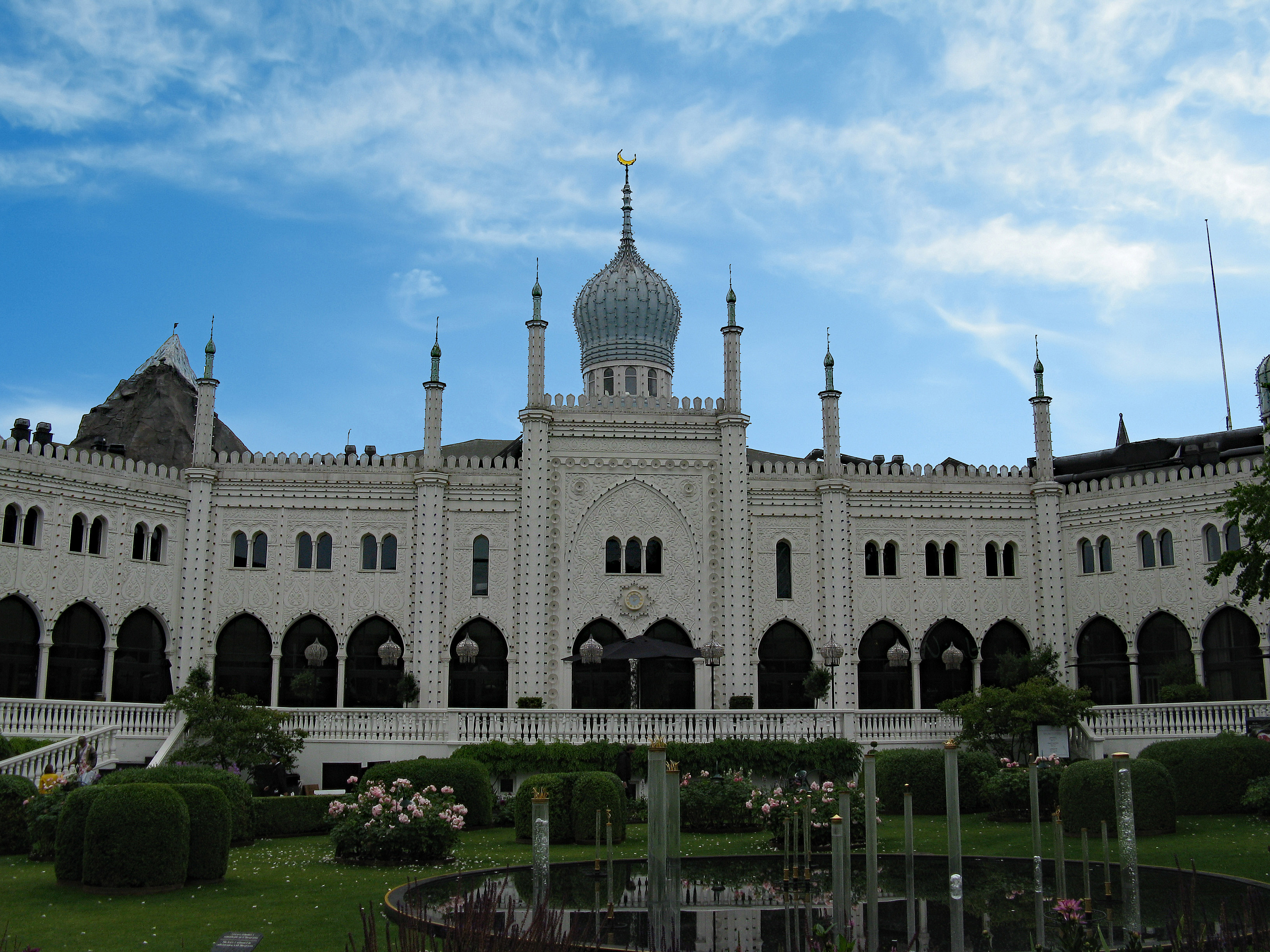
One of the many roller coaster rides. I wanted to take an action shot of Heather on the ride but she refused to go on it.
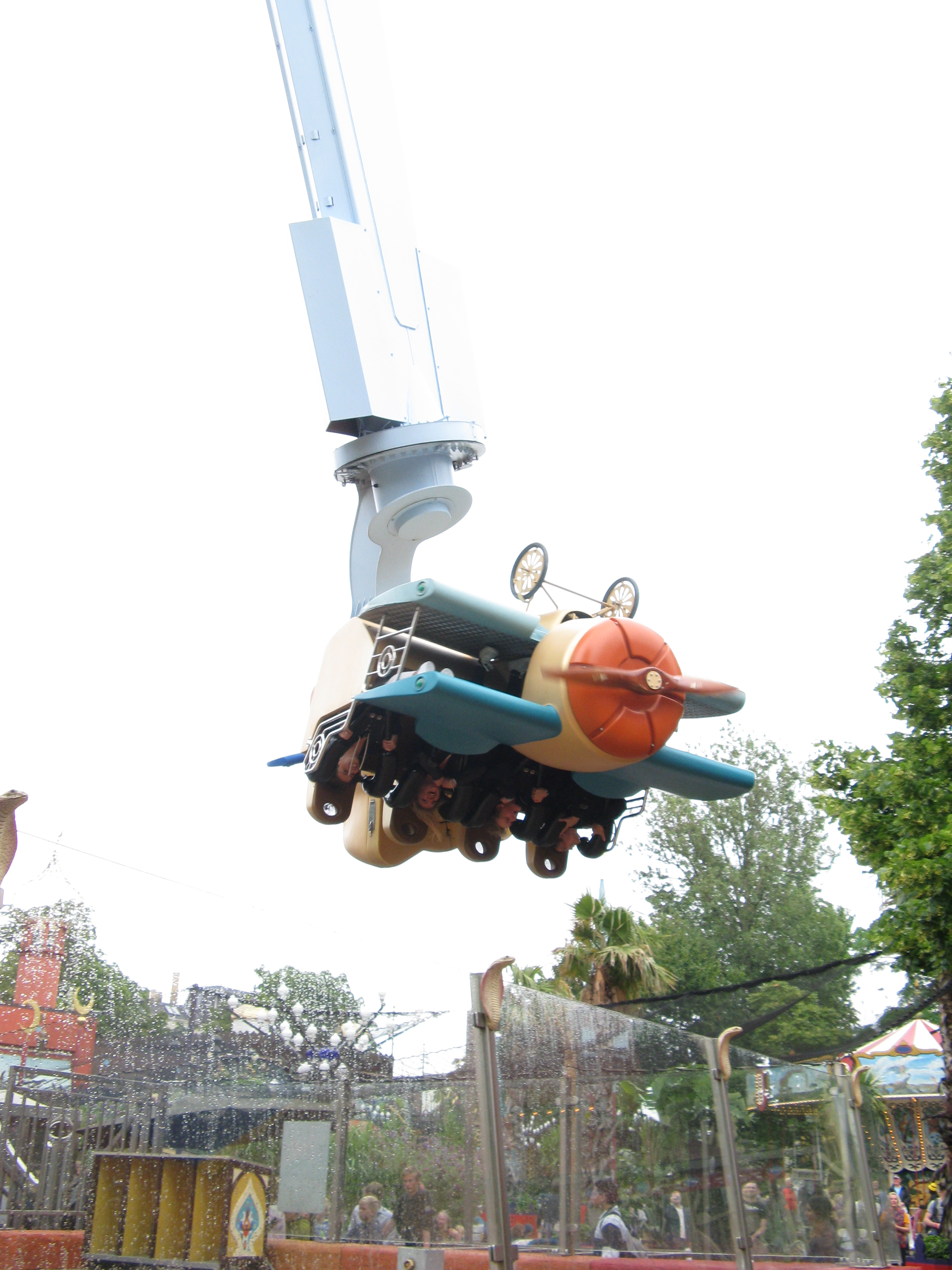
This was a traditional Danish country scene recreated in the gardens.
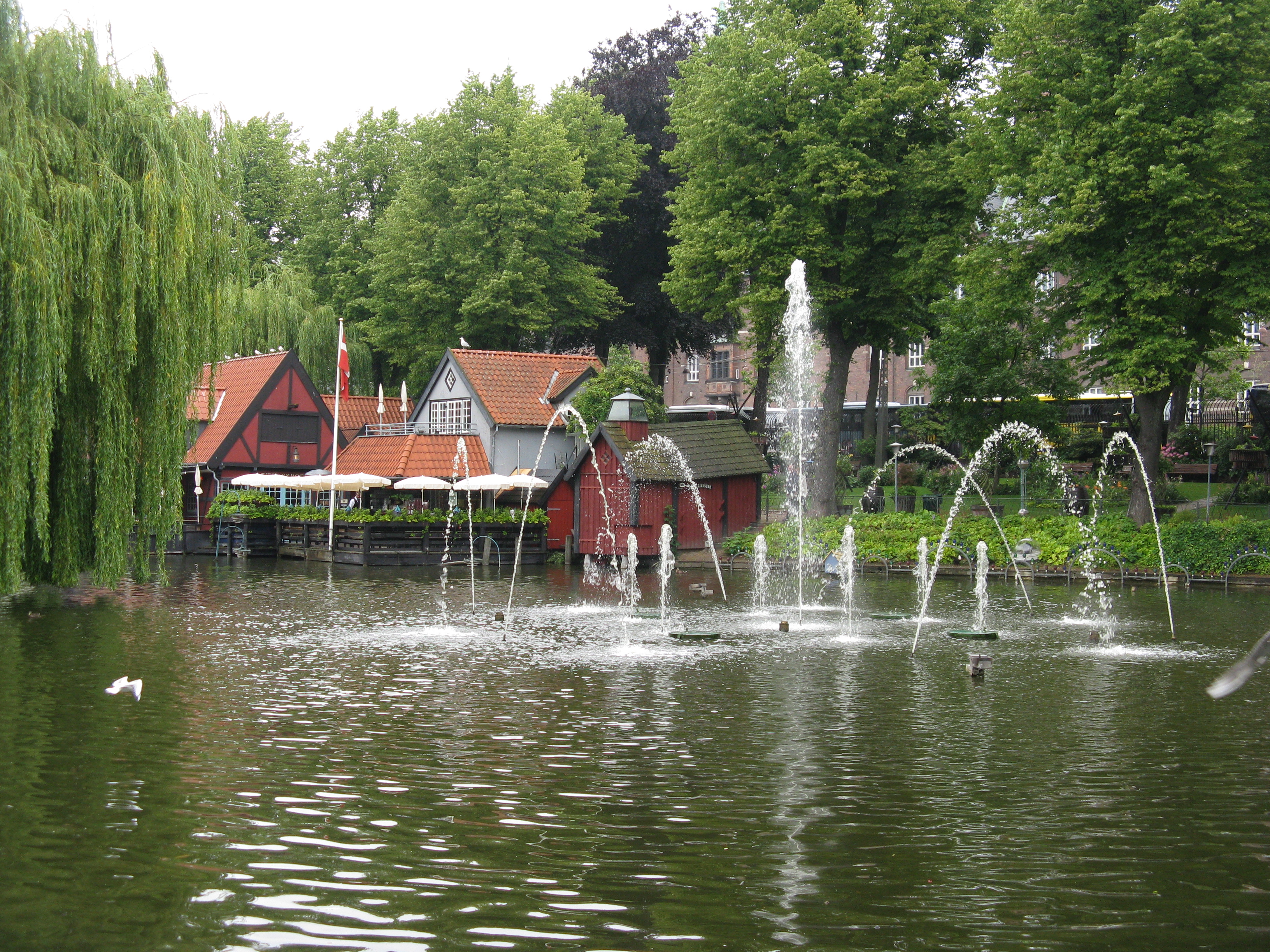
This is a picture of the Japanese garden with the roller coaster in the background. As you have probably guessed we didn’t go on this one.

The beautiful English rose garden, which was very colourful probably because of all the rain that it gets in Copenhagen.

Hans Christian Andersen
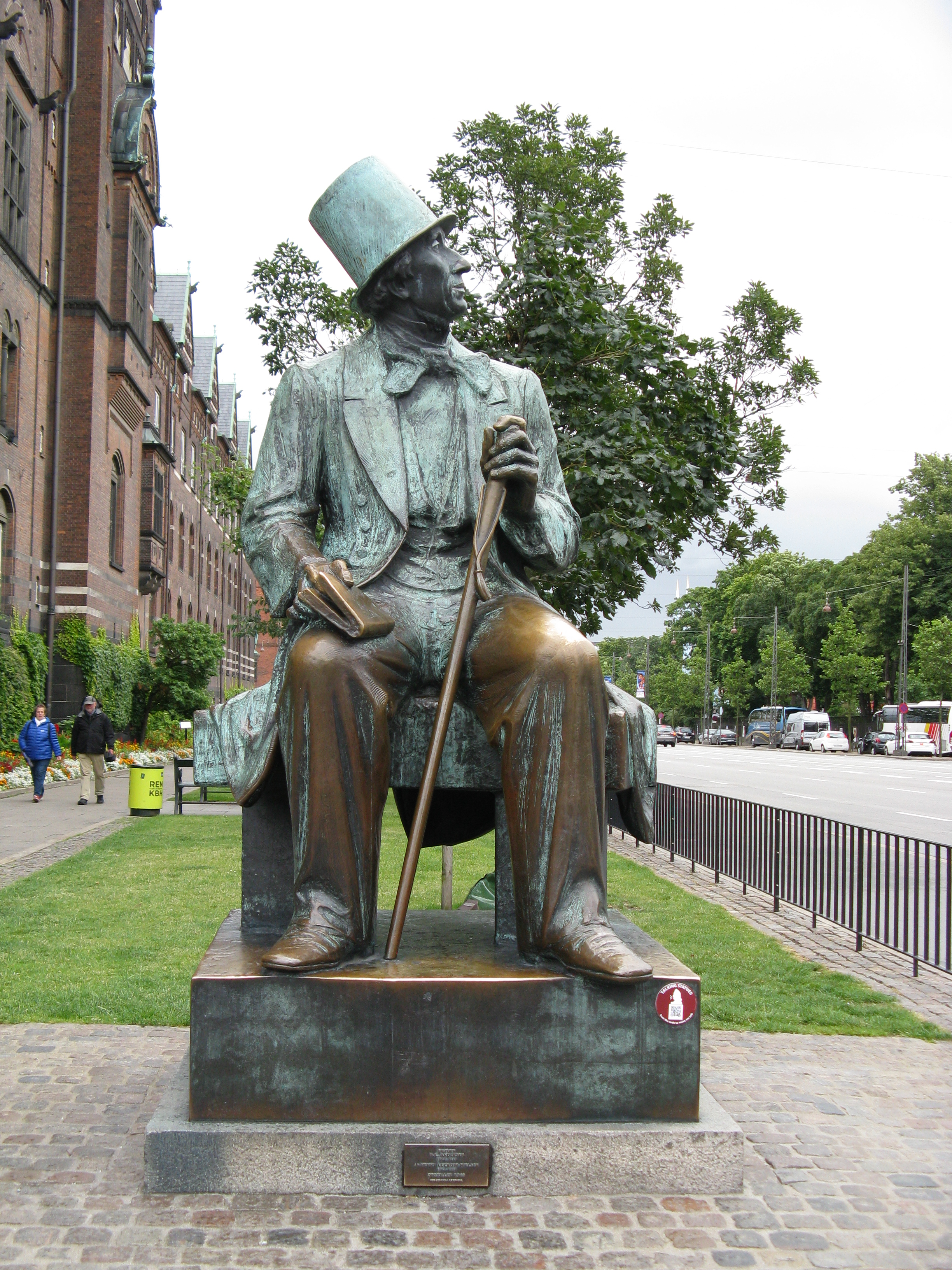
Hans Christian Andersen is often referred to in Scandinavia as H. C. Andersen and was born on 2 April 1805 and died on 4 August 1875). He is probably the most famous of Danish authors who was a prolific writer of plays, travelogues, novels, and poems, Andersen is though best remembered for his fairy tales. Some of his most famous fairy tales include “The Emperor’s New Clothes”, “The Little Mermaid”, “The Nightingale”, “The Snow Queen”, “The Ugly Duckling”, and many more.
The famous statue of Hans Christian Andersen very close to the city hall square.
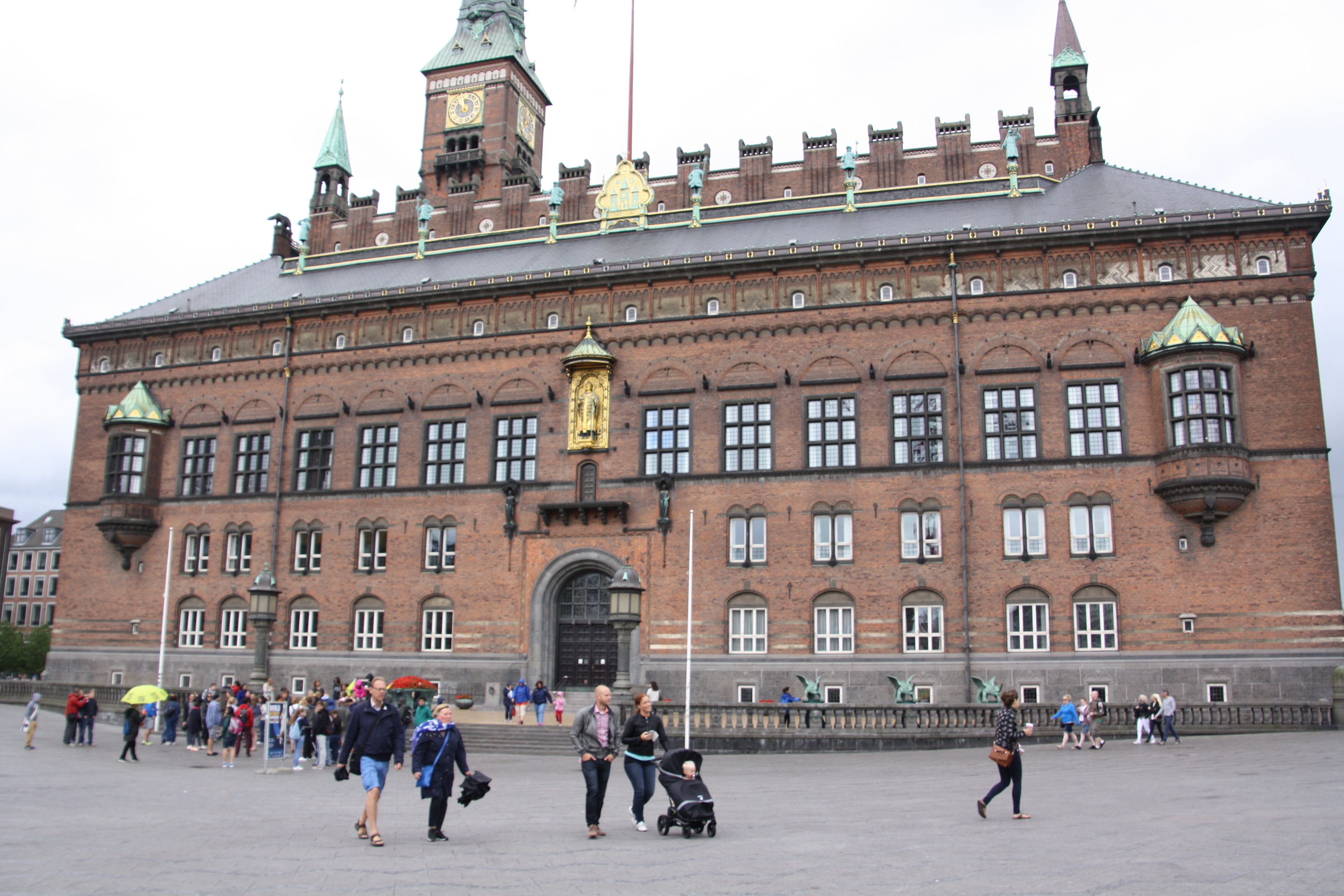
City Hall
Copenhagen City Hall is the headquarters of the municipal council as well as the Lord mayor of the Copenhagen Municipality.
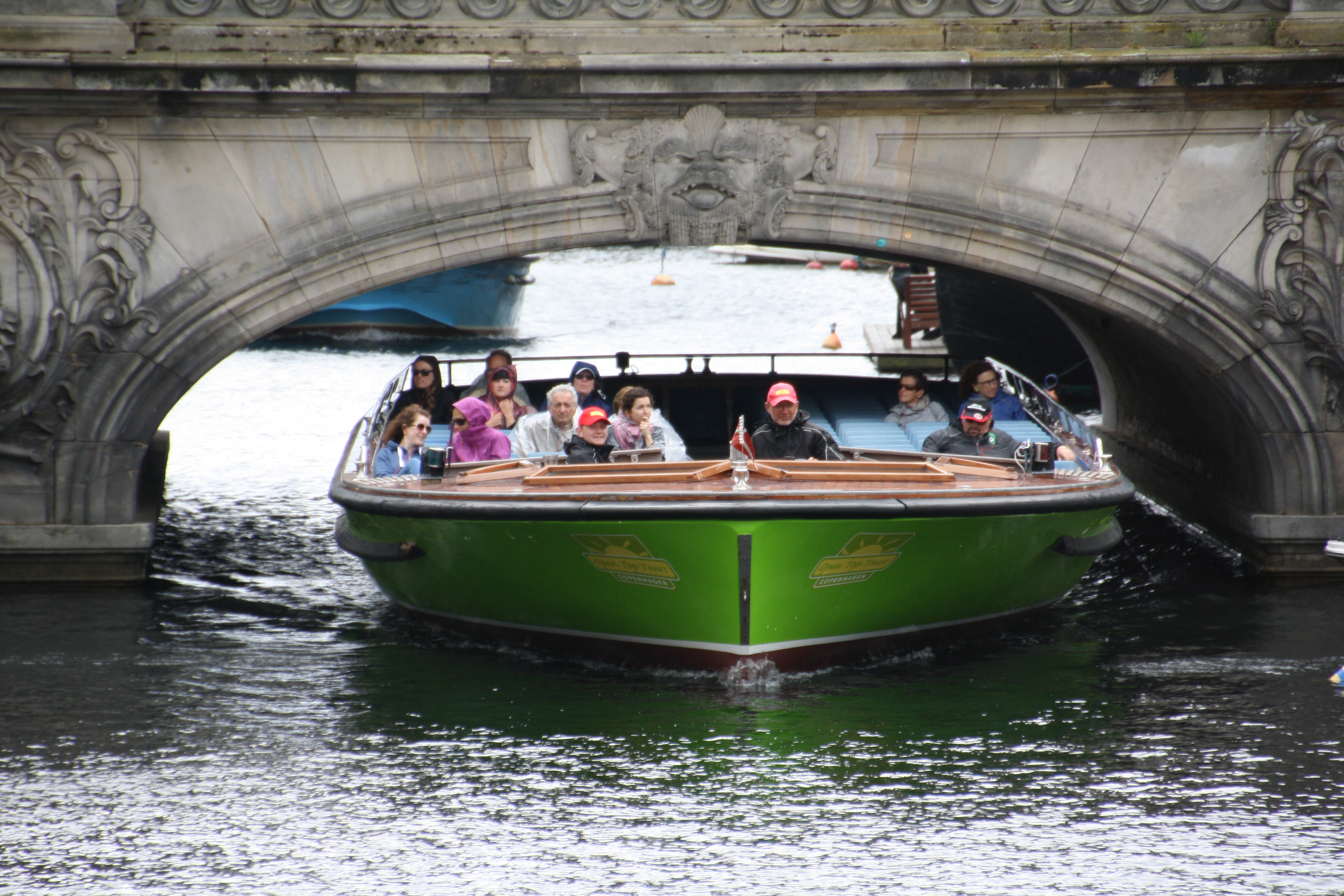
Canal Tours
There are various canal tours which go round the canals of Copenhagen.One thing to be aware of is that the bridges are low and even Heather and I had to duck as went under bridges.
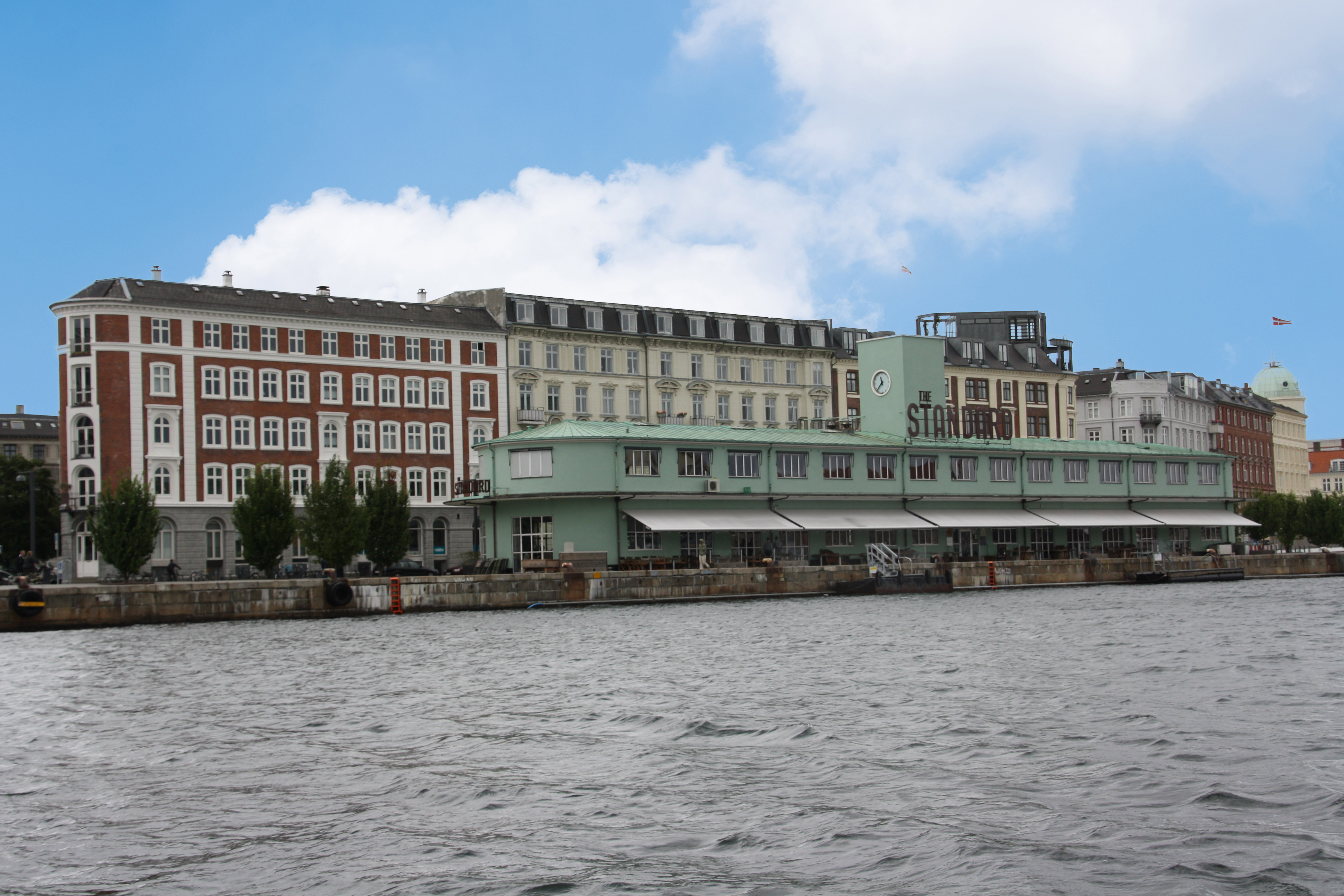
This art deco building, stands as a perfect example of International functionalism for its time. It was originally used as customs chamber, later as tickets office and waiting hall for passengers boarding the ferries to Sweden. This is now home to a famous Scandinavian jazz club.
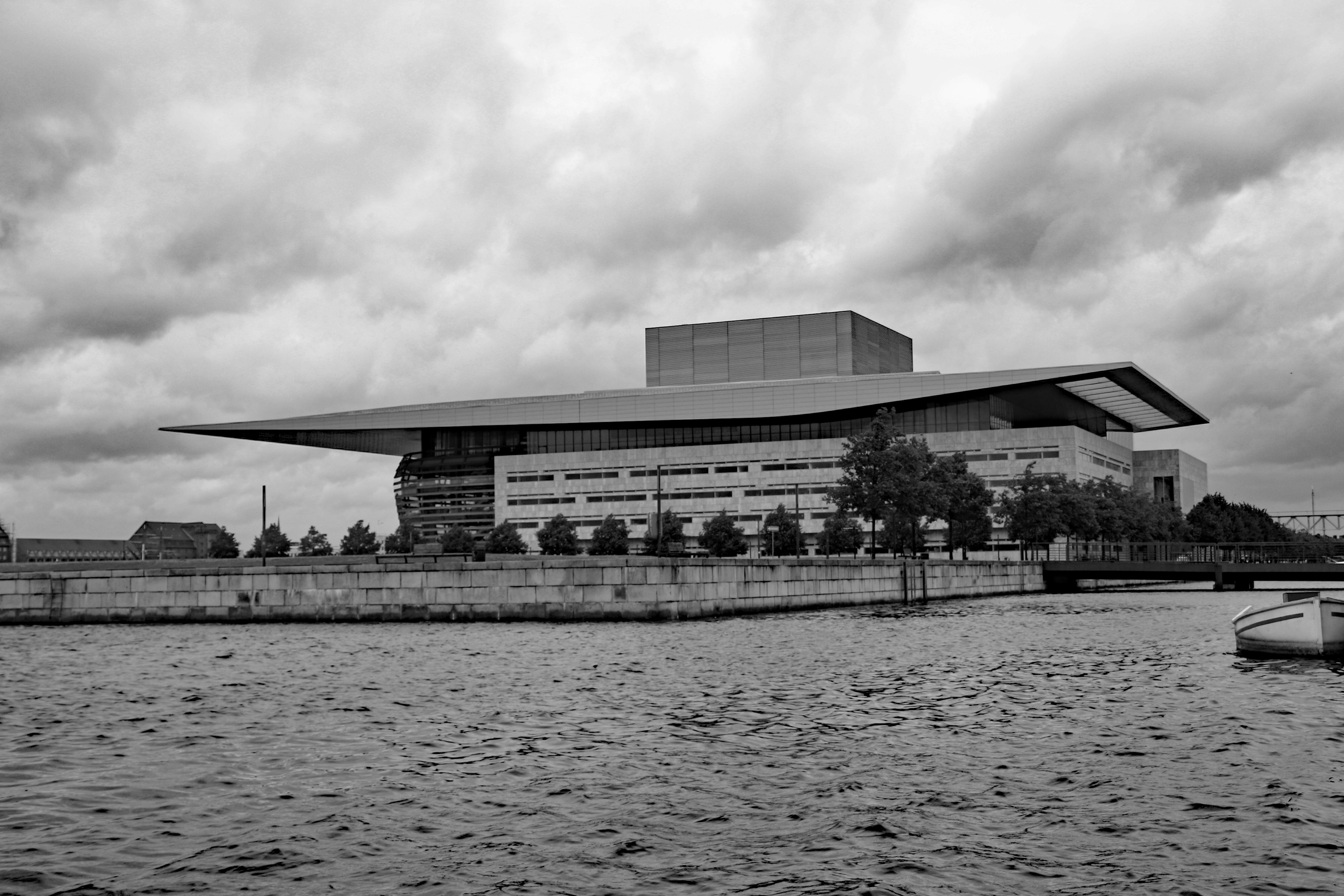
The Copenhagen Opera House is the national opera house of Denmark, and among the most modern opera houses in the world. It is also one of the most expensive opera houses ever built with construction costs well over US$500 million. It is located on the island of Holmen in central Copenhagen.
One of the many royal palaces in Copenhagen.

The little Mermaid
The Little Mermaid is a bronze statue by Edvard Eriksen, depicting a mermaid. The sculpture is displayed on a rock by the waterside at the Langelinie promenade. It appears much larger on pictures but in reality it is only 1.25 metres (4.1 ft) tall and weighs 175 kilograms (385 lb).
The statue is based on the fairy tale of the same name by Danish author Hans Christian Andersen, the small and unimposing statue is a Copenhagen icon and has been a major tourist attraction since it’s inceptionIn recent decades it has become a popular target for defacement by vandals and political activists.
The statue was commissioned in 1909 by Carl Jacobsen, son of the founder of Carlsberg, who had been fascinated by a ballet about the fairytale in Copenhagen’s Royal Theatre and asked the ballerina, Ellen Price, to model for the statue. The sculptor Edvard Eriksen created the bronze statue, which was unveiled on August 23, 1913.
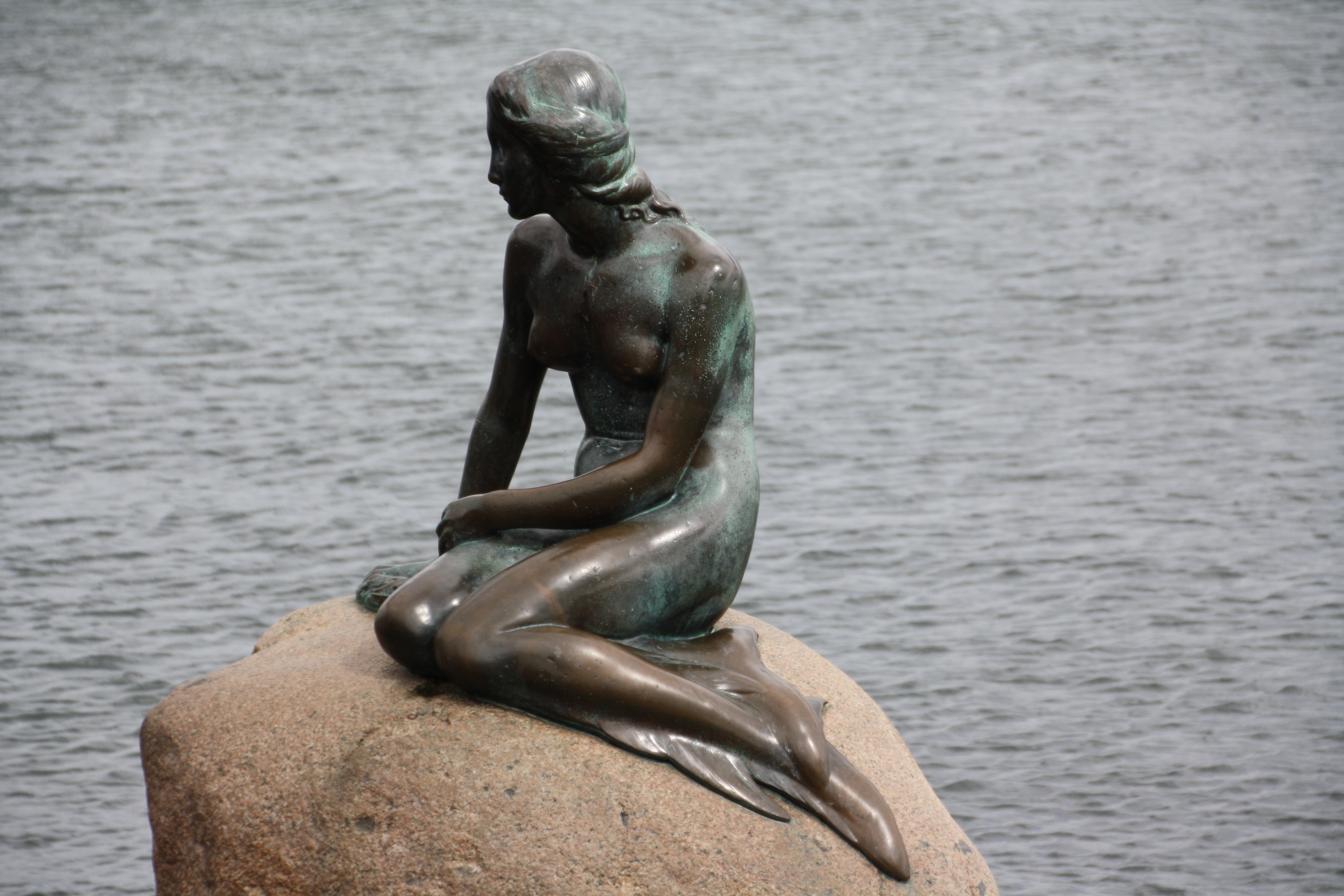
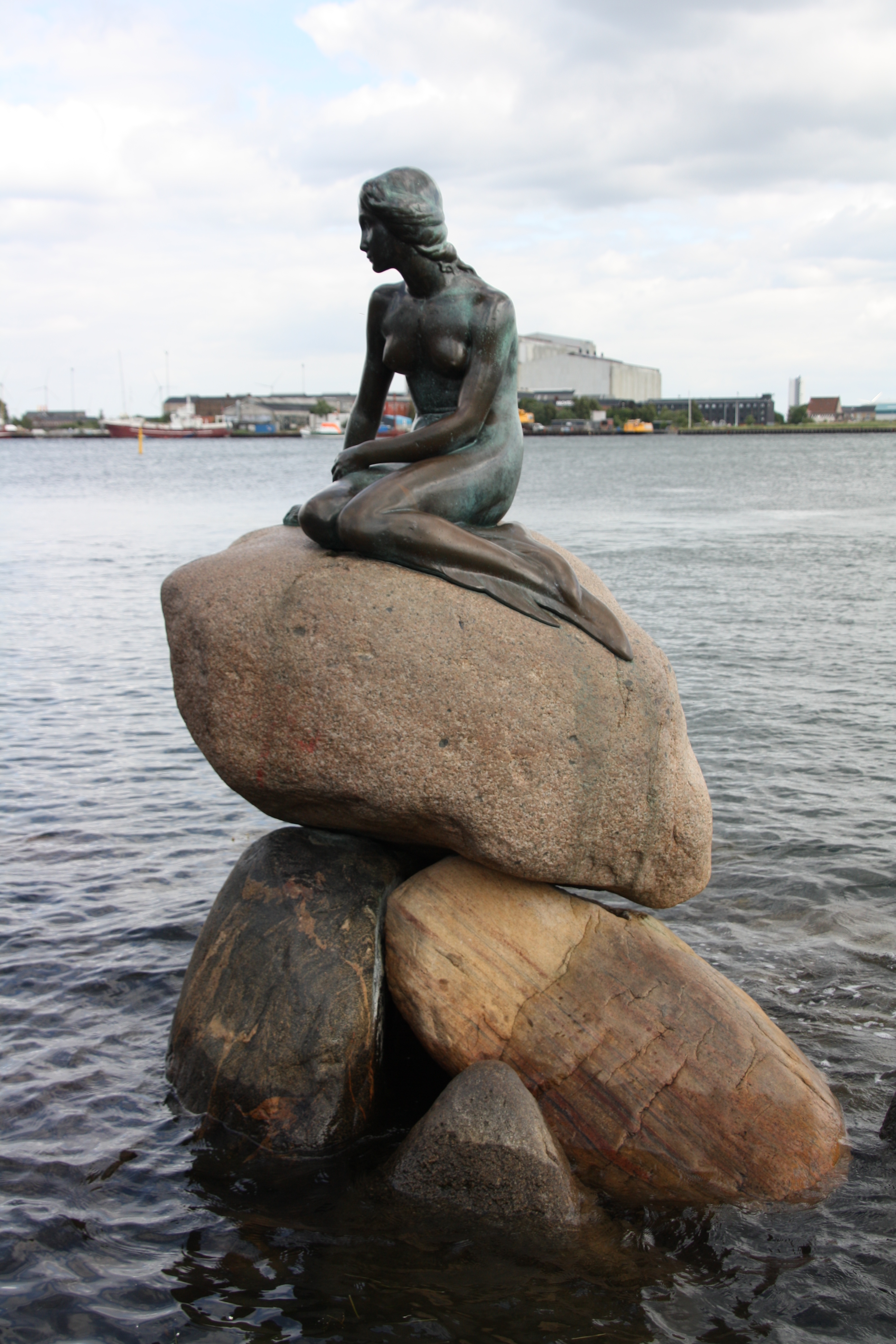
The plaque above commemorates the designer and the donor.

Anglican Church
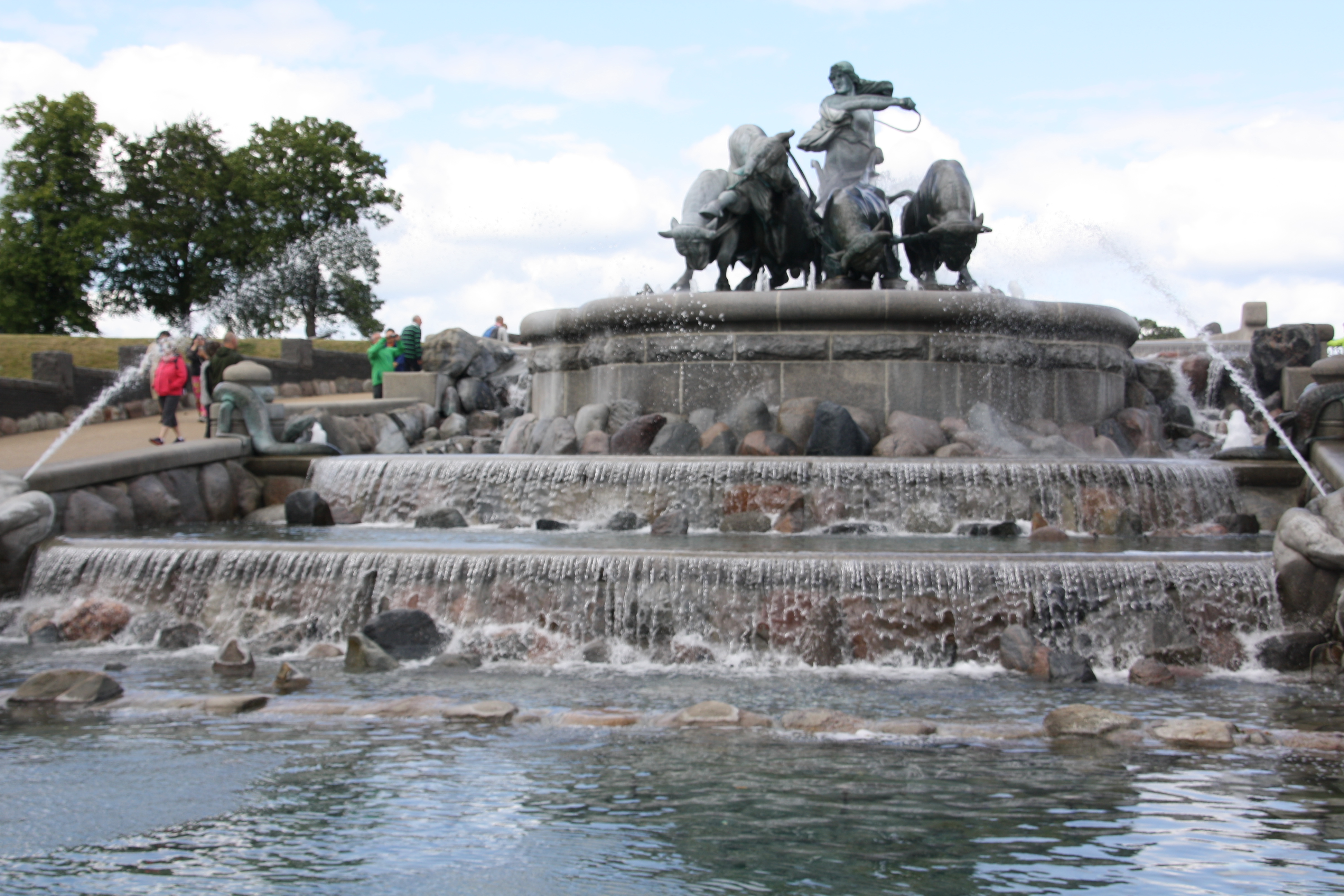
St. Alban’s Church, locally often referred to simply as the English Church. It was built from 1885 to 1887 for the growing English congregation in the city. Designed by Arthur Blomfield as a traditional English parish church in the Gothic Revival style, it is in a peaceful park setting at the end of Amaliegade in the northern part of the city centre, next to the citadel Kastellet and the Gefion Fountain and Langelinie.
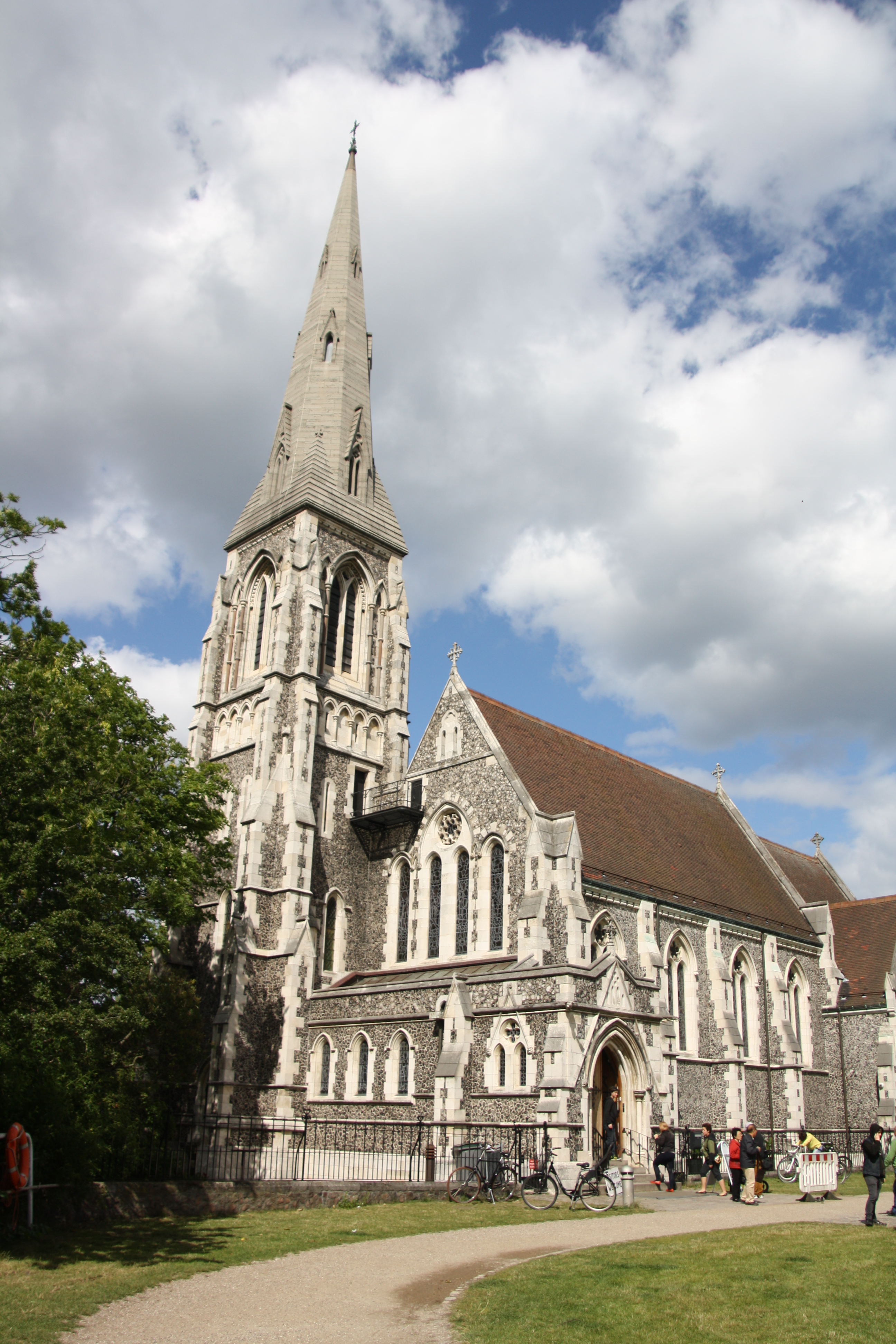
The Gefion Fountain
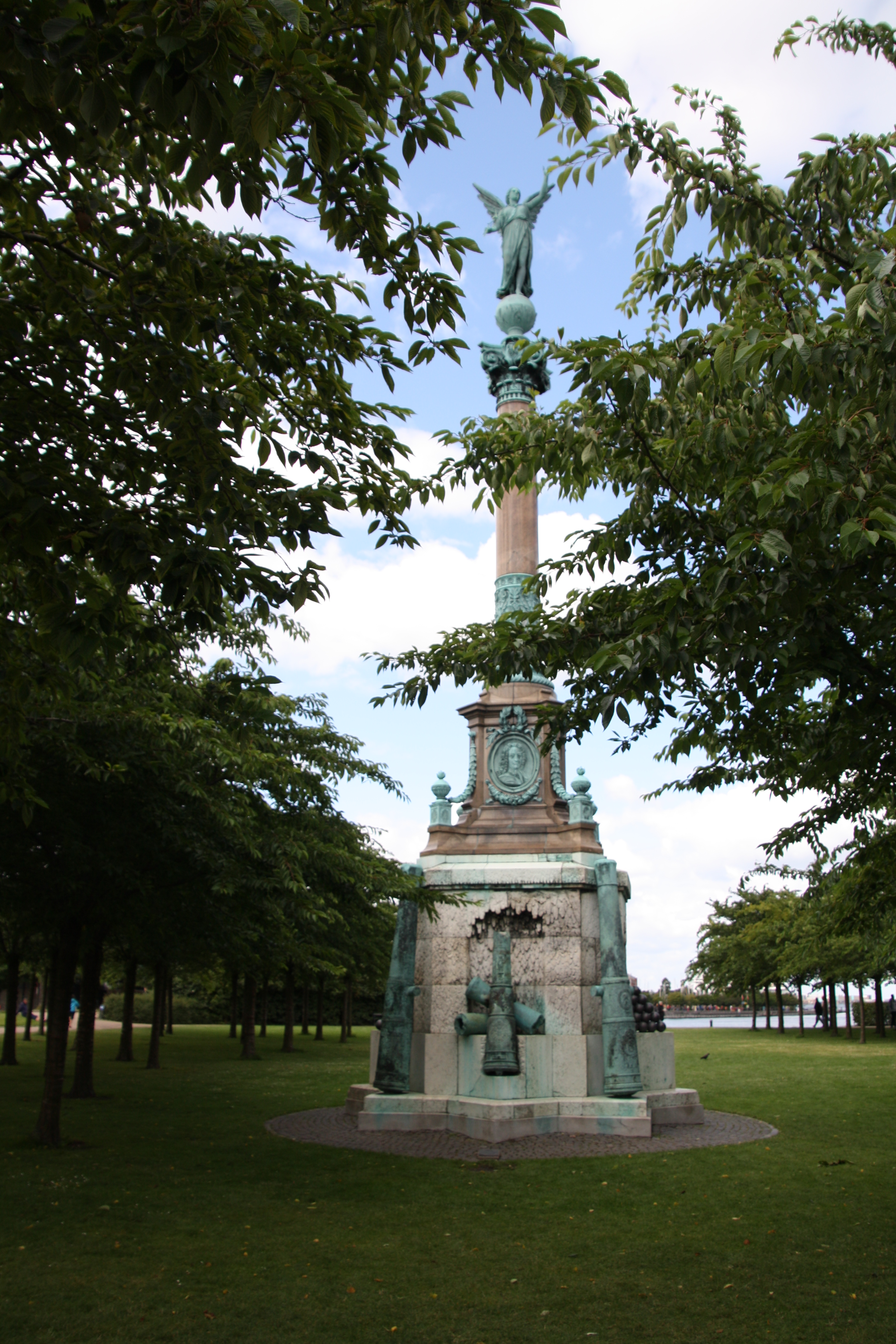
The Langelinie monument.
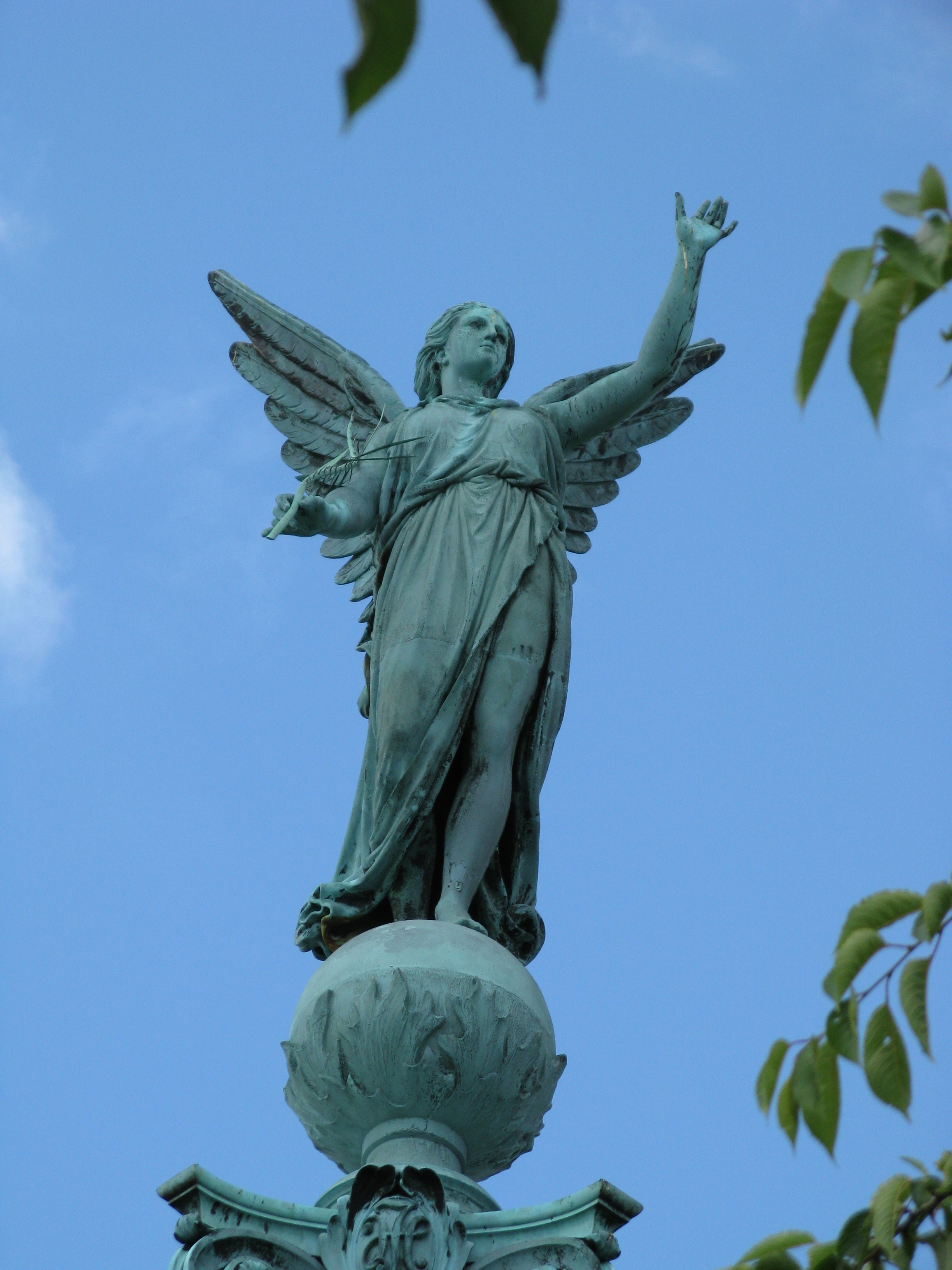
A close up of the top of the The Langelinie monument.
Carlsberg Factory
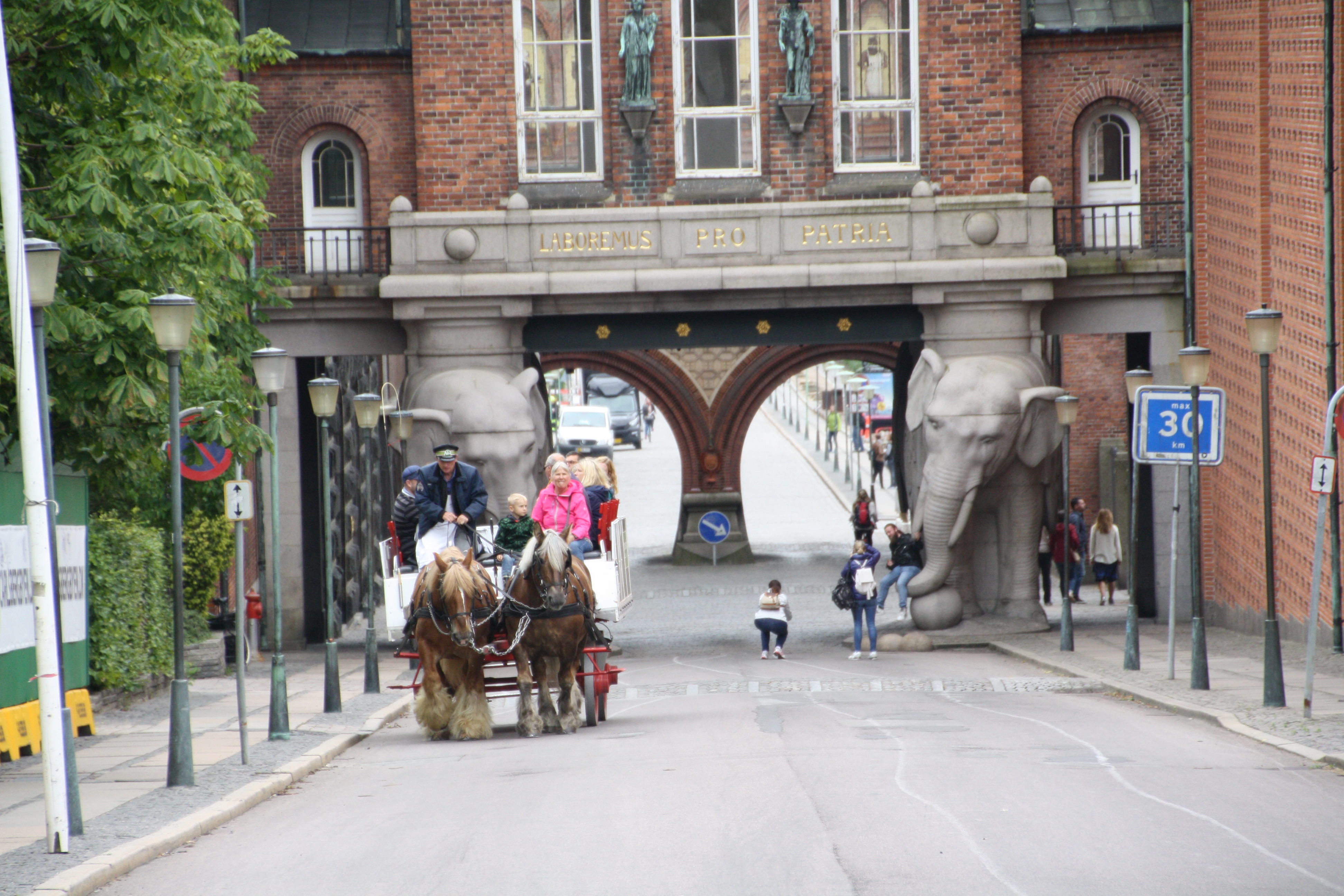
Carlsberg got its name from a concatenation of names being Carl, the owners son, and Berg, meaning hill.
The Carlsberg factory covered an area which straddles the border of Valby and Vesterbro districts approximately 1.5 miles from the City Hall Square. The area emerged when J.C. Jakobsen founded his original brewery in the district in 1847. The first brewing took place on November 11, 1847, and production has taken place continuously ever since, until October 30, 2008 when production was moved to Fredericia in Jutland. The Jacobsen House Brewery is however still located in the district and produces specialty beers. The entire brewery grounds spread over more than 30 hectare, and is currently being transformed into a new city district in Copenhagen.
This is the old brewery entrance.
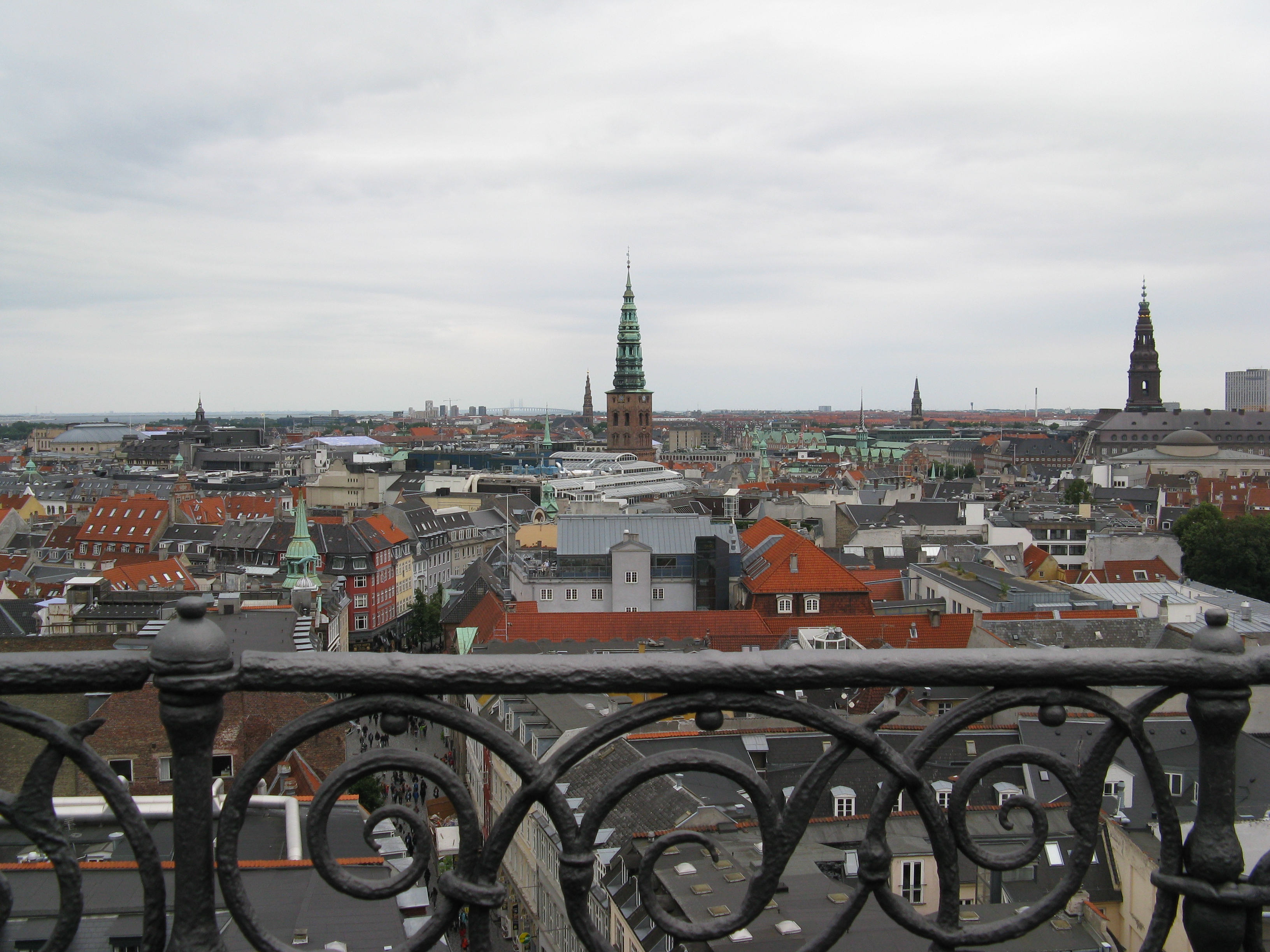
View from Rundertaarn
The Rundetårn, Round Tower, is a 17th-century tower and is one of the many architectural projects of Christian IV, it was built as an astronomical observatory. It is most noted for its equestrian staircase, a 7.5-turn helical corridor leading to the top, and for the expansive views it affords over Copenhagen
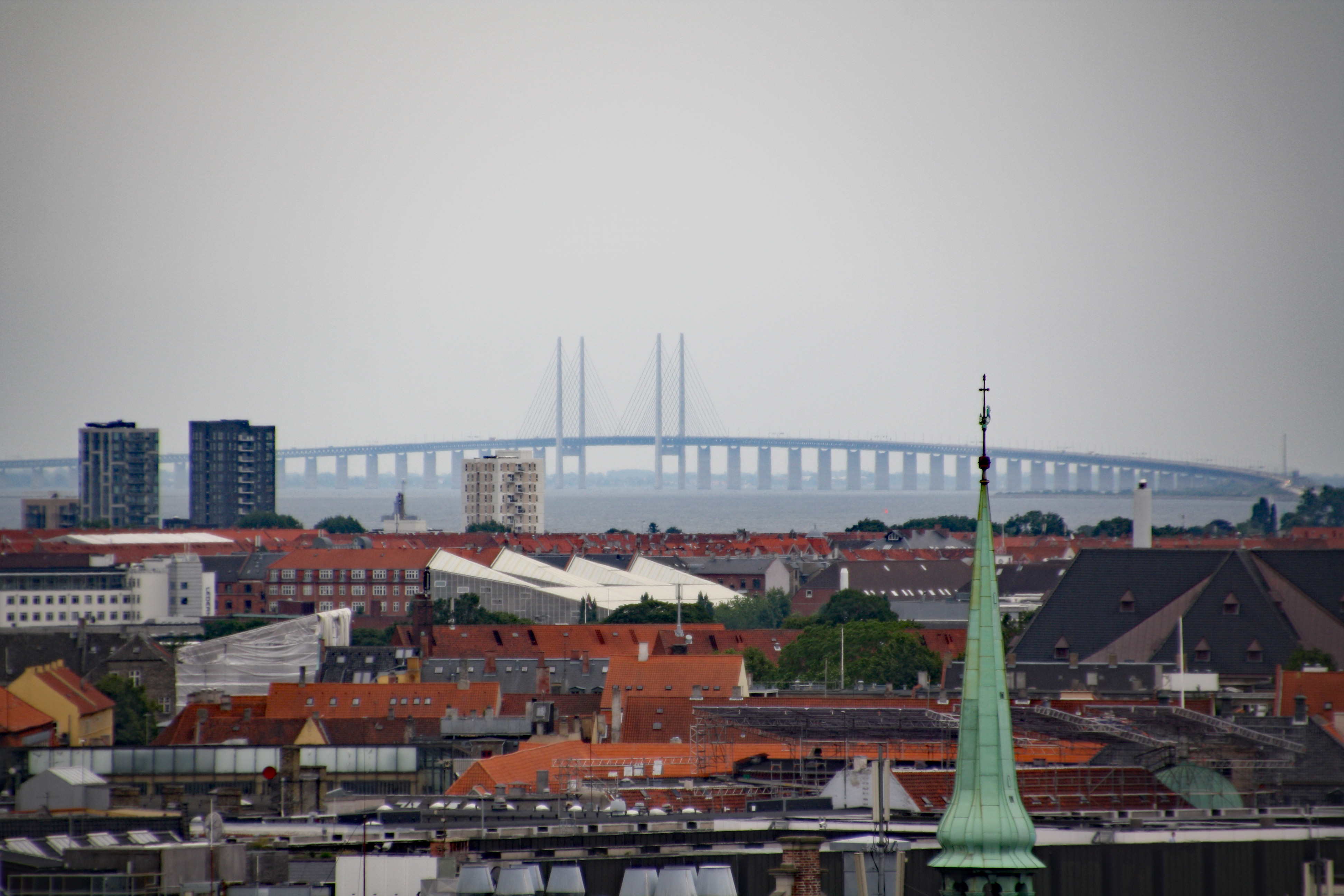
The Øresund Bridge in the picture is a double-track railway and motorway bridge across the Øresund strait between Scania (southernmost Sweden) and Denmark. The bridge runs nearly 8 kilometres (5 miles) from the Swedish coast to the artificial island of Peberholm, which lies in the middle of the strait. The crossing of the strait is completed by a 4 km (2.5-mile) underwater tunnel, called the Drogden Tunnel, from Peberholm to the Danish island of Amager. The term Øresund Bridge often includes this tunnel.
The Øresund Bridge is the longest combined road and rail bridge in Europe, and connects two major metropolitan areas: Copenhagen and the Swedish city of Malmö. It connects the road and rail networks of the Scandinavian Peninsula with those of Central and Western Europe. A data cable also uses the bridge to carry all Internet data transmission for Finland.
Frederiksborg Palace
Frederiksborg Castle is a palatial complex in Hillerød. It was built as a royal residence for King Christian IV in the early 17th century, replacing an older castle acquired by Frederick II and becoming the largest Renaissance residence in Scandinavia. After a serious fire in 1859, the castle was rebuilt on the basis of the old plans, work being completed in 1864.
Situated on three islets in the Slotssøen lake, it is adjoined by a large formal garden in the Baroque style. The castle is home to the Danish Museum of National History.
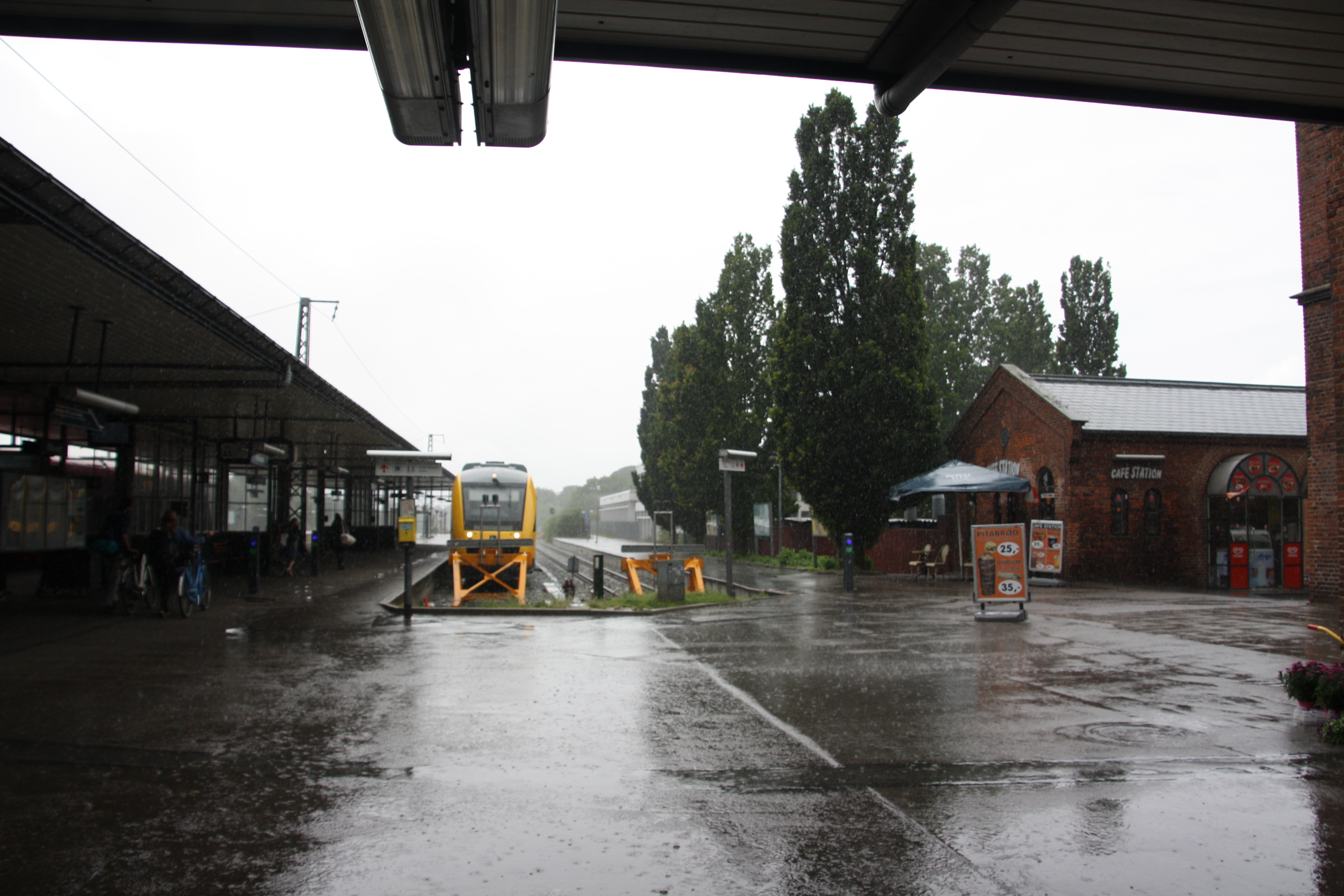
However we only got as far as Hillerod train station where a thunderstorm met us. We went to the café for a drink in the hope that the weather would clear. It didn’t so we got the next train back to Copenhagen.
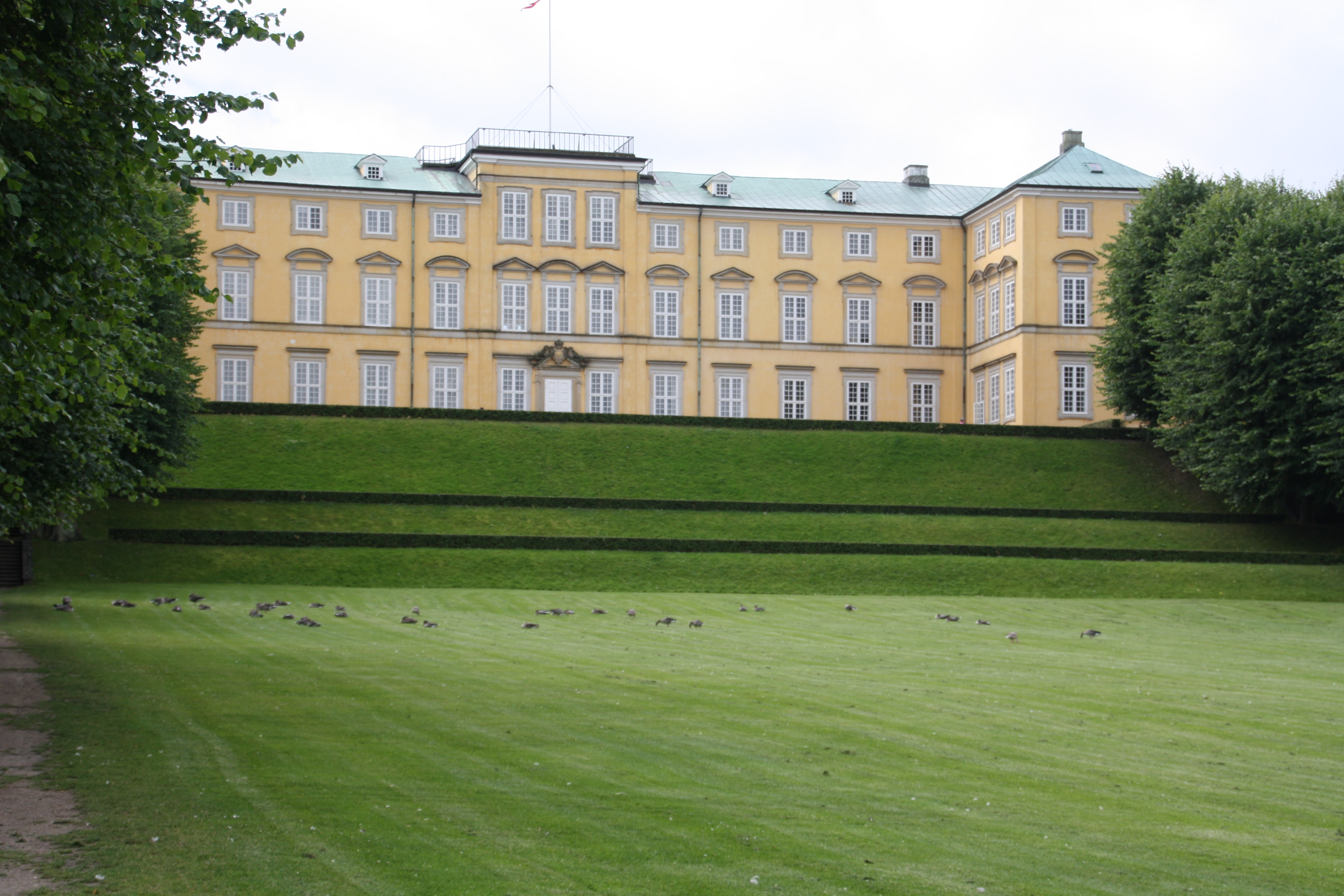
Frederiksberg Castle and Gardens
Frederiksberg is a town, the Frederiksberg Municipality, in Denmark’s Capital City Region. It is surrounded by but separate from Copenhagen. There is no visible border between Frederiksberg and the other districts of Copenhagen, and the town is informally considered to be a part of Copenhagen. For instance, the Copenhagen Zoo as well as several stations of the Copenhagen Metro lie within it.
The palace has a large number of paths which cover the whole park. It is more like a city park than palace gardens.

One of the many fountains, lakes and bridges.

This is the palace from the south.
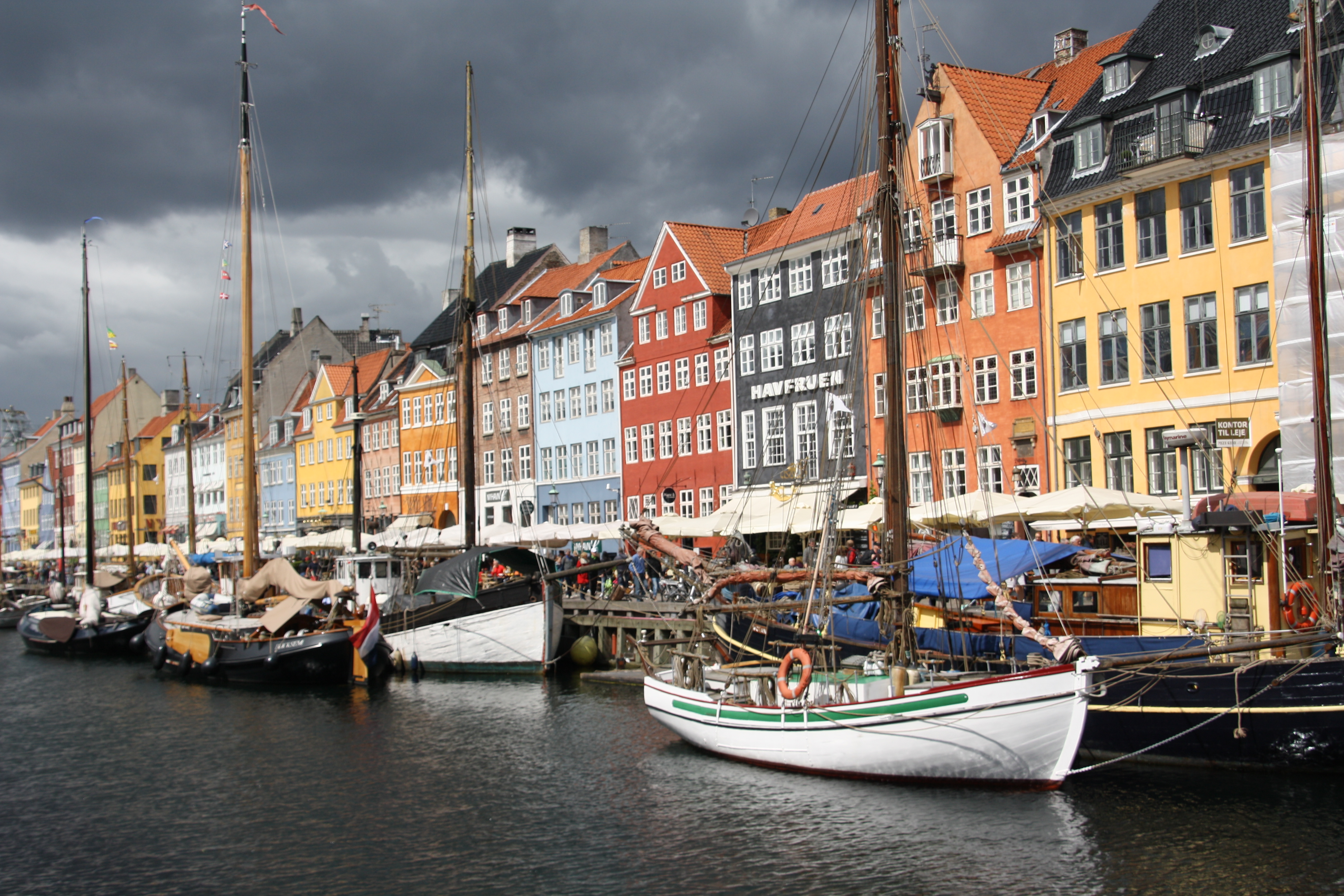
Nyhavn
Nyhavn, New Harbour, is a 17th-century waterfront, canal and entertainment district. Stretching from Kongens Nytorv to the harbour front just south of the Royal Playhouse, it is lined by brightly coloured 17th and early 18th century townhouses and bars, cafes and restaurants. Serving as a “heritage harbour”, the canal has many historical wooden ships.
This is one of the most pictured place in Copenhagen along with the little mermaid.
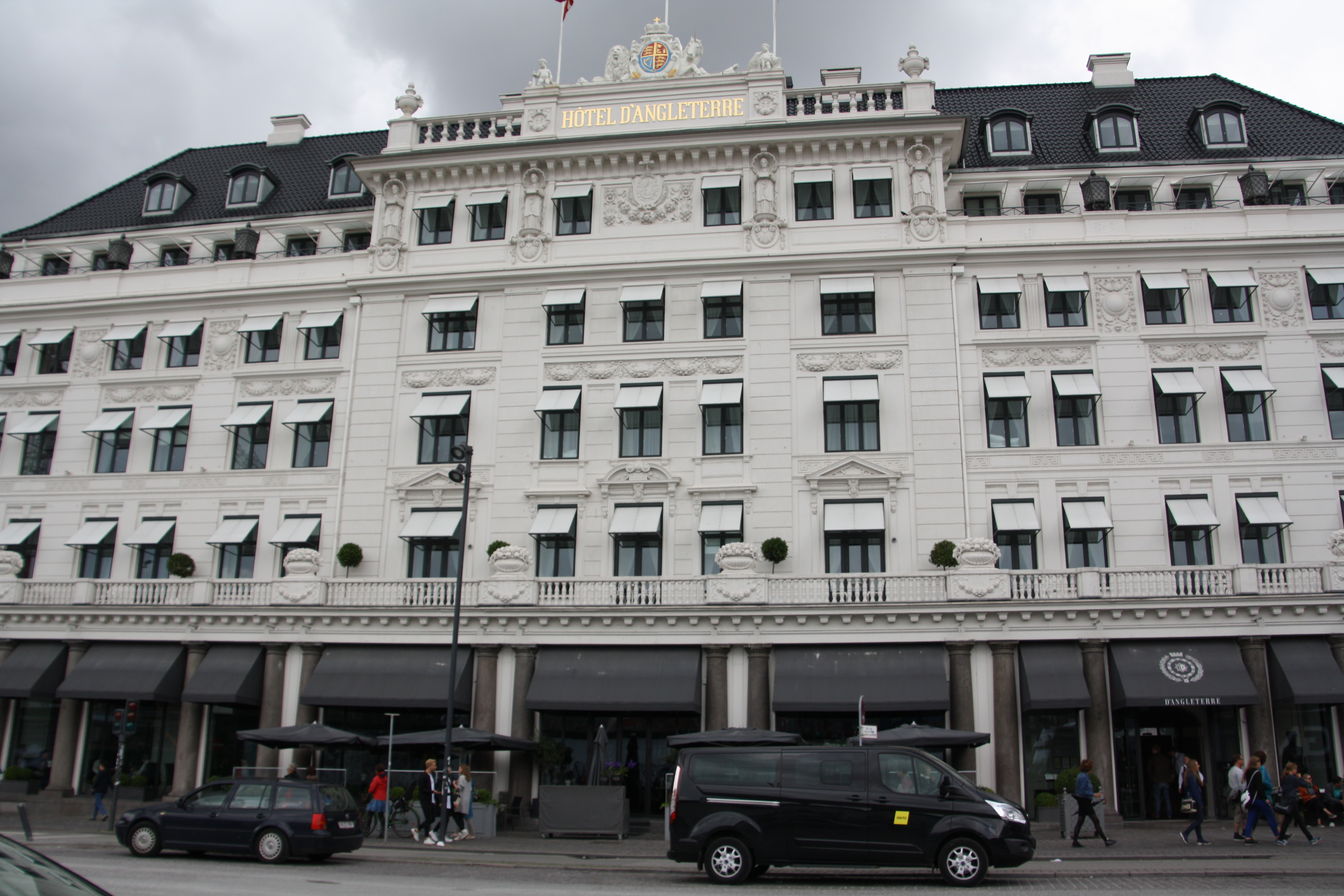
Most Expensive Hotel in Copenhagen
This is the hotel D’angleterre which is the most expensive hotel in Copenhagen, it is even more expensive than the Tivoli hotel. We didn’t even look at this one.
Small Café across the road
This was the closest we got to the hotel. We sat and had a coffee, Heather had sprite because they didn’t understand black tea with milk.

Christianhaven
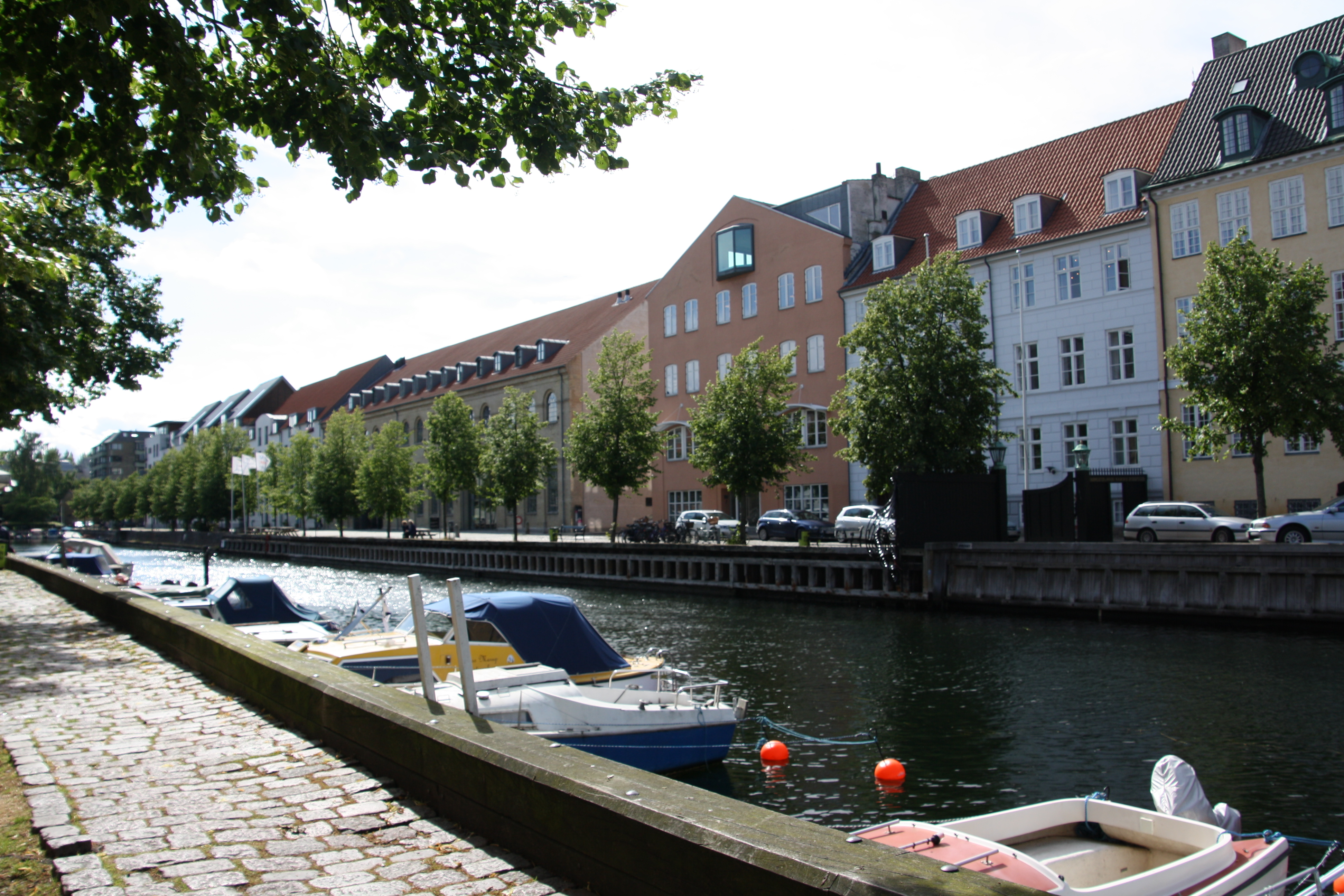
Christianshavn is a neighbourhood located in the east of Copenhagen. It was founded in the early 17th century by Christian IV as part of his extension of the fortifications of Copenhagen. Originally, it was laid out as an independent privileged merchant’s town with inspiration from Dutch cities but it was soon incorporated into Copenhagen proper. Dominated by canals, it is the part of Copenhagen with the most nautical atmosphere.
For much of the 20th century a working-class neighbourhood, Christianshavn developed a bohemian reputation in the 1970s and it is now a fashionable, diverse and lively part of the city with its own distinctive personality, with residents tending to see themselves first as Christianshavners and then as Copenhageners. Businessmen, students, artists, hippies and traditional families with children live side-by-side.
The canal at Christianshavn in the sun.
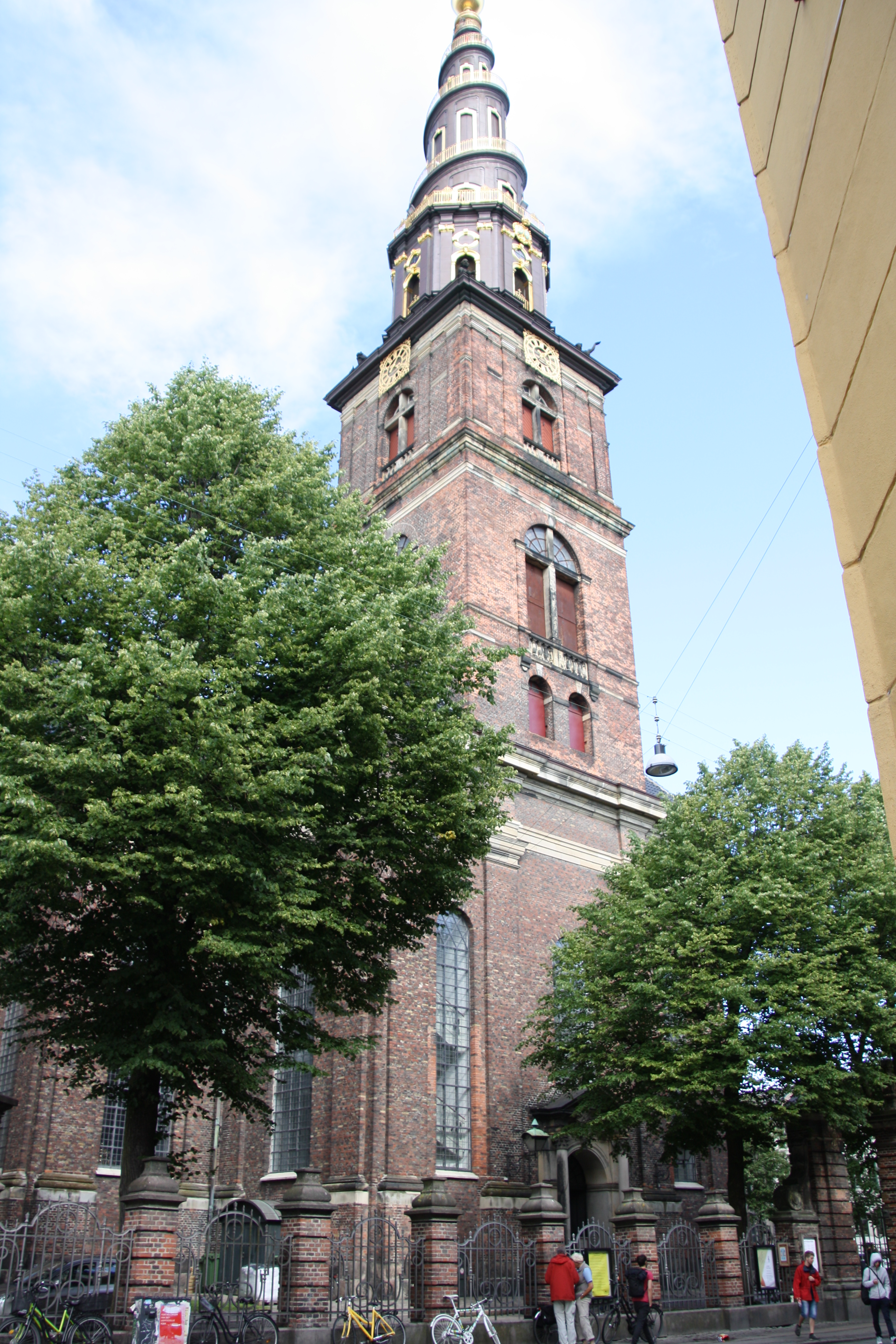
This is the Church of Our Saviour which is a baroque church, most famous for its helix spire with an external winding staircase that can be climbed to the top, offering extensive views over central Copenhagen. It is also noted for its carillon, which is the largest in northern Europe and plays melodies every hour from 8 am to midnight.
This is rush hour in Copenhagen.
Carlsberg – As they say in the advert “this is probably the best beer in the world”
What the advert doesn’t say is that it is also probably the most expensive beer in the world? We found this out when we were charged 160 DKK, which equates to £16.00. Luckily we found some much cheaper places to enjoy a local beer in the sun, or rain.
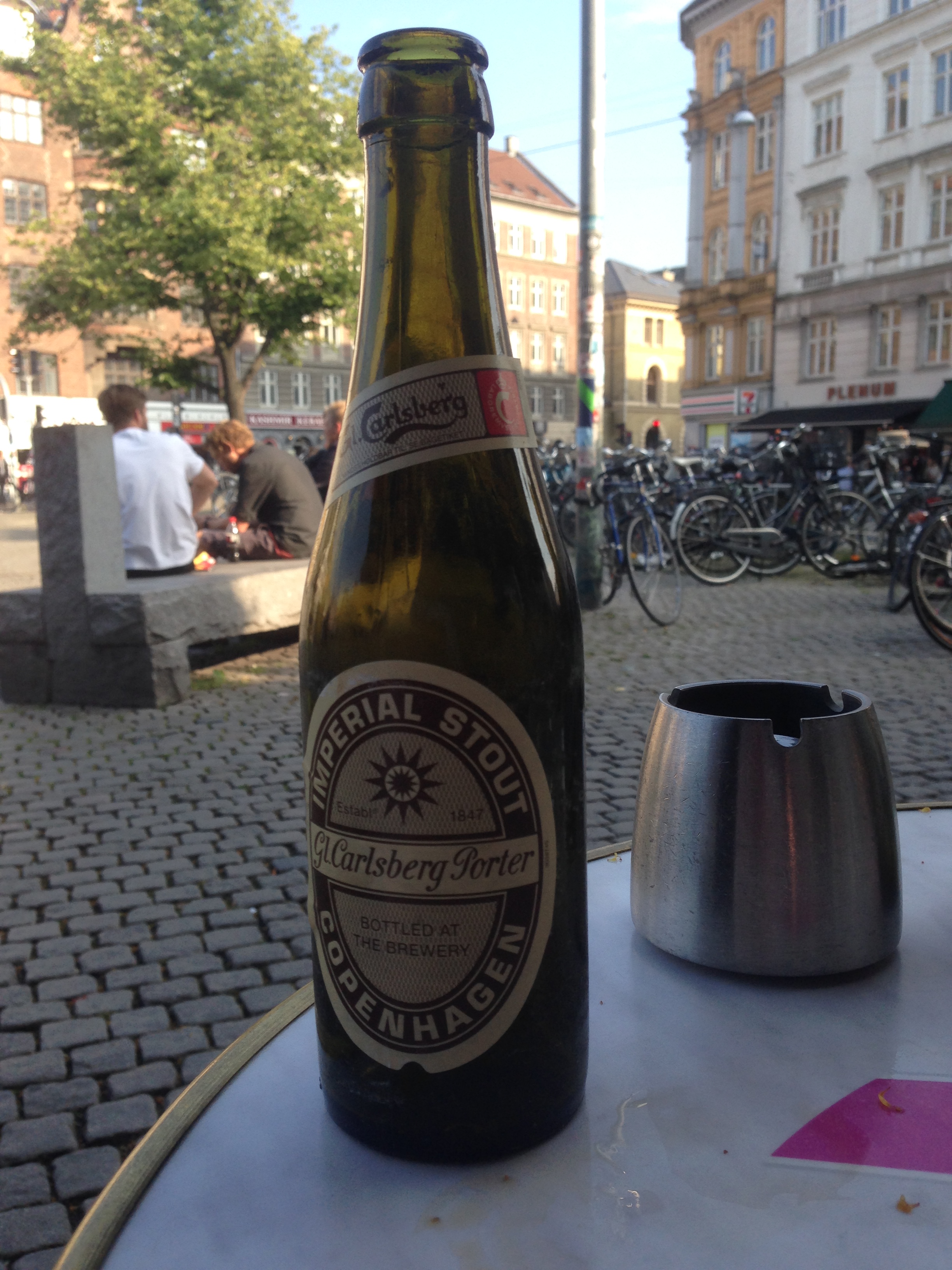
I had to try this, it is porter beer made by Carlsberg which you don’t get in the UK. It was only after I order it that I realised that it was 8.2% alcohol.
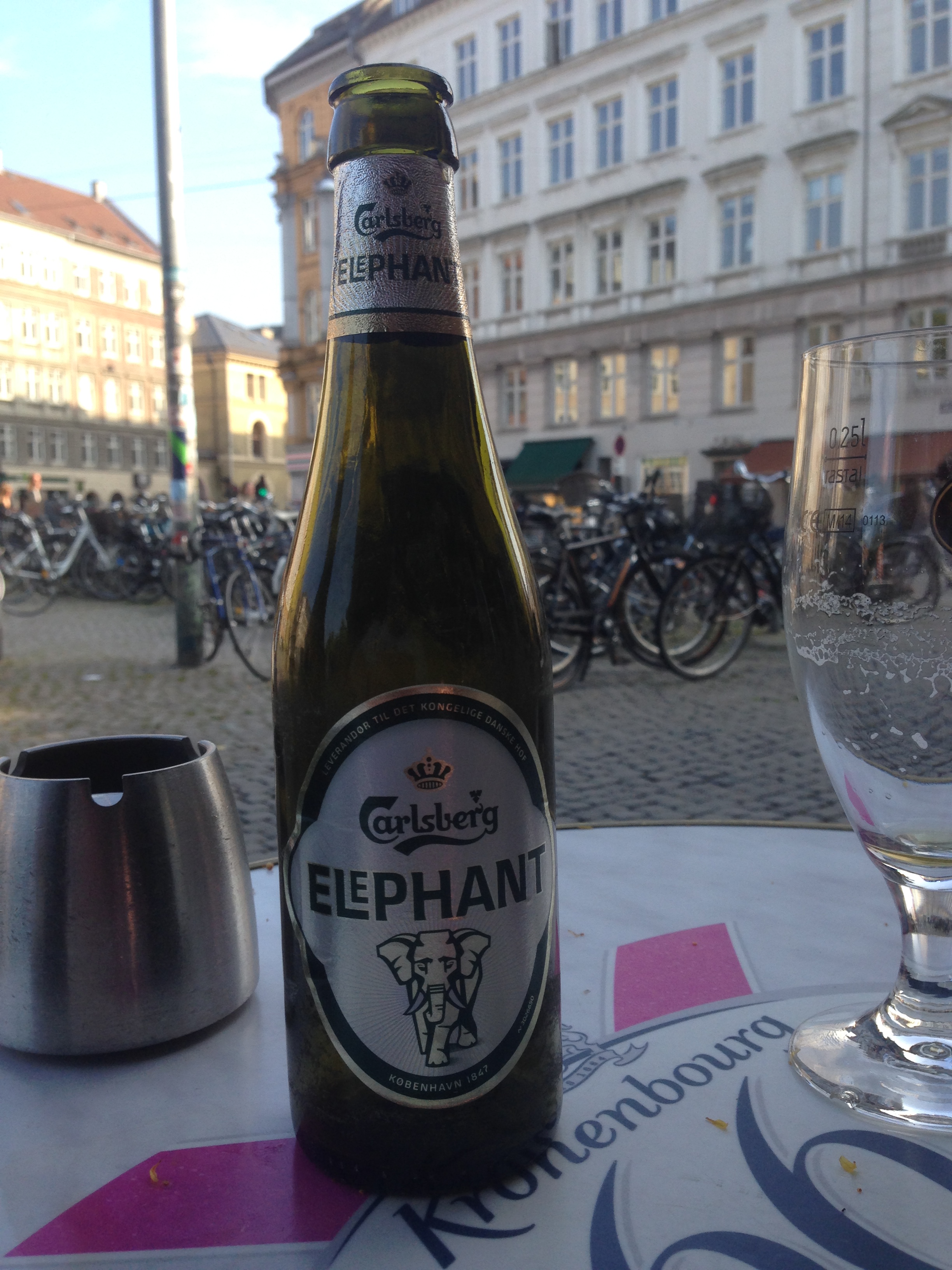
Heather went for the light beer which was only 7.2% alcohol.
 Heather and Keith's travels