This is probably one of those places that we would have never visited if we hadn’t decided on the challenge of visiting every capital city in Europe. The only things I knew about Luxembourg were:
- Radio Luxembourg, frequency 208 on the Medium Wave, used to be broadcast to the UK.
- Part of the European parliament is there.
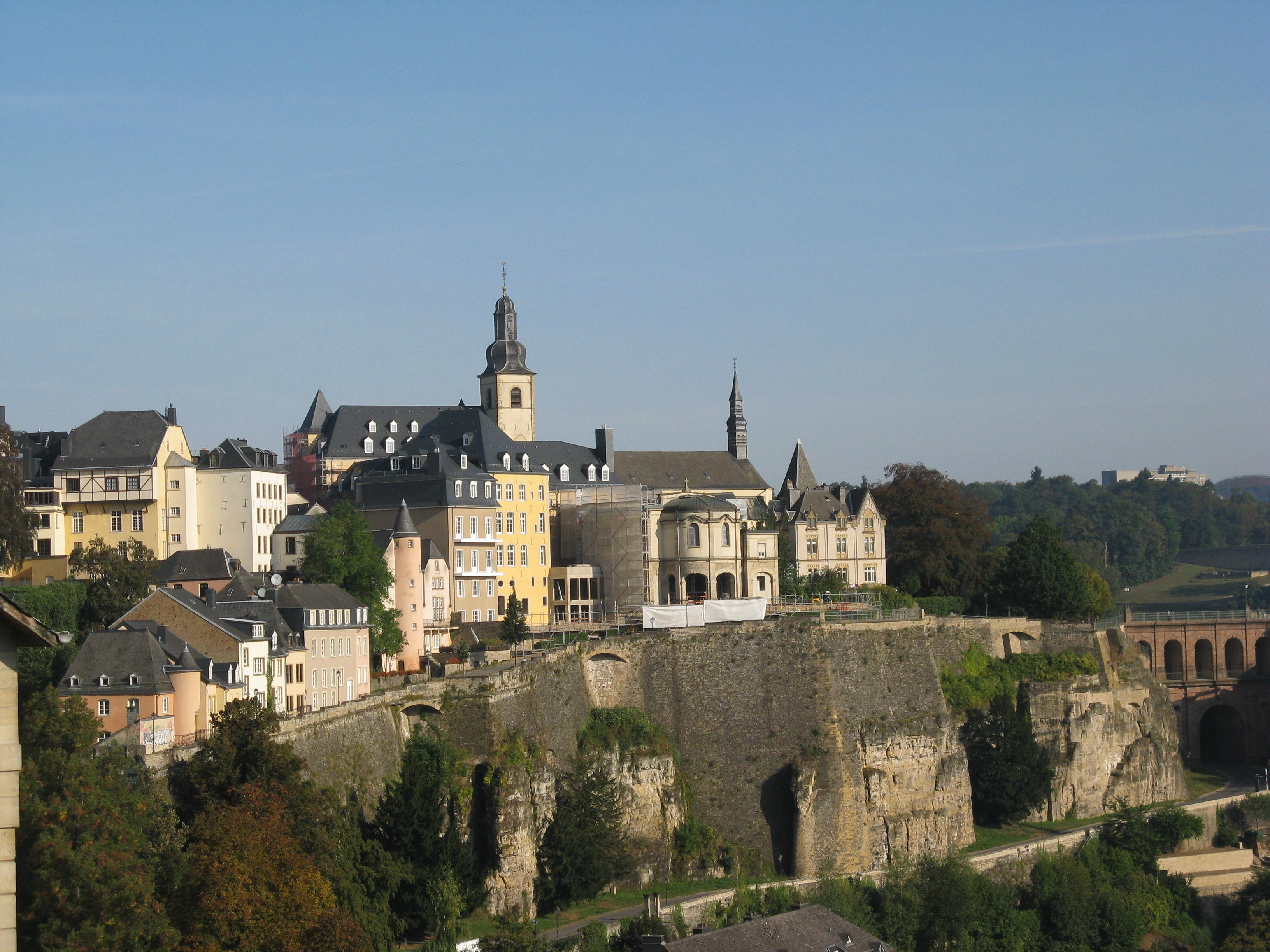
Luxembourg City sits high on promontory overlooking the deep cut valleys of the Petrusse and Alzette rivers. These gorges were the key to the city’s defence from AD 963 when Count Sigefroi (or Siegfried) of Ardennes built a castle here. Luxembourg eventually grew to become one of Europe’s strongest fortresses, earning the nickname ‘Gibraltar of the North’. In 1867 the majority of the fortifications were removed as part of a treaty to reduce tensions between France and Germany, though a remarkable mass of bastion remnants and tunnels survives, providing visitors with spectacular viewpoints overlooking the old quarters of Clausen, Pfaffenthal and the Grund.
We were surprised how beautiful Luxembourg City is. The city is very small and easily covered in a short break. There is a mixture of expensive and inexpensive shops and restaurants. It is a very clean and friendly and a lovely place to visit.
We visited in September 2016 and stayed at the Grand Hotel Cravat.
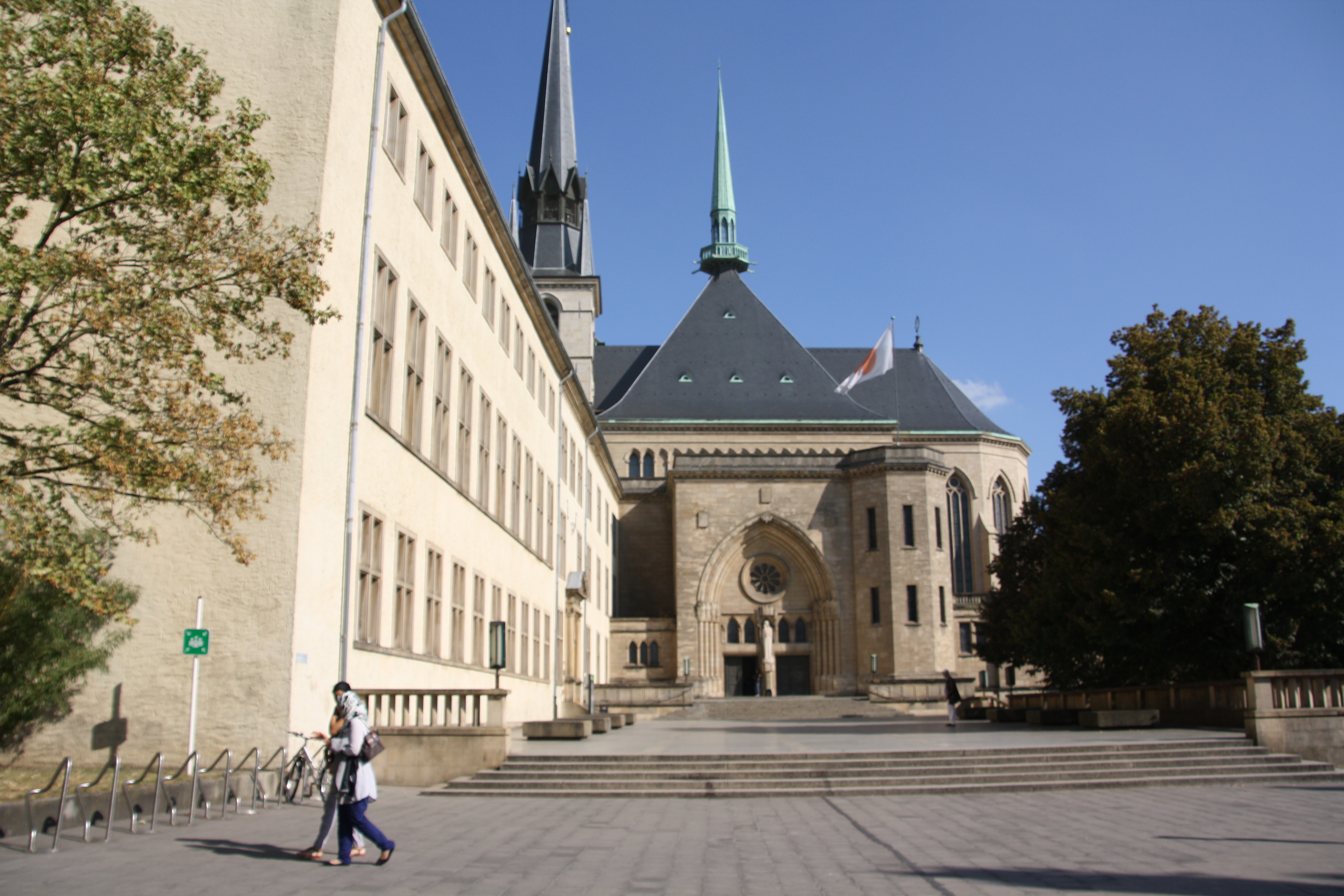
Notre-dame Cathedral
Notre-Dame Cathedral is the Roman Catholic Cathedral of Luxembourg City. It was originally a Jesuit church, and its cornerstone was laid in 1613. It is the only cathedral in Luxembourg.
The church is a noteworthy example of late gothic architecture; however, it also has many Renaissance elements and adornments. At the end of the 18th century, the church received the miraculous image of the Maria Consolatrix Afflictorum, the patron saint of both the city and the nation.
On Good Friday, 5 April 1985, around mid-day, work on the roof caused the west tower to catch fire. The church bells, i.e. the Virgin Mary bell, the Willibrord bell, the Peter bell, and the Cunigunde bell were destroyed in the fire. When the tower collapsed, the roof of the central aisle was also partly damaged. It took until 17 October 1985 for the tower to be repaired.
The crypt of the Cathedral contains the remains of members of the Grand-Ducal family.
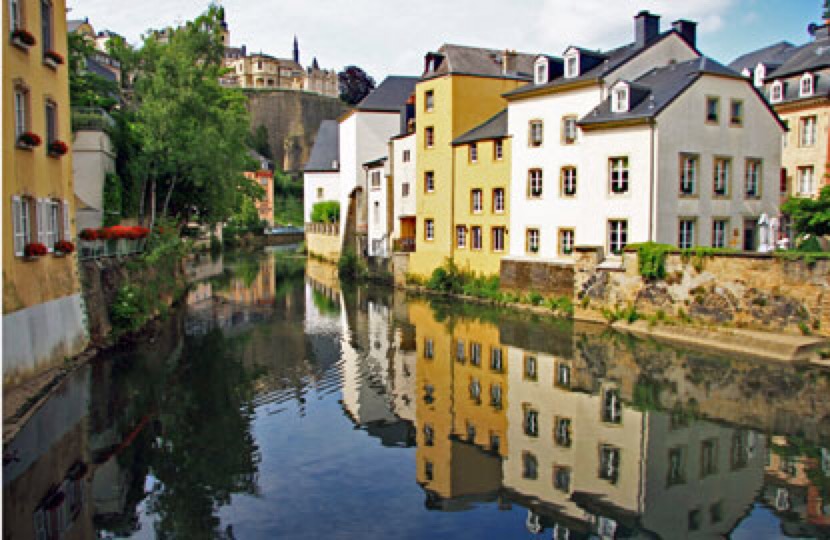
GRUND
An impossibly picturesque little neighborhood, the Grund is deep down in the gorge, and some of the stone houses are built directly into the rock faces. Highlights include a fifteenth-century bridge, ancient stone fortifications, terraced gardens and vineyards, a satisfying assortment of pubs and restaurants, a miniature golf course and a miniature train (for miniature passengers), and acres upon acres of parkland.
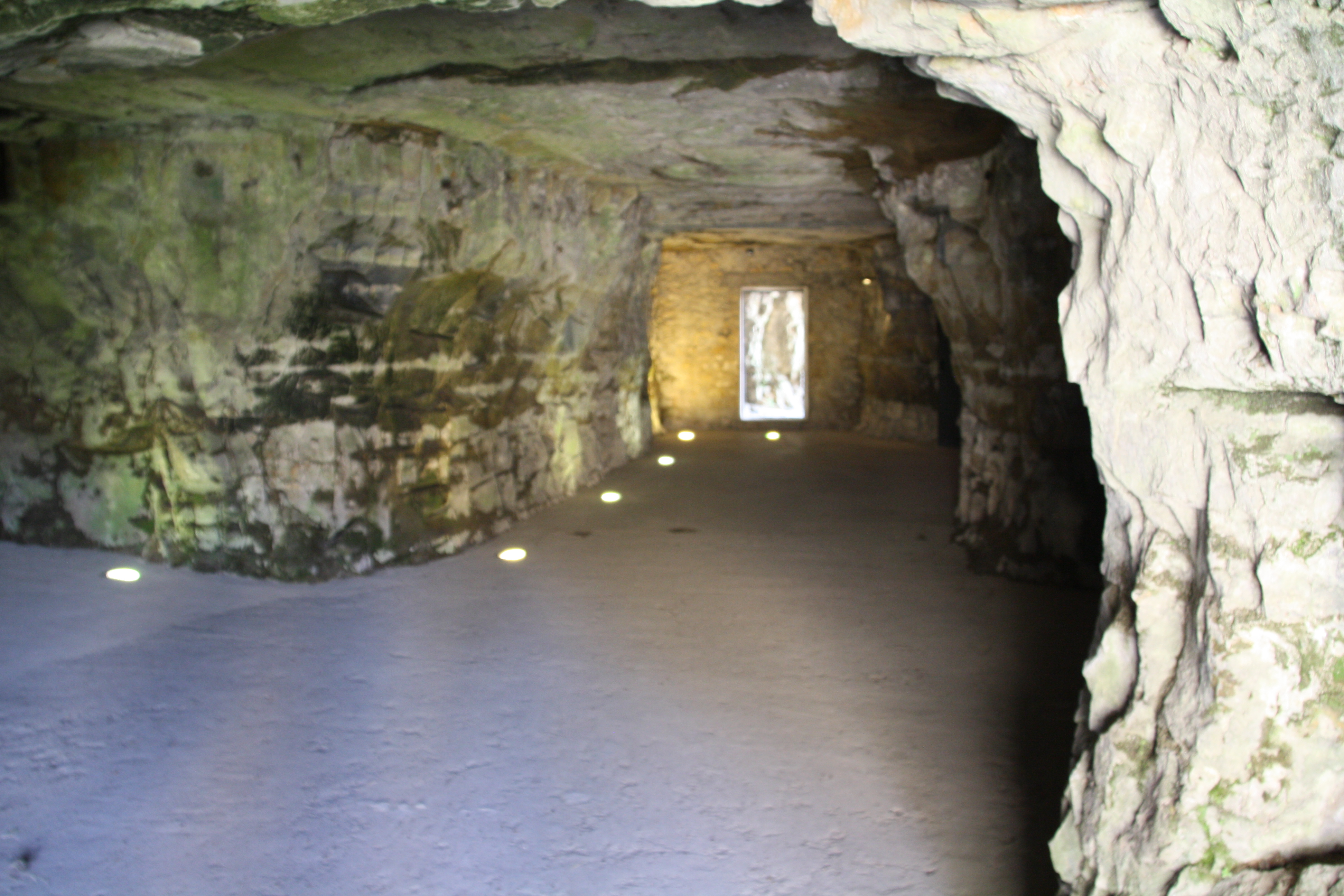
THE BOCK AND CASEMATES
The massive rock outcropping called Le Bock that forms the east side of the haute ville is a UNESCO World Heritage site. First fortified during the Roman Empire, it is excavated with a vast network of tour-able tunnels (casemates) in which the populace could hide during wars and sieges.
LE CHEMIN DE LA CORNICHE
This pedestrian walkway was built on the ramparts along the east side of the fortress-city. La Corniche is nicknamed “Europe’s most beautiful balcony”, it runs along the Alzette valley on the ramparts – built by the Spaniards and the French in the 17th century – from the Bock Promontory up to the lower part of the Holy Ghost Citadel, the so-called “Rondellen”.
Up to the year 1870 the Corniche had staircases in steep parts which were levelled off only after the dismantling of the fortress. Moreover the greatest part of the protecting wall with its loopholes was cleared away so as to disclose a superb panorama on the valley of the Alzette, the city district of Grund and the Rham Plateau.
ILÔT GASTRONOMIQUE
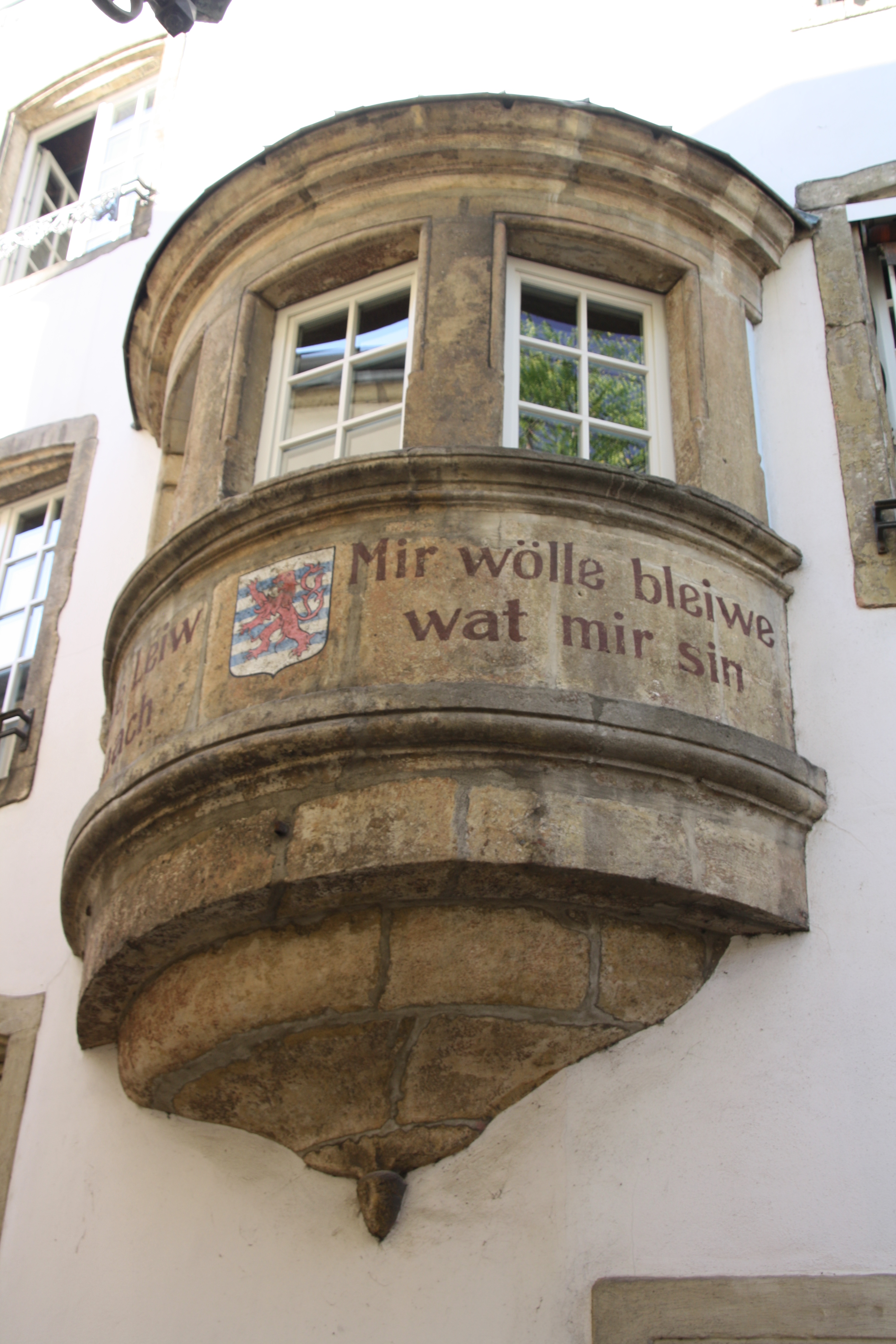
The beautiful old building called am Turchen (“the Turret”) now houses Ilôt Gastronomique (rue de l’Eau), a vertical mall housing half a dozen restaurants, ranging from good to great. The national motto, on the wall facing rue de la Loge, translates as: “We want to remain what we are.”
THE GRAND DUKE’S PALACE
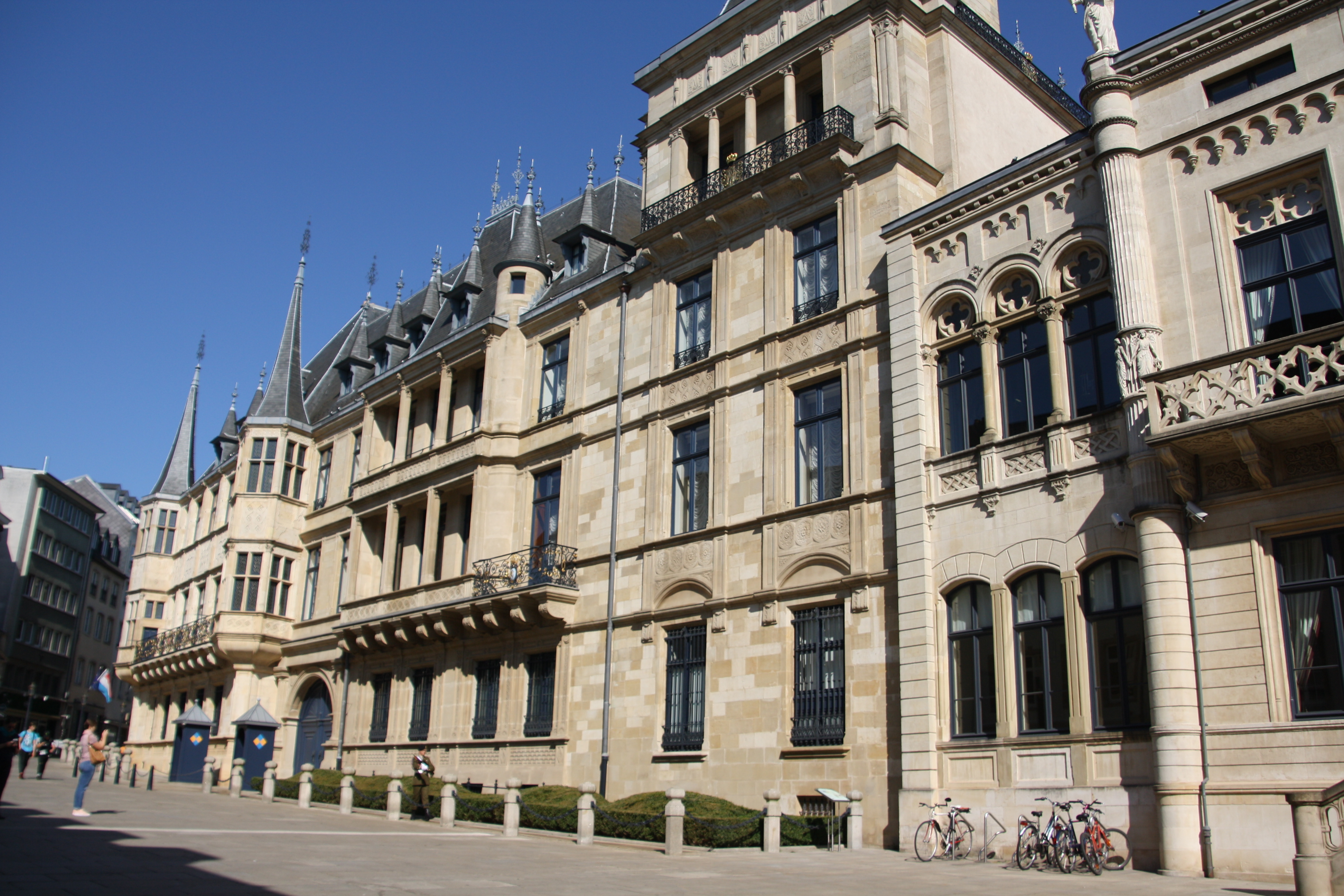
The Grand Ducal Palace is in the centre of Luxembourg City. It is the official residence of the Grand Duke of Luxembourg, and where he performs most of his duties as head of state of the Grand Duchy.
The building was first the city hall of Luxembourg from 1572 to 1795, the seat of the prefecture of the Département des Forêts in 1795, and then the headquarters of the Luxembourg Government in 1817.
During the German occupation in the Second World War, the Grand Ducal Palace was used by the Nazis as a concert hall and tavern. Much of the palace’s furniture, art collections and jewels were ruined. Large swastika flags were hung down the front. With the return of Grand Duchess Charlotte from exile in 1945, the palace once again became the seat of the Grand Ducal Court.
As the official residence of the Grand Duke, the palace is used by him in the exercise of his official functions. He and the Grand Duchess, together with their staff, have their offices at the palace, and the state rooms on the first floor are used for a variety of meetings and audiences. On Christmas Eve, the Grand Duke’s Christmas message is broadcast from the Yellow Room.
Foreign heads of state are accommodated at the palace, as guests of the Grand Duke and Grand Duchess, during official visits to Luxembourg, and the Ballroom is the setting for state banquets in their honour. Throughout the year, numerous other receptions take place at the palace, such as the New Year’s reception given for members of the Government and the Chamber of Deputies.
ST. MICHAEL’S CHURCH
A church on this site (rue Sigefroi) was consecrated in 987. That building was destroyed by bombardment (Luxembourg was often bombarded) in 1684, then beautifully rebuilt in the Gothic style.

OUTDOOR MARKET
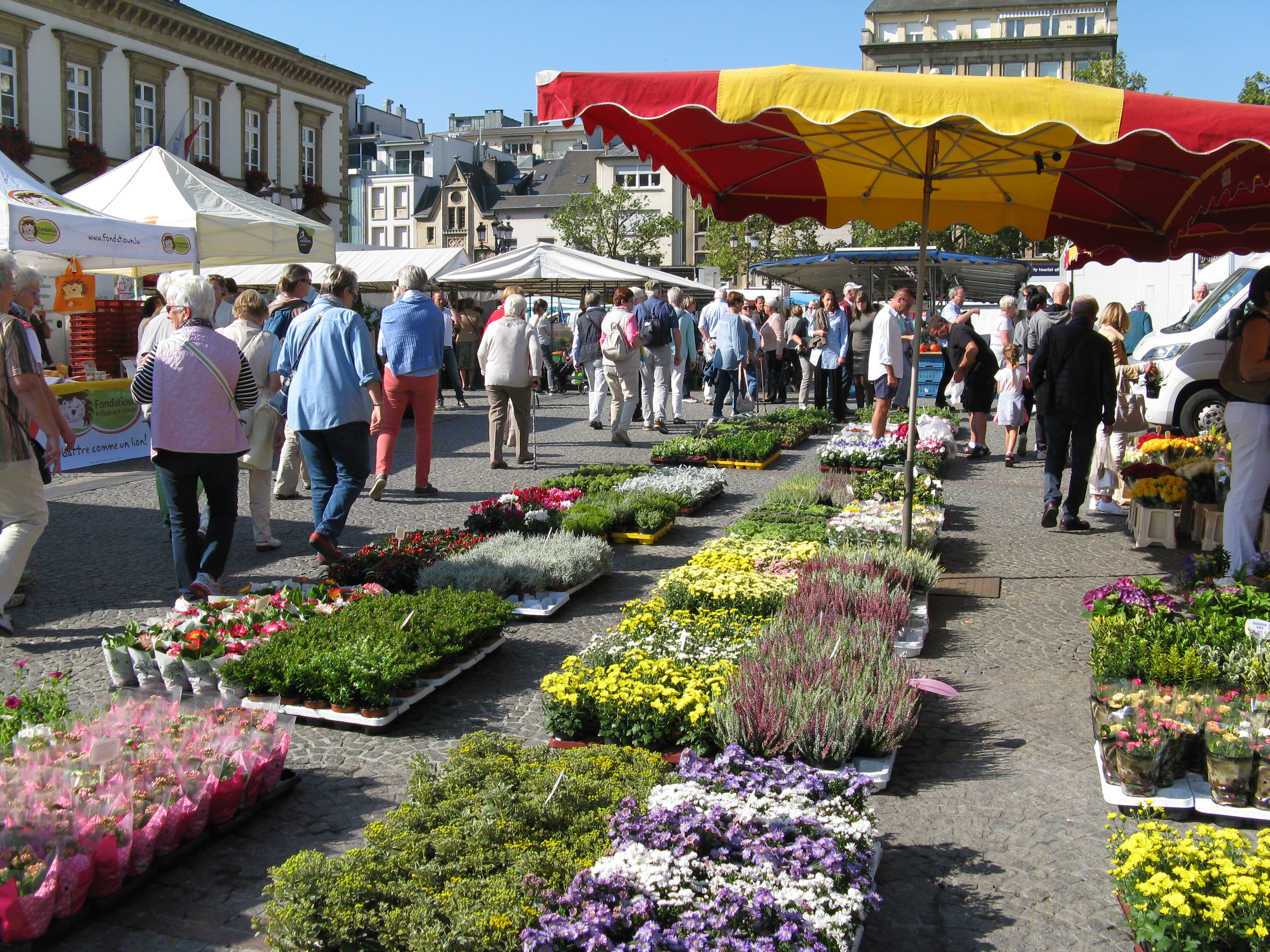
On Wednesdays and Sundays at Place Guillaume II, the large plaza in the middle of town, vendors offer mostly local produce and a charming slice of everyday Luxembourg life.
Three Towers
The Three Towers belongs to historic monuments in Luxembourg-City. The square central tower dates from the time of the second fortification ring (probably around 1200) while two circular flanking towers were added in the 14th century.

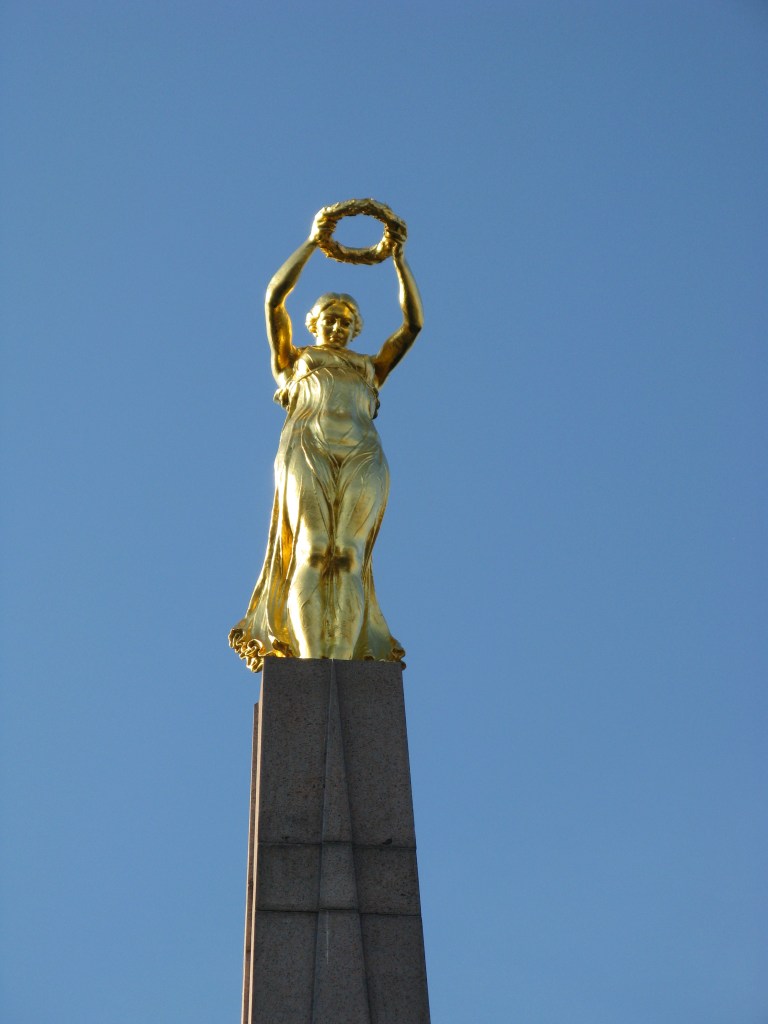
Golden Lady
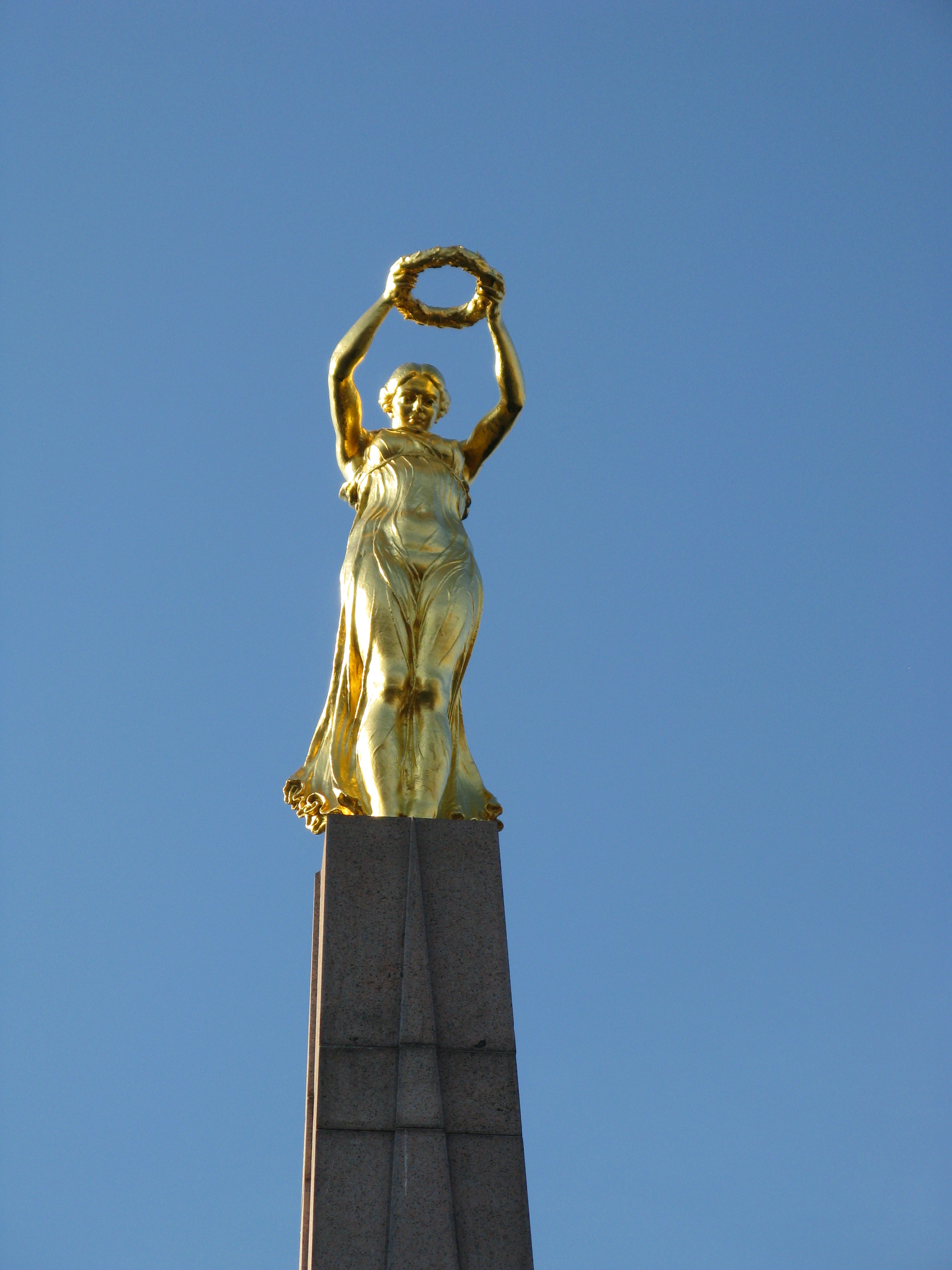
The Golden Lady on Constitution Square was set up in 1923 to commemorate the Luxembourgers who perished in the First World War. The memorial represents a gold-plated female figure on a stone obelisk.
On October, 20th, 1940 the Nazis pulled the monument down; only in 1984 did extensive restoration give it back its original appearance.
Today it symbolizes freedom and resistance for the Luxembourg people.
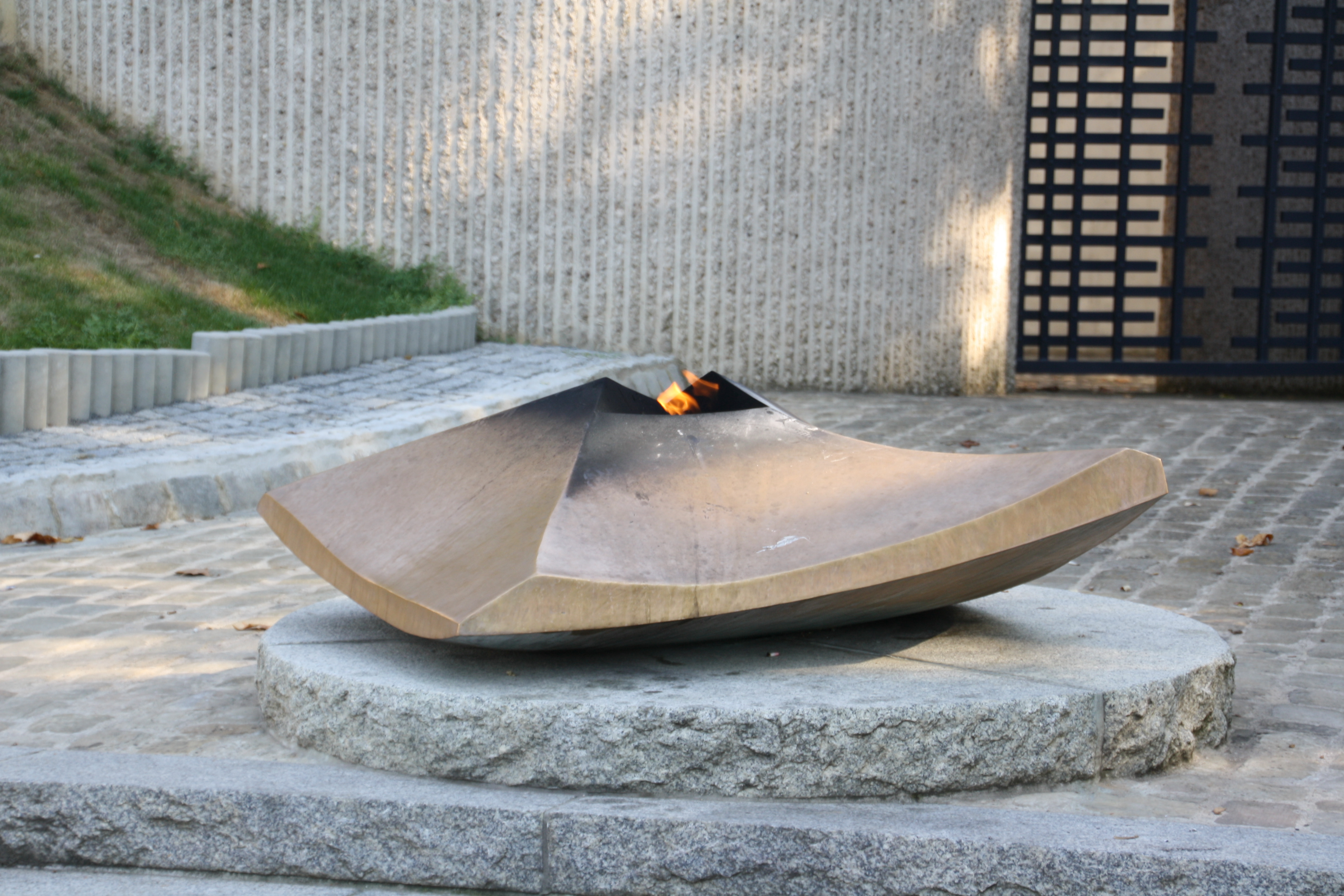
National Monument of the Solidarity
Rising on the so-called Cannon Hill, it commemorates the dead of the Second World War and recalls the resistance and the solidarity of the Luxembourg nation in the face of the Nazi occupation.
The paved inner courtyard symbolizes prisons, concentration camps and barracks. An ordinary, unchiselled stone represents the war victims. An eternal flame burns in front of this historic monument.
Eccentric Coffee Shop/Bar/Café/Art Shop
This unique place is a mixture of a junk shop with paintings on practically every inch of wall. There are books piled up for visitors to read and a mish mash of chairs and settees. The tables can be a mixture of foot stools, ottomans or anything else that a plate, cup or glass can sit on.
The owners were extremely friendly and made you feel very welcome as though you were the only people in the place.

After a hard day being a tourist a large brandy was in order. Unfortunately the owner didn’t seem to understand that a large Brandy in the UK is 50ml. The picture below is half way through, Heather was so concerned how much it was going to cost that we paid upfront just in case we had to run back to the hotel to get more money. I was going to leave Heather as surety, only because she would never find her way back to the hotel.

 Heather and Keith's travels