We visited in October 2018 and stayed at the Hotel Brice Gardens in Nice and visited Monte Carlo and Monaco for the day.
Monte Carlo
Monte Carlo is the capital of Monaco and this is often used to refer to the country of Monaco, in fact Monaco has four separate districts Monaco-Ville, Monte Carlo, La Condamine and Fontvieille.
Monaco is squeezed into just 0.78 square miles, this confetti principality may be the world’s second smallest country (the Vatican is smaller) and the most densely populated, but what it lacks in size it makes up for in attitude. Glitzy, glam and screaming hedonism, Monaco is truly beguiling.
It is a sovereign state but has no border control. It has its own flag (red and white) and national holiday (19 November), and it uses the euro even though it’s not part of the EU.
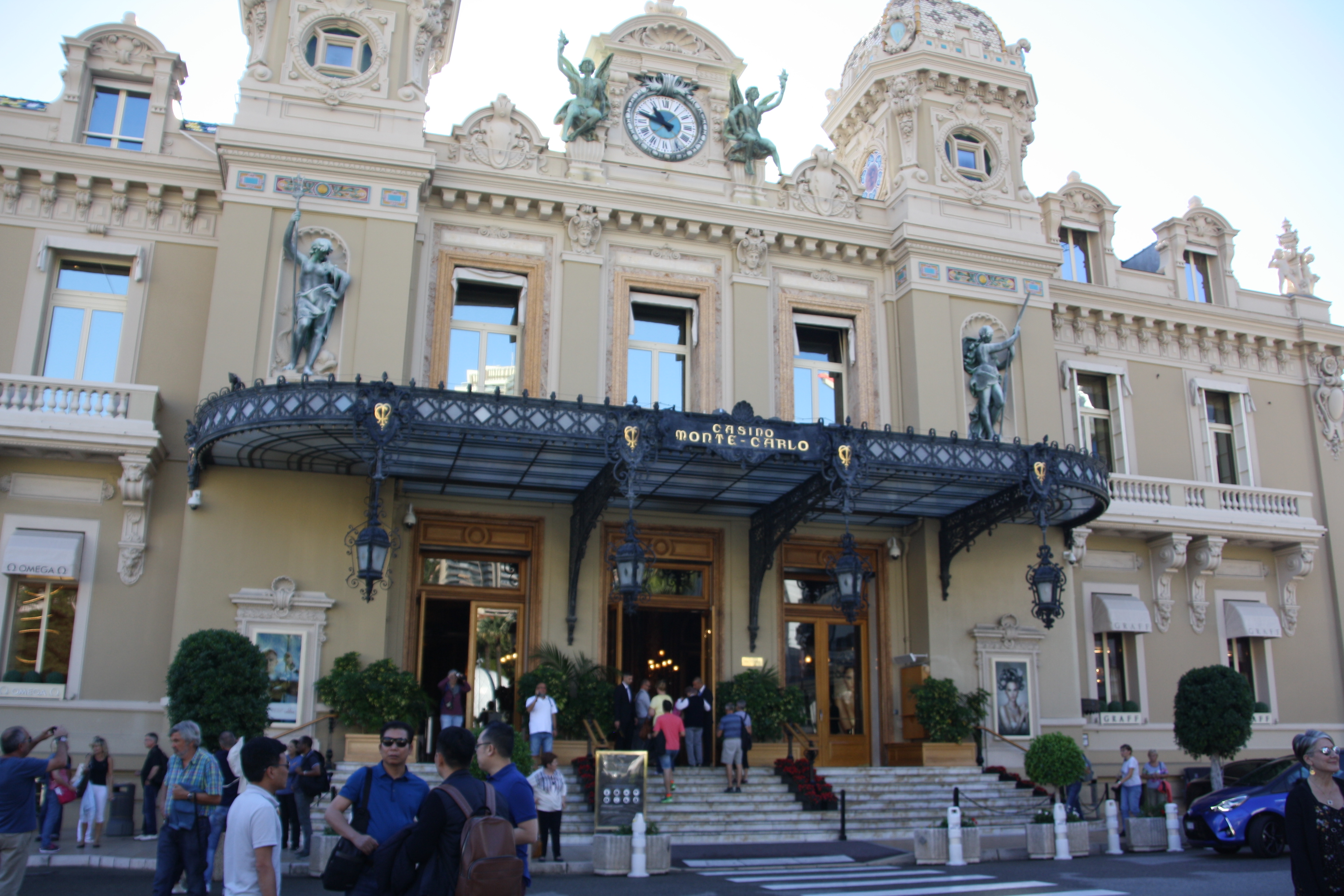
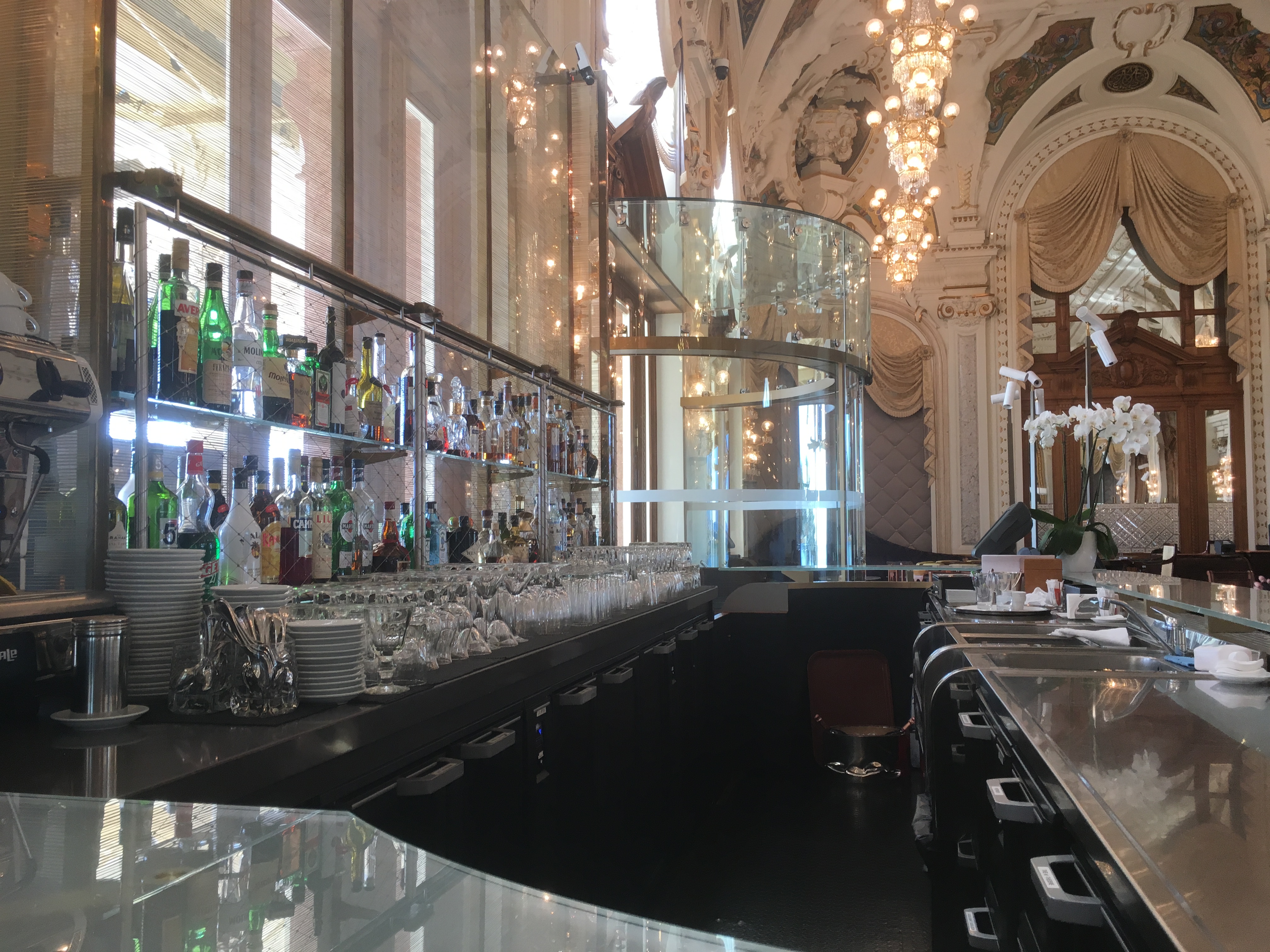
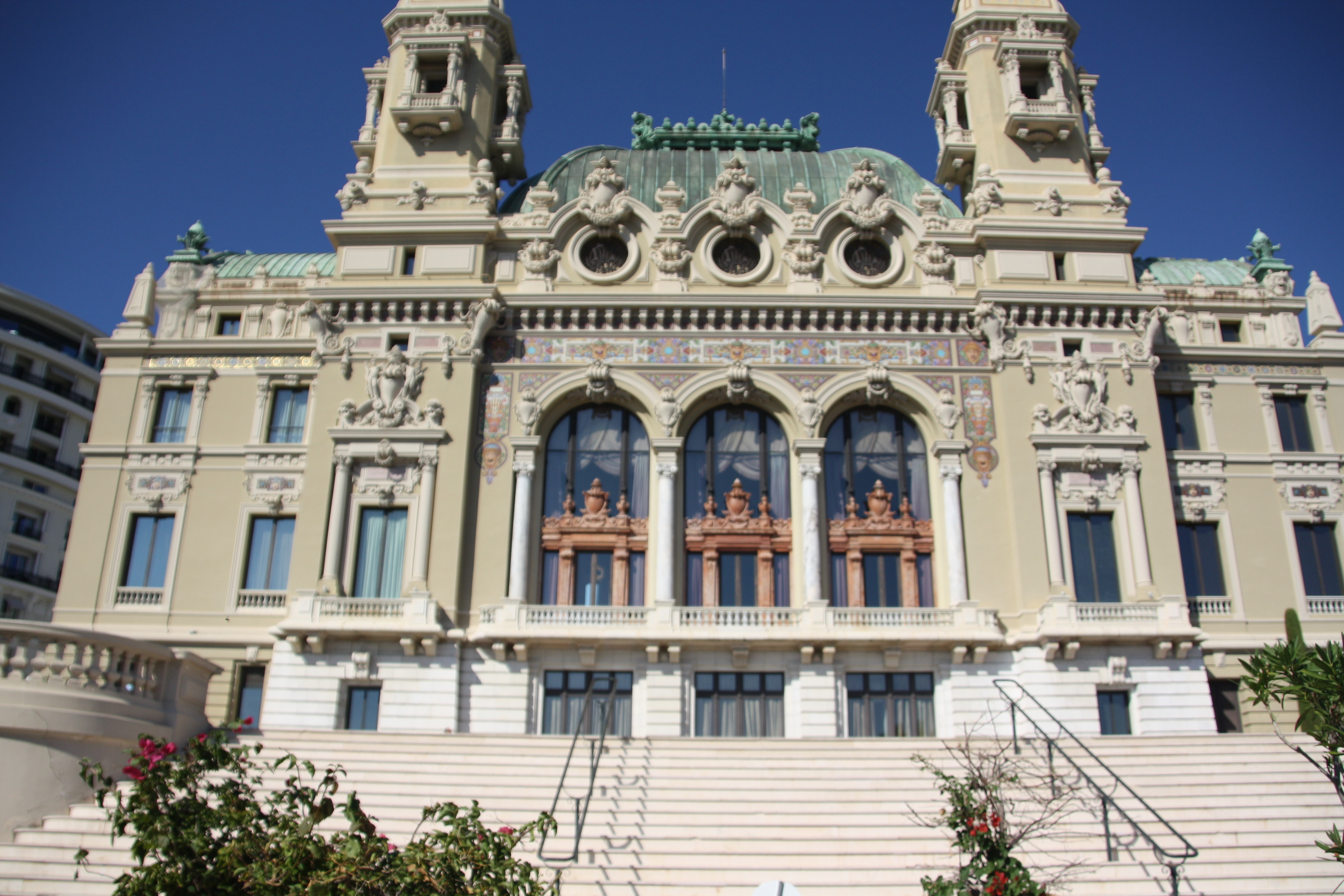
Monte Carlo Casino
The idea of opening a gambling casino in Monaco belongs to Princess Caroline, a shrewd, business-minded spouse of Prince Florestan I. Revenues from the proposed venture were supposed to save the House of Grimaldi from bankruptcy. The ruling family’s persistent financial problems became especially acute after the loss of tax revenue from two breakaway towns, Menton and Roquebrune, which declared independence from Monaco in 1848 and refused to pay taxes on olive oil and fruit imposed by the Grimaldis.
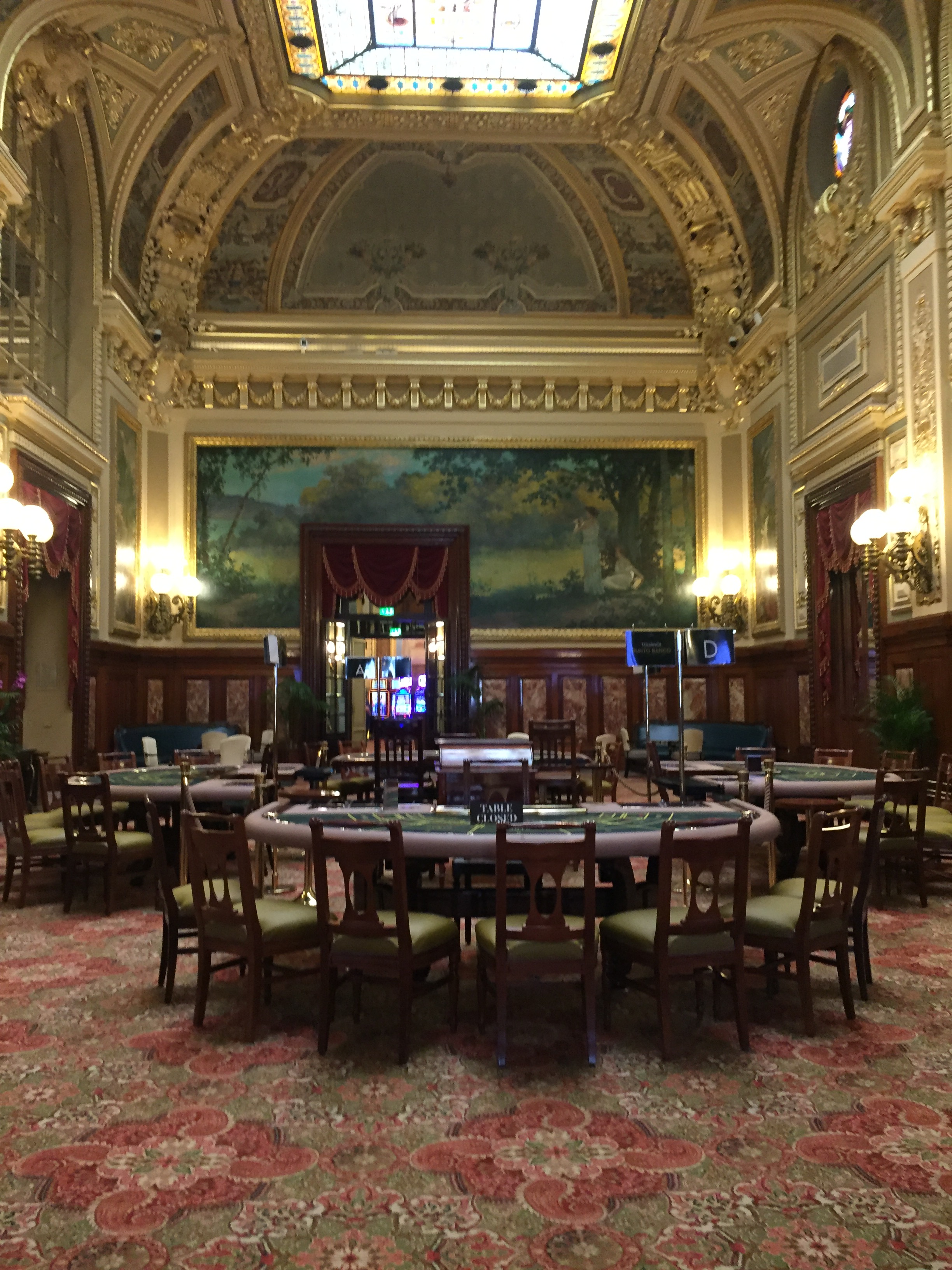
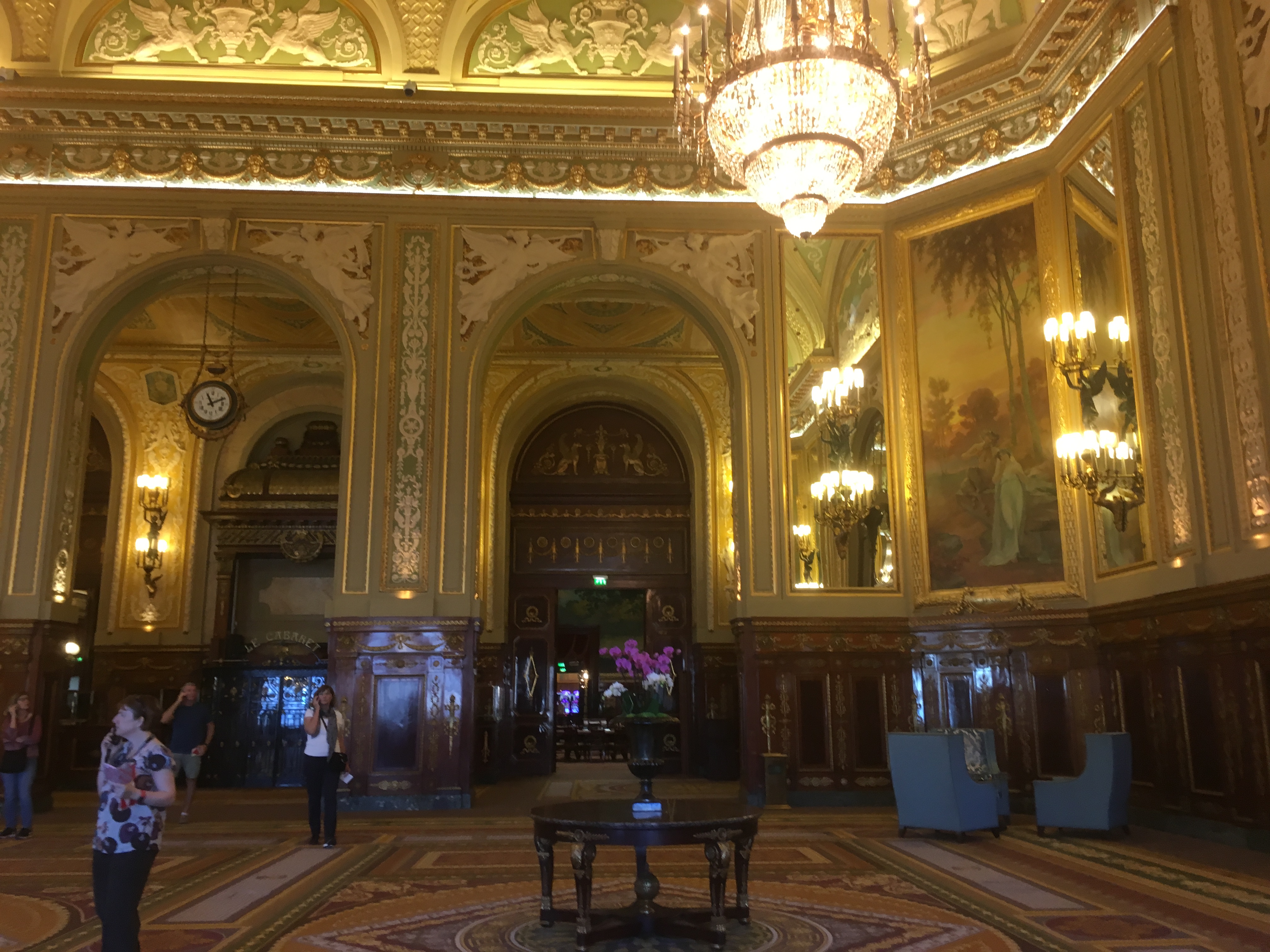
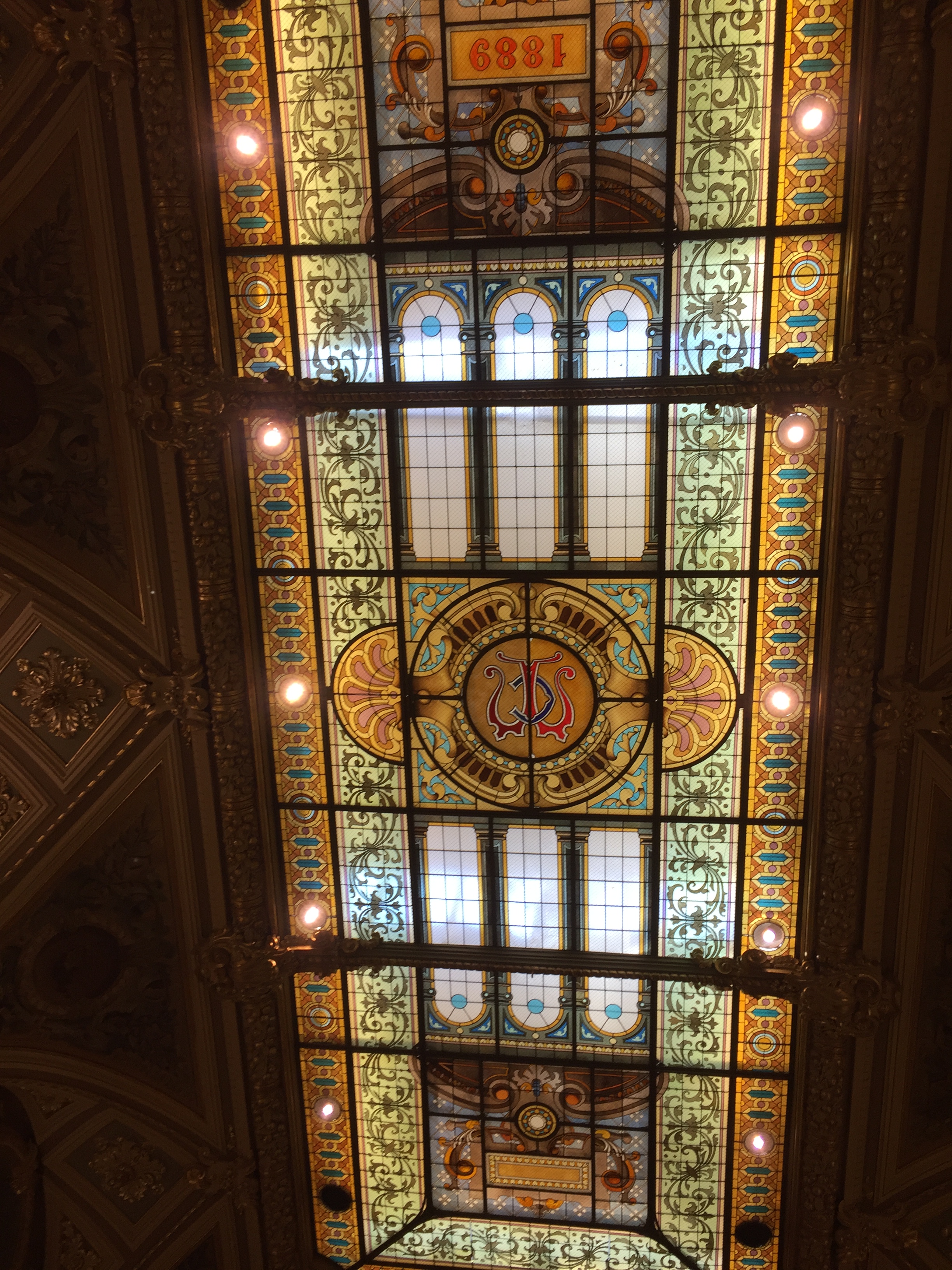
The casino can be best described as a stately home with Gambling tables.
The casino one of the most famous in the world so why can’t locals enter the Monte-Carlo casino? The potential ill-effects of commercial gambling on a community’s own citizens cannot be ignored. It was for this reason that in Monaco gambling has always been illegal for its own residents. When Princess Caroline developed Monte Carlo Casino in the mid-1800s, she was adamant that Monegasques should not be allowed inside, and that gambling revenue should come only from foreigners. In exchange, citizens of Monaco do not have to pay income taxes. To ensure that this rule is applied all guests who enter when the tables and machines are operational must prevent valid identification.
These laws have never been updated and residents can only gamble using the internet and overseas bookmakers.

Hand Sculpture
Around the casino is a small park which contains many pieces of Art.

Prince’s Palace
The Prince’s Palace of Monaco is the official residence of the Sovereign Prince of Monaco. Built in 1191 as a Genoese fortress, during its long and often dramatic history it has been bombarded and besieged by many foreign powers. Since the end of the 13th century, it has been the stronghold and home of the Grimaldi family who first captured it in 1297. The Grimaldi ruled the area first as feudal lords, and from the 17th century as sovereign princes, but their power was often derived from fragile agreements with their larger and stronger neighbours.
The Grimaldi’s occupation of their palace is also unusual because, unlike other European ruling families, the absence of alternative palaces and land shortages have resulted in their use of the same residence for more than seven centuries. Thus, their fortunes and politics are directly reflected in the evolution of the palace. Whereas the Romanovs, Bourbons, and Habsburgs could, and frequently did, build completely new palaces, the most the Grimaldi could achieve when enjoying good fortune, or desirous of change, was to build a new tower or wing, or, as they did more frequently, rebuild an existing part of the palace. Thus, the Prince’s Palace reflects the history not only of Monaco, but of the family which in 1997 celebrated 700 years of rule from the same palace.
During the 19th and early 20th centuries, the palace and its owners became symbols of the slightly risqué glamour and decadence that were associated with Monte Carlo and the French Riviera. Glamour and theatricality became reality when the American film star Grace Kelly became chatelaine of the palace in 1956. In the 21st century, the palace remains the residence of the current Prince of Monaco.
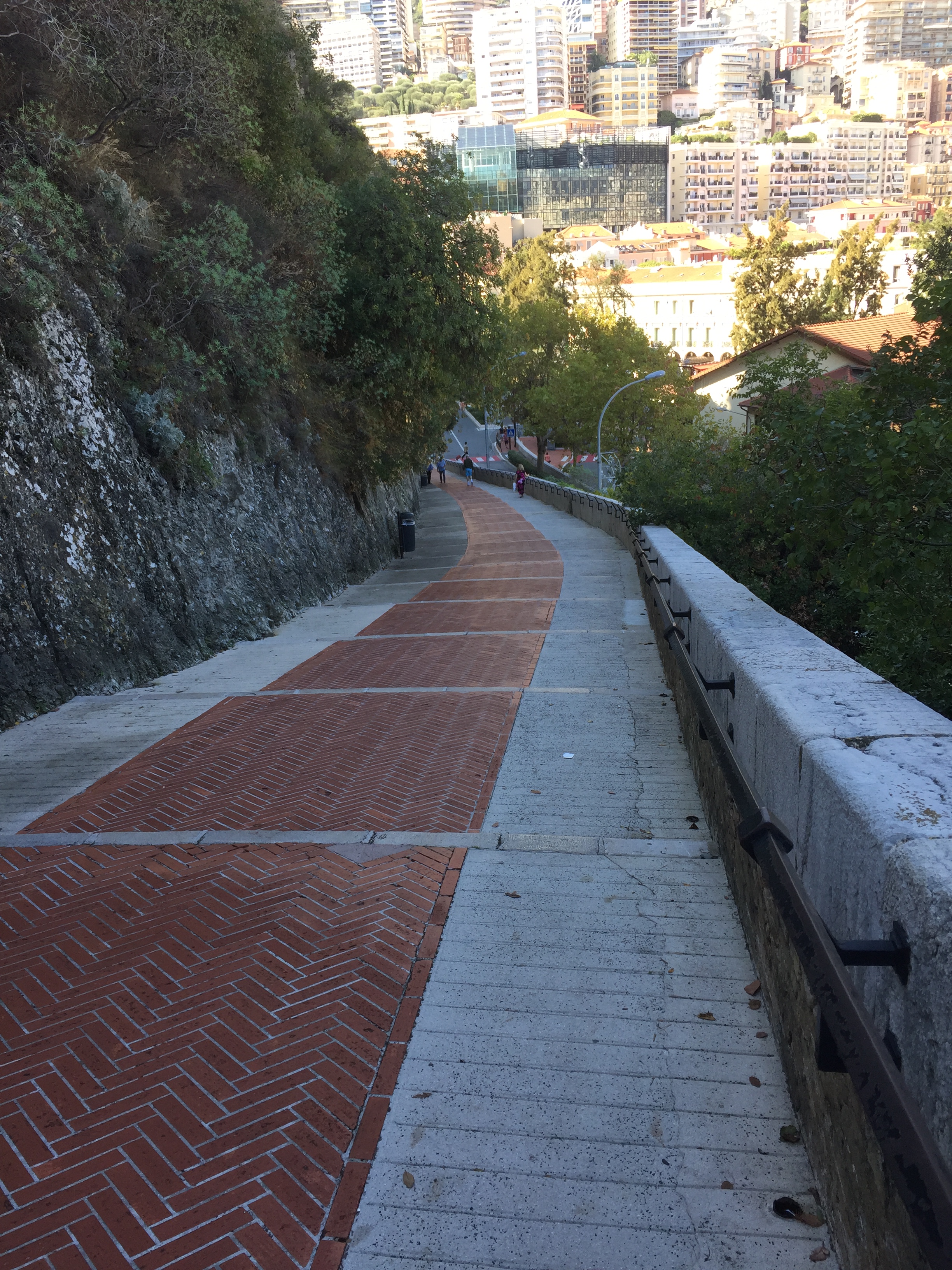
The path to the palace is steep
When you get to the top this is the what you see.

Saint Nicholas Cathedral
Cathédrale Notre-Dame-Immaculée (Cathedral of Our Lady of the Immaculate Conception), also known as Saint Nicholas Cathedral (name of the old church which was demolished in 1874), Monaco Cathedral (French: Cathédrale de Monaco), is the cathedral of the Roman Catholic Archdiocese of Monaco in Monaco-Ville, Monaco, where many of the Grimaldis were buried, including Grace Kelly and—more recently—Rainier III.
The cathedral was built in 1875–1903 and consecrated in 1911, and is on the site of the first parish church in Monaco built in 1252 and dedicated to St. Nicholas.

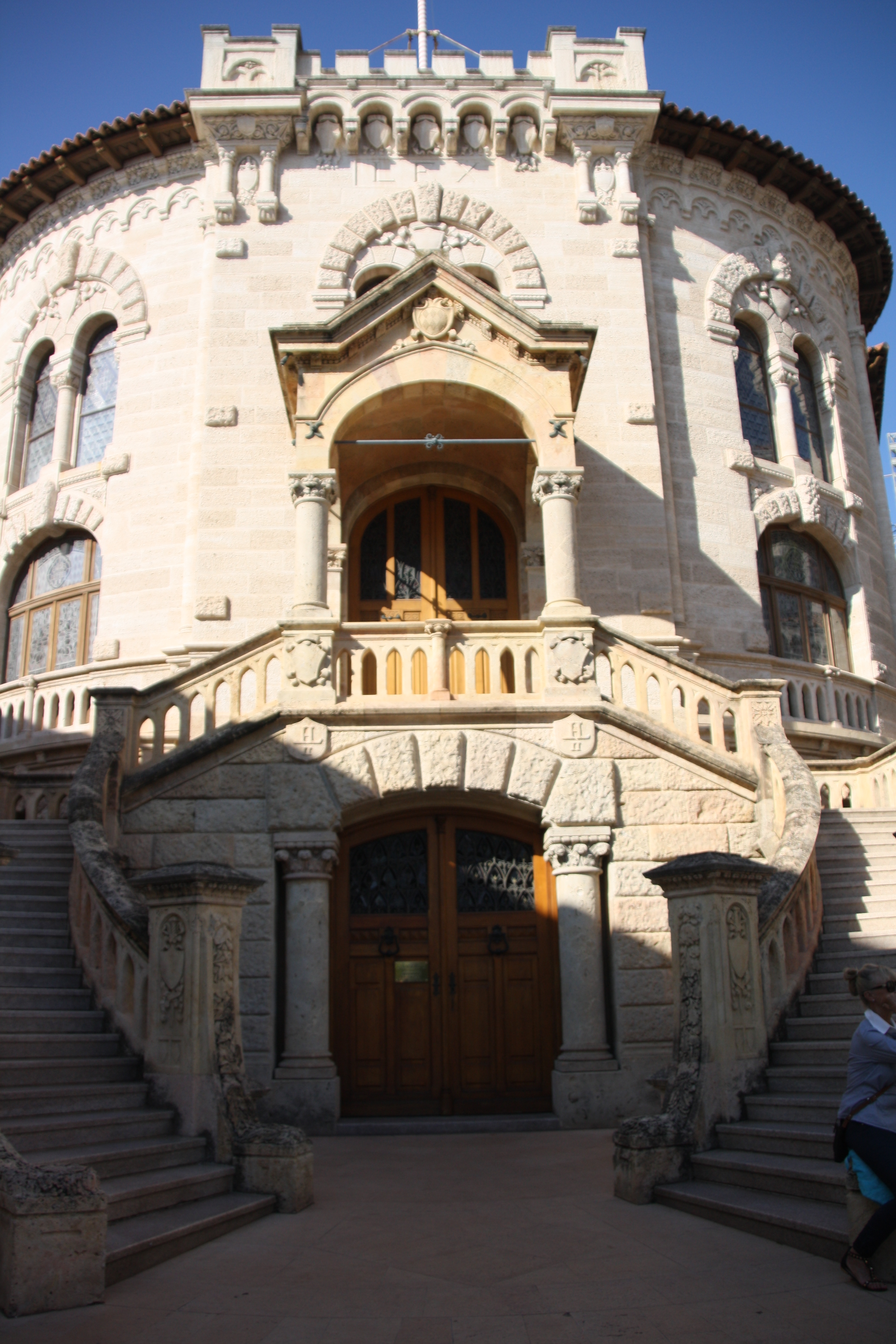
Palace of Justice
This is probably the most stunning court house in the world.
Exotic Gardens
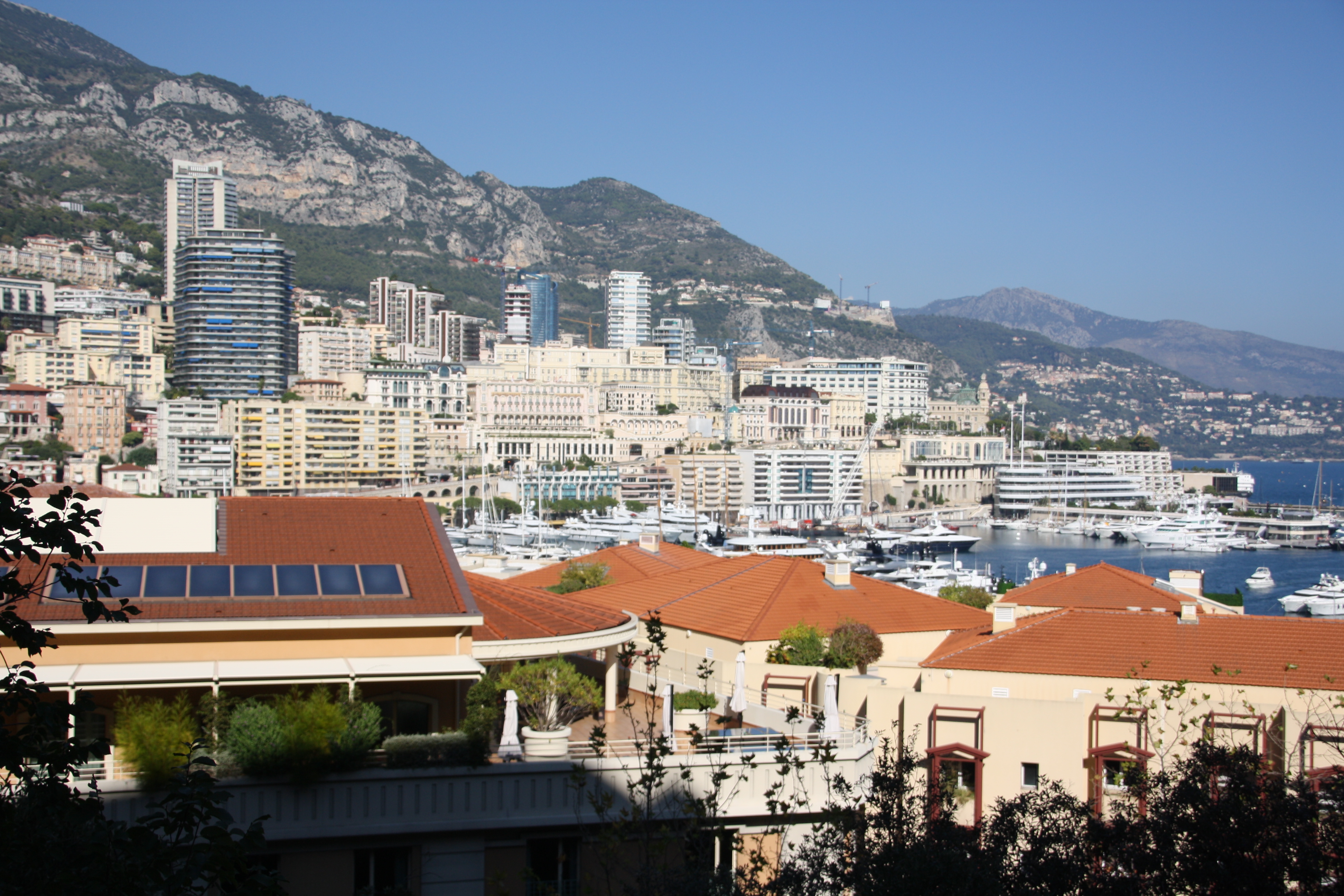
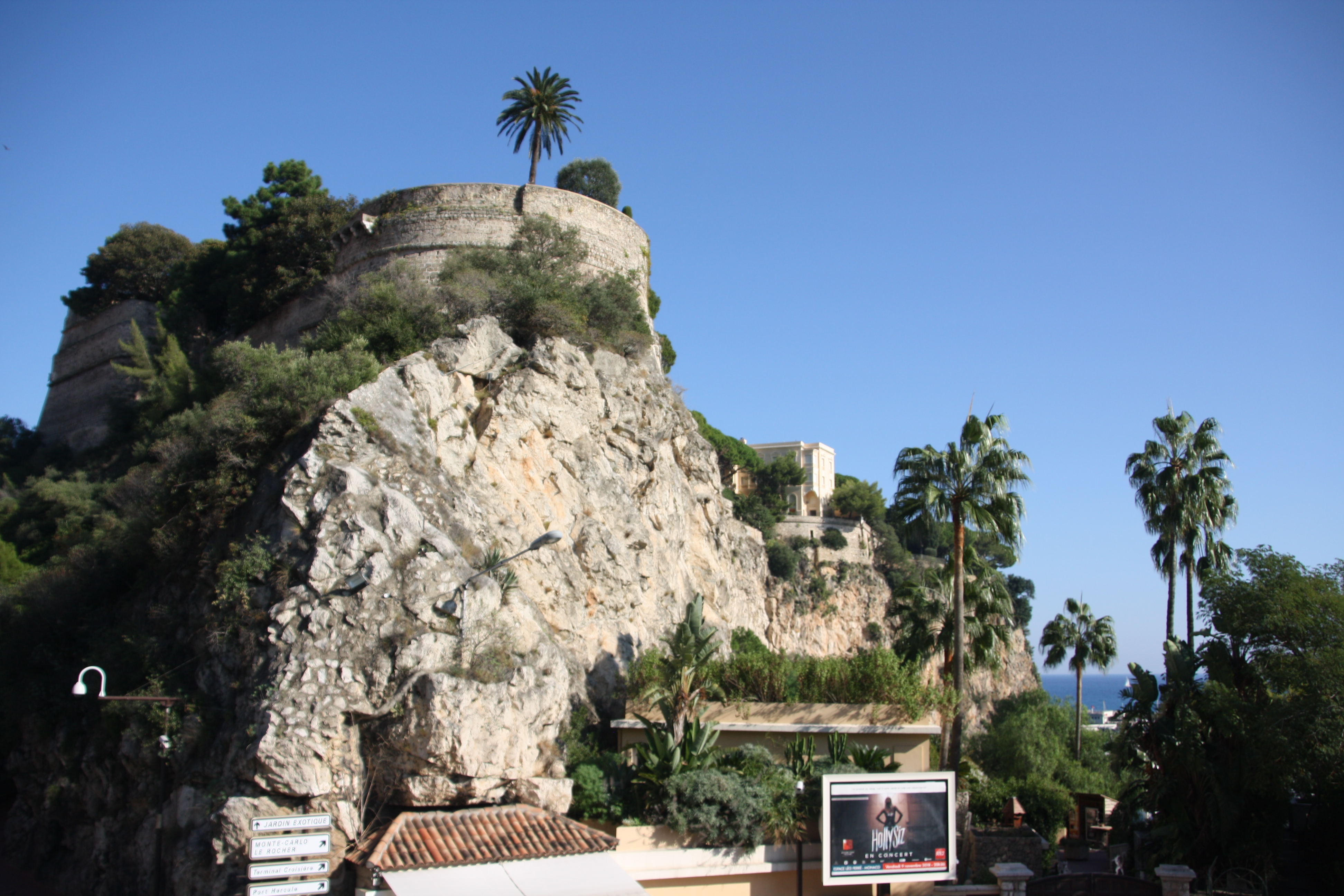
The Jardin Exotique de Monaco (French for “exotic garden of Monaco”) is located on a cliff side. The walk up is tiring but although the gardens are pretty the best bit is the views of the whole of Monaco is superb.
Boats and Harbours
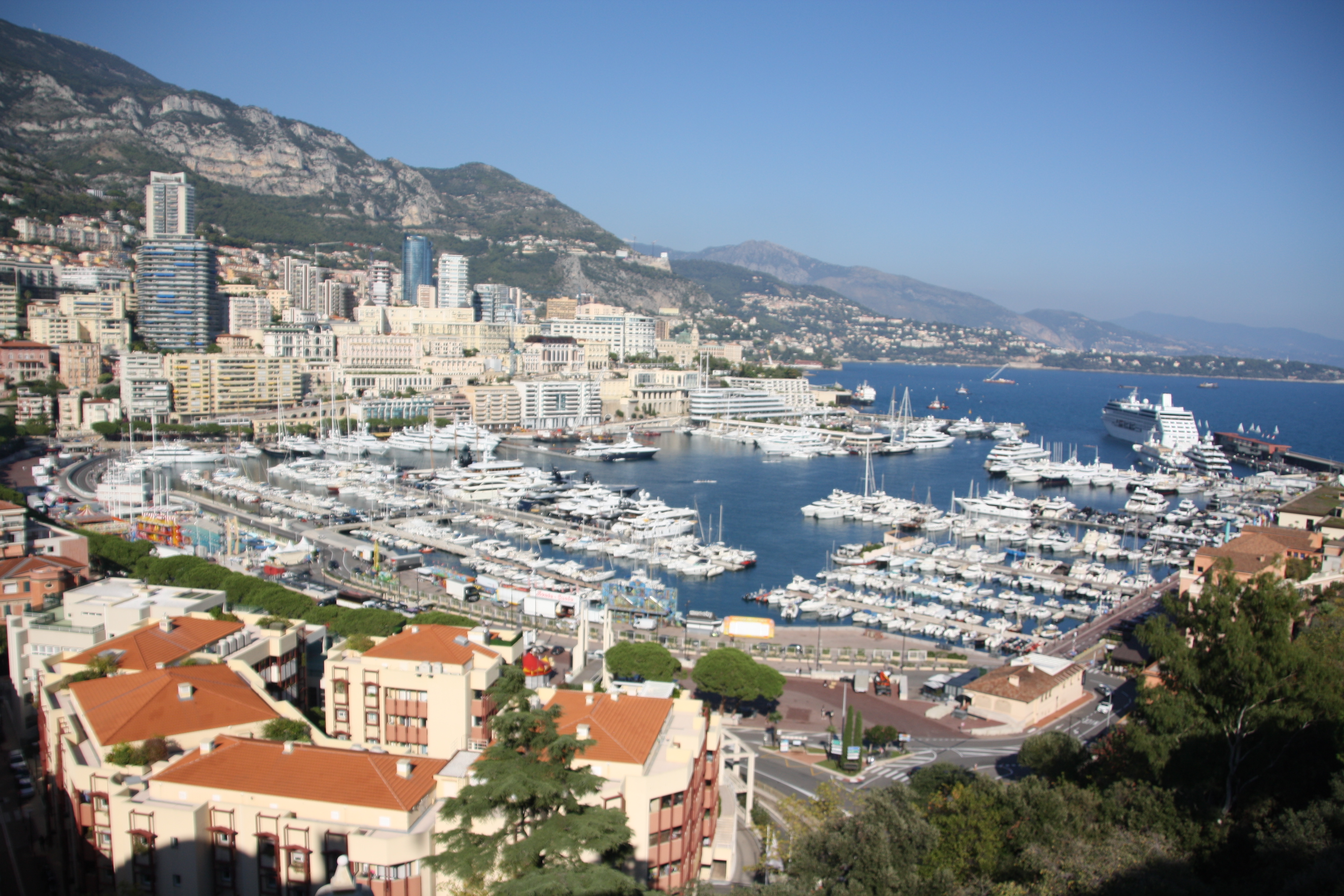
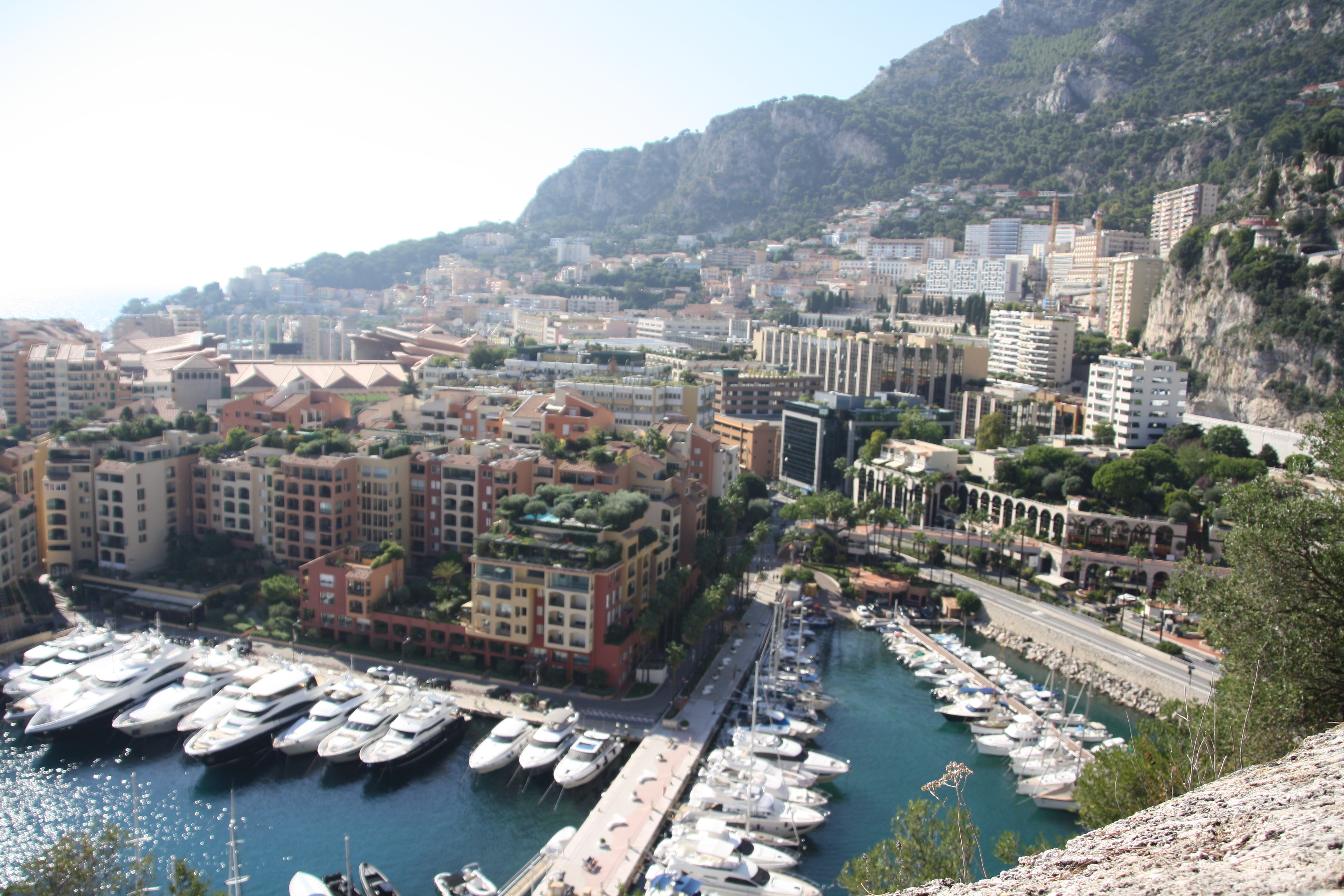
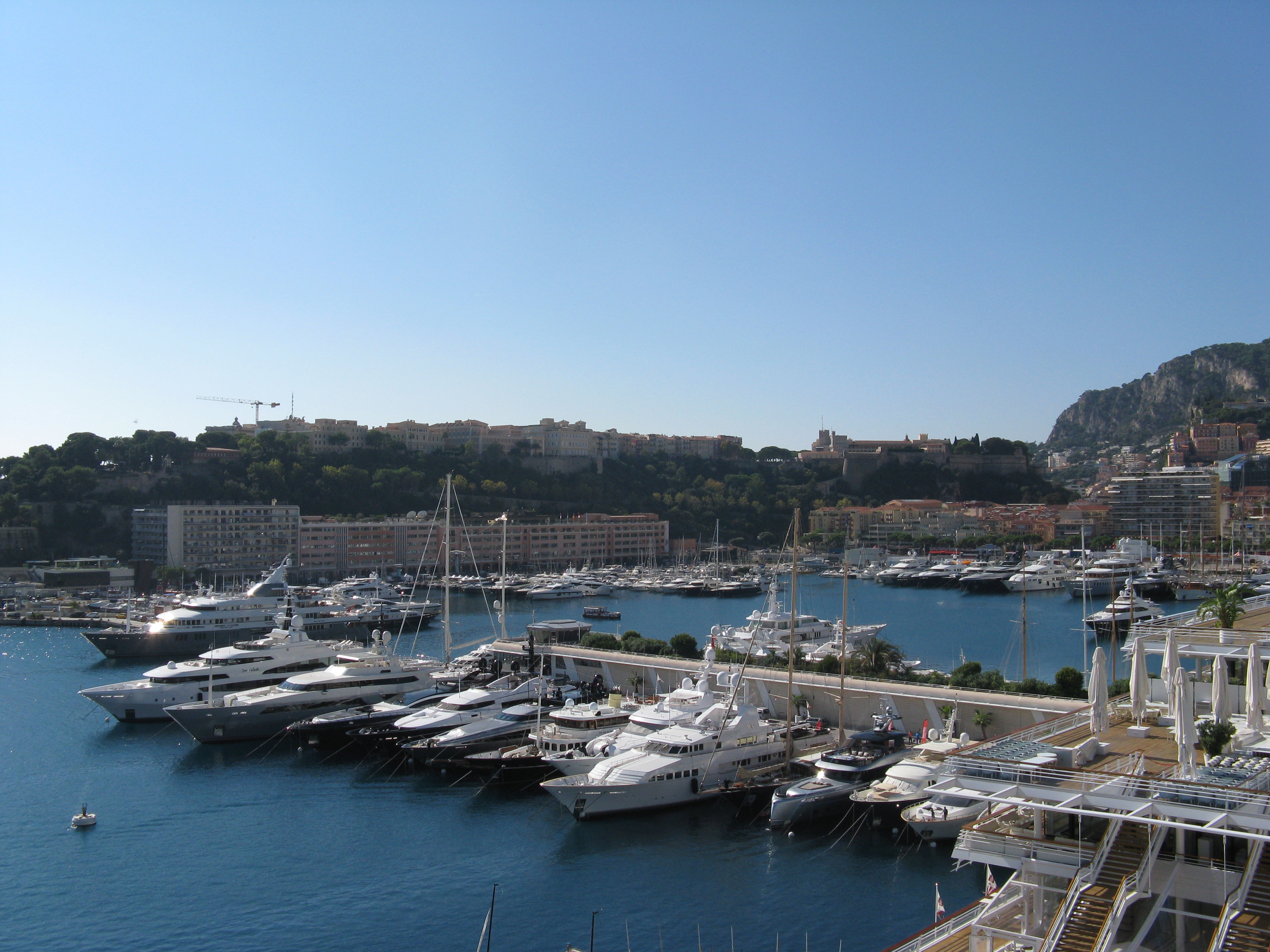
One of the things that hits you in Monaco, apart from the number of houses, is the number of boats. There are at least two harbours containing some pretty expensive boats
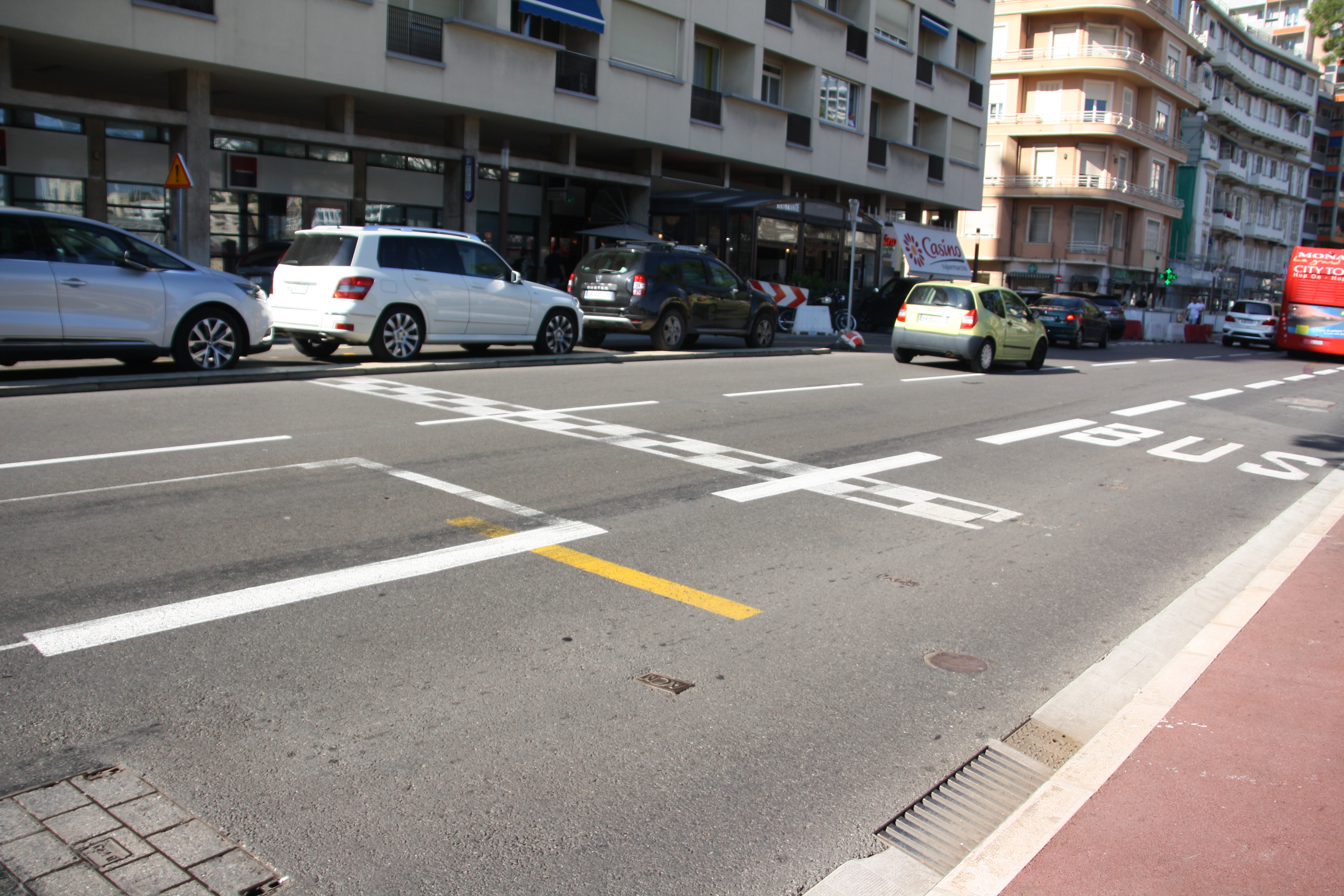
Monaco Grand Prix Start Line
This was is the most famous start line in formula one, so we were expecting signs, banners or at least something to identify where it was. We walked passed it once before noticing a chequered pattern on the road.
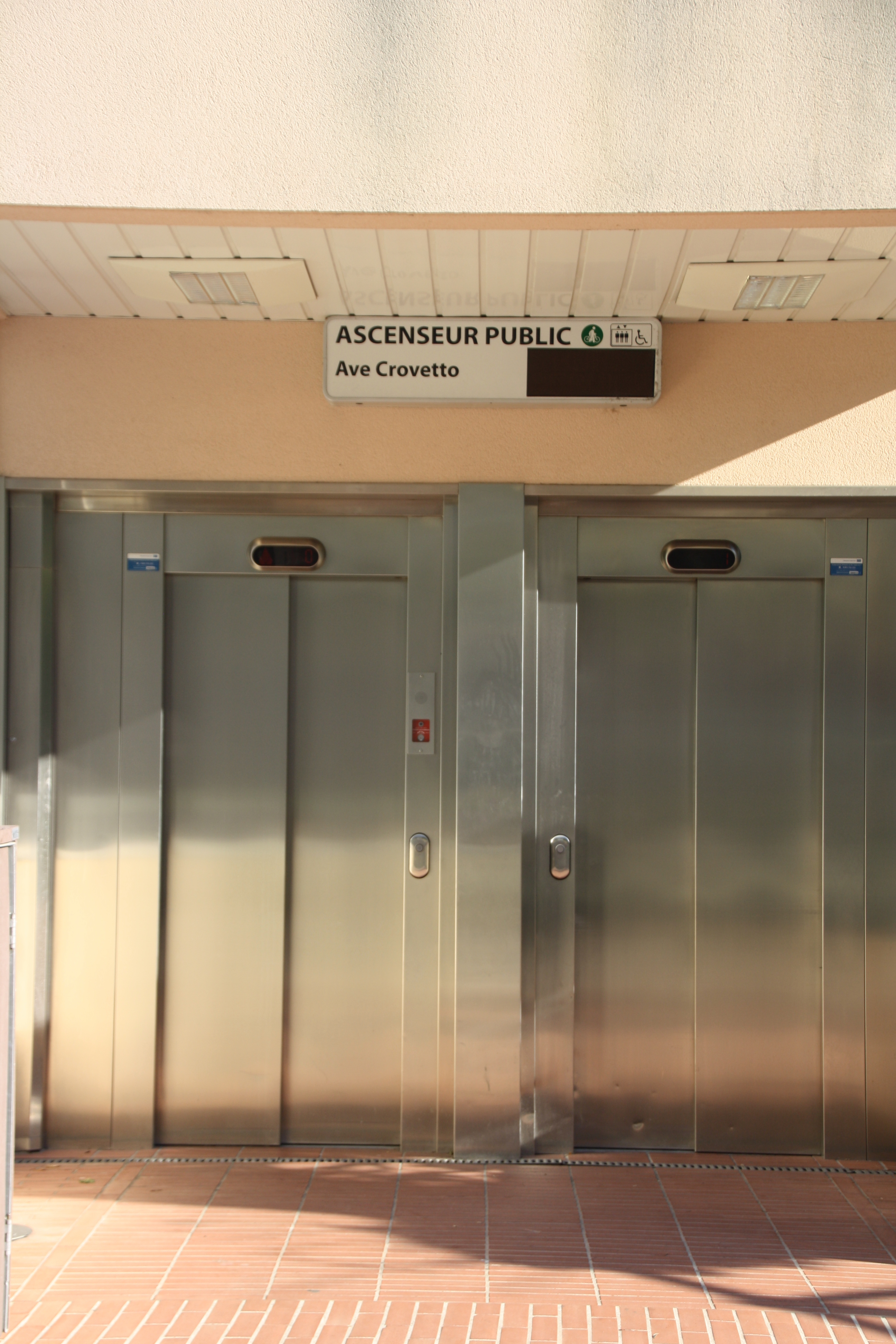
Public Lifts
Monaco is extremely hilly and to get from one street level to another they have lifts, the one shown below actually went up 4 floors.
Train Station
The train station is underground and to get in you follow a tunnel. The entrance matches the chic, lavishness of Monaco.

Nice
Promenade des Anglais
The Promenade des Anglais translated to Walkway of the English is a promenade along the Mediterranean. It extends from the airport on the west to the Quai des États-Unis (United States Quay) on the east, a distance of approximately 7 km.
It is like a typical English promenade with a dedicated cycle lane.
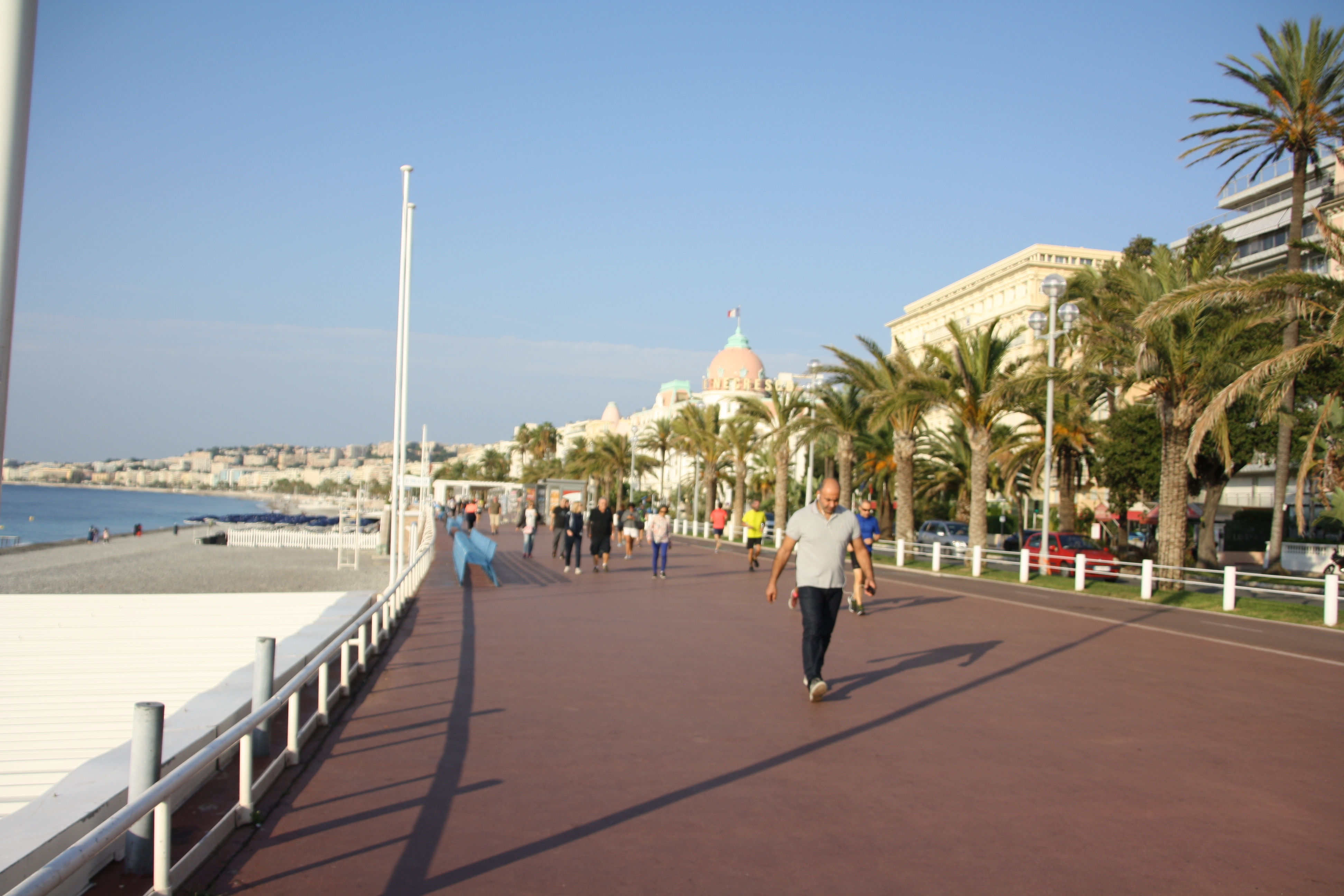

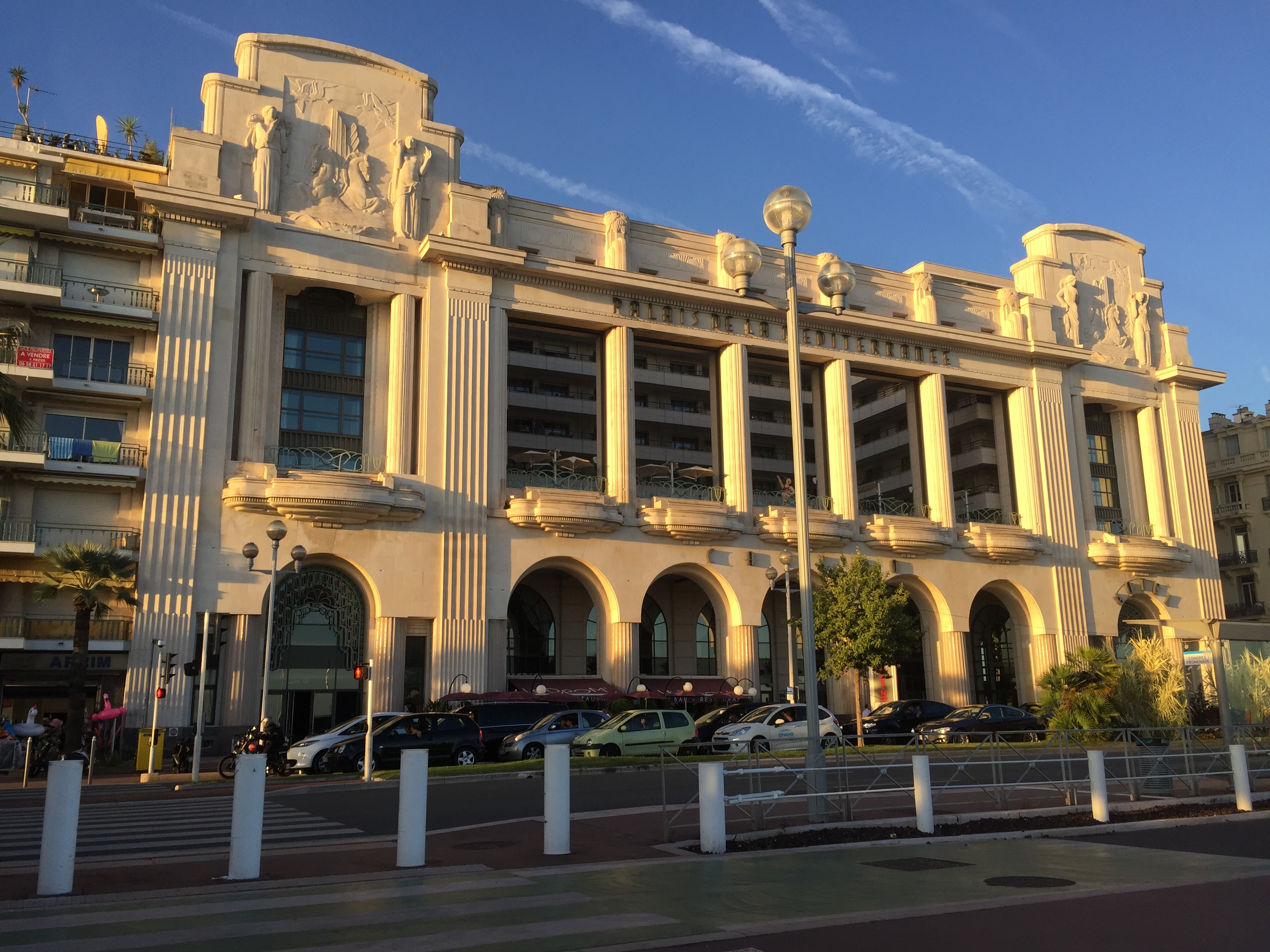
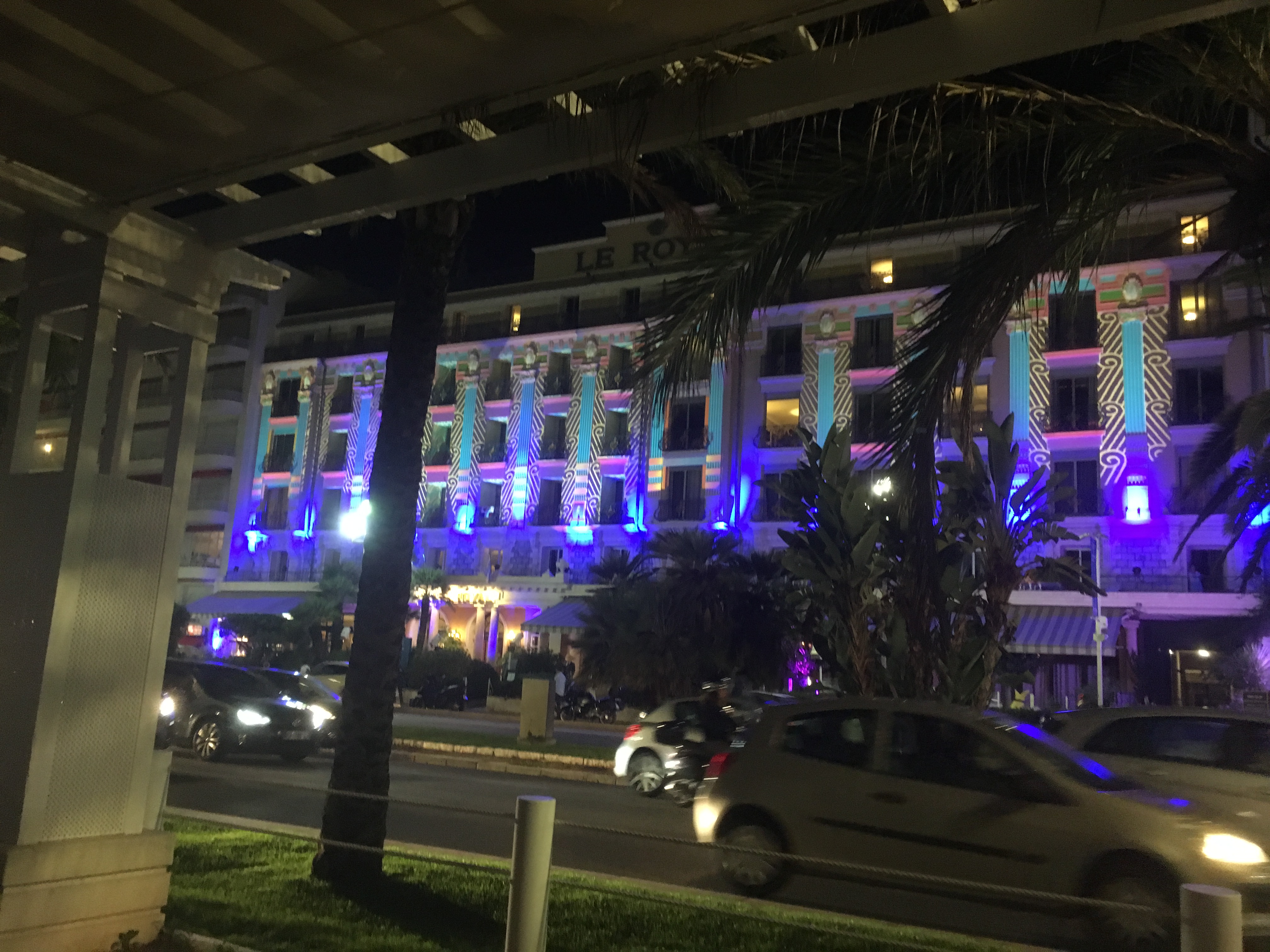
A couple of the beautiful buildings that are along the Promenade des Anglais
Tour Bellanda
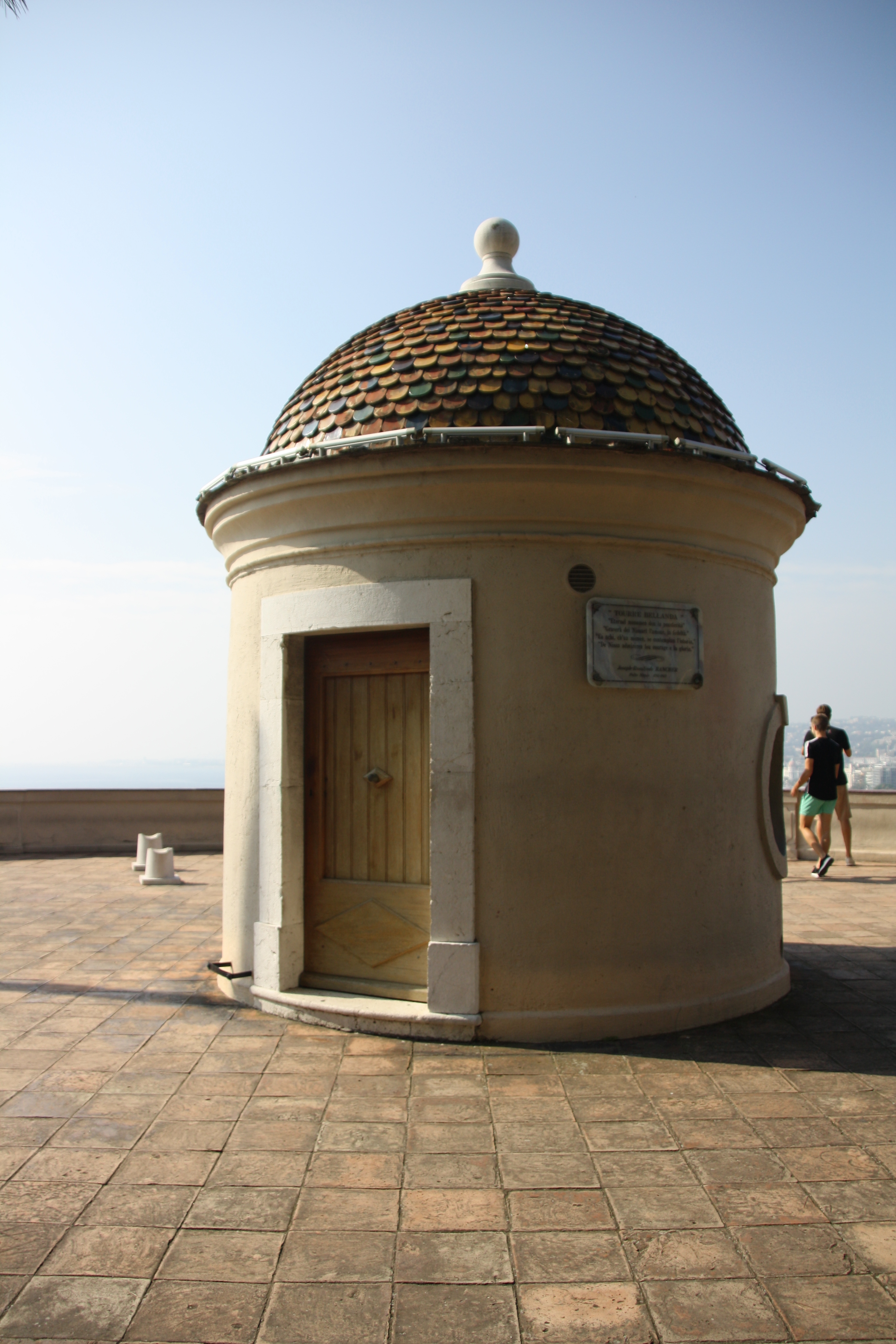
Guarding the Bay of Angels, this 19th-century tower is where composer Hector Berlioz created the opening of the famous King Lear overture in 1831, whilst staying here.
It was originally a medieval defence tower built onto an old acropolis which was destroyed during the reign of Louis XIV. It was transformed in 1825 into a belvedere decorated with mosaics depicting Greek motifs.
Although closed, you can enjoy its beautiful exterior and the breathtaking views of the sea from its terrace.
The Nice Chateau/Castle Hill
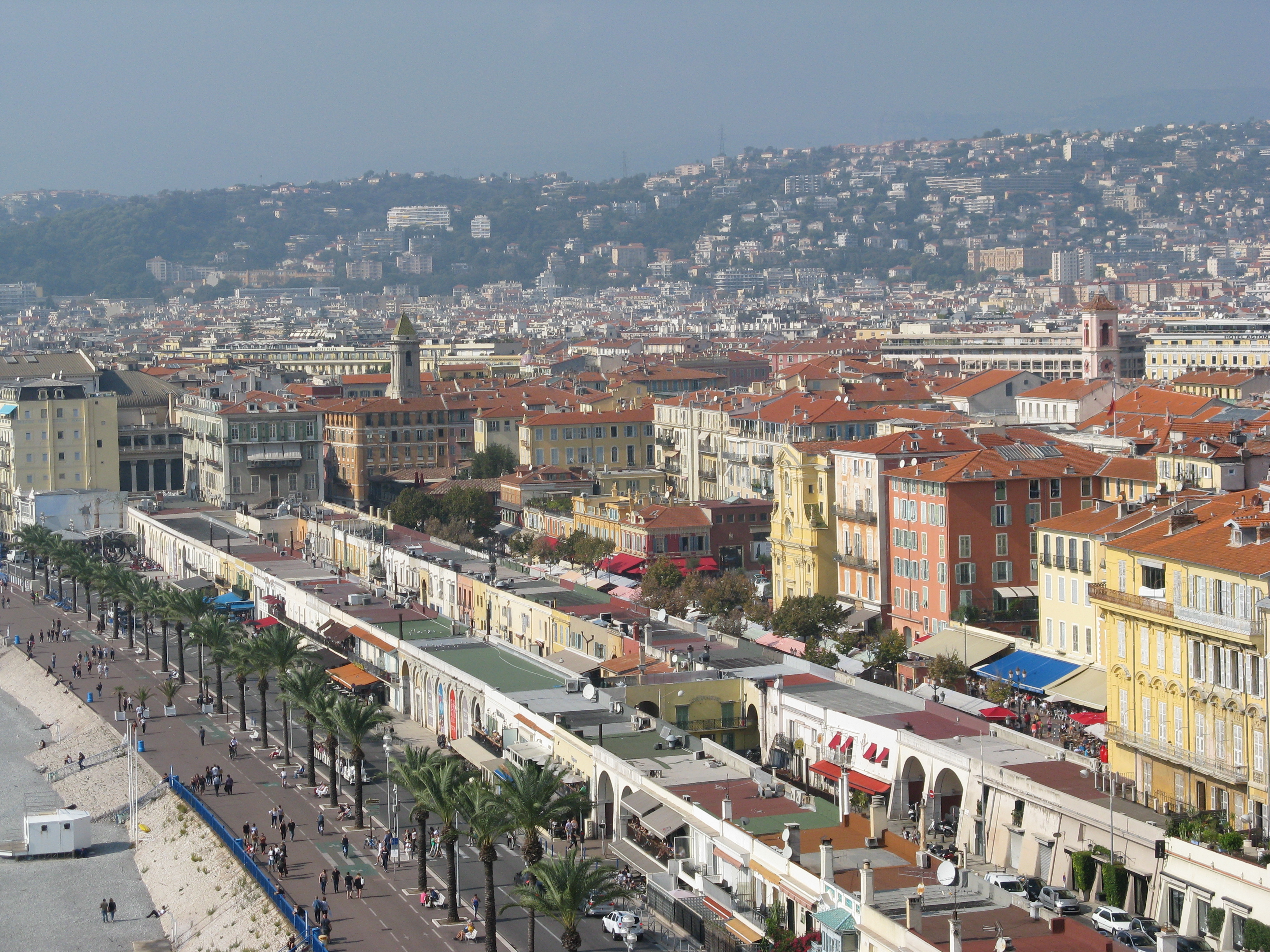
The Nice Chateau no longer has a chateau but is now a wonderfully peaceful forested oasis peppered with ancient ruins and stunning views from all sides. Walk around the site and you will discover a massive waterfall, a play and picnic areas, ruins of the original Cathedral, stone mosaics paying homage to the Chateau’s Greek beginnings, and around the back, 2 stunningly beautiful cemeteries. And it’s from the Chateau that the daily noon-time cannon is shot off.
To get up to the Chateau, you can walk up from Old Nice or Place Garibaldi, or just take the free elevator up, which can be found just across from the seaside; look for the neon ‘Ascenseur de la Chateau’ sign next to the Hotel Suisse. Unfortunately the day that we climbed the hill the lift was out of order.
Here are some pictures taken at the top.


Nice Cathedral
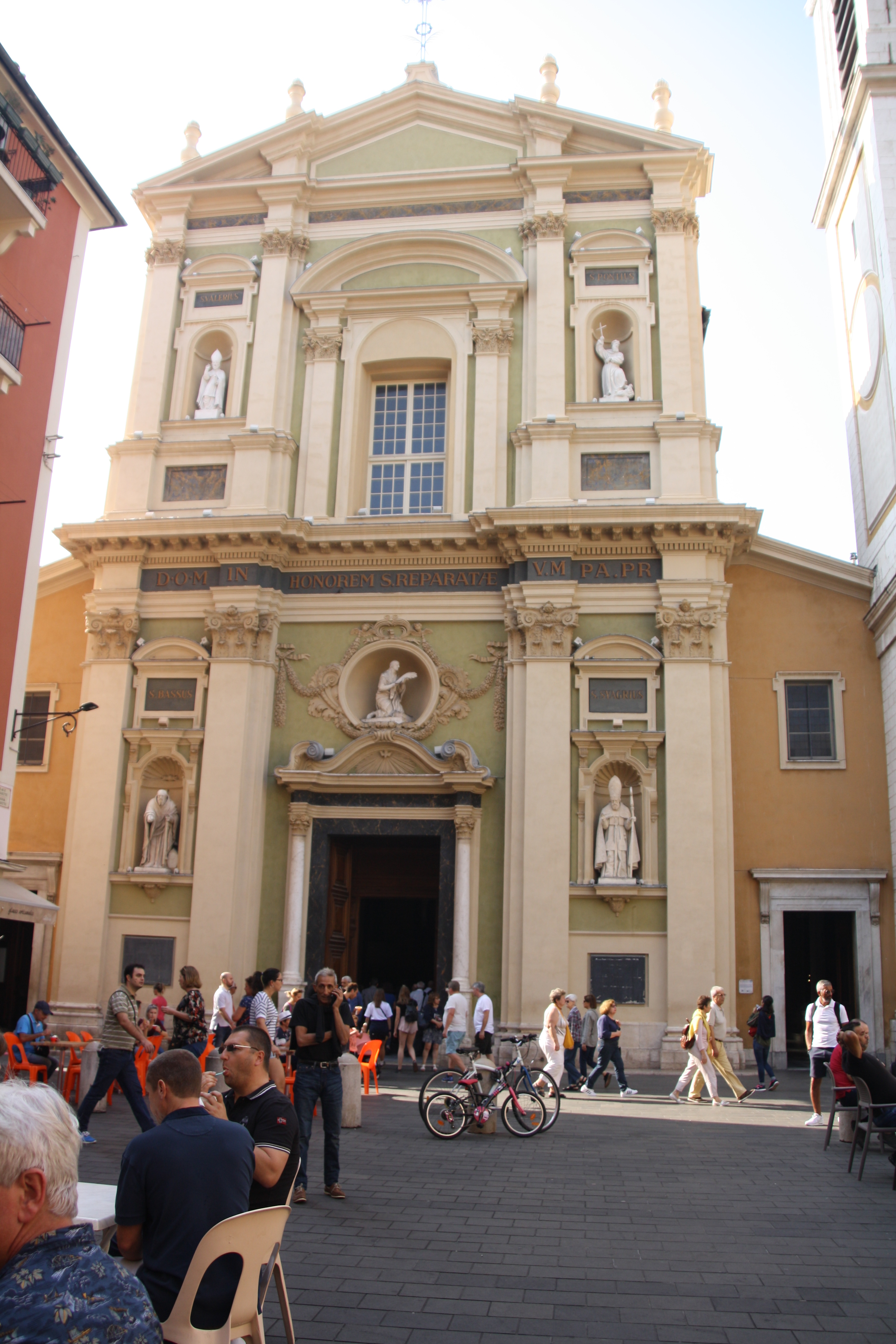
Nice Cathedral is a Roman Catholic cathedral located in the old town part of Nice.
The cathedral is the seat of the Diocese of Nice. The construction of the main part of the current cathedral’s body started in 1650 and finished in 1685. Further construction continued after its consecration in 1699, with new structures and decorative elements added to the cathedral until 1949. The cathedral is dedicated to the Assumption of the Virgin Mary and Saint Reparata. It has been classified as a national monument since 9 August 1906.

Palace Masséna
The Place Masséna is a historic square and was named for André Masséna. Its layout was designed by Joseph Vernier in 1843-1844.
The Place Masséna is the main square of the city. Before the Paillon River was covered over, the Pont-Neuf was the only practicable way between the old town and the modern one. The square was thus divided into two parts (North and South) in 1824. With the demolition of the Masséna Casino in 1979, the Place Masséna became more spacious and less dense and is now bordered by red ochre buildings of Italian architecture.
The recent rebuilding of the tramline gave the square back to the pedestrians, restoring its status as a real Mediterranean square. It is lined with palm trees and stone pines, instead of being the rectangular roundabout of sorts it had become over the years. Since its construction, the Place Masséna has always been the spot for great public events. It is used for concerts, and particularly during the summer festivals, the Corso carnavalesque (carnival parade) in February, the military procession of 14 July (Bastille Day) or other traditional celebrations and banquets.
The Place Masséna is a two-minute walk from the Promenade des Anglais, old town, town centre, and Albert I Garden (Jardin Albert Ier). It is also a large crossroads between several of the main streets of the city: avenue Jean Médecin, avenue Félix Faure, boulevard Jean Jaurès, avenue de Verdun and rue Gioffredo.

Flower Market
In the shade of pretty striped awnings is the flower market which is held every day, from 6 am to 5.30 pm except Mondays, Sunday afternoons and public holidays.

Monument Du Centenaire
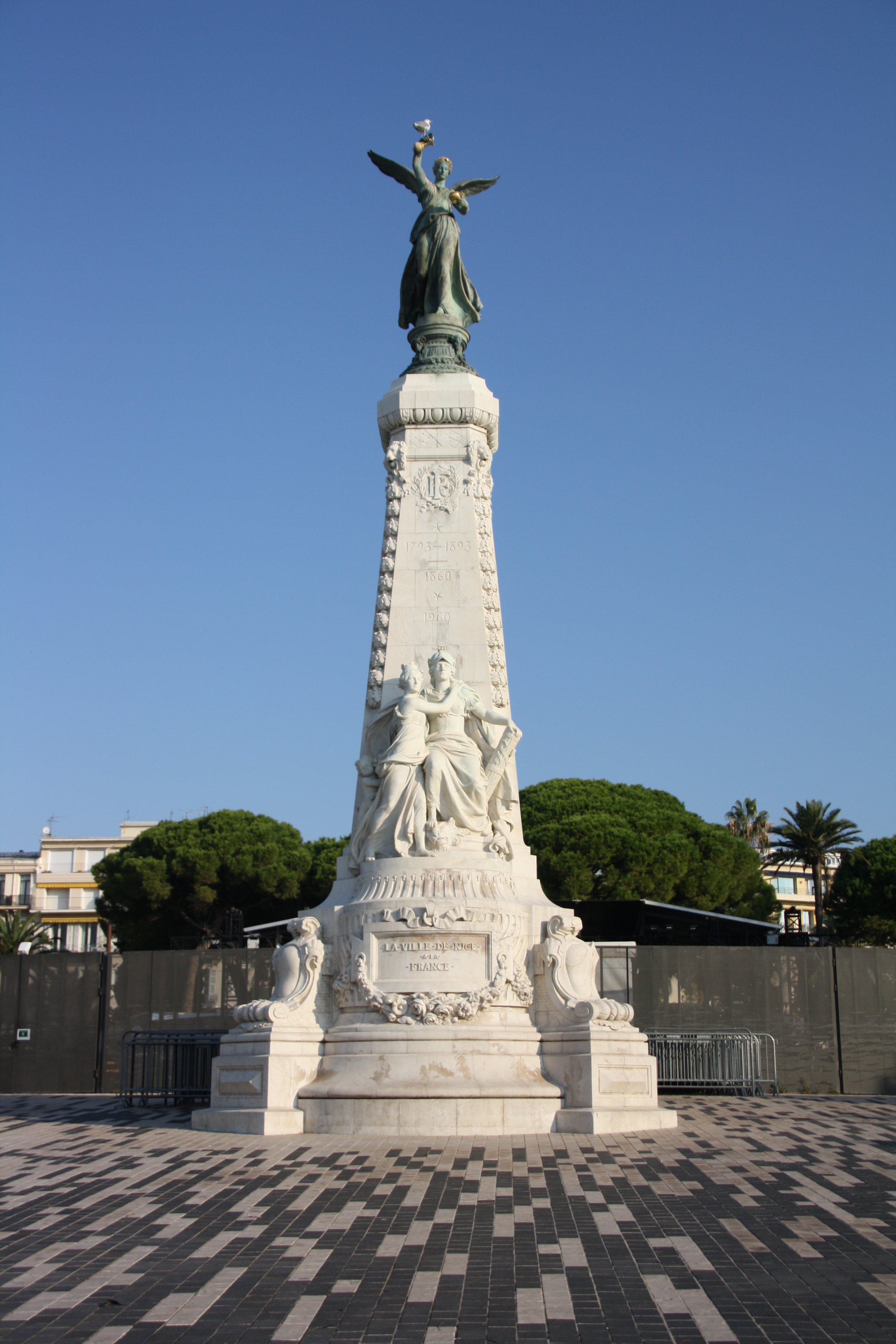
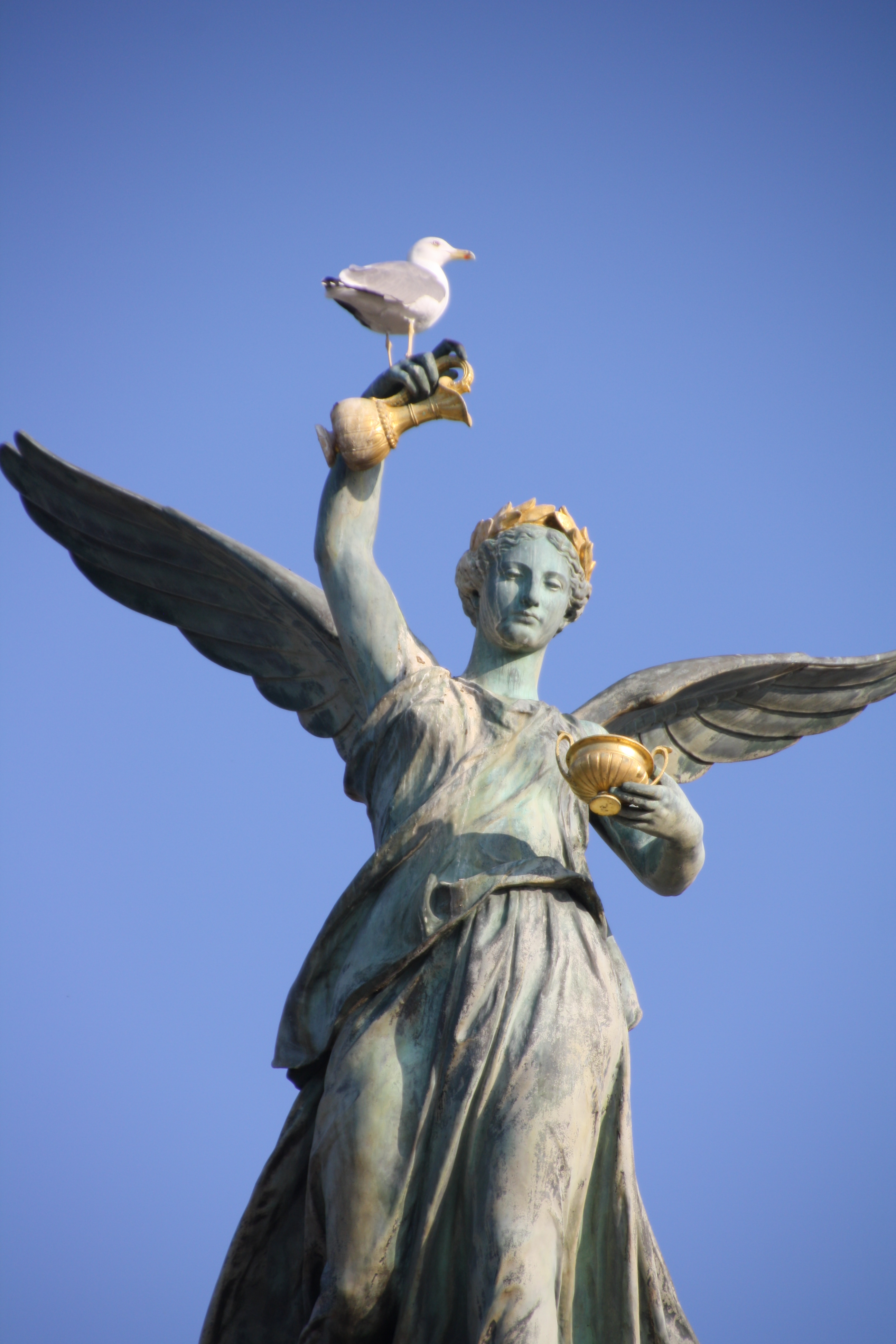
Built in 1893, this monument commemorates the decree declaring the Comté de Nice to be part of France and the creation of the Alpes-Maritimes département.
 Heather and Keith's travels