Perth
This is the state capital of Western Australia and is the remotest city in the world. It’s nearest city, Adelaide is 2,104 km (a three-hour plane ride away).
When we landed in Perth this was the first time we had been to the southern hemisphere. After leaving Manchester on Saturday and arriving in Perth on Sunday evening the first thing that hit us was it’s “very Englishness”. I suppose that this isn’t surprising as when we visited in 2012 it had a high number of people who were born overseas roughly 36% of the population, many of these from blighty.
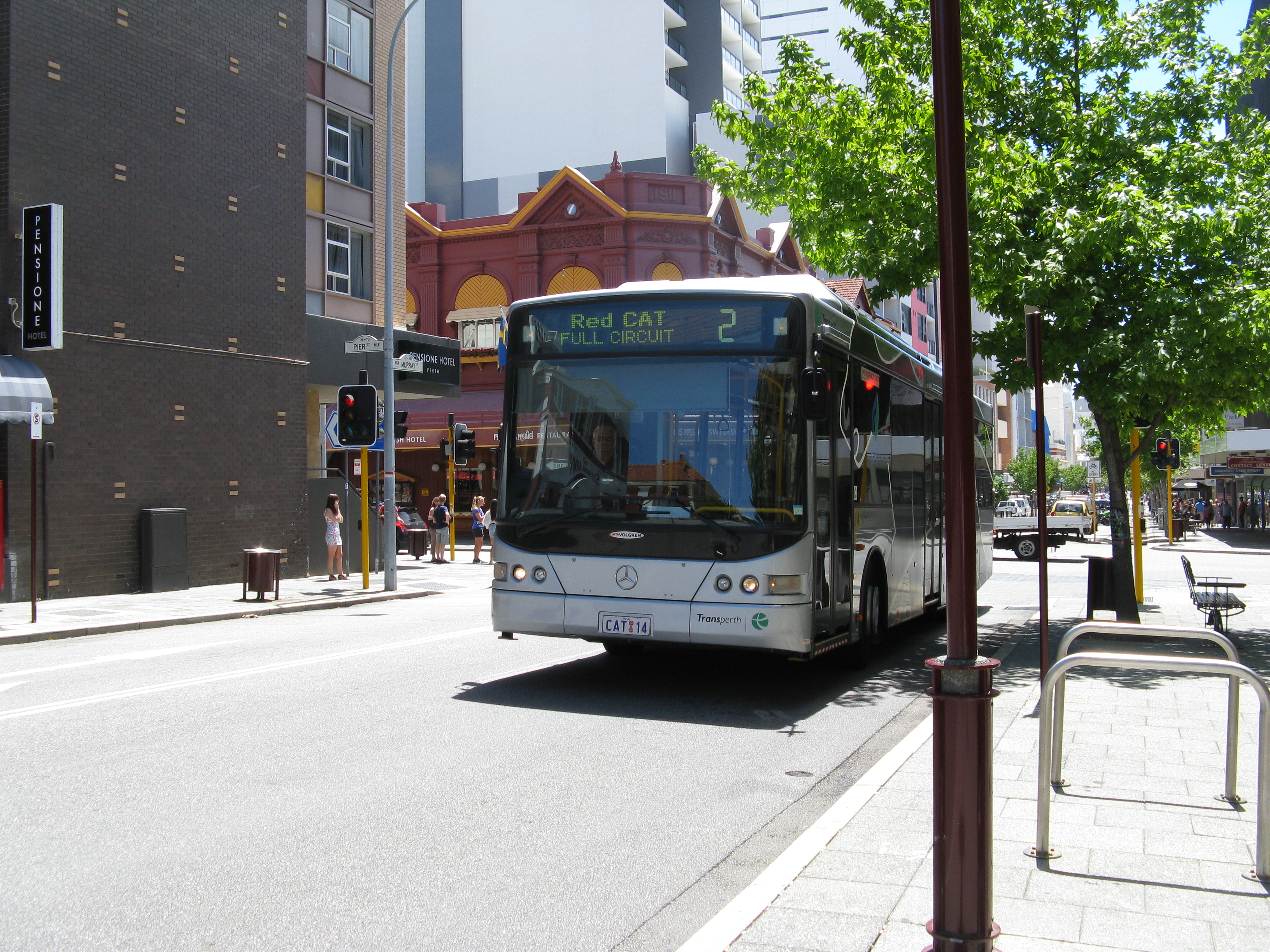
Perth has a number of busses called CAT which run throughout the city, when we visited they were free. It’s a great way to view the city and get orientated.
Christmas in the sun, this hold special memories as we met Claire one of my Heywood collagues who moved to Oz the previous October.
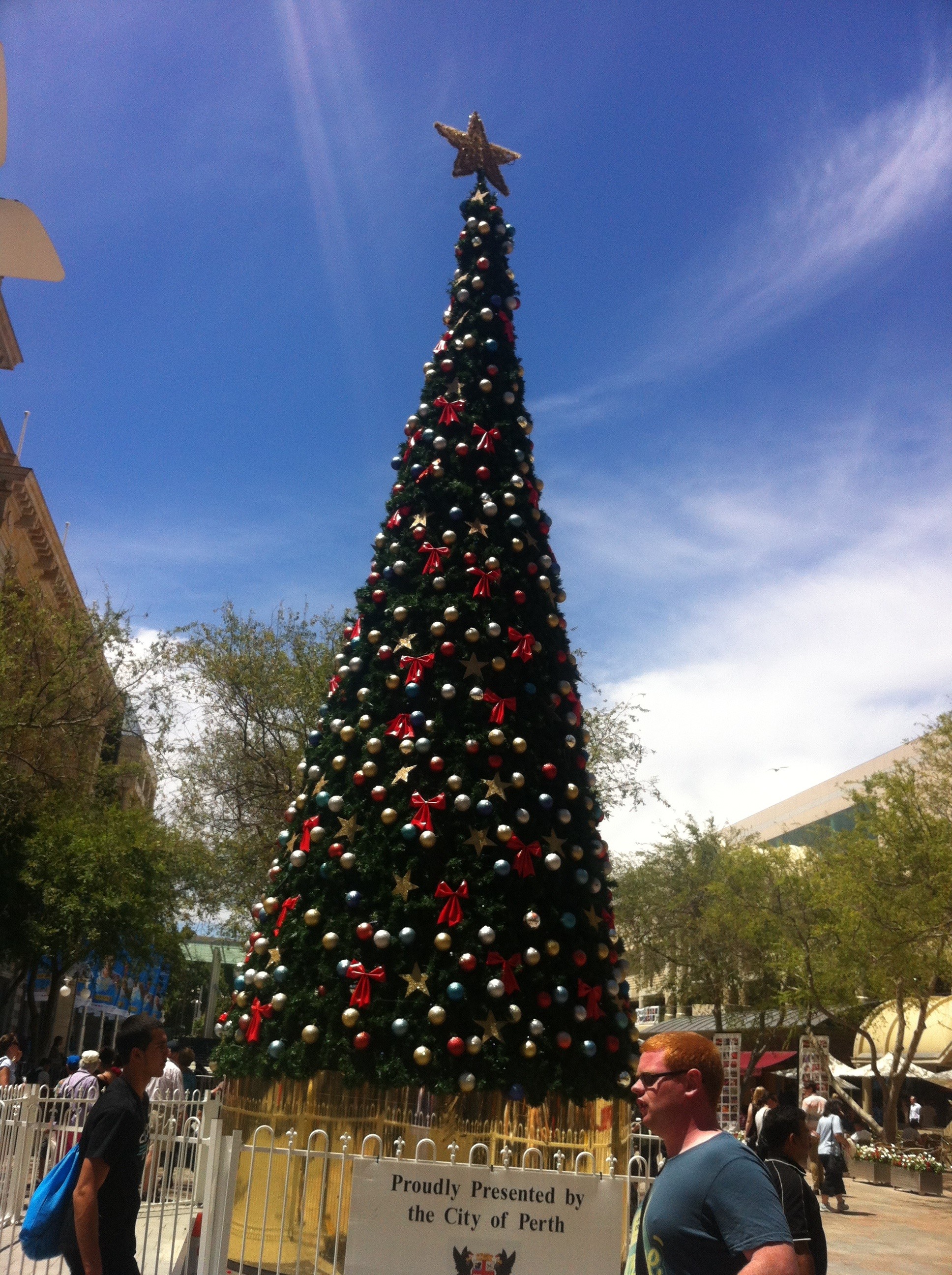
Christmas shopping when the weather is over 35 degrees, it’s a strange concept.

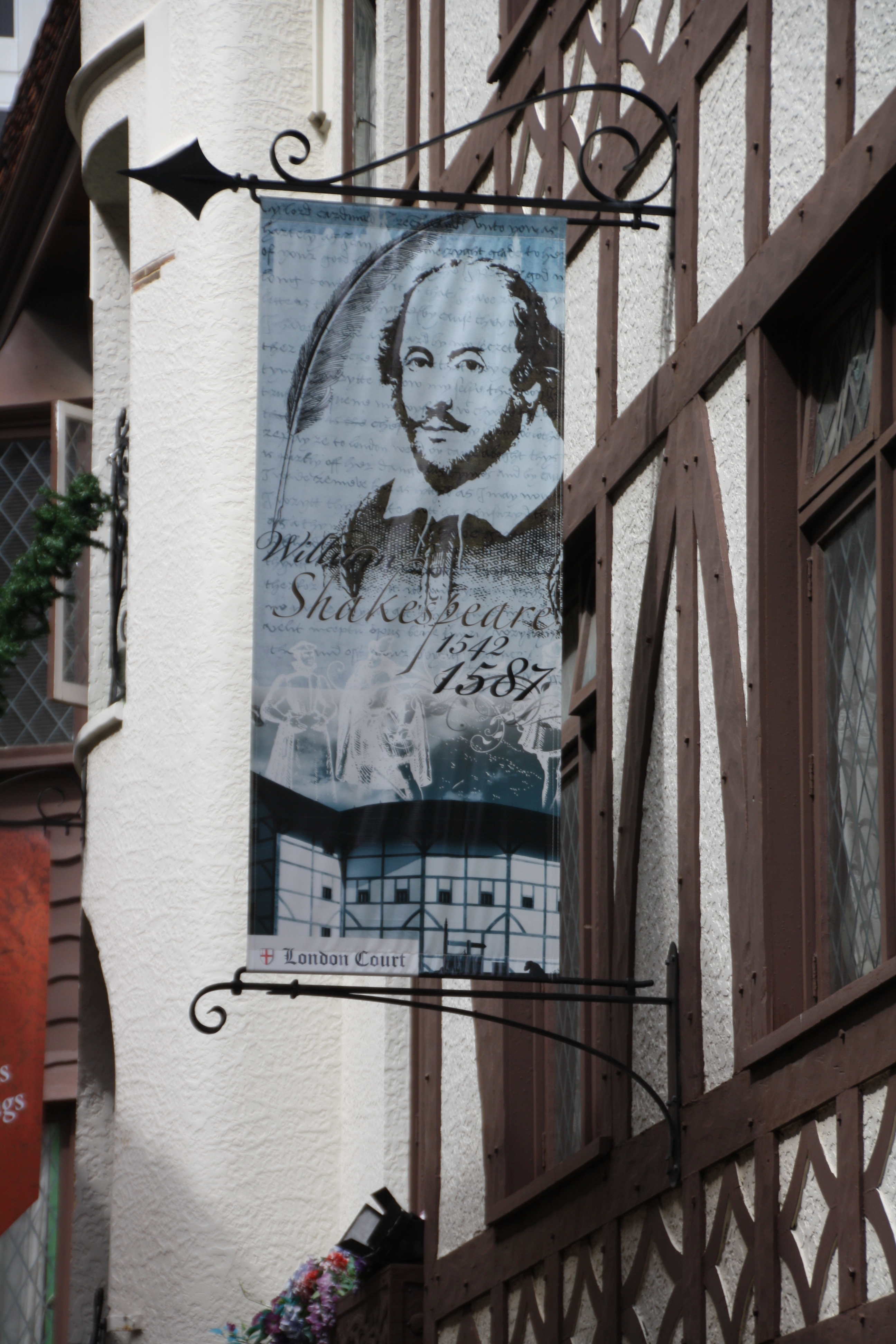
This William Shakespeare bloke gets around a bit, even got his own pub in Perth.
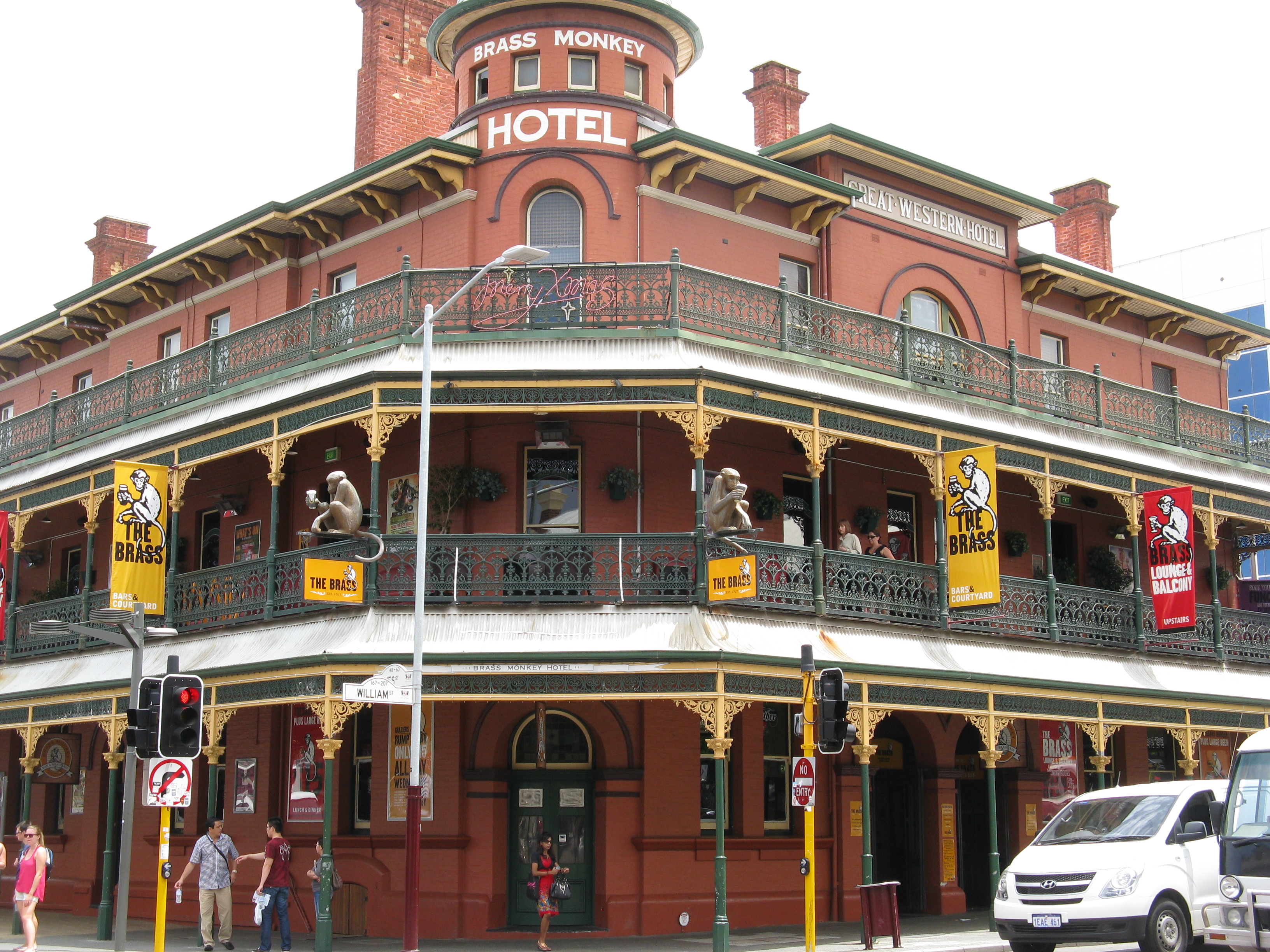
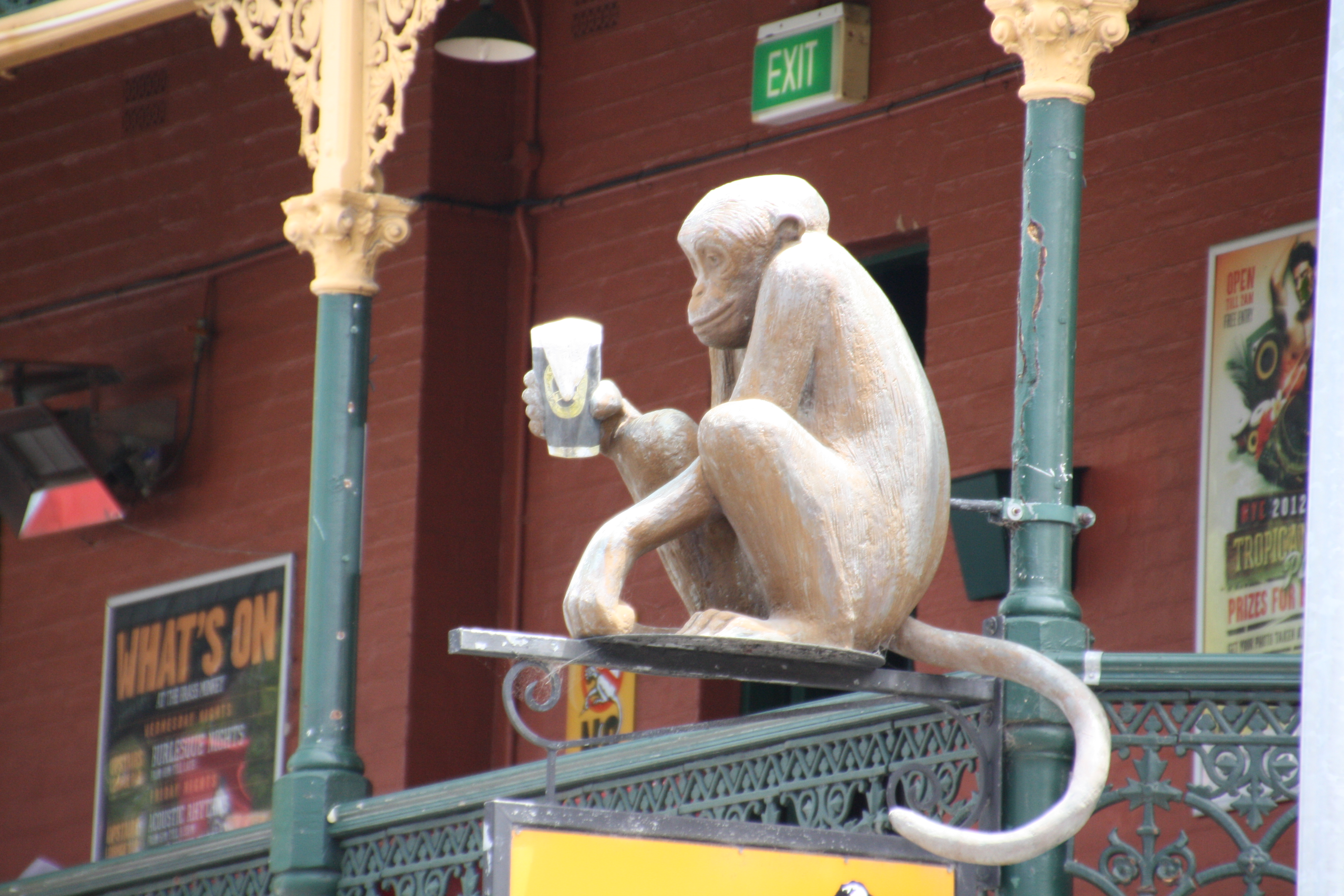
Unusual name for a hotel in a city which is so hot, we would expect this to be the UK where the weather is cold enough to freeze the …. off a brass monkey.
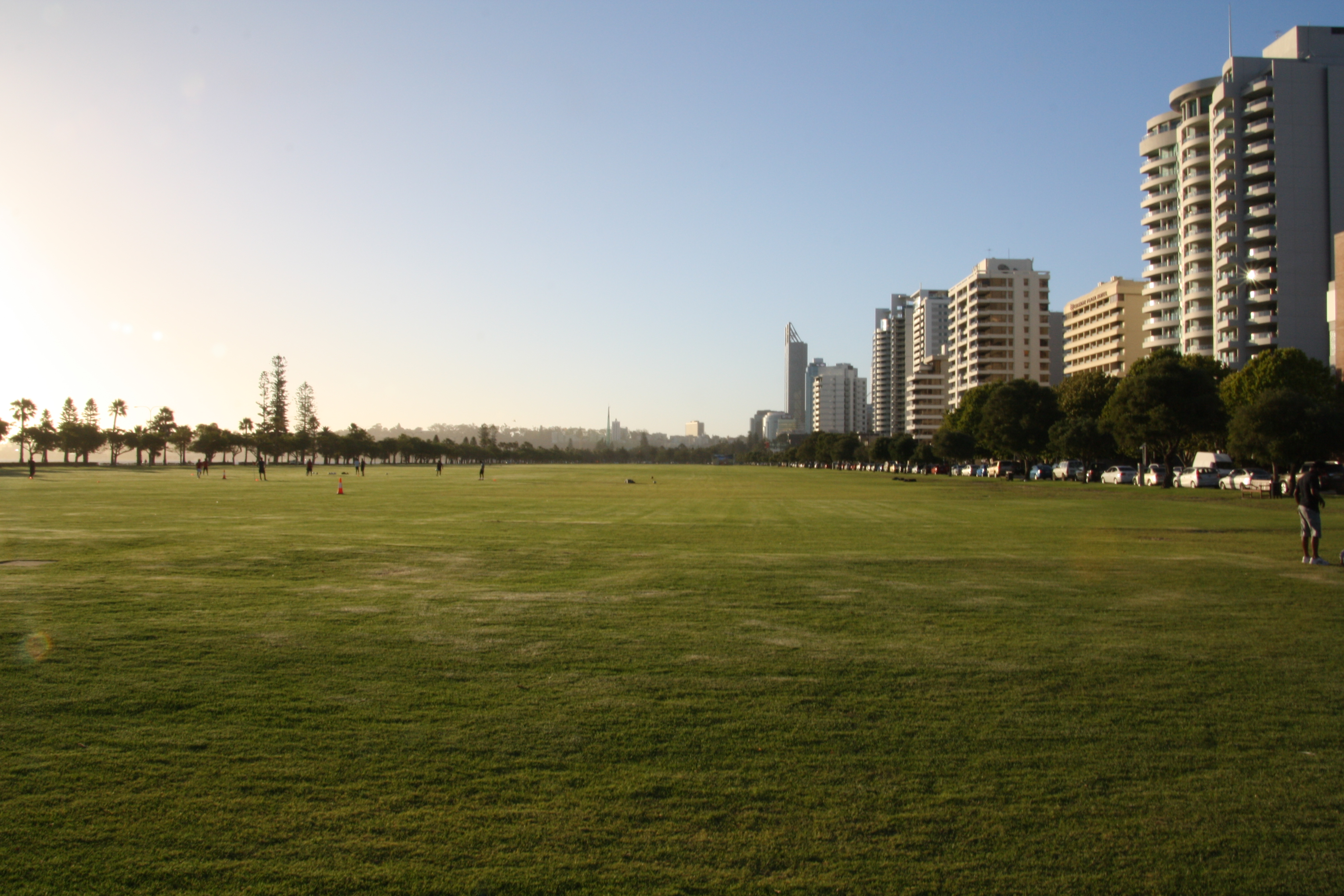
Perth has lots of open spaces, particularly in the central business district. This piece of land separates the high-rise buildings with the Swann river.
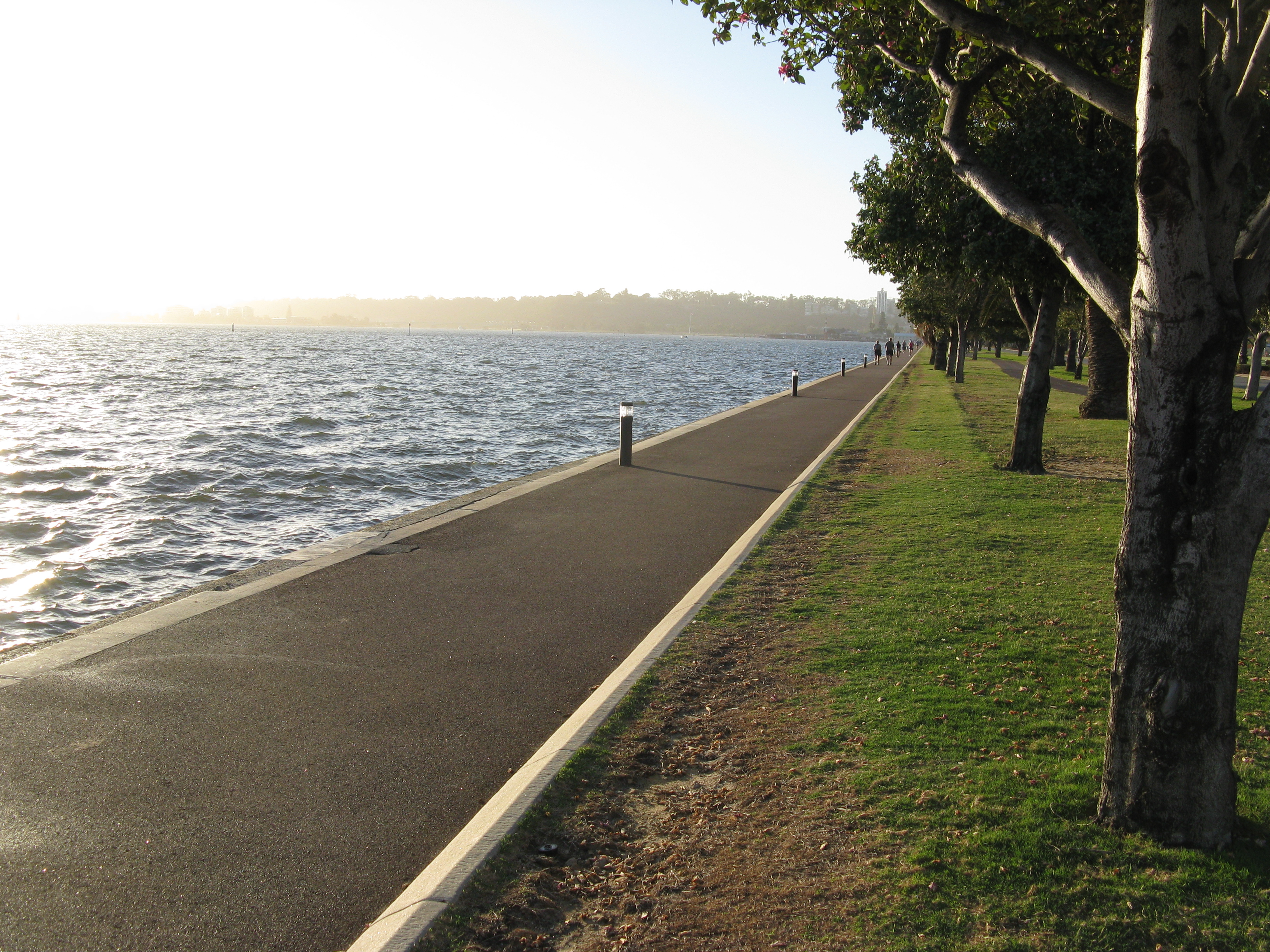
Wandering along the Swann river in the evening with “The Doctor” blowing in.
The first time Keith heard this was when a commentator referred to the Doctor during a cricket match from the WACA, Western Australia’s old home ground. No explanation was given. It was only years later with the advent of the internet that Keith found out what this meant.
The Fremantle Doctor, the Freo Doctor, or simply The Doctor, is the Western Australian vernacular term for the cooling afternoon sea breeze that occurs during summer months in south west coastal areas of Western Australia. The sea breeze occurs because of the major temperature difference between the land and sea.
It was known to have an impact on cricket games being played at the WACA Ground, particularly helping fast and medium swing bowlers by making it hard for a batsman to play at the ball, while also providing a cooling breeze to the players on the field.
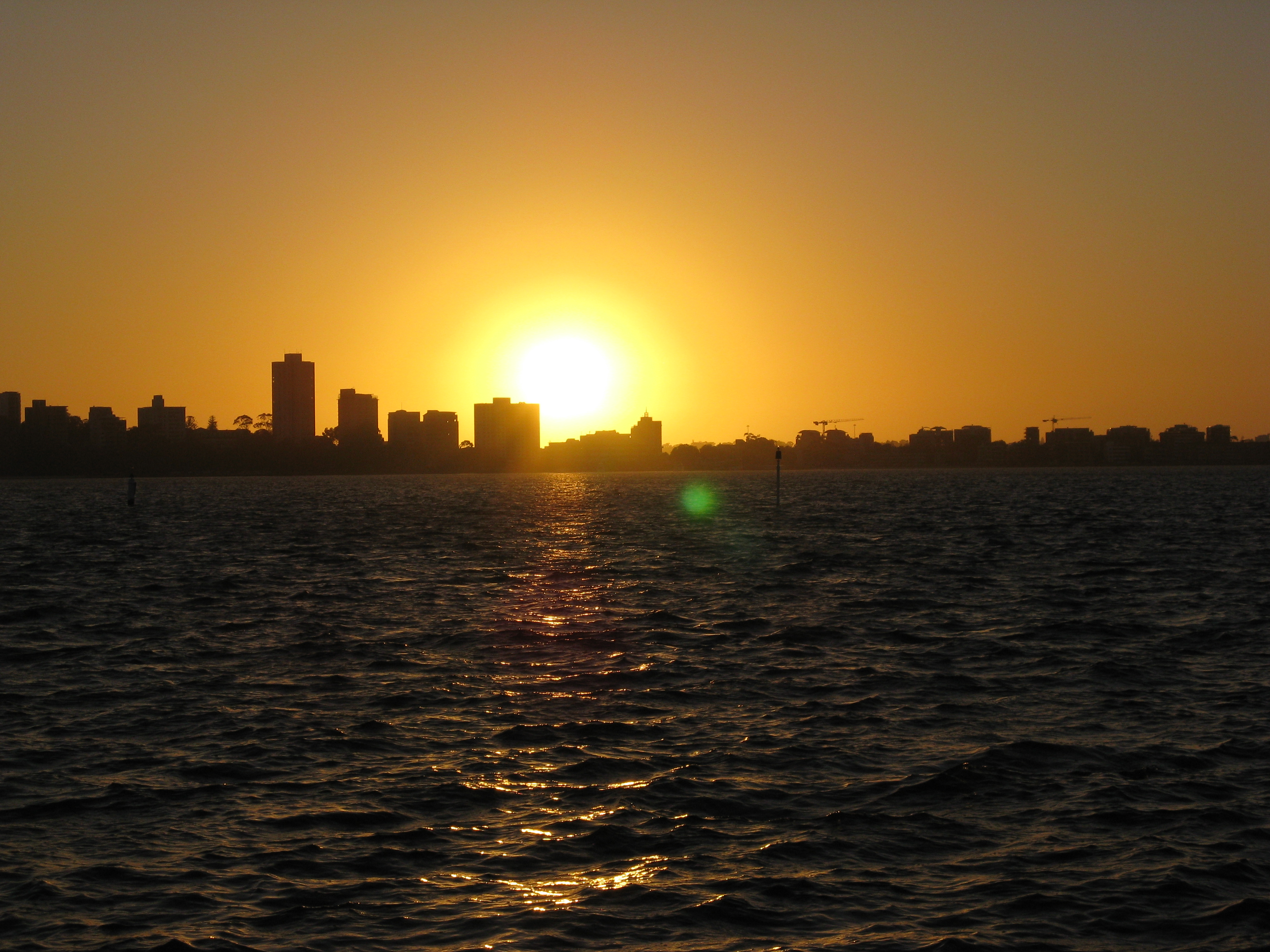
Last night in Perth before heading off to Melbourne for Christmas and the high light of the journey which is the boxing day test at the MCG
Fremantle
Fremantle is the largest port in Western Australia which is located at the mouth of the Swan River. Fremantle was the first area settled by the Swan River colonists in 1829. It was declared a city in 1929.
The city is named after Captain Charles Fremantle, the English naval officer who established a camp at the site on 2 May 1829. The city contains well-preserved 19th century buildings and other heritage features.
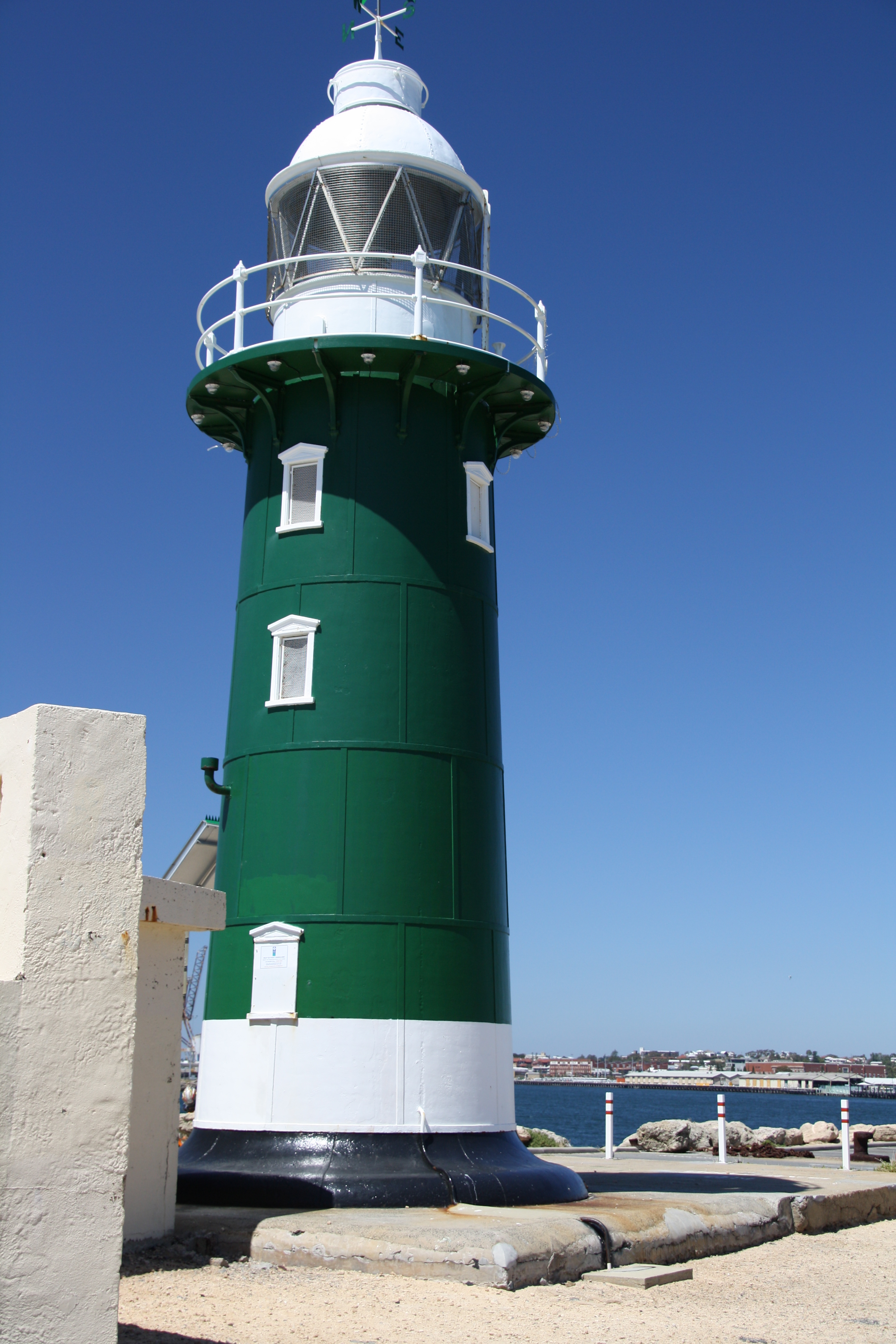
The lighthouse protected the port of freemantle.
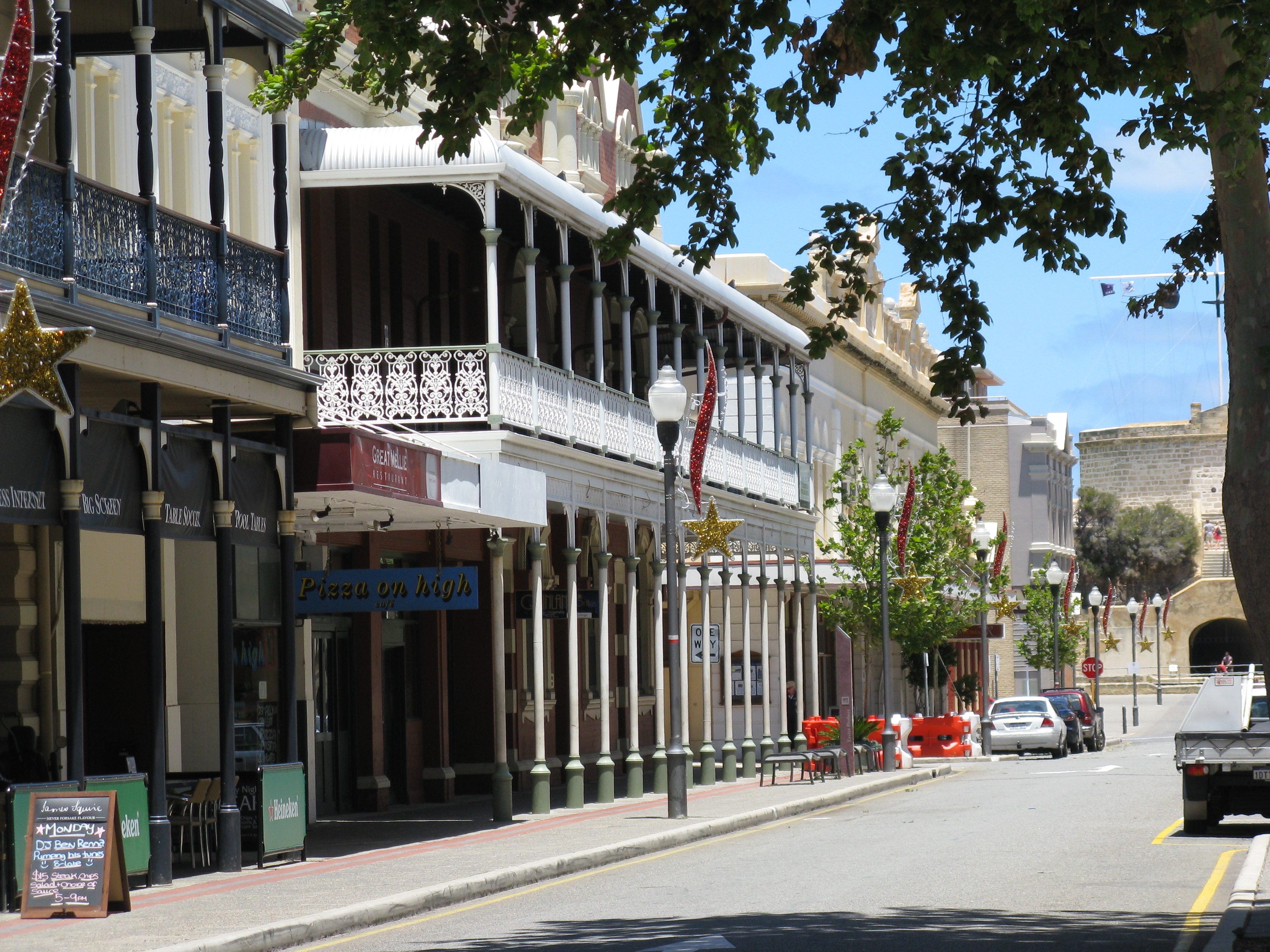
Freemantle feels like the set of an American western apart from the fact that the roads have tarmac and not dust.
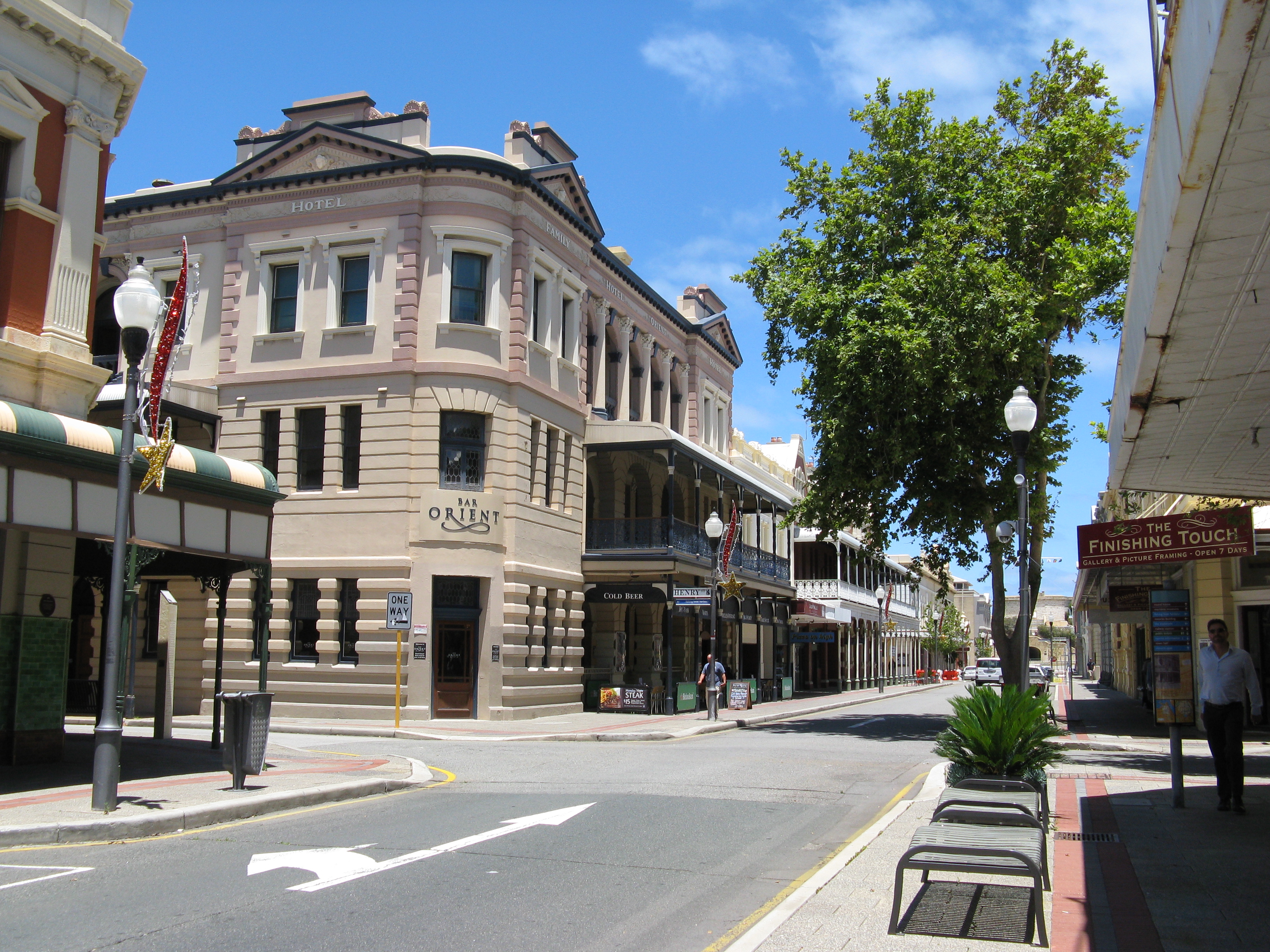
In the head of the day the streets are deserted, do people follow the Mediterranean habit of taking a sieseta?
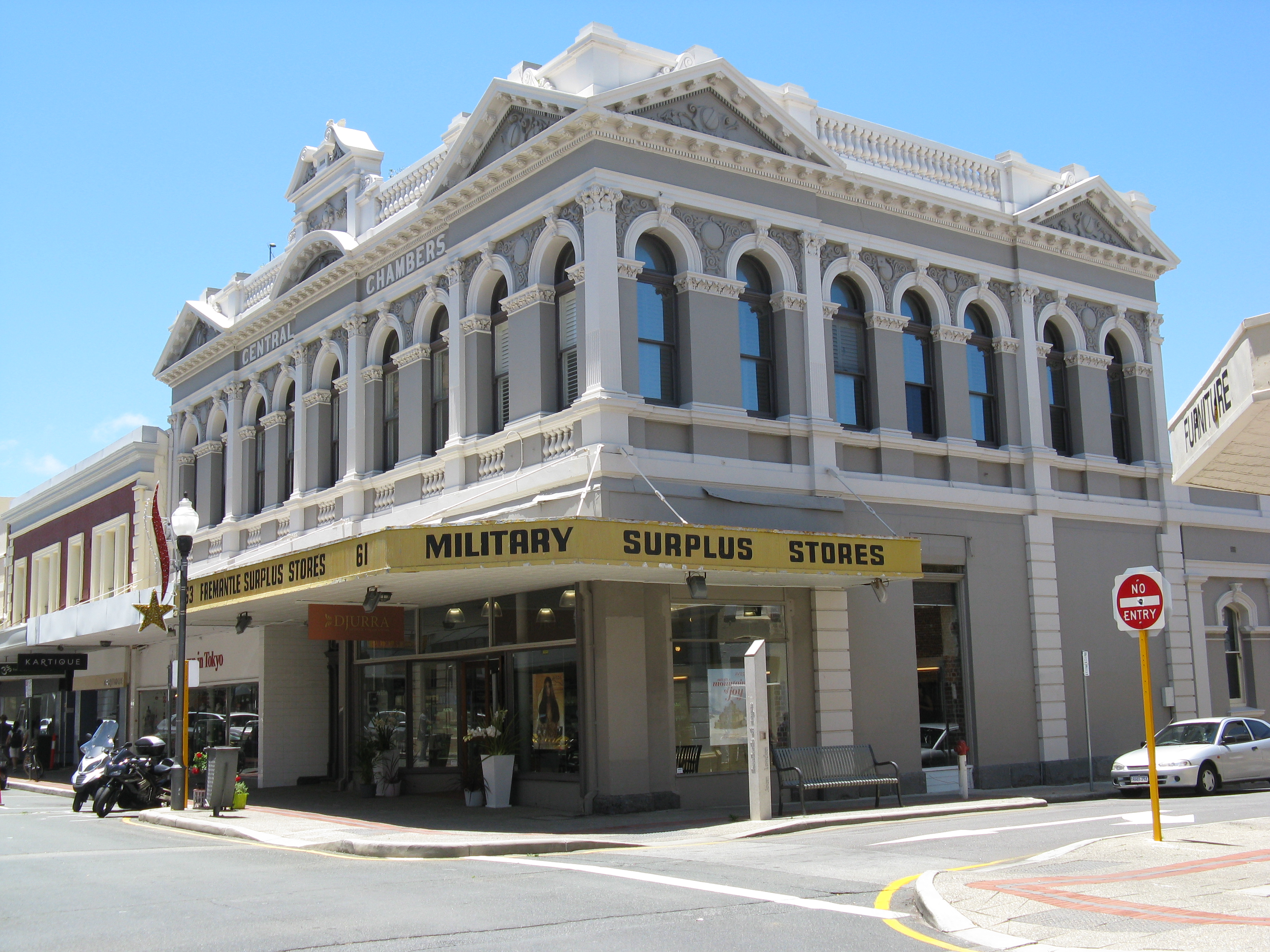
The architecture is stunning and a bit colonial.
Sitting looking out to sea, it doesn’t get much better than this.
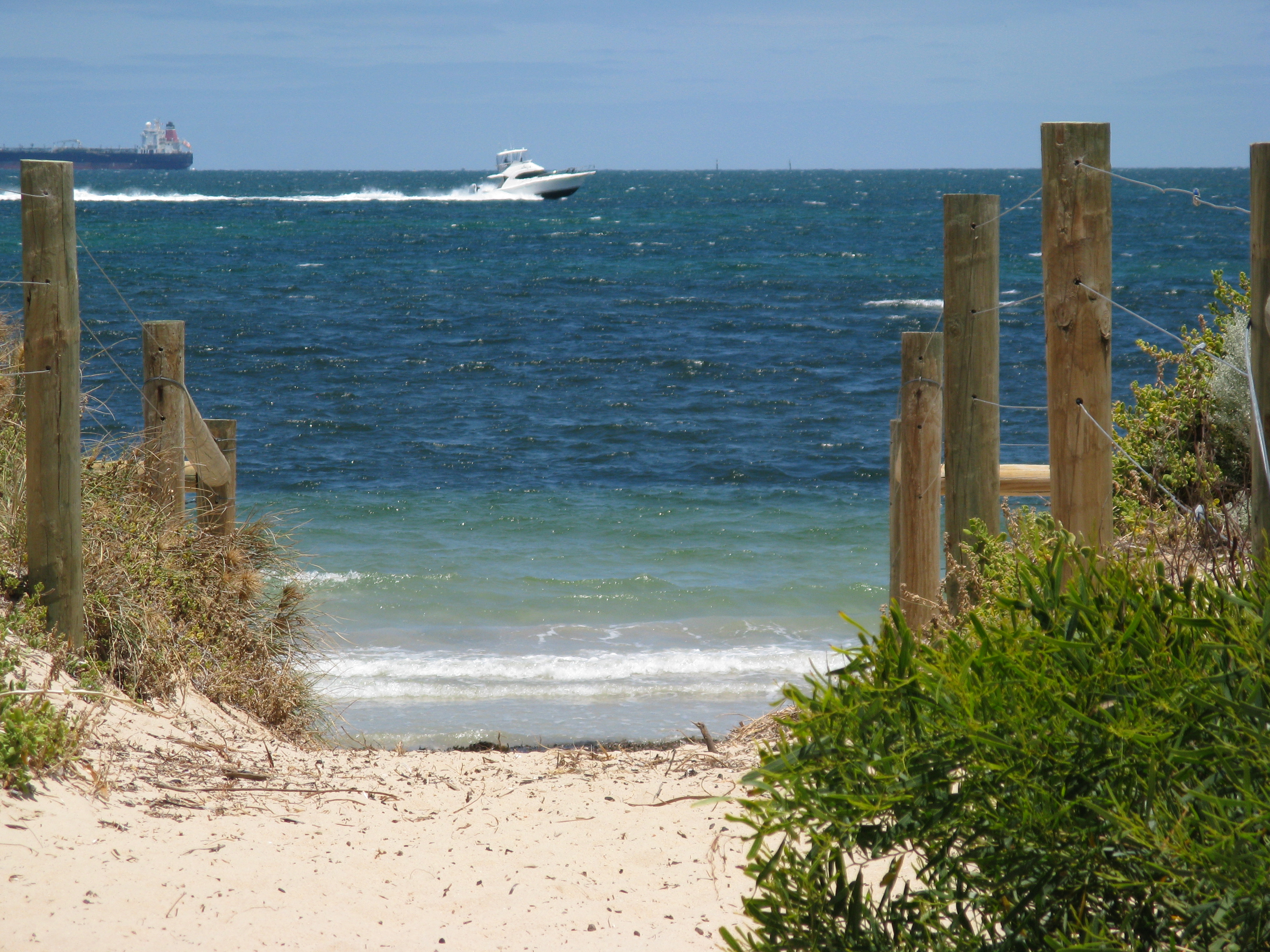
Cape Leeuwin
Cape Leeuwin is the most south-westerly mainland point of the Australian continent in Western Australia.
It lies just outside Perth according to the locals. Never take advice from an Australian local when it comes to distances because it turns out just outside Perth is a 440 mile round trip.
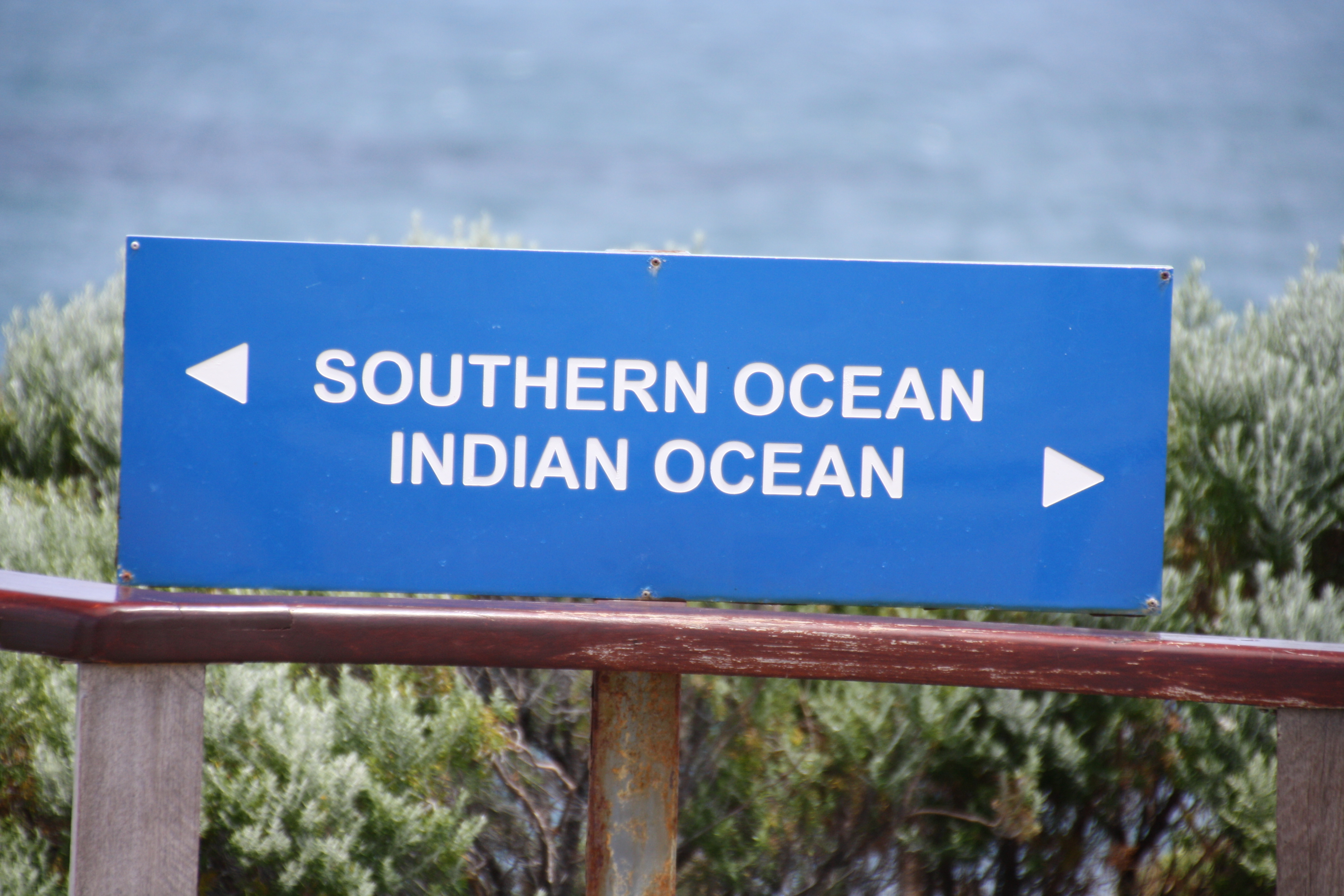
The Cape is considered the point where the Indian Ocean meets the Southern Ocean.
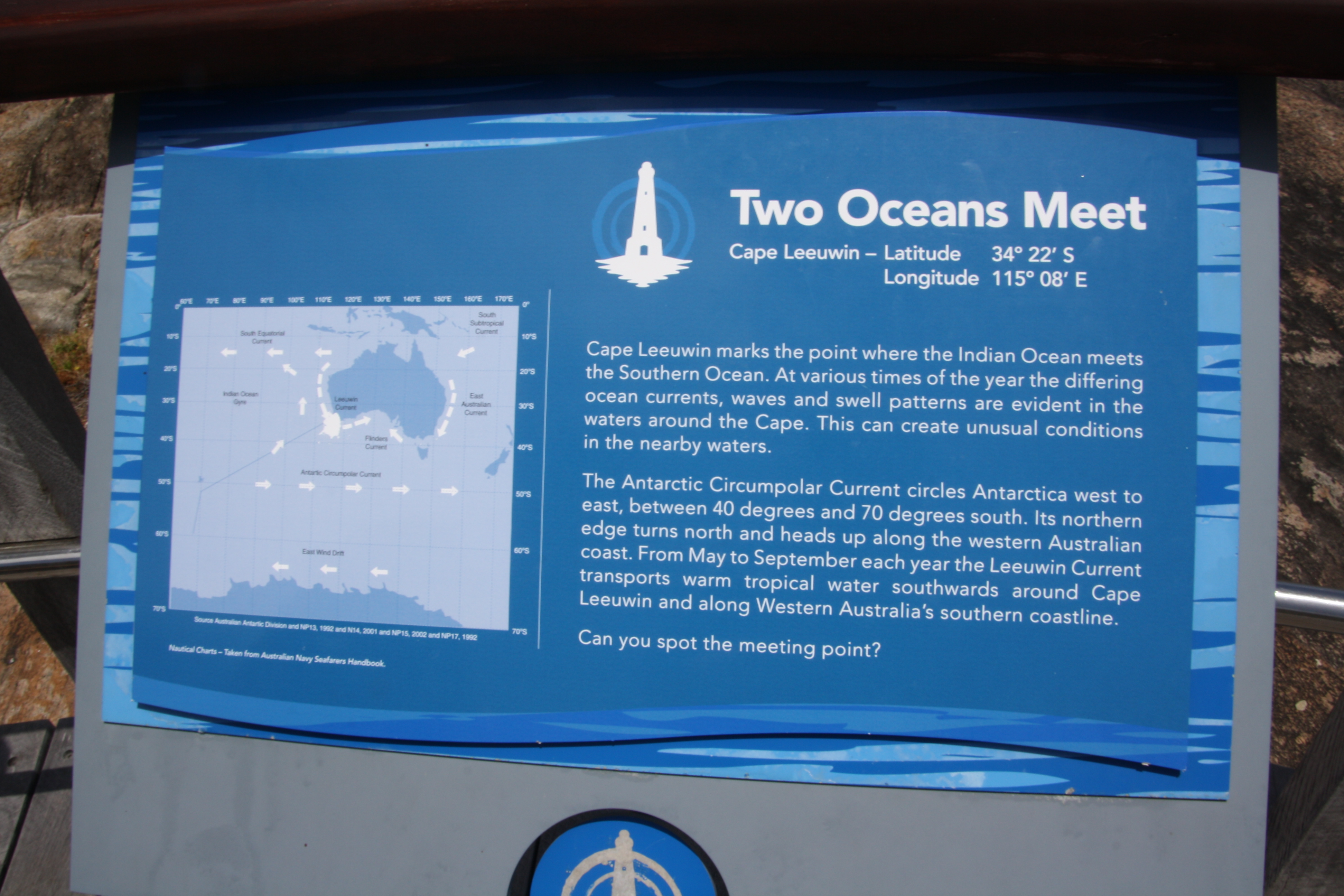
If in doubt of which is which then just look at the sign.
The main feature is the lighthouse which was constructed in 1895. When we were returning to the reception area one of the wardens was telling a group of people “stay on the path as snakes have been spotted in the area”. Sometimes ignorance is bliss.

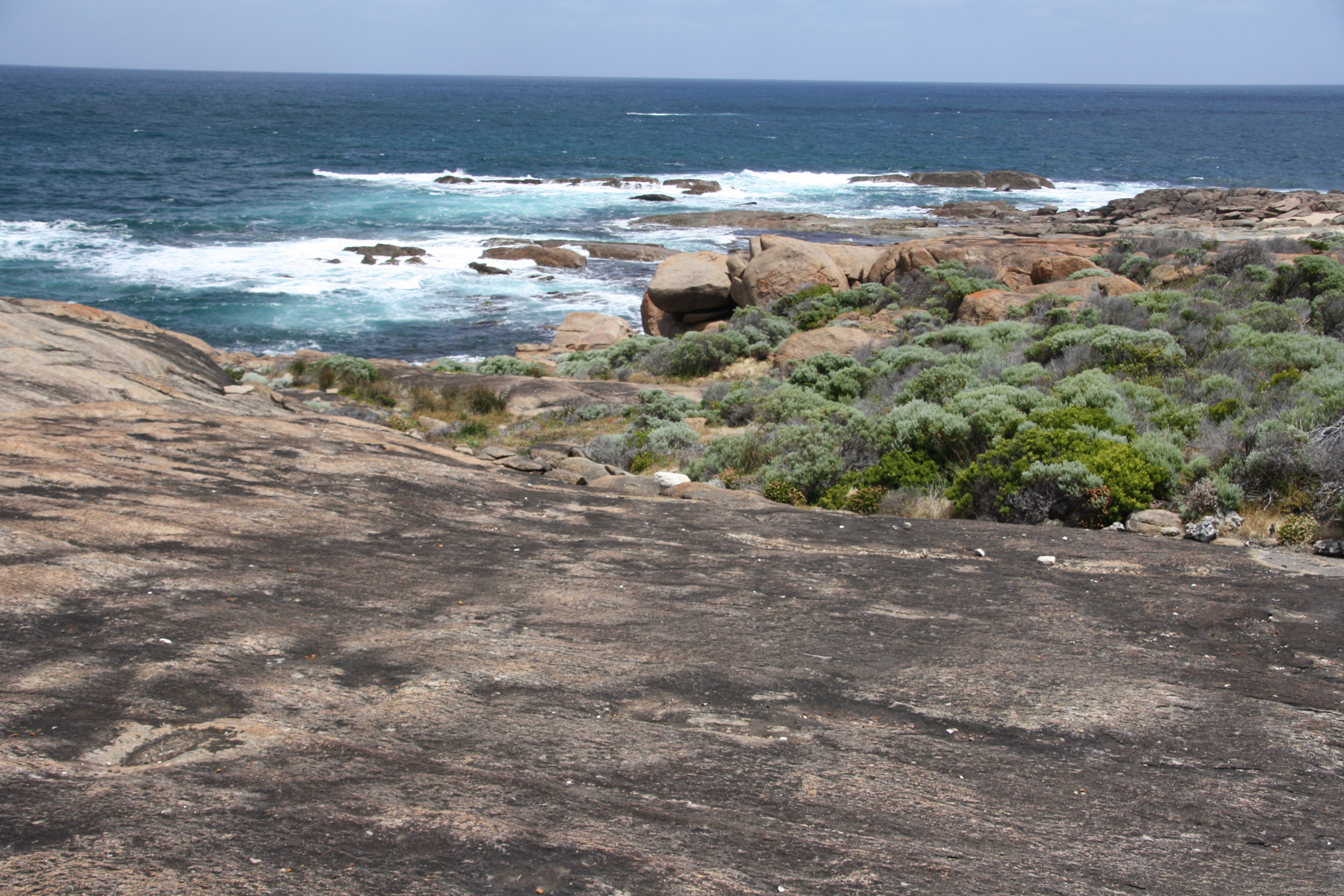
Sitting here looking at the view it’s hard to imagine in the heat that the next land mass is Antarctica.
Rottnest Island
Rottnest Island sits just offshore from Perth and is a protected nature reserve, it’s home to the quokka, a small wallaby-like marsupial. White-sand beaches and secluded coves include the Basin, with its shallow waters, and Thomson Bay, the main hub and ferry port. Strickland Bay is known for its surf breaks, while reef breaks occur at Radar Reef, off the island’s far western tip.
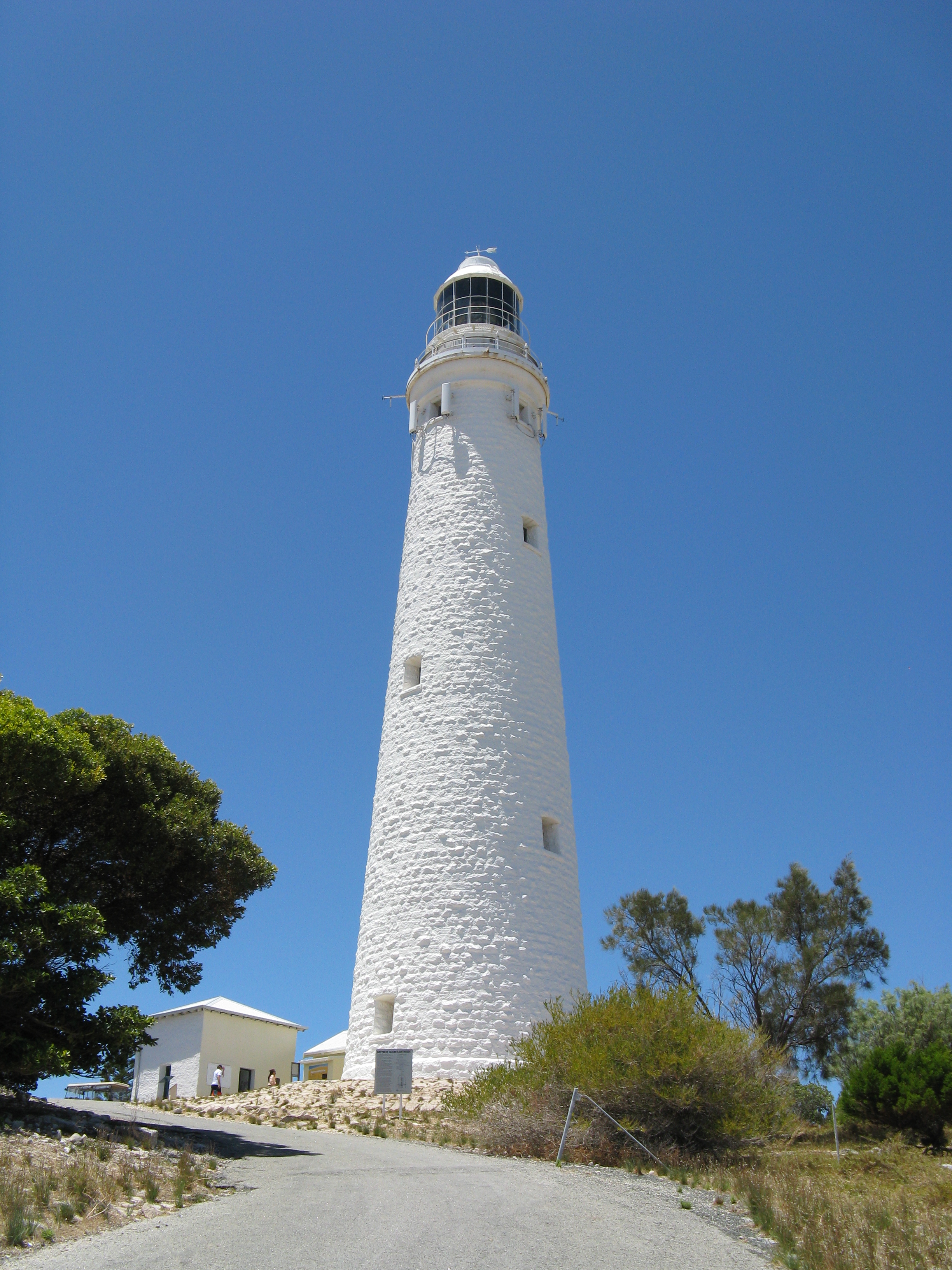
Keith’s mum was in to lighthouses having spent holidays staying at Hale lighthouse in the Mersey estuary so we had to take photo’s. This one was open and you can climb to the top up a spiral metal staircase. It’s okay going up because you can see where your feet are going but coming down it’s decidedly scary.
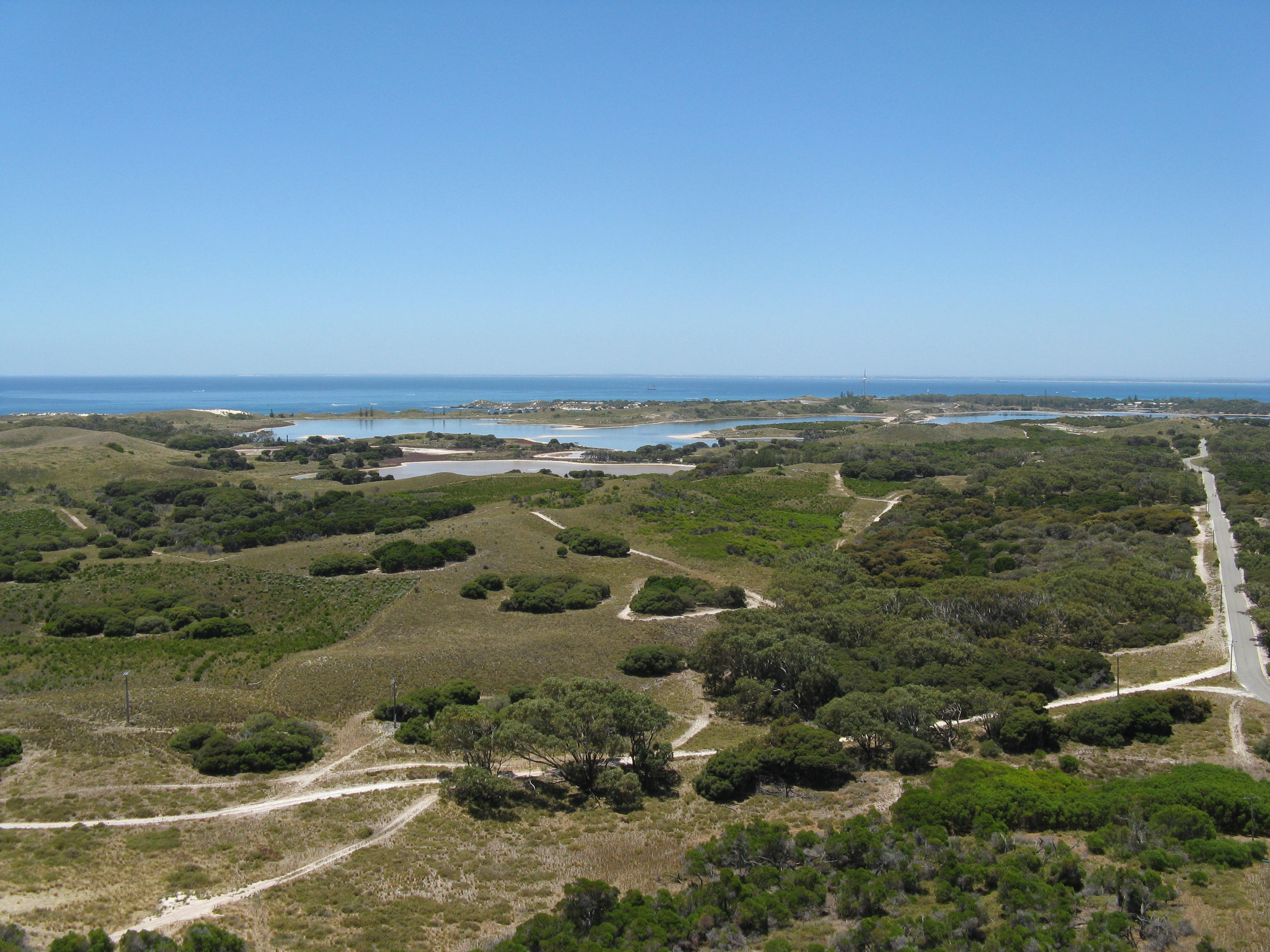
A view from the top of the lighthouse, looking out to the west.
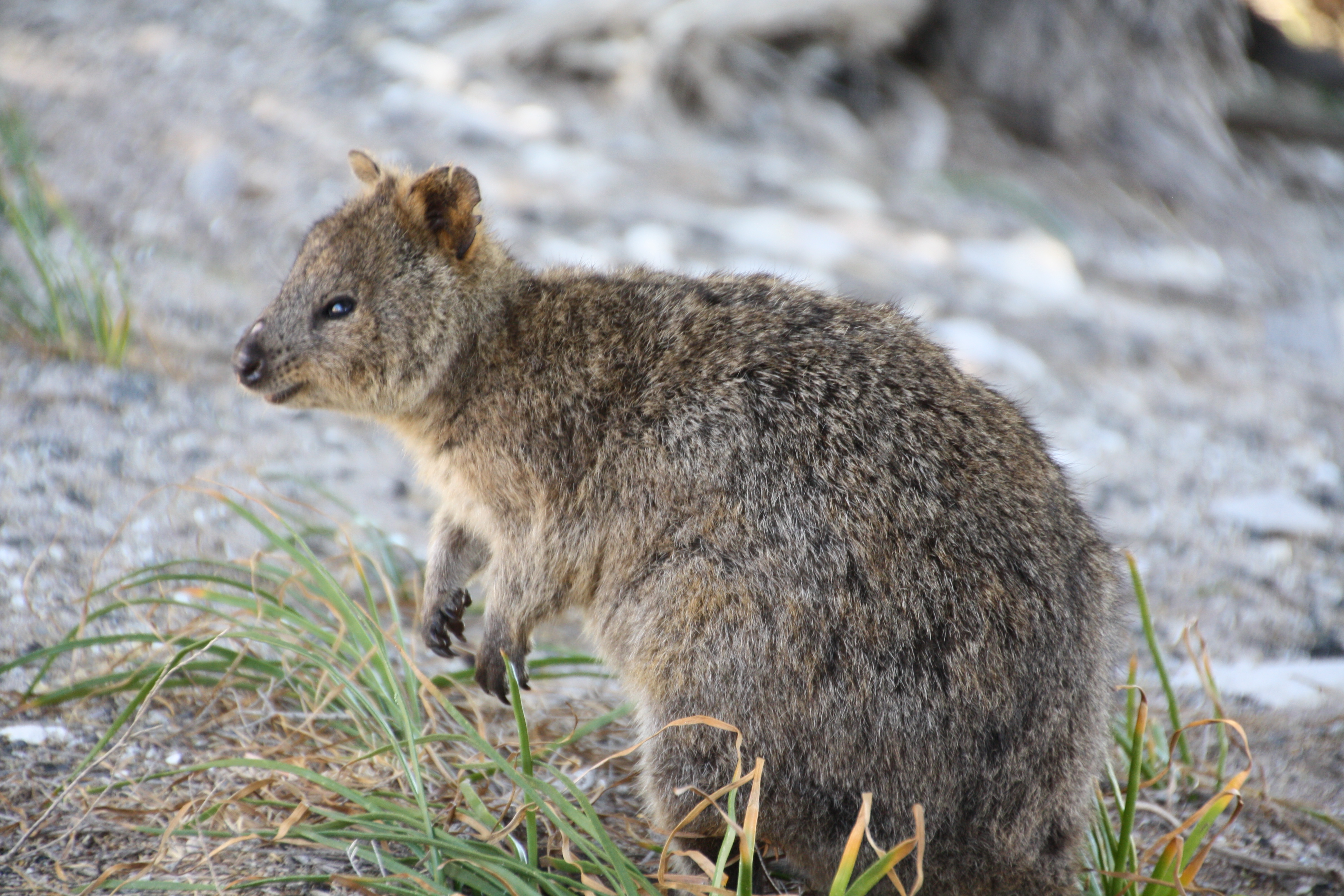
One of Rottnest islands most famous residents the quokka. It is only found in western Australia mainly on a number small islands including Rottnest
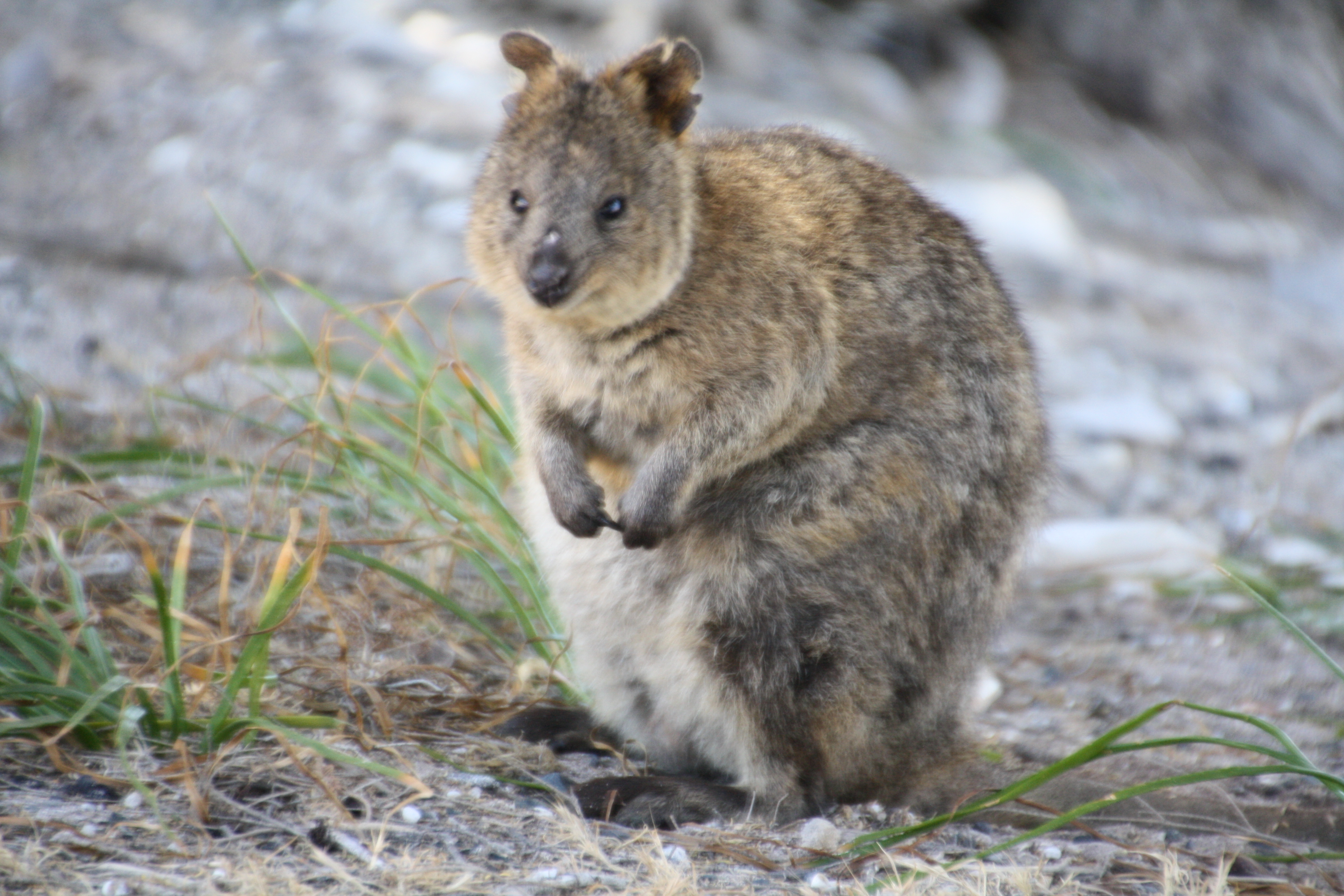
If you saw this picture from a distance you would swear that it was kangaroo or wallaby.
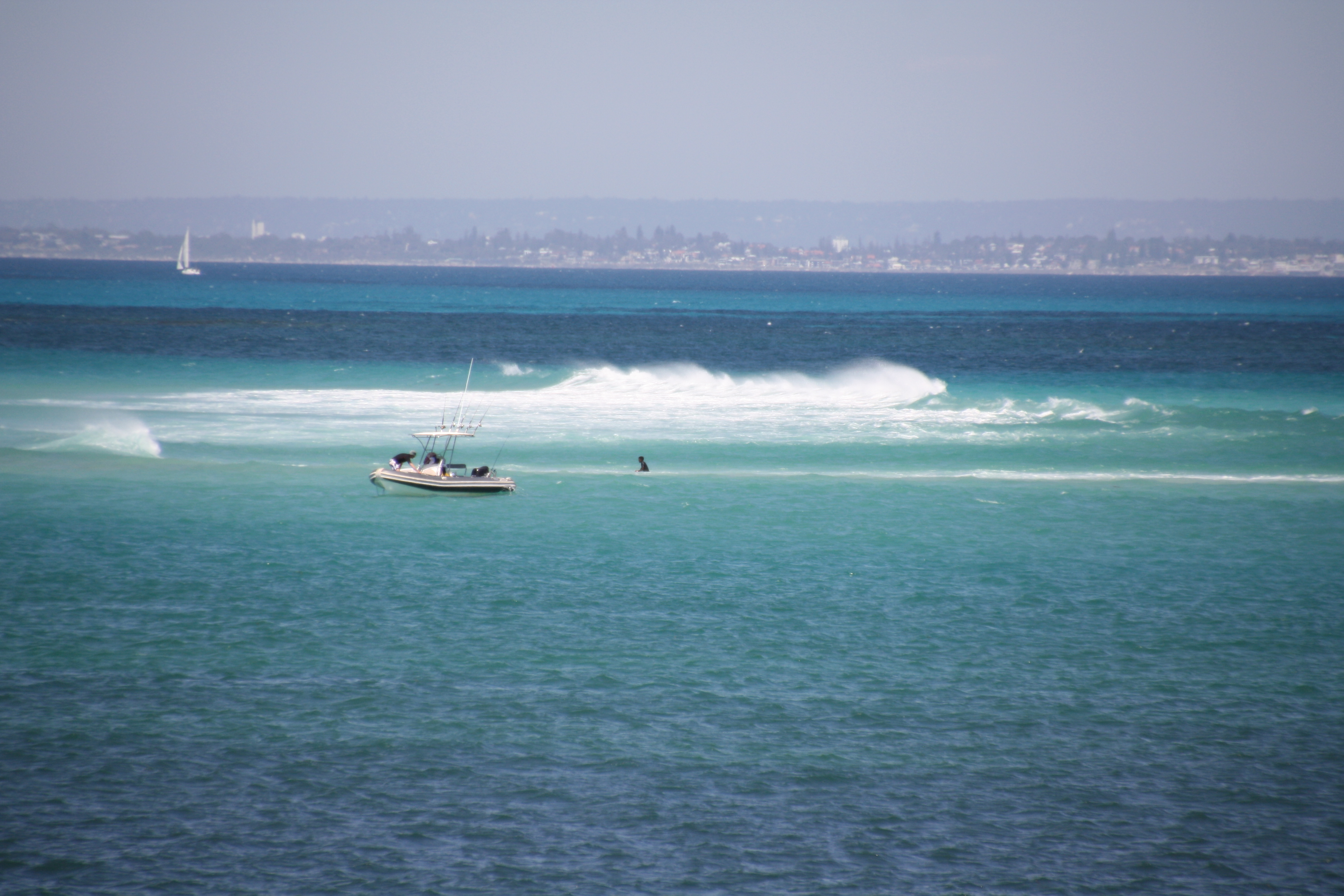
The view out to sea with Perth in the background.
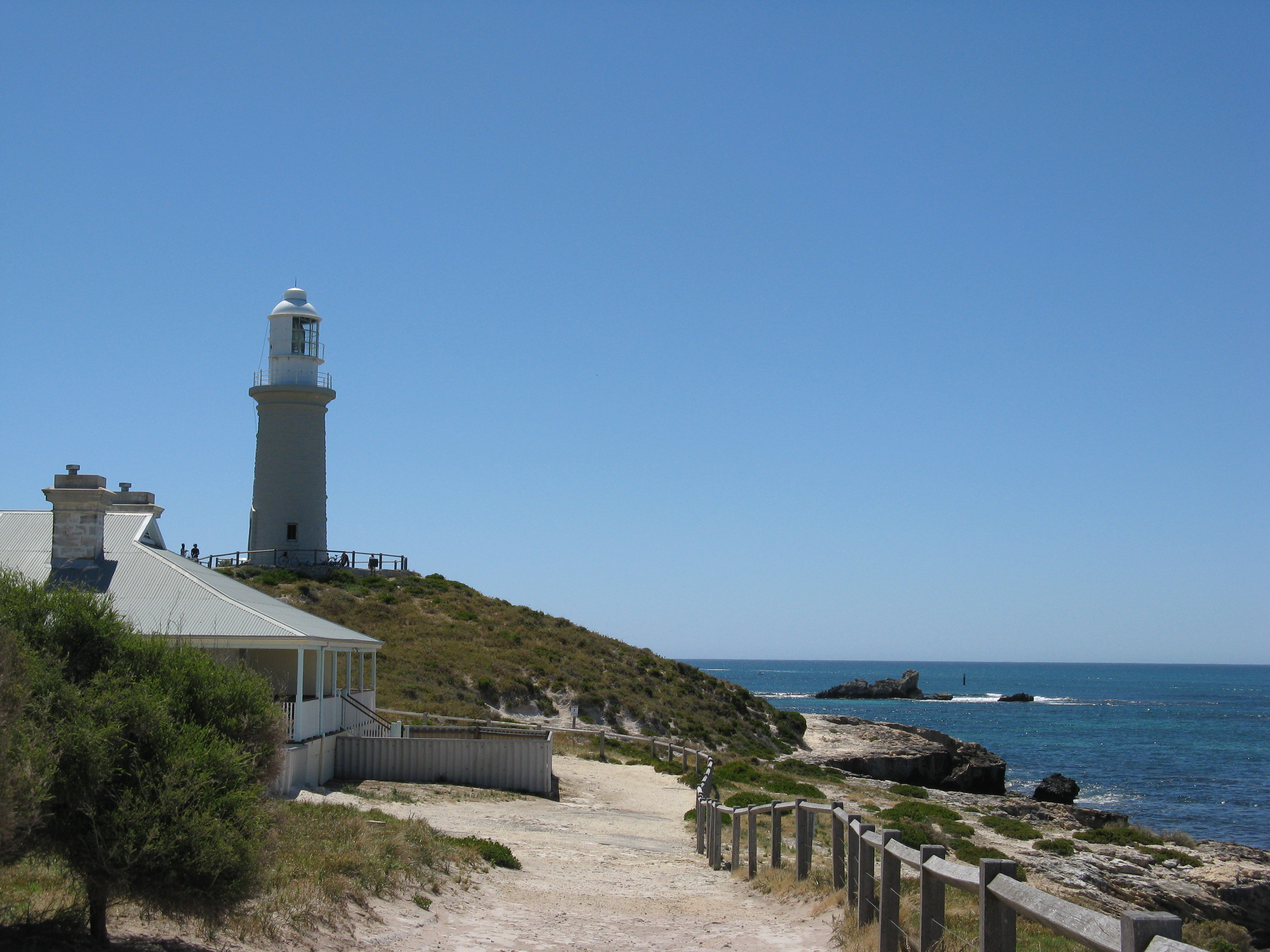
Yep – this is the other lighthouse on Rottnest. This one was much smaller and you couldn’t go in it.
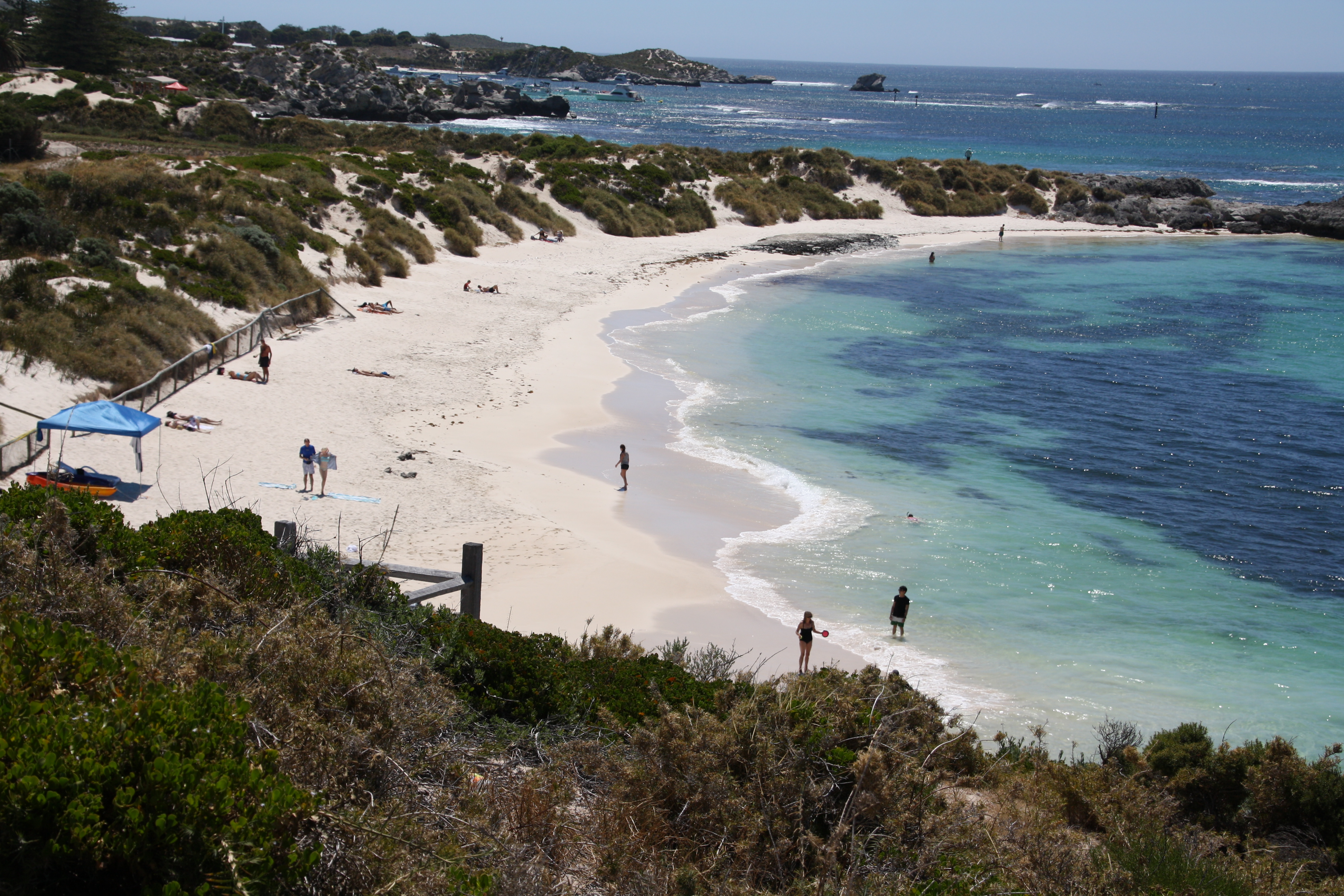
One of the many soft sandy beaches which gently shelves in to the water.
 Heather and Keith's travels