We make no apologies for the length of this page. Quebec city was absolutely stunning, probably the sunny weather really helped.
Quebec City
This is the hotel that we stayed at, from the outside it doesn’t look that interesting but the inside was pretty nice. It’s a bit out of character when compared with other building’s in Quebec City.

The old town part of Quebec city is split into the upper and lower town’s. One of the quickest way to get from one to the other is via the funicular railway.
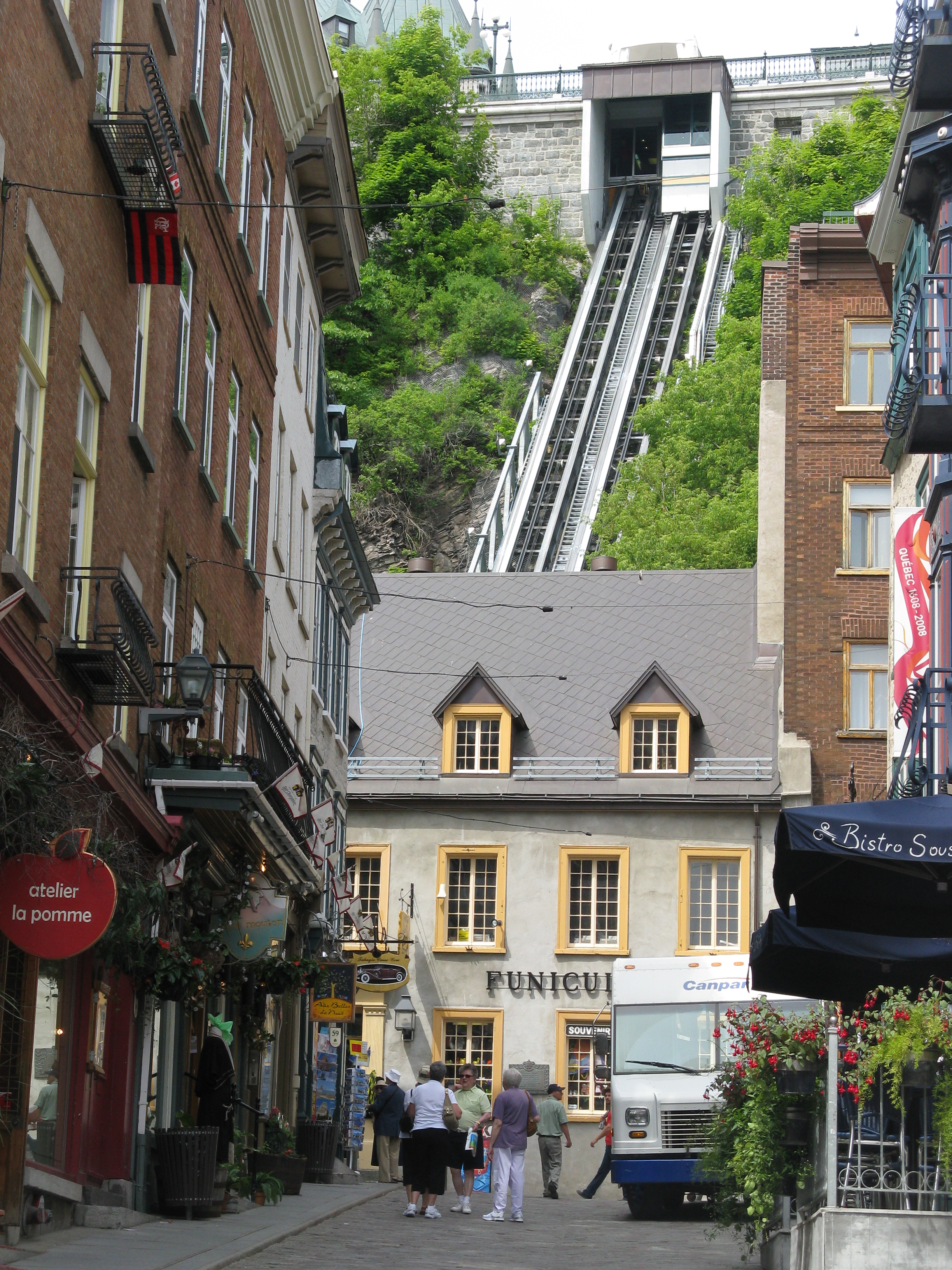
Upper Town
The upper town is the site of Fort Saint Louis which has been there since 1608. It has remained the city’s military and administrative centre because of its position atop the promontory of Cap Diamant. It was occupied mainly by British government officials and Catholic clergy after the British Conquest, while French and English merchants and artisans lived in Lower Town.
Most of the buildings in Upper Town date to the early 19th century but some are from the 17th and 18th centuries.
Fort Saint Louis
The Chateau St. Louis in Quebec City was the official residence of the French Governor of New France and later the British Governor of Quebec, the Governor-General of British North America, and the Lieutenant-Governor of Lower Canada.
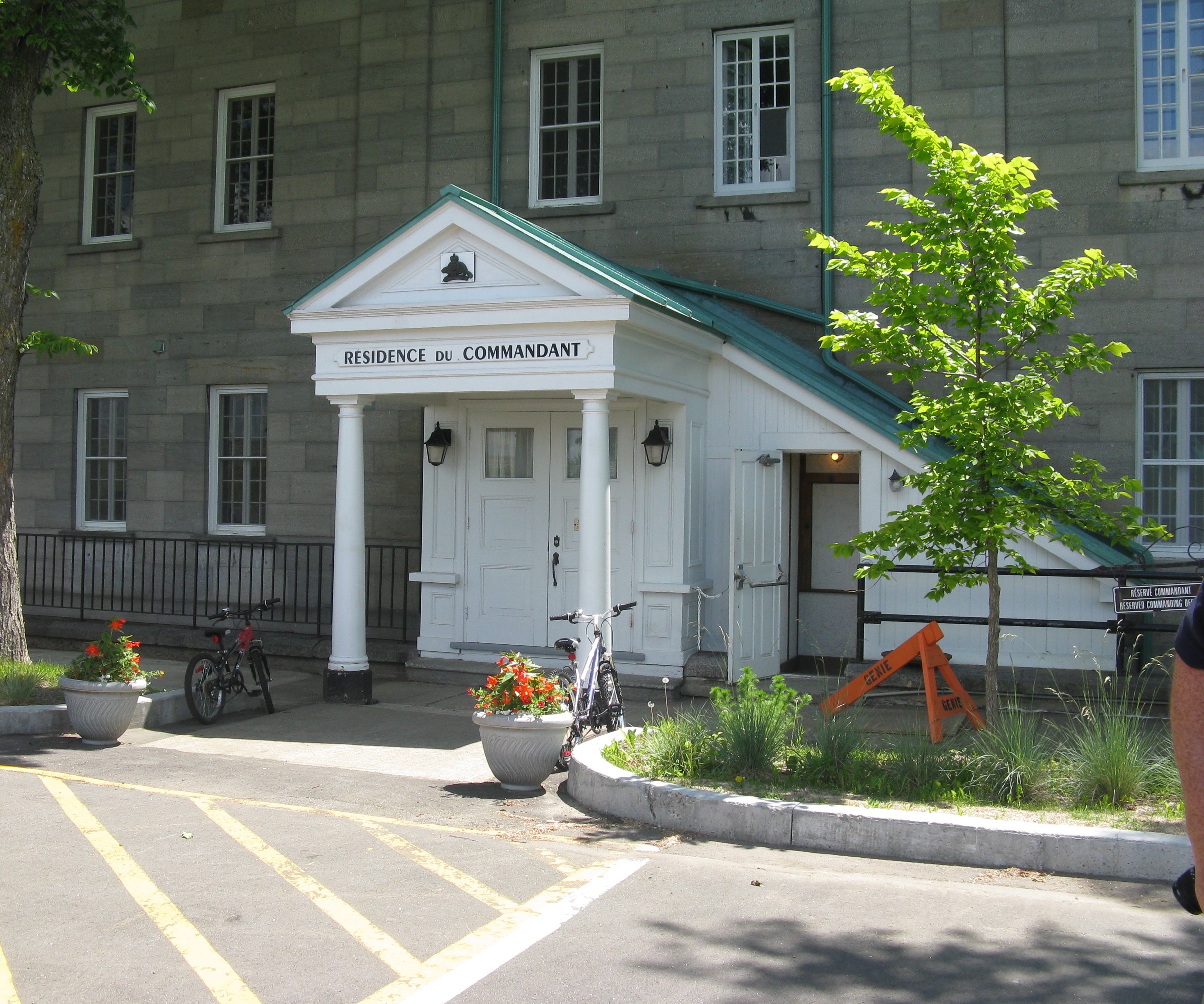
This looks just like any other building the entrance is the only thing that gives any indication of how important the building was in the past.
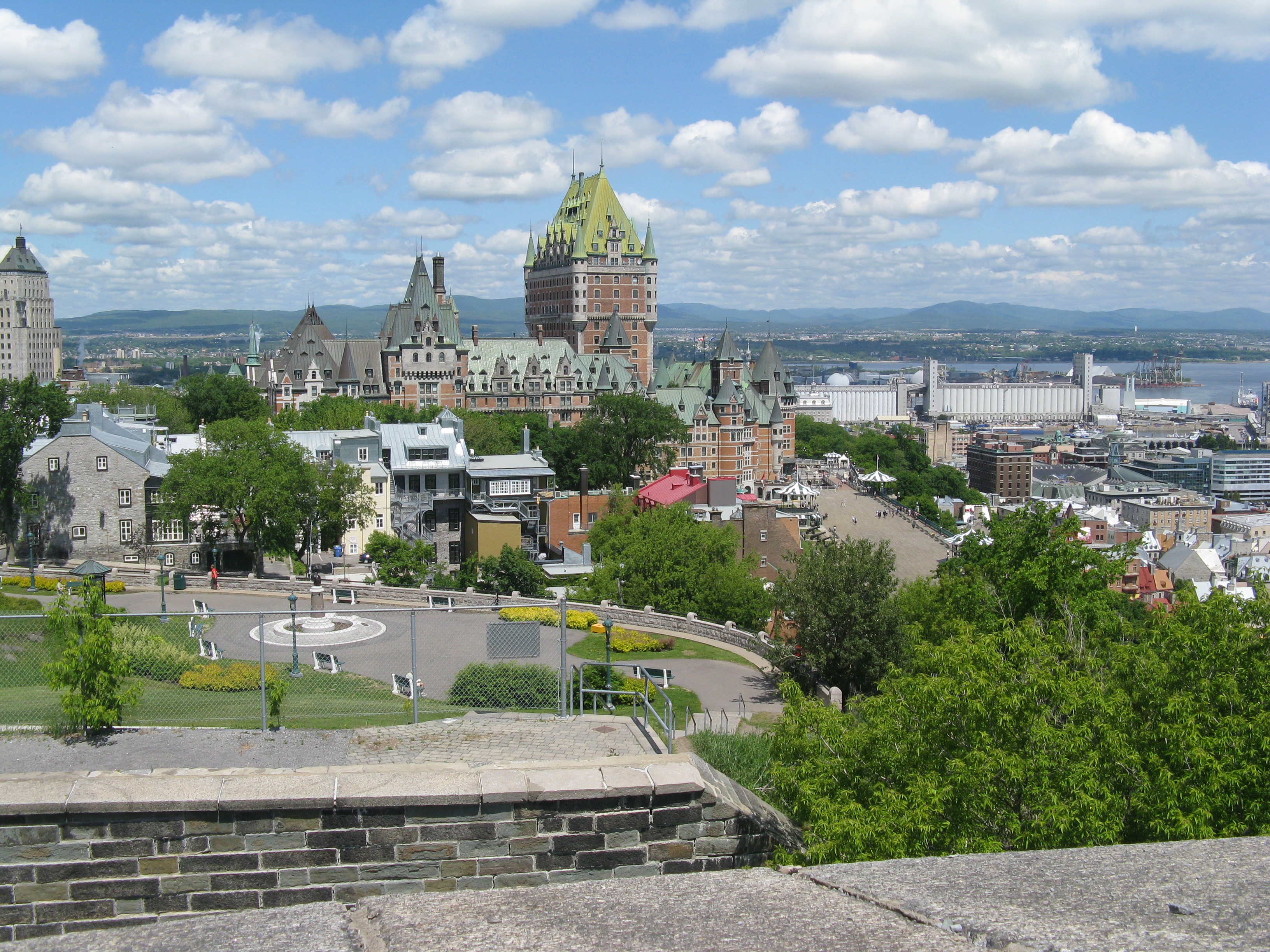
Looking out over the city walls to the Saint Lawrence river and beyond.

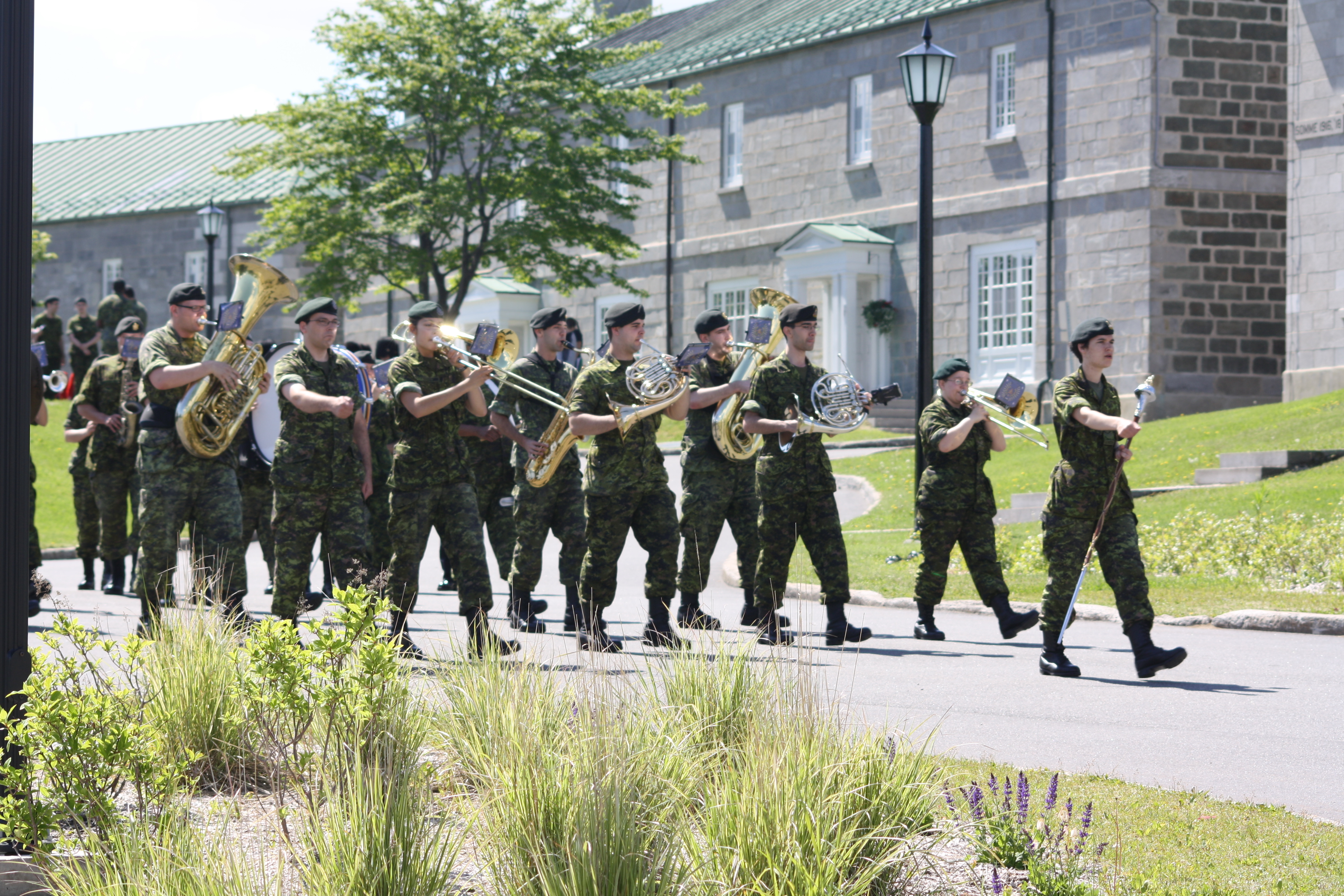
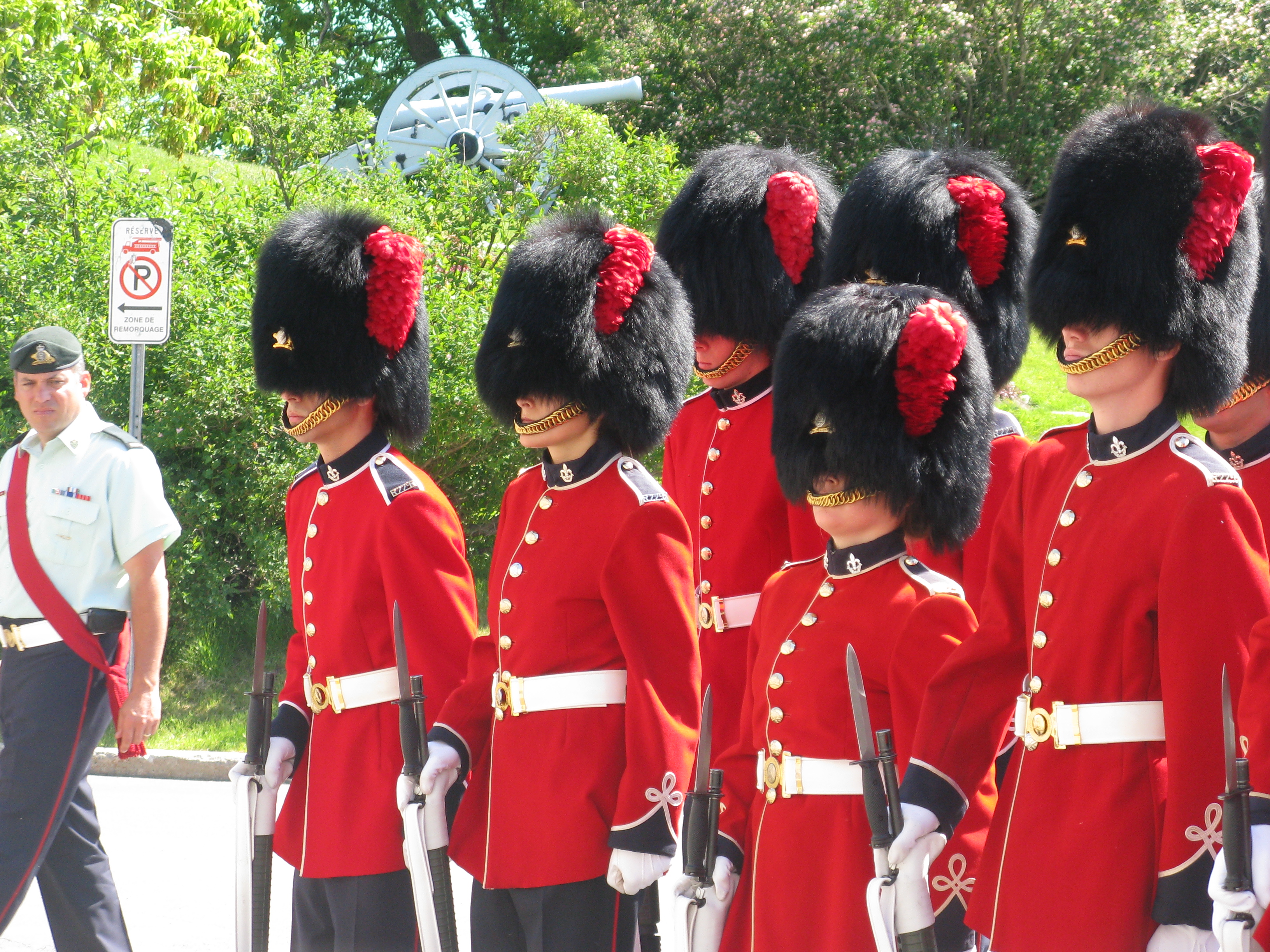
This image of soldiers marching could have been taken in many countries of the commonwealth (or USA) as they all look the same?
Quebec city is in the only French speaking province in Canada and as you will see from the pictures below the city is very French. This is one of the oddities that we found. The chap on the left is regaled in his Gallic outfit as though he was walking the streets of Paris, whereas the rest look as though they are on duty at Buckingham palace.
Prominade
To get down from the fort to the main part of the upper town there is a lovely set of steps on the “Promenade”.
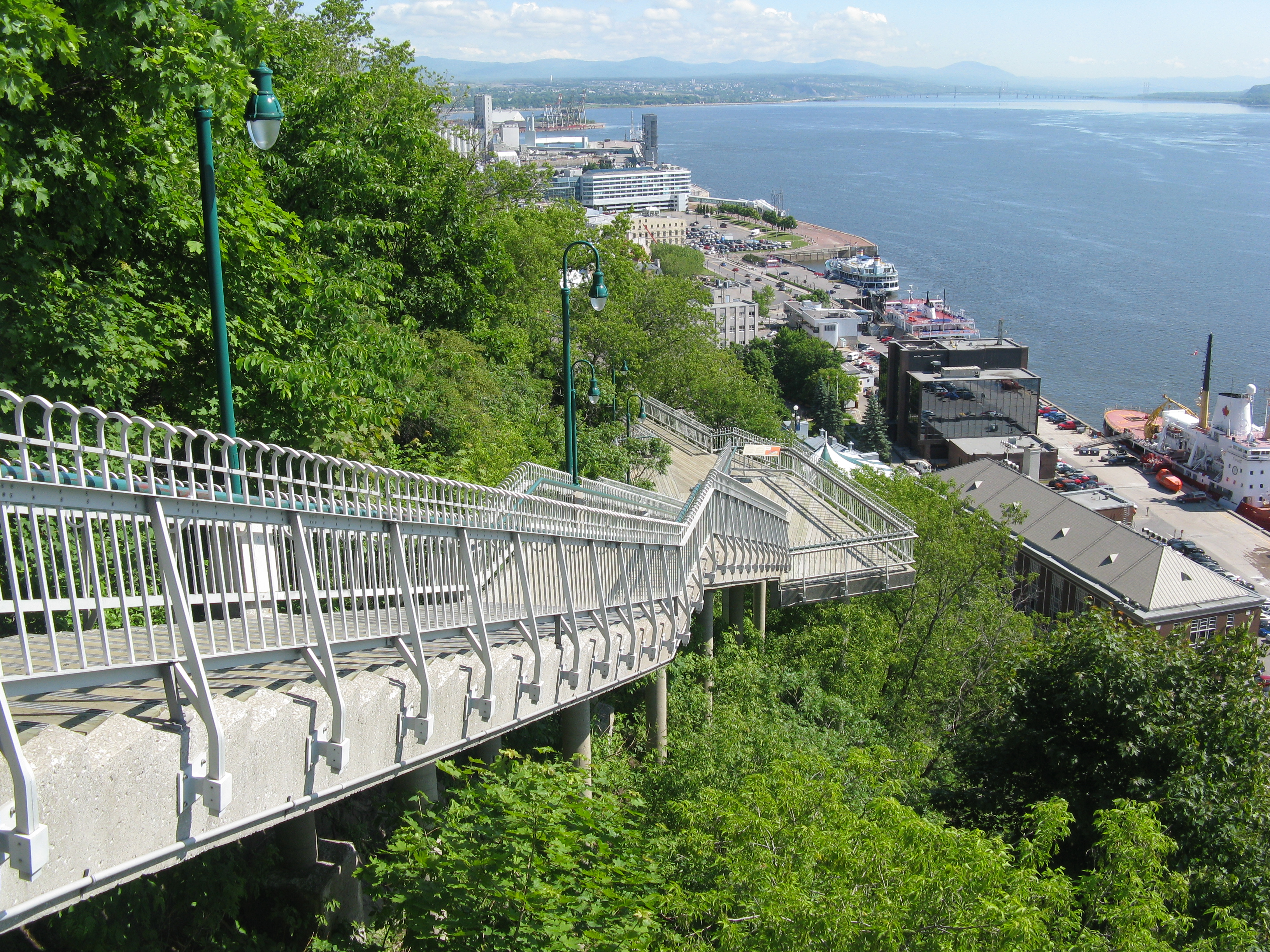
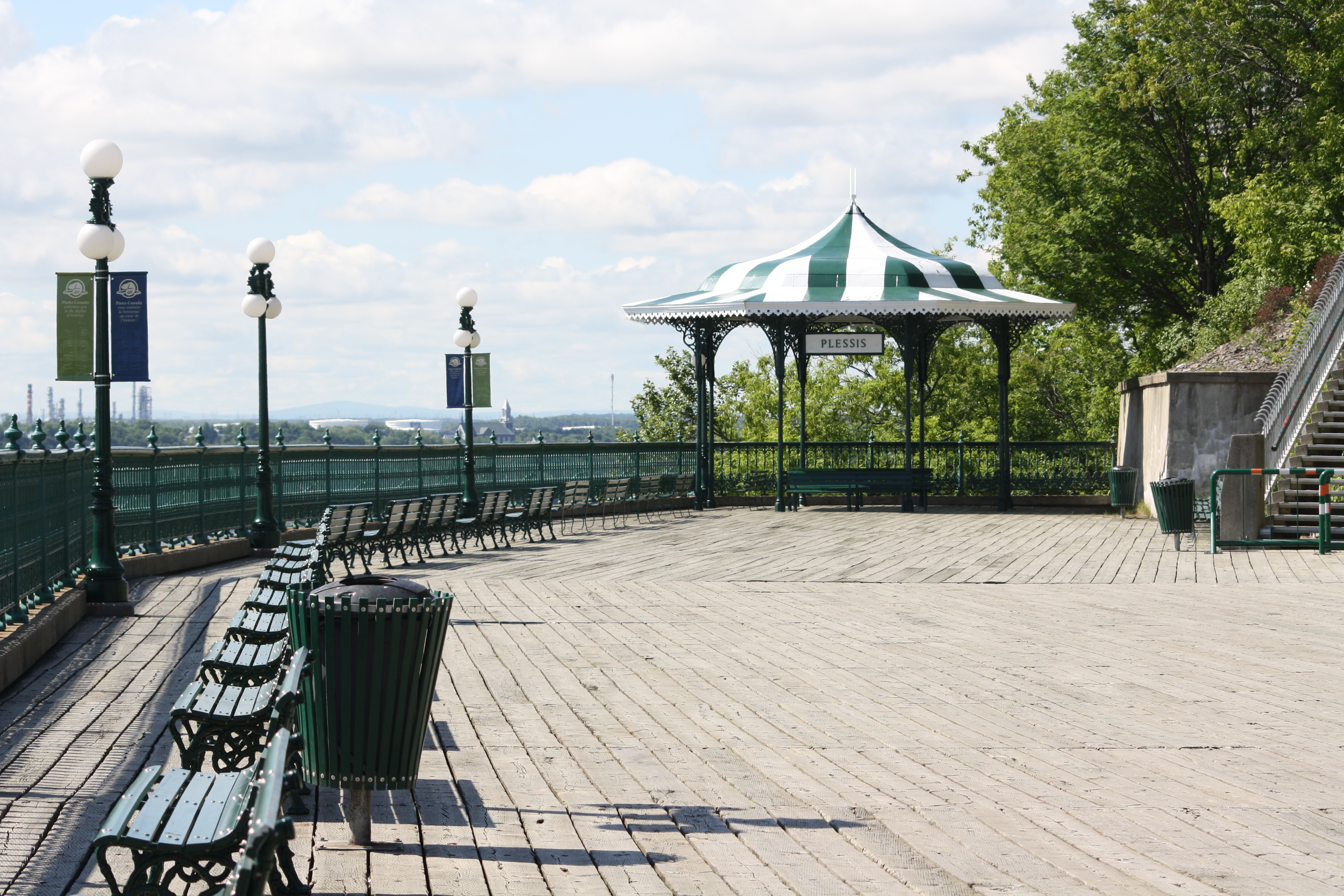
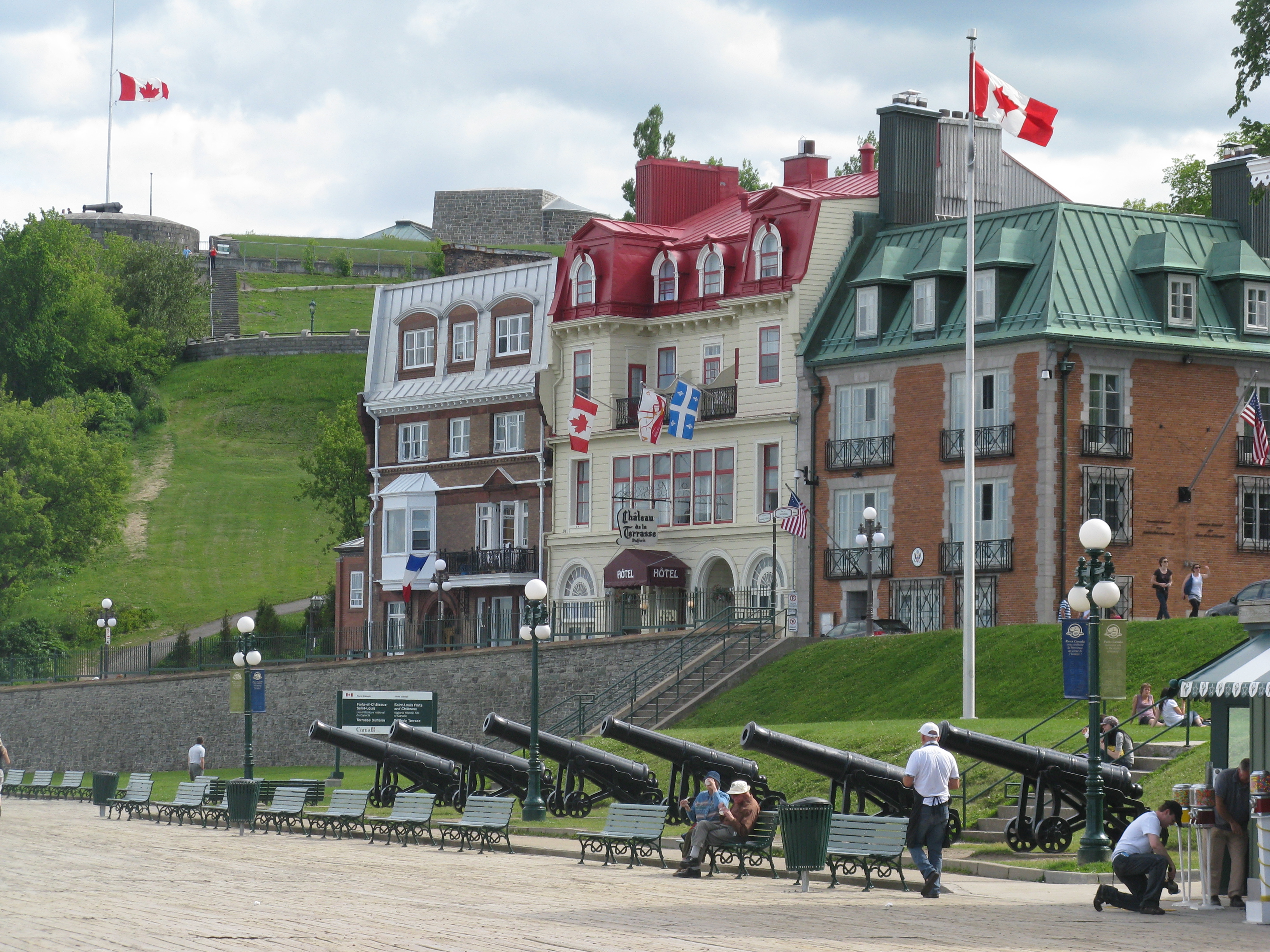
At the foot of the stairs you reach the promenade which give a “seaside feeling”, doesn’t matter that your not by the sea or at sea level.
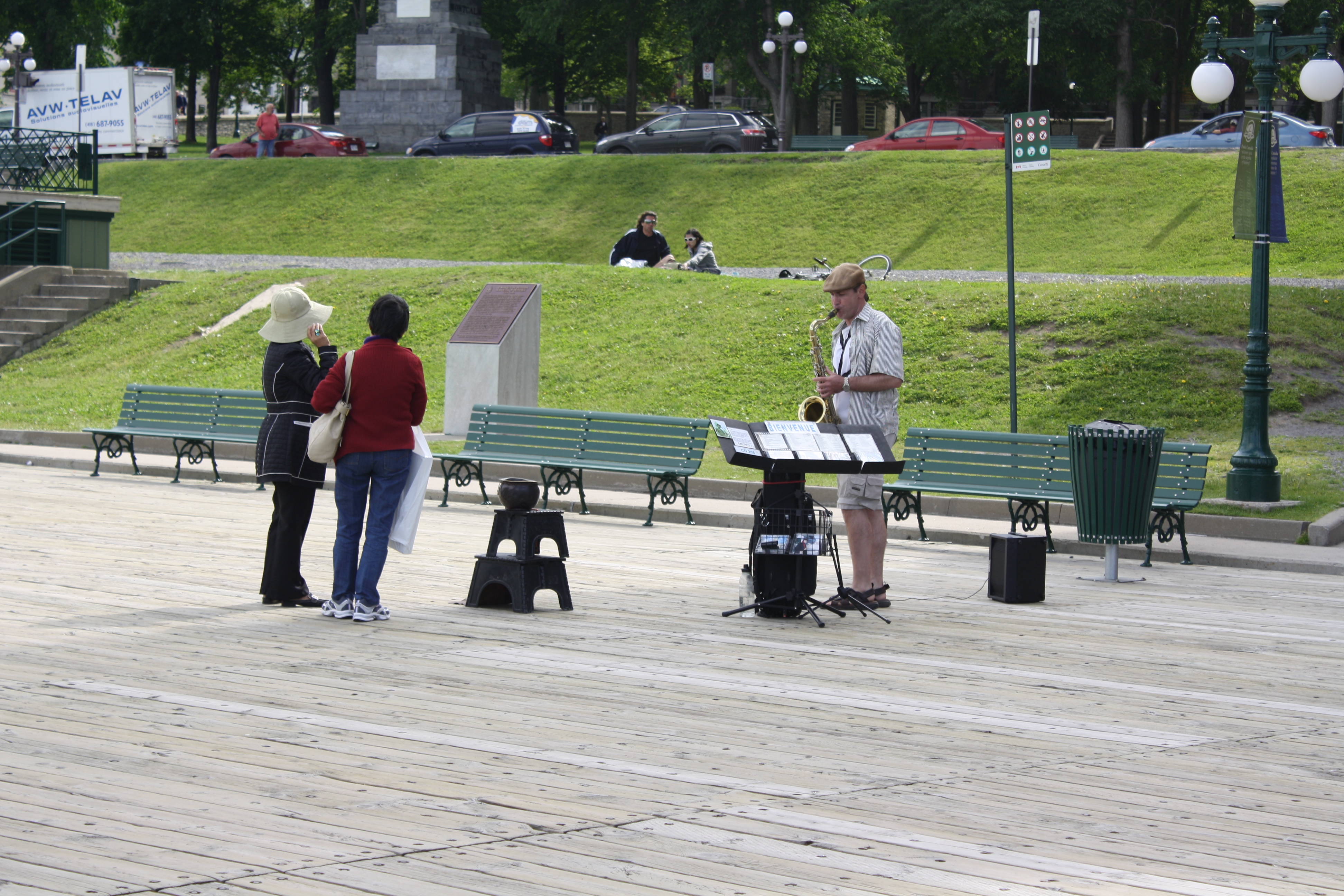
The area is popular with street performers and entertainers during the summer months, it’s not a bad way to make a living.
Walking along the promenade you can just about see the top of the fort.
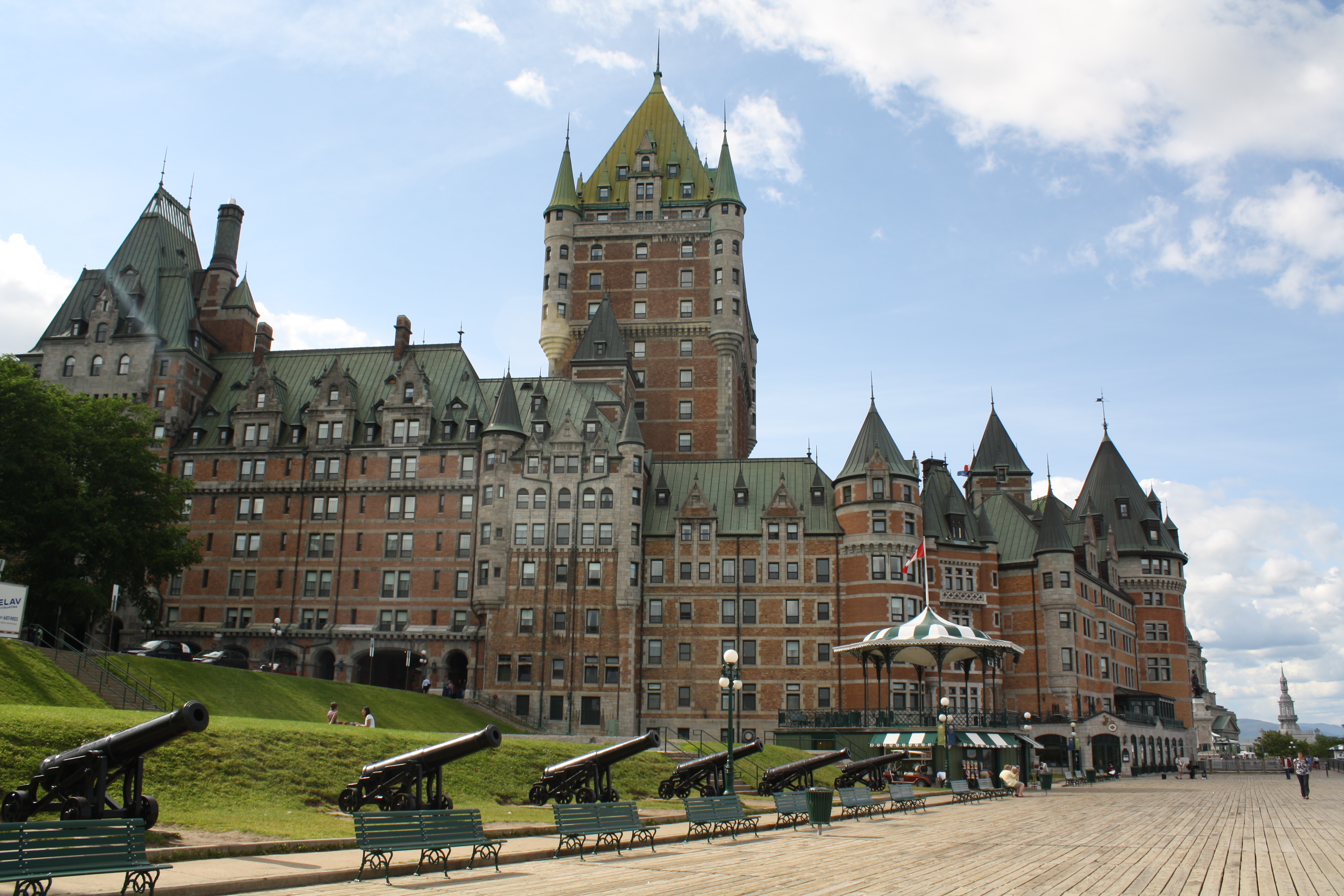
Fairmont Le Château Frontenac
At the opposite end of the promenade away from the steps is one of the most famous landmarks in Quebec city, Fairmont Le Château Frontenac, which proudly sits on a hill overlooking the Saint Lawrence river. We looked at staying here but the budget would have been blown just having wine with dinner.

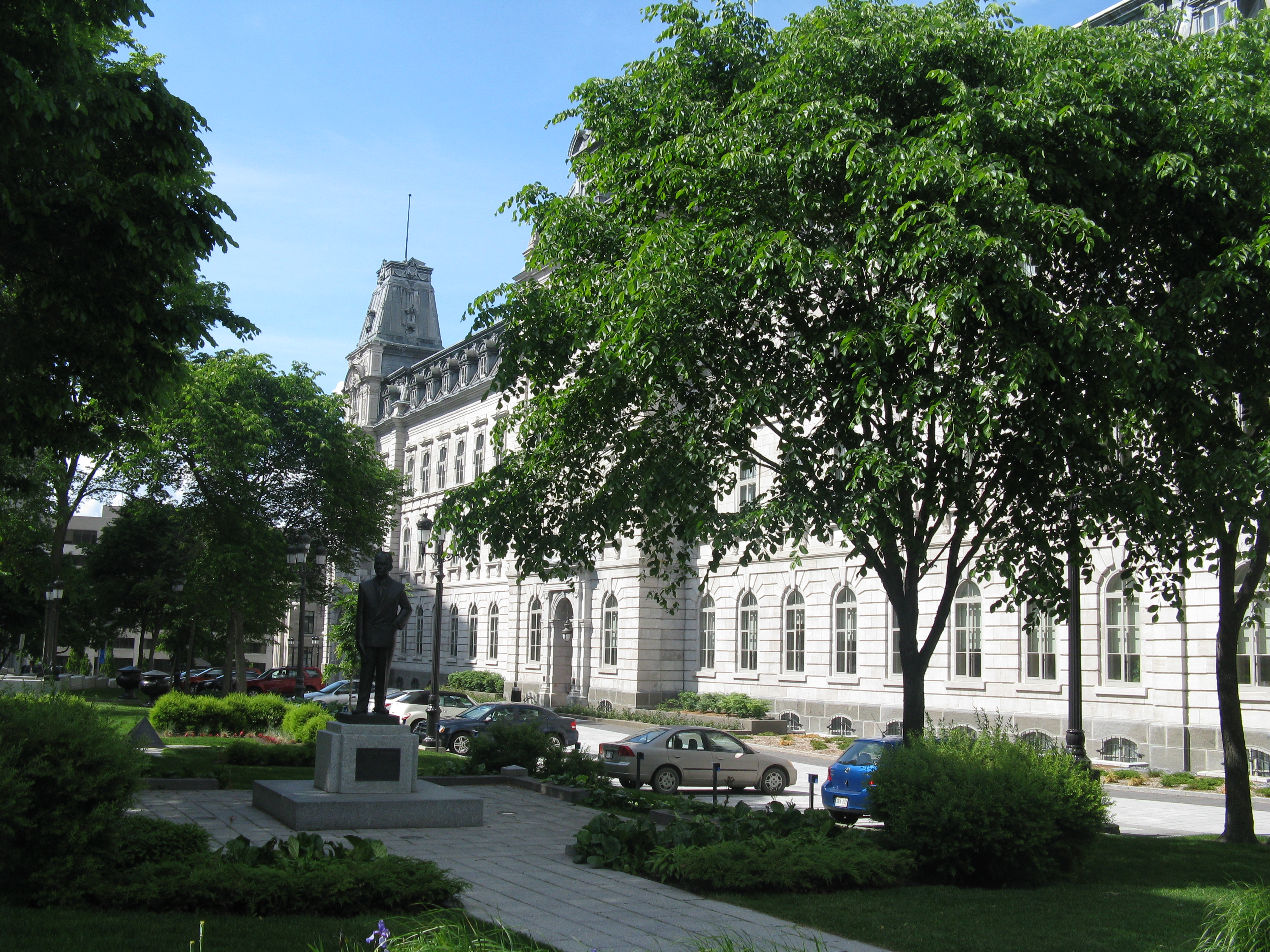
Quebec City Hall
It was inaugurated on September 15, 1896 in the Old Quebec neighbourhood. The building slopes downward as it was built on a hill and was once home to the Jesuit College (Jesuit Barracks) from the 1730s to 1878. The building used a mixture of Classical, Medieval and Châteauesque elements.
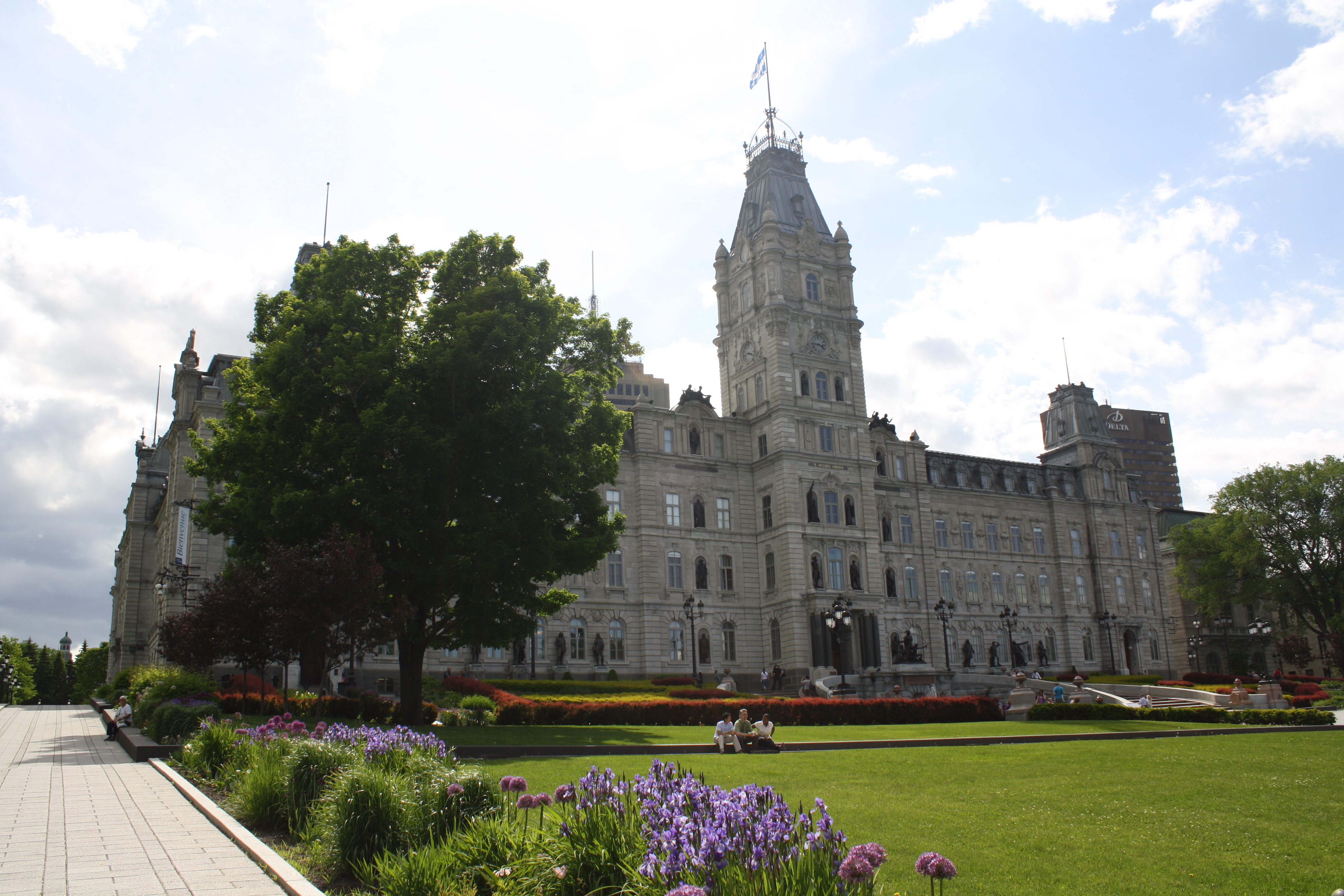
Quebec Parliament Building
The Parliament Building is home to the Parliament of Quebec, composed of the Lieutenant-Governor and the National Assembly. The building was built from 1877 to 1886.
Quebec Upper Town in Pictures
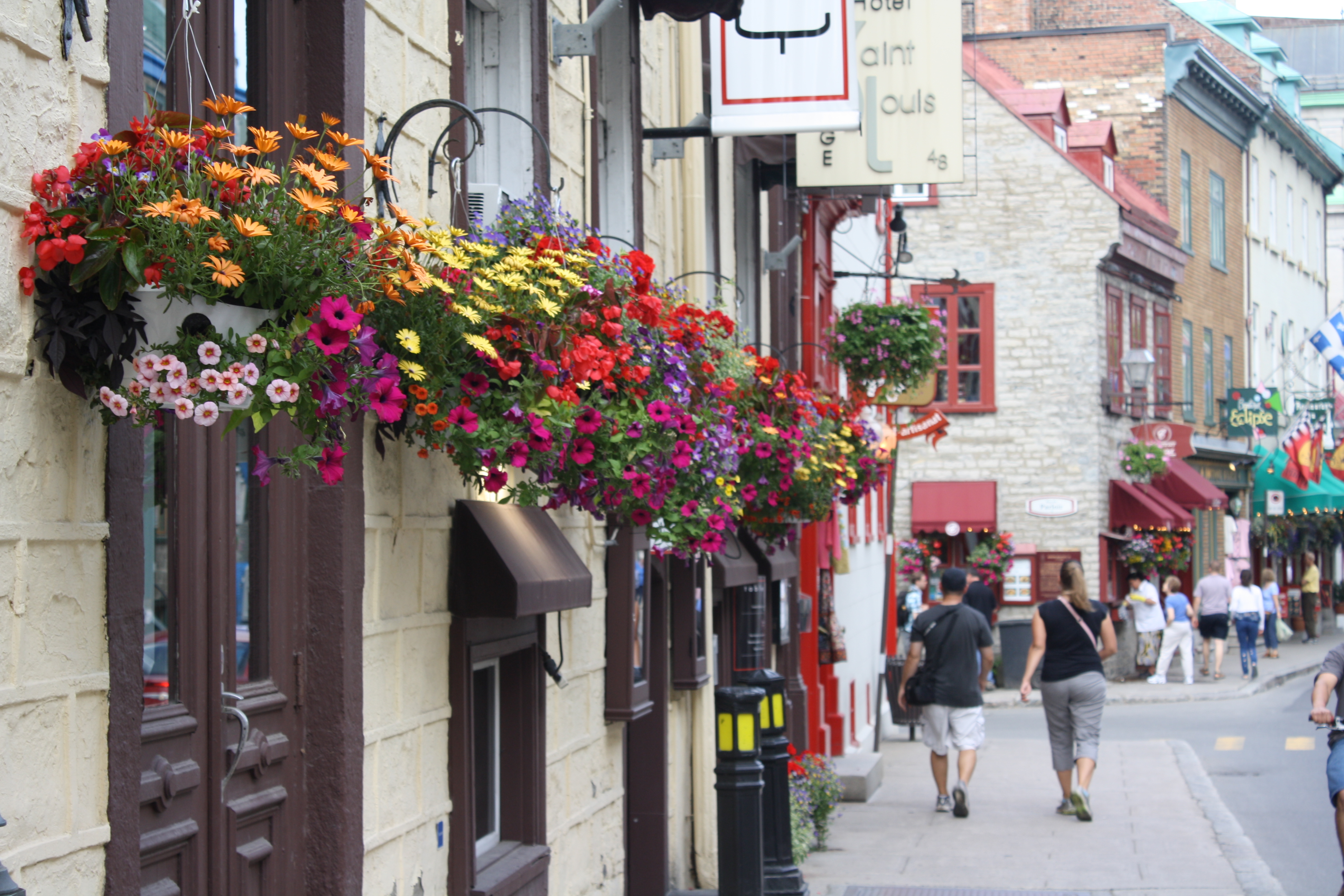
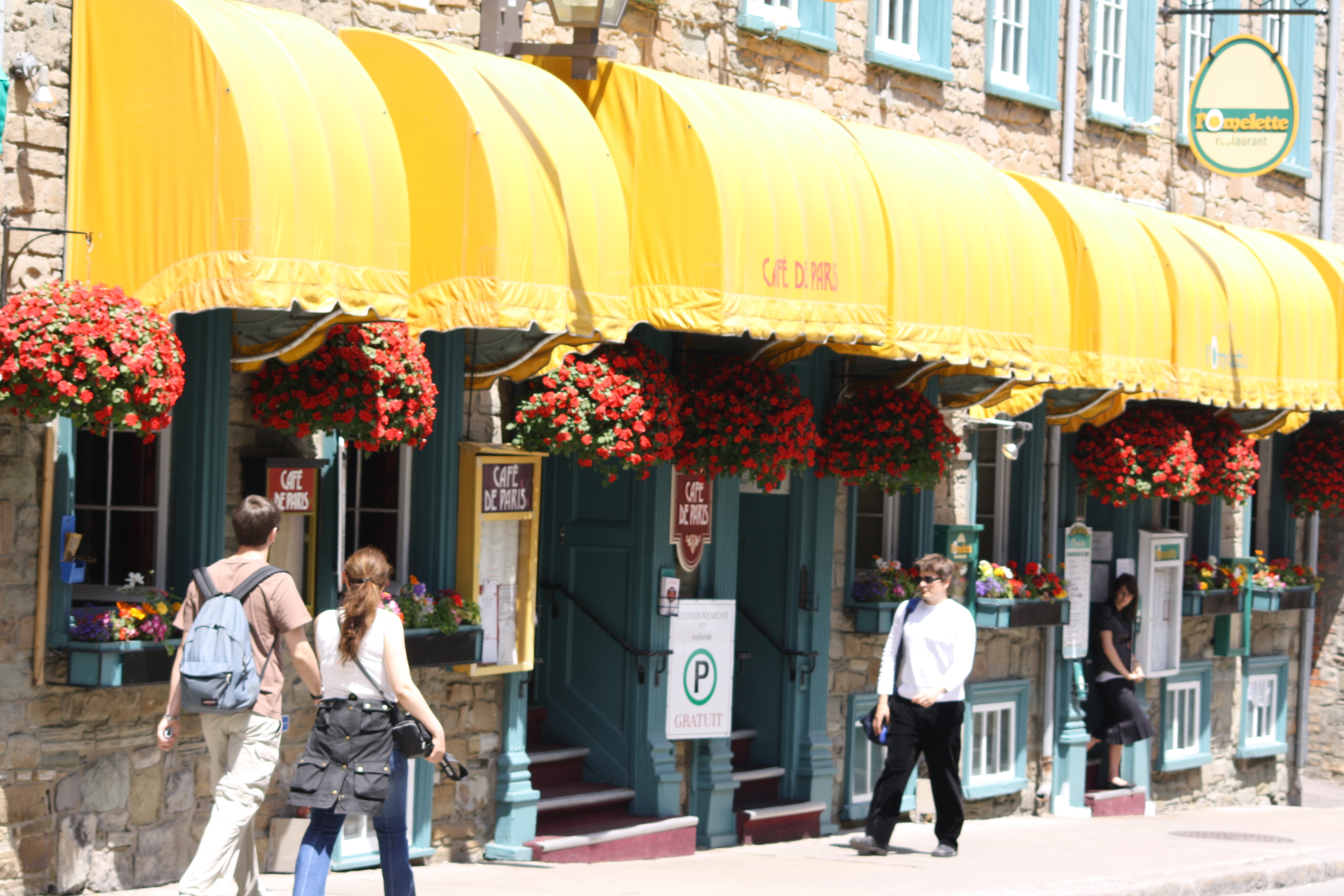
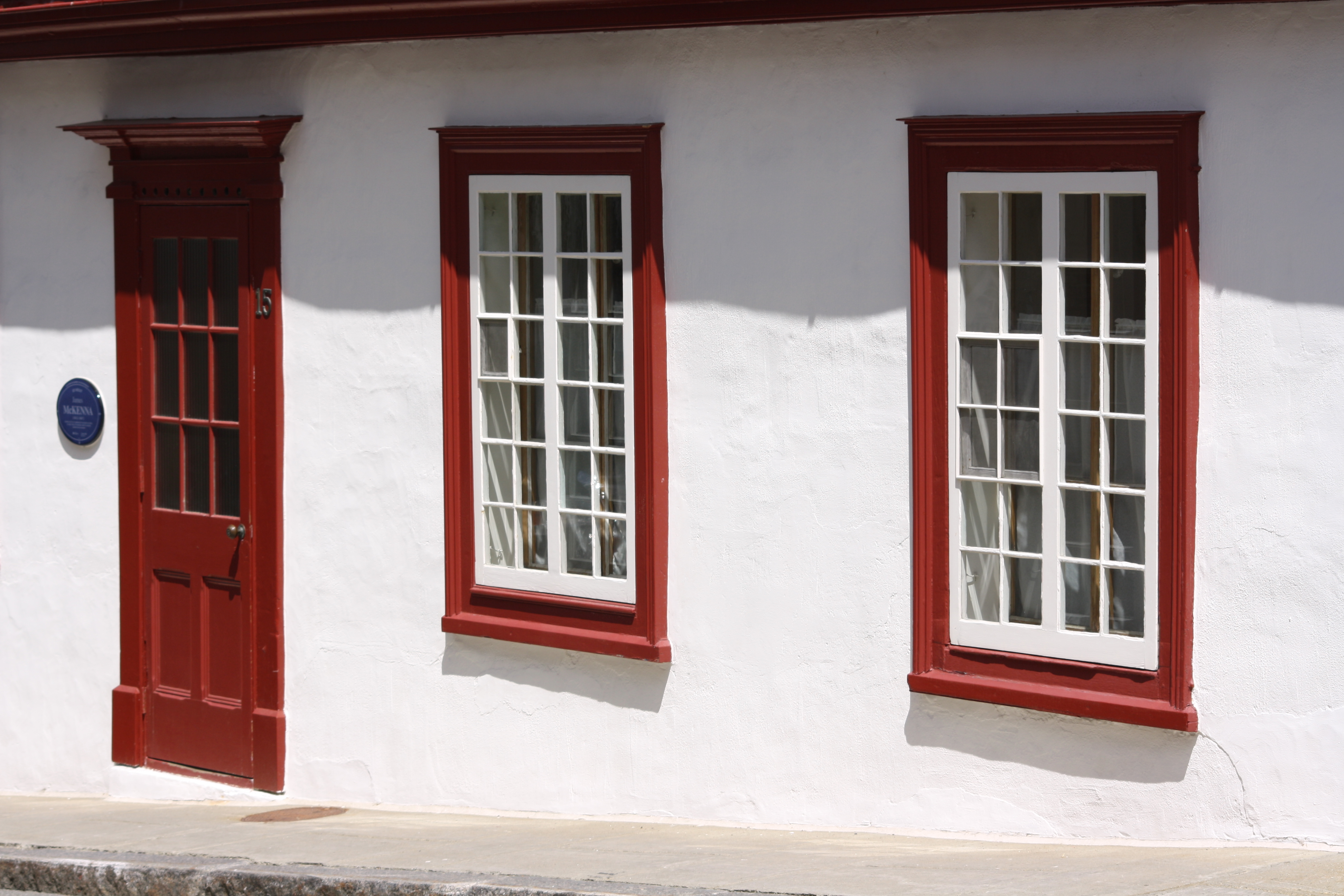
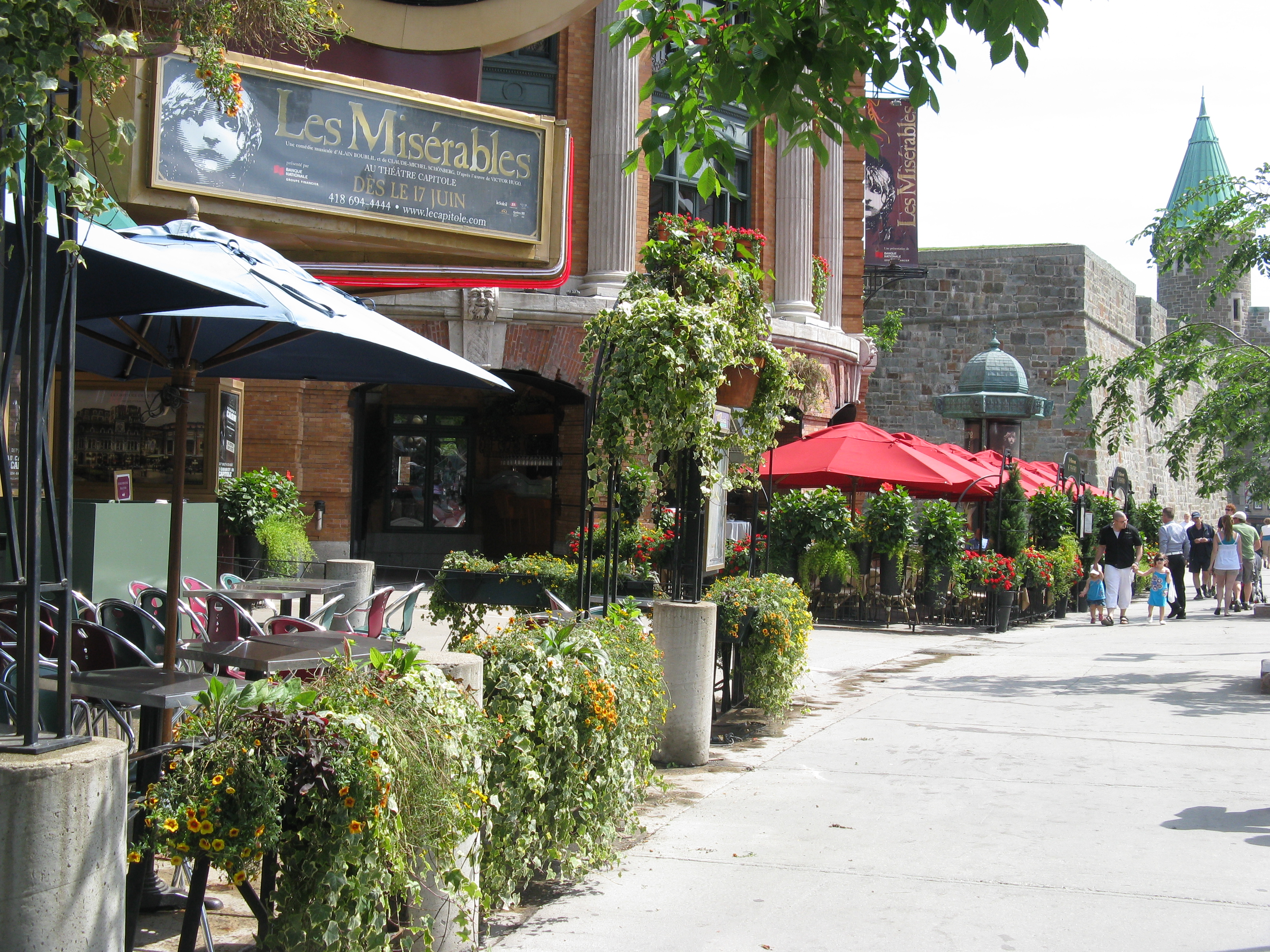
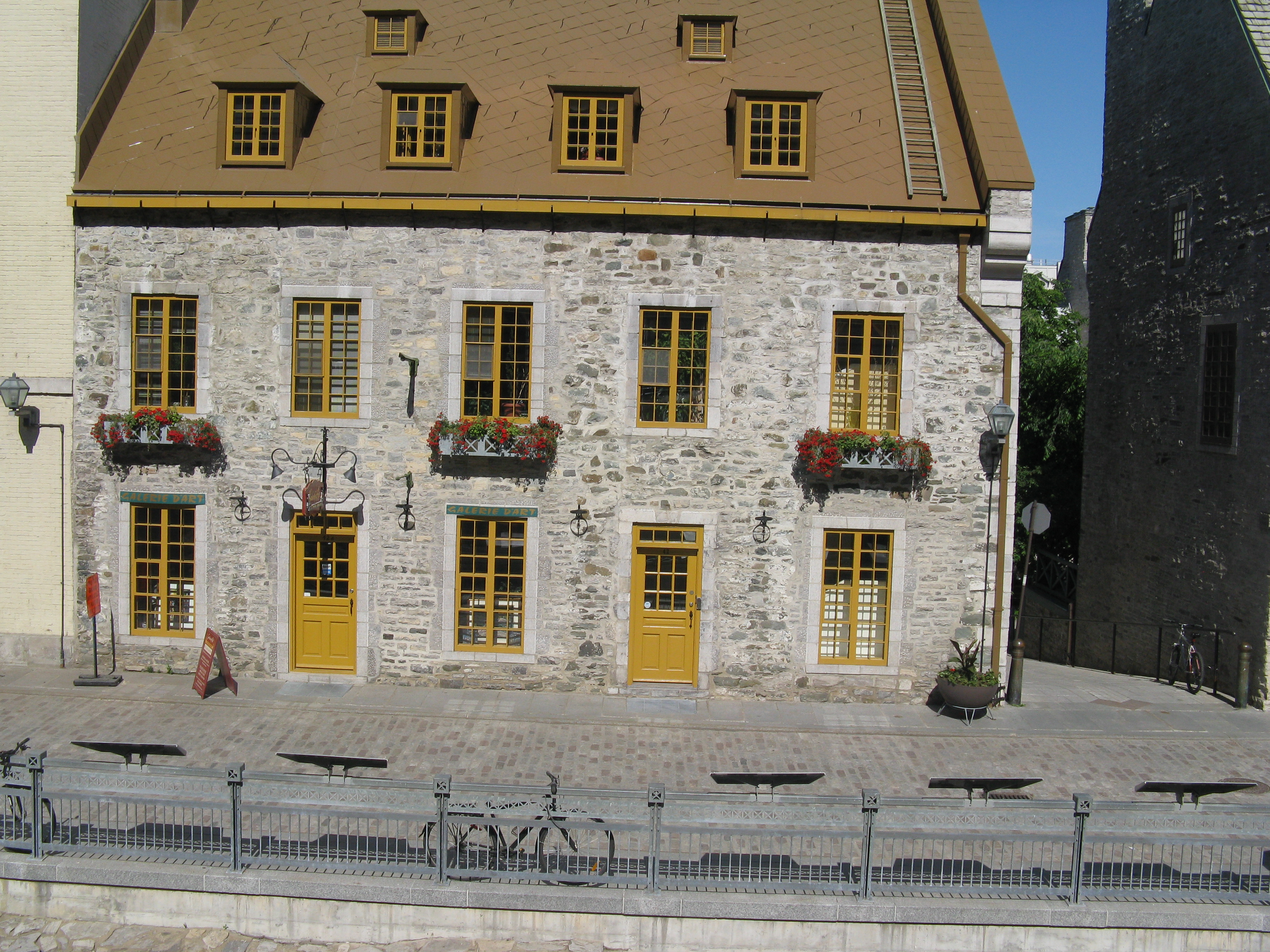
The following are a small number of pictures taken in the narrow streets of the upper town, This could be any smart suburb of a French city.

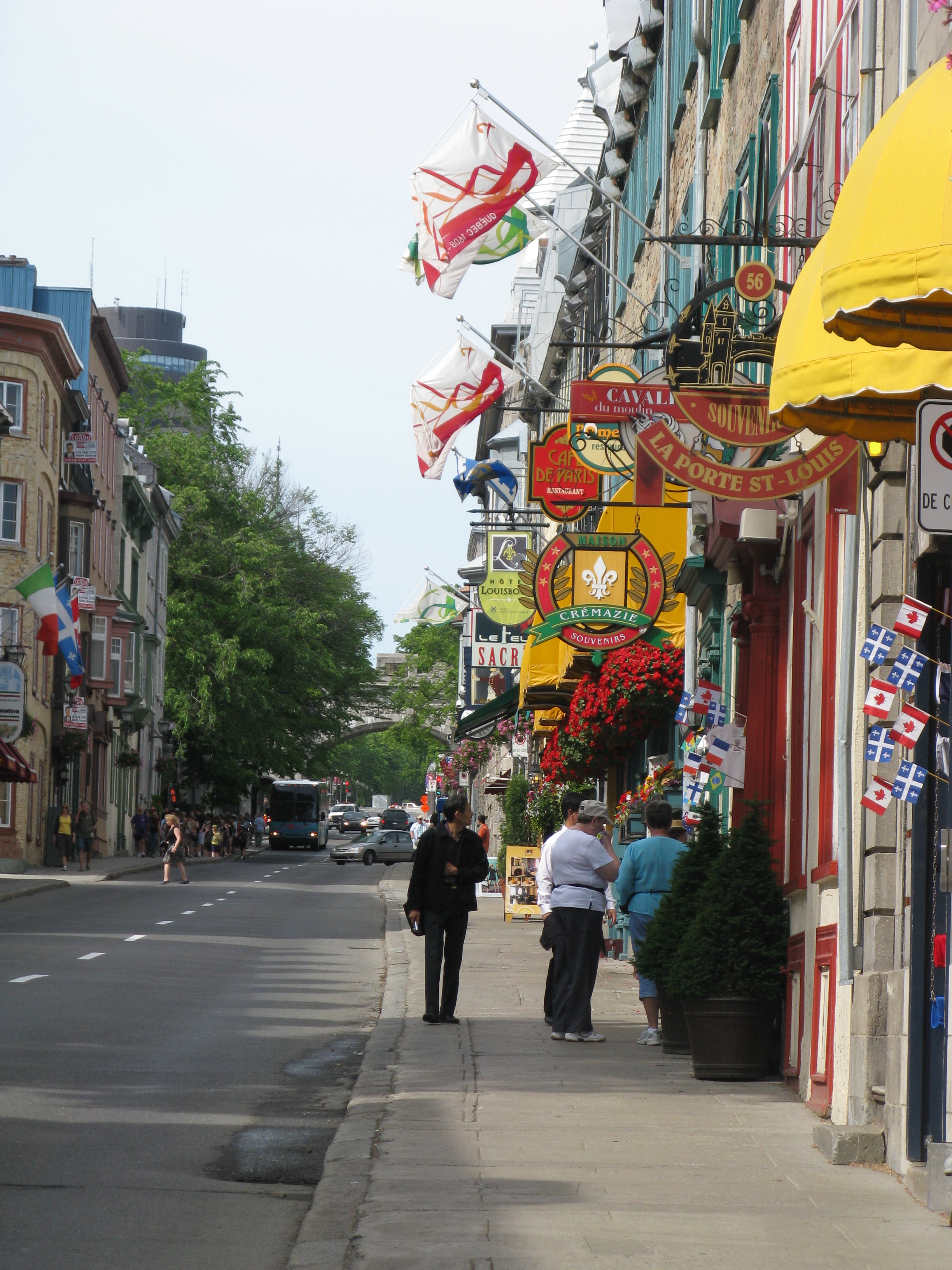

Lower Town
The Lower Town is located at the bottom of Cap Diamant and consists of narrow streets and the occasional large building.
Looking behind once you have arrived from the upper town on the funicular you can see the magnificent splendour of the Fairmont Le Château Frontenac.
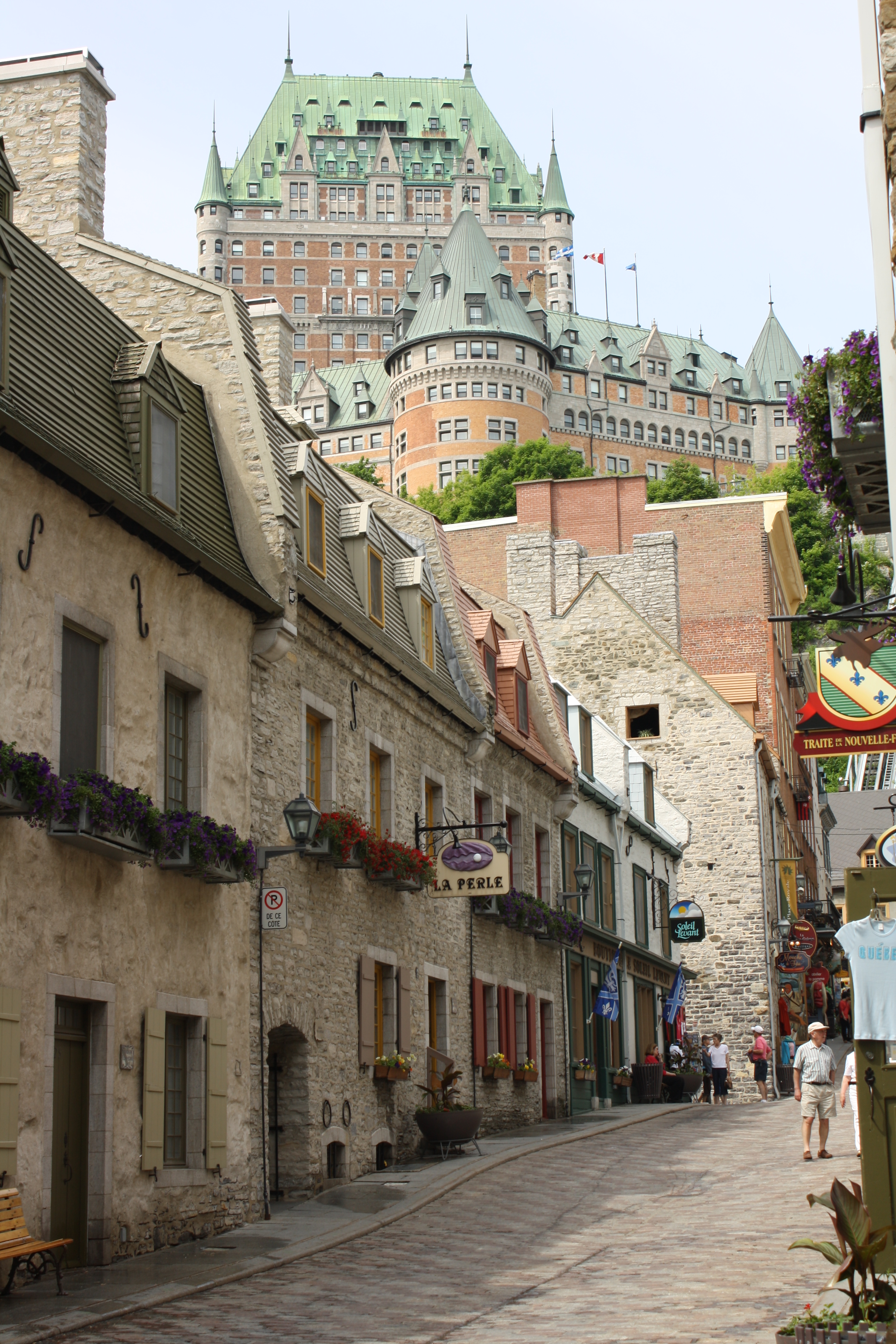
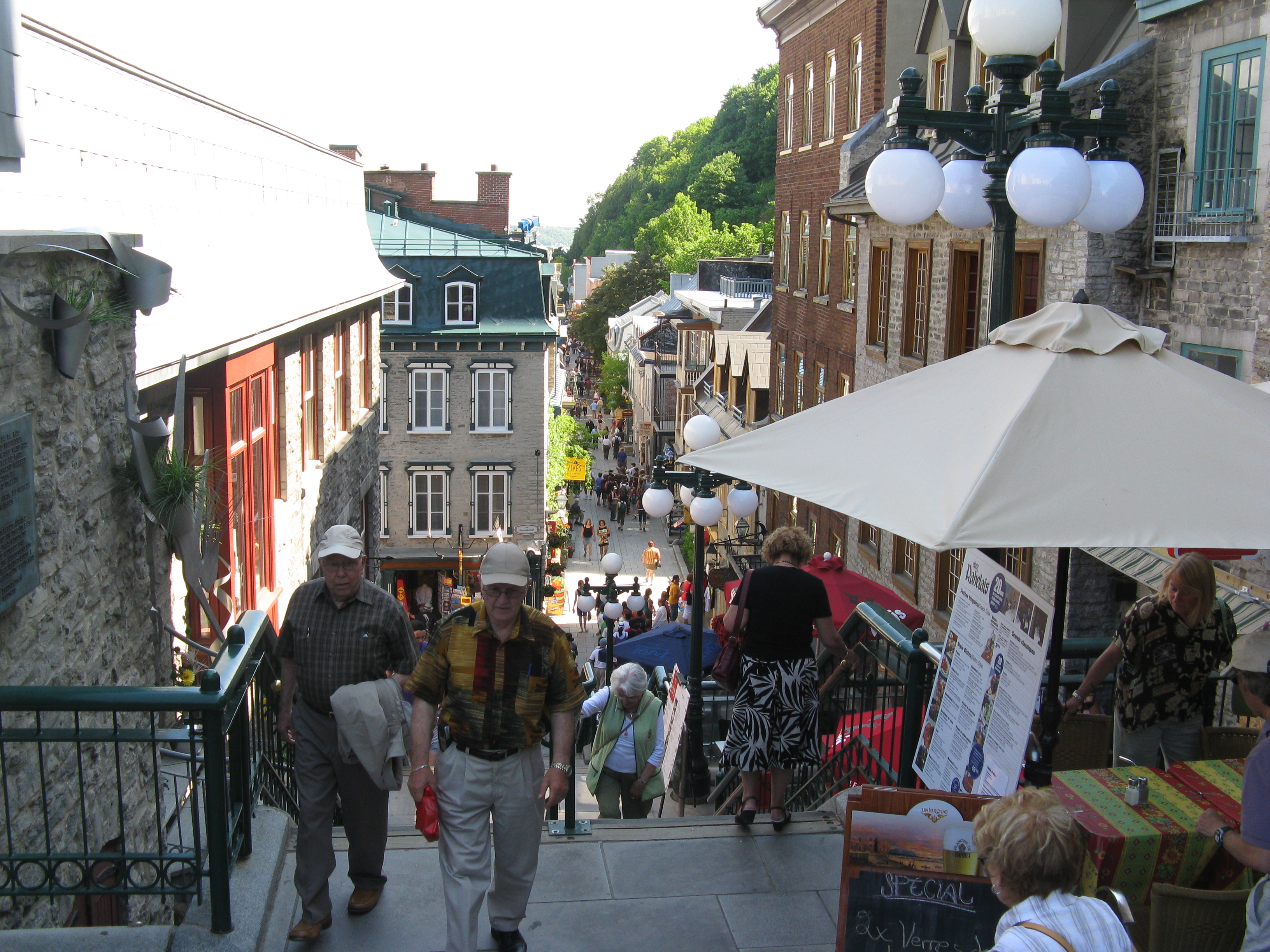
The narrow streets of the lower town give a sort of hippy vibe and are in complete contrast to their more elegant neighbours upstairs.

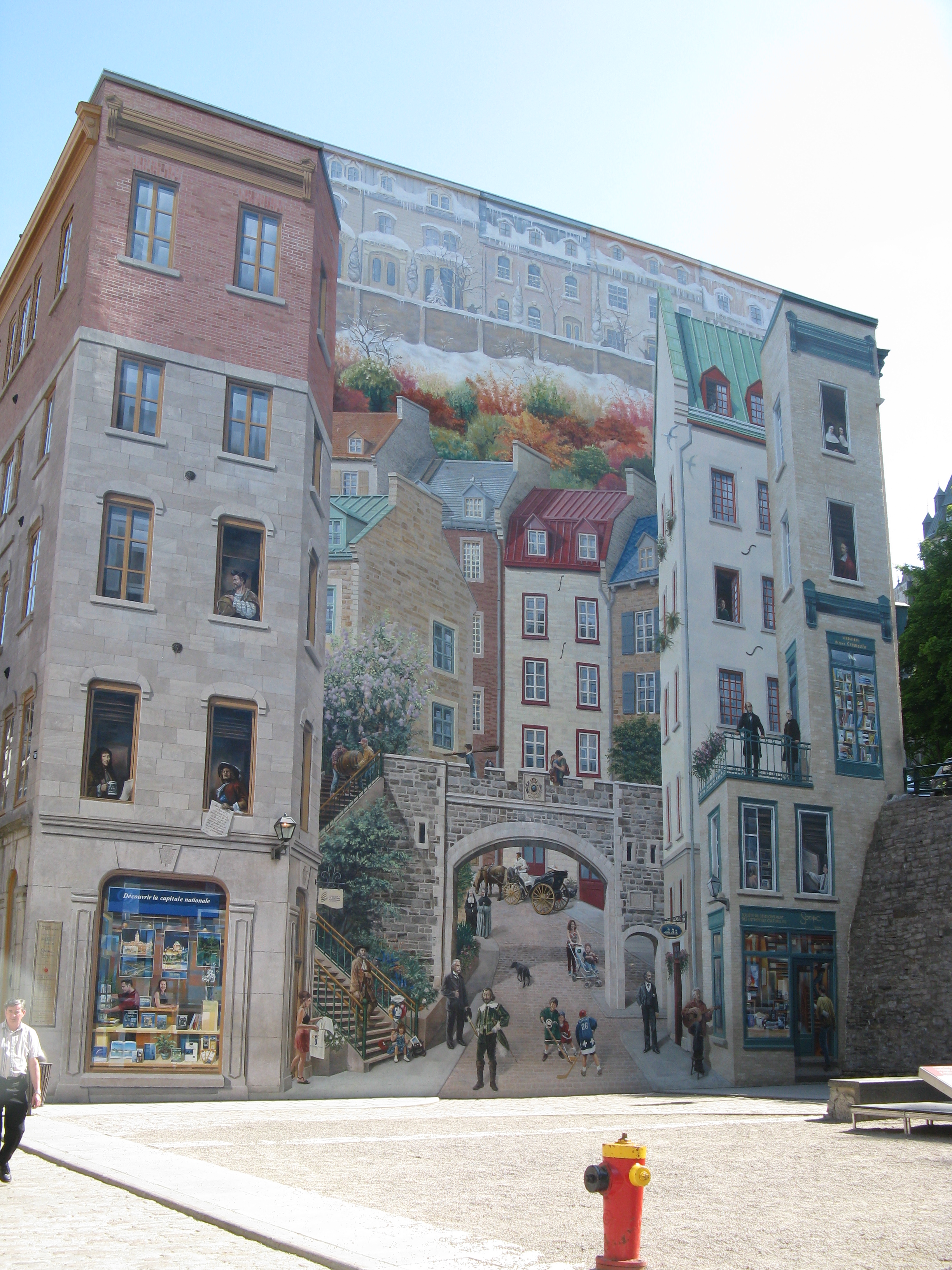
A number of large buildings, guessing where some sort of grain store in the distant past, have had murals painted on them to give interest.
This busker seems out of place, it doesn’t reflect the hippy, French vibe of the area.

Outside the Old Town
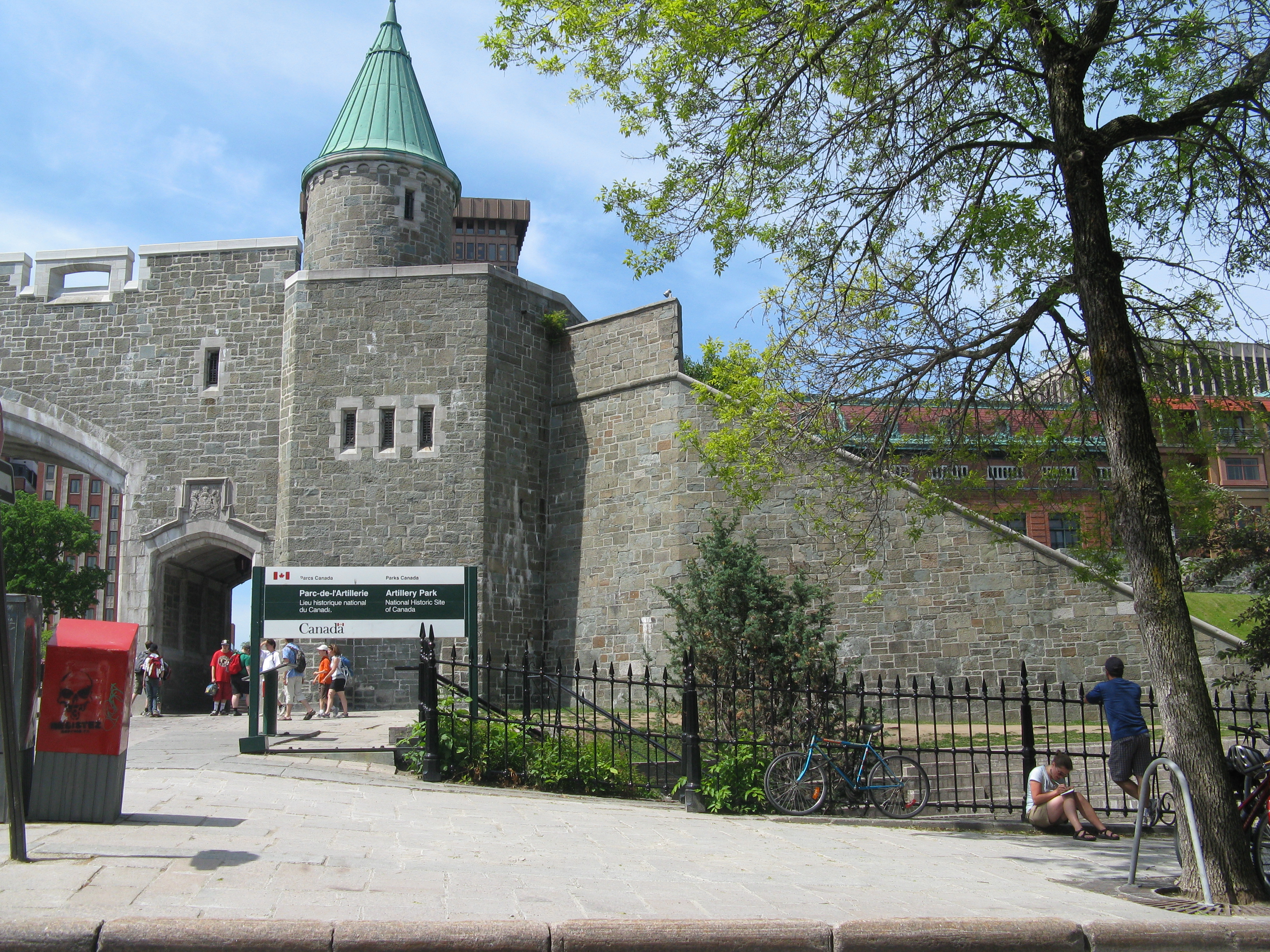
The gate below is the entrance in to the upper town part of the old town.
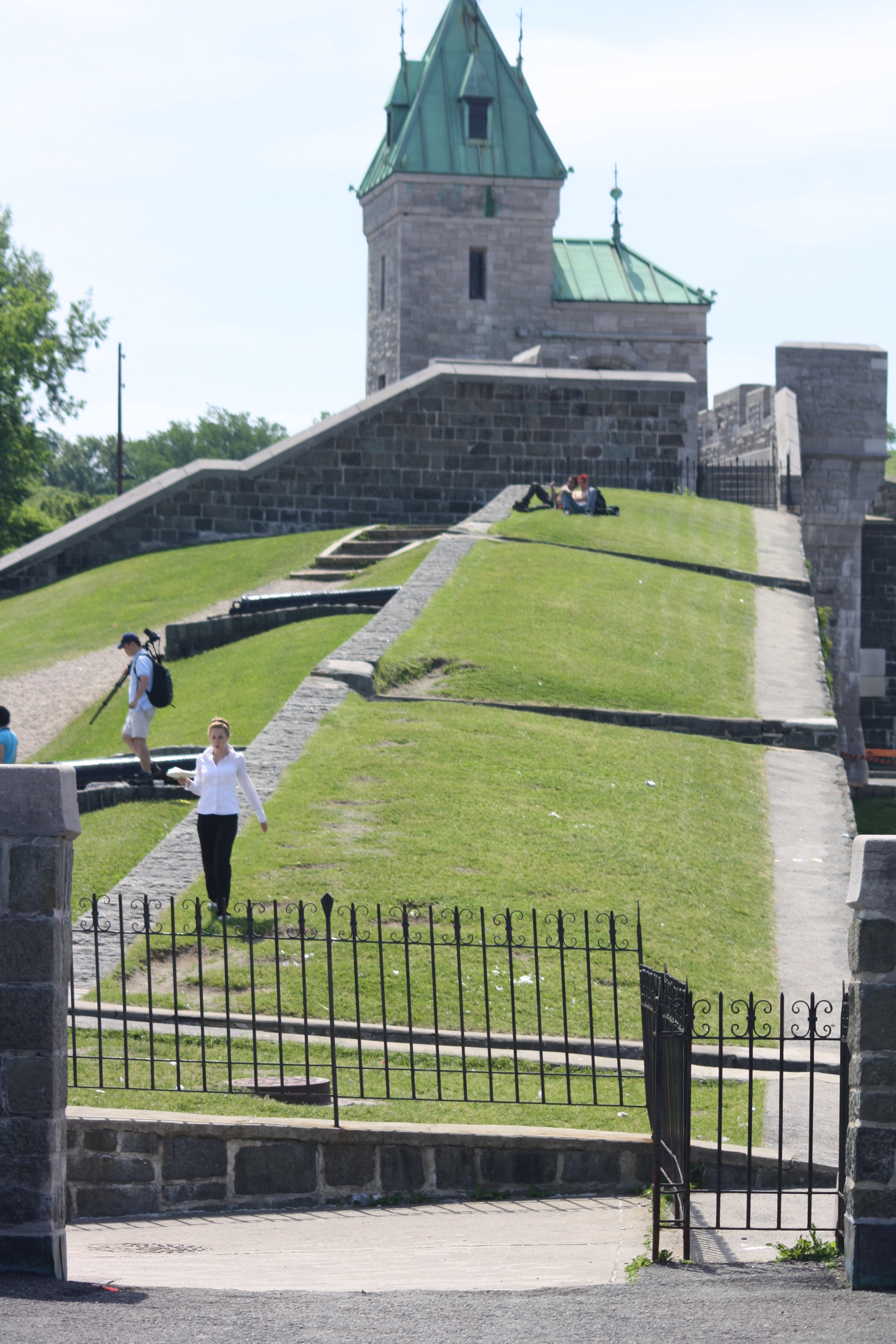
The walls around the upper town have wide ramparts, a great place to sit and take the rays of the sun or just people watch.
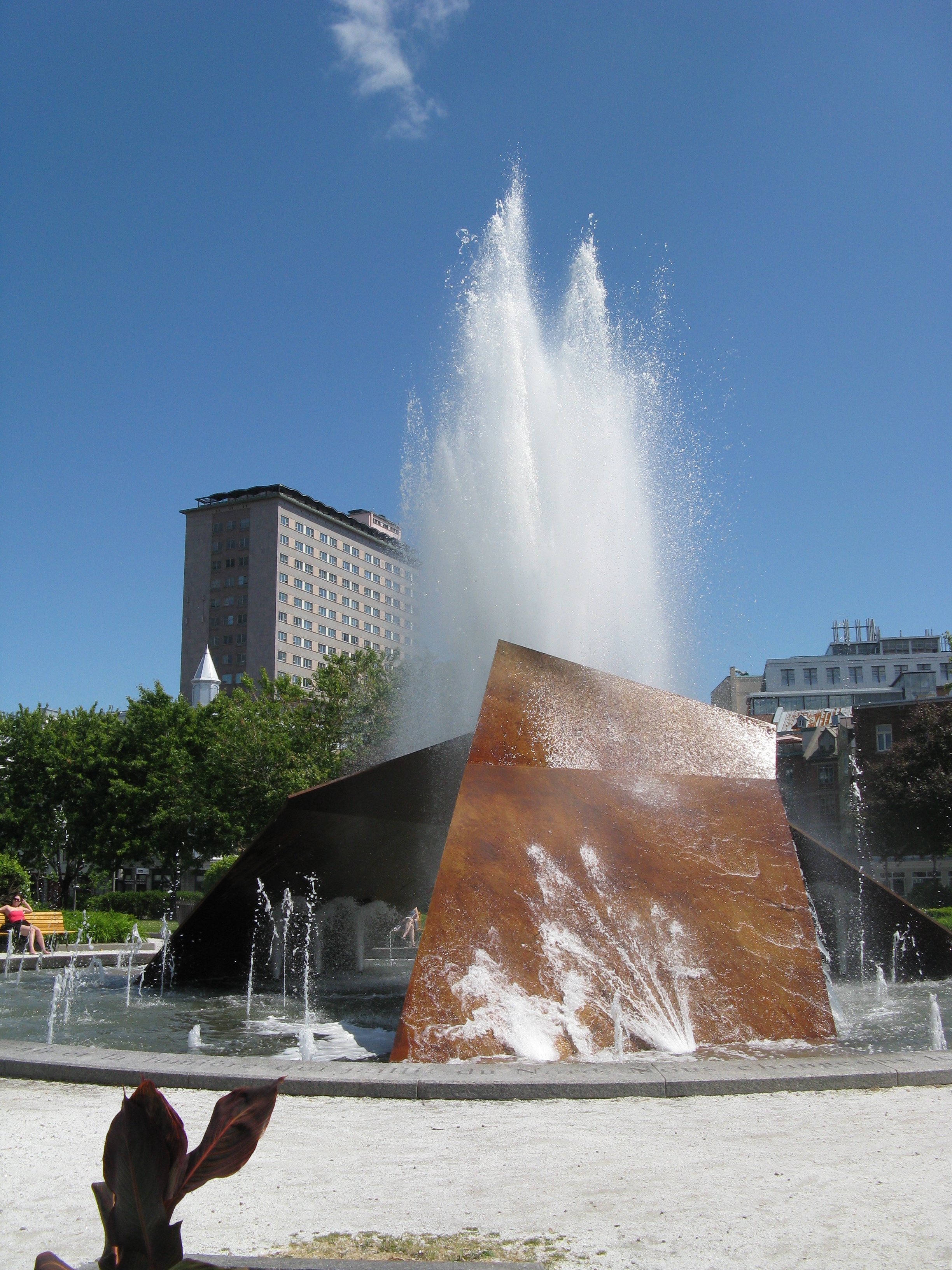
Saint Lawrence River
The Saint Lawrence river connects the great lakes with the Atlantic Ocean. It goes through the Canadian provinces of Quebec and Ontario, and is part of the international boundary between Ontario, Canada, and the U.S. state of New York. The river is the basis for the commercial Saint Lawrence Seaway.

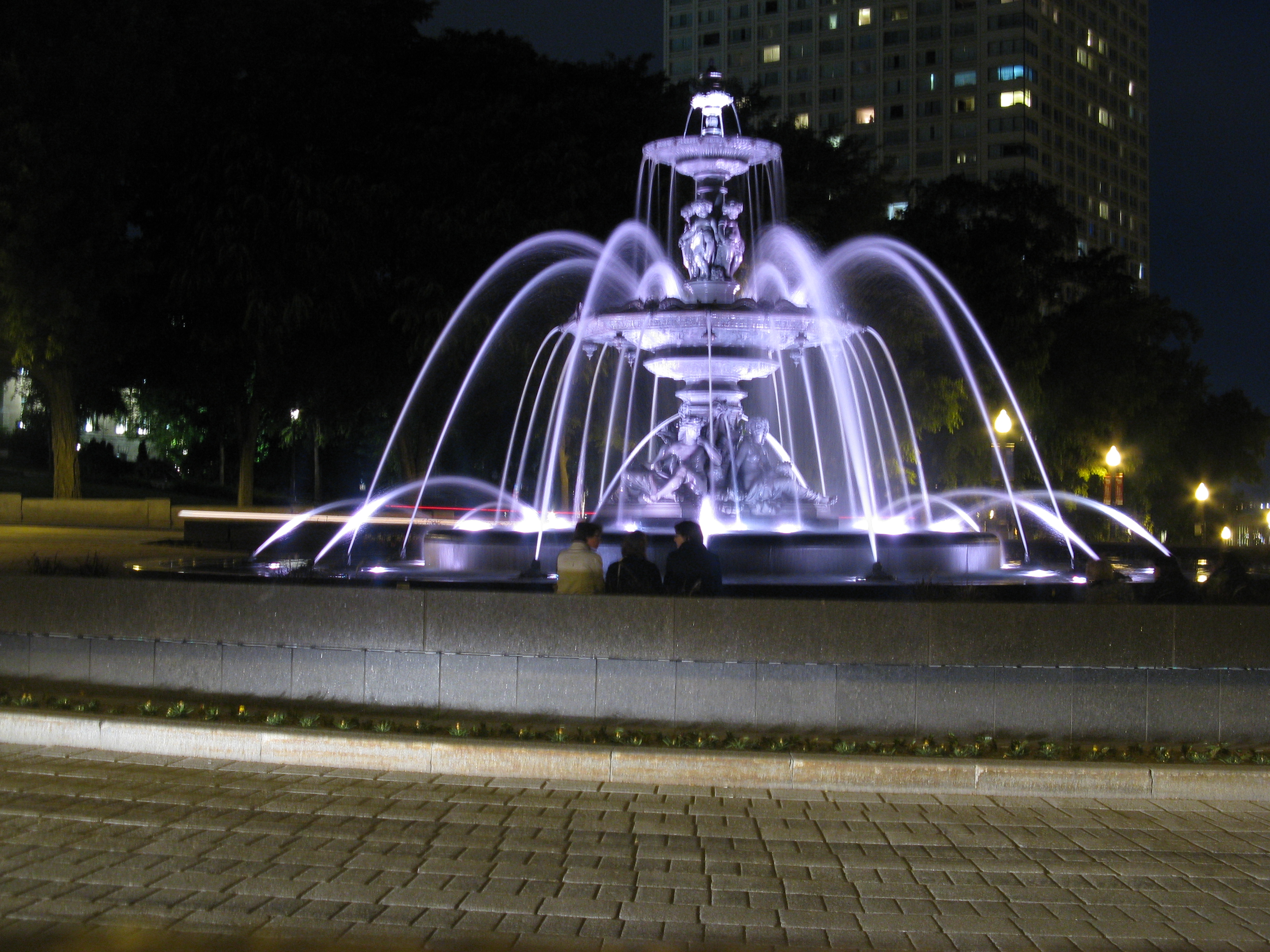
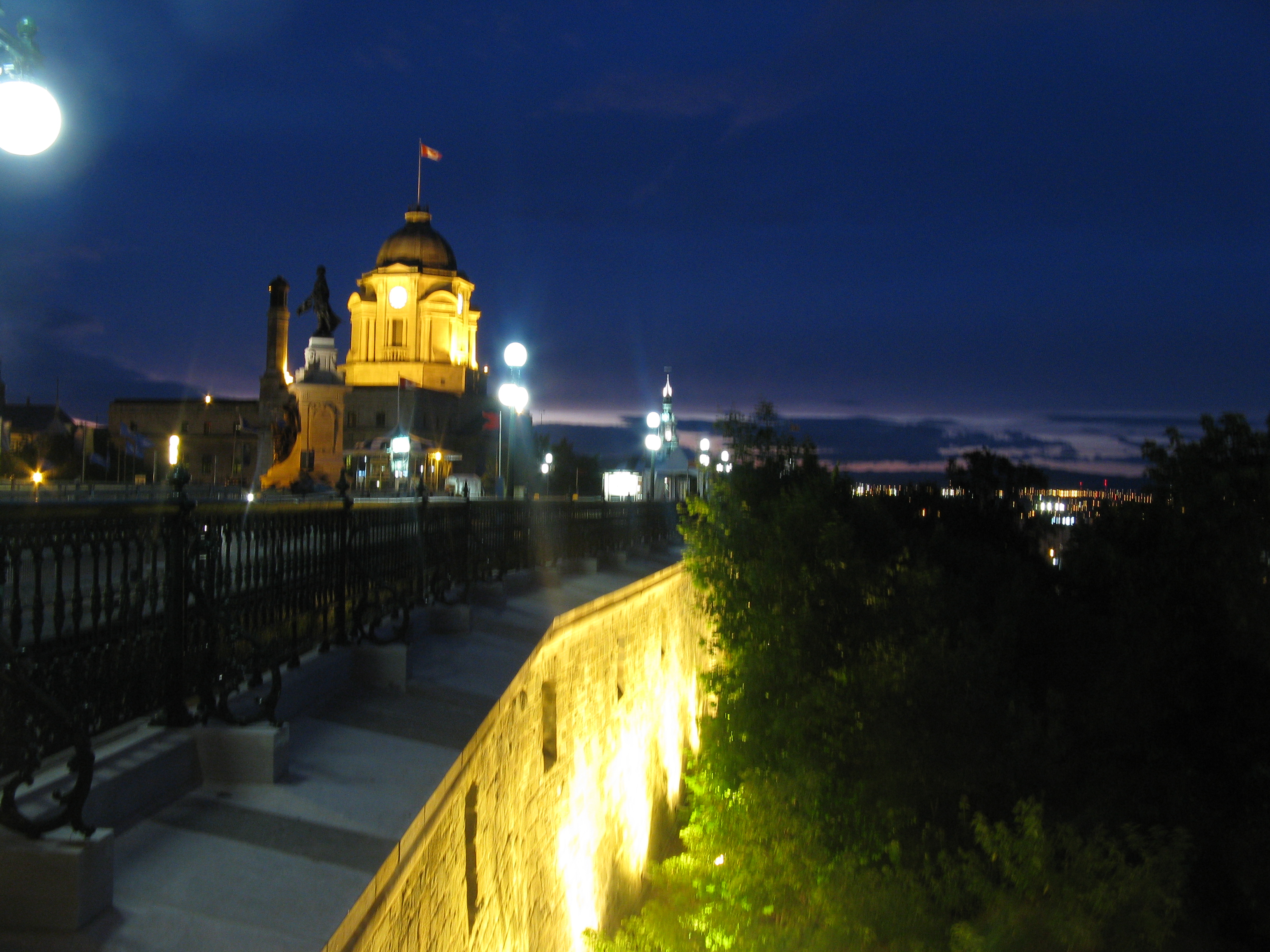
Quebec City at Night
The city is pretty by day and not too shabby at night.

Quebec Railway Station
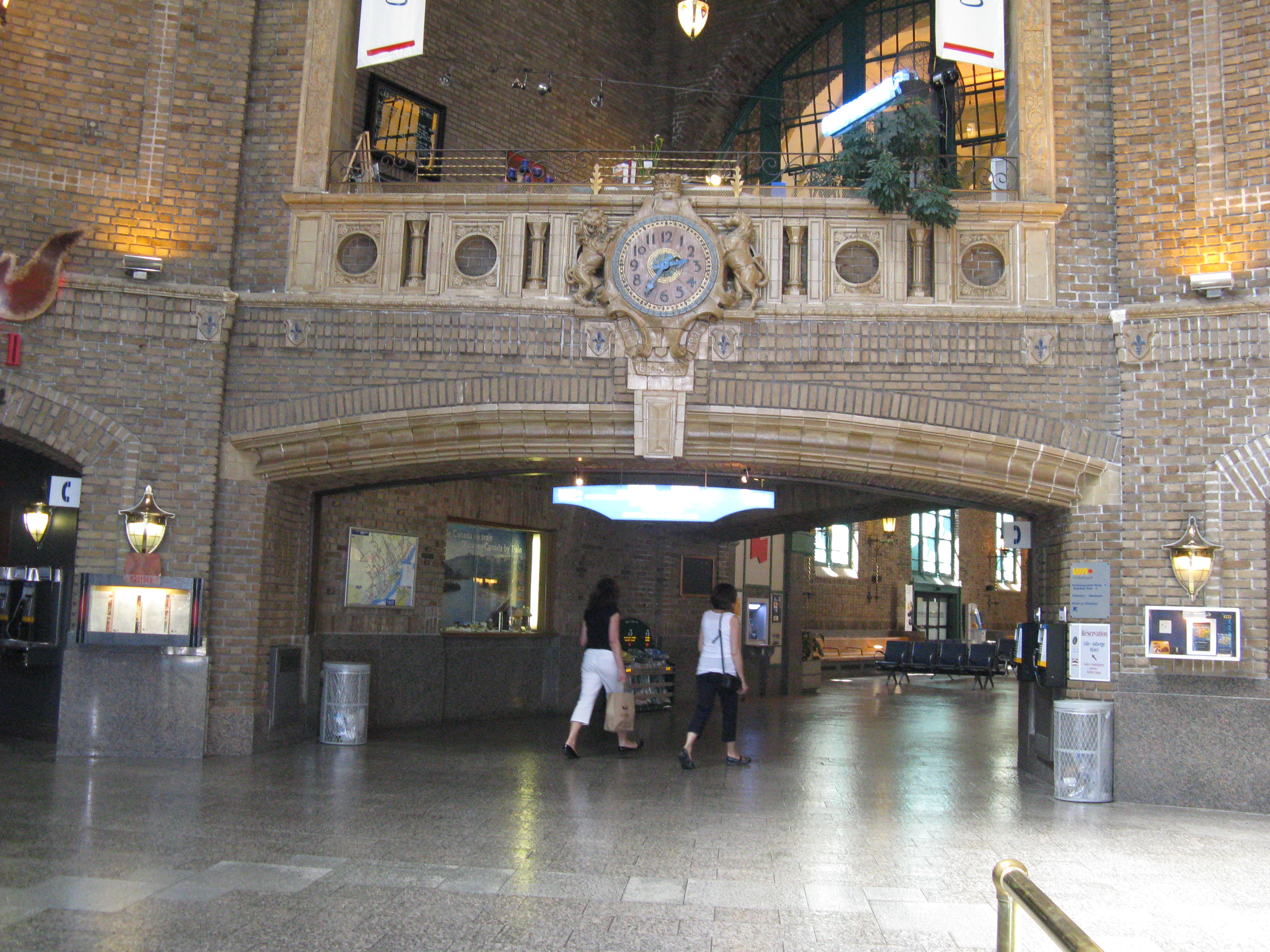
As train stations go this is pretty awesome. Like many building’s in Quebec City it has the stylish chic of a country chateaux.

This was our departure point as we waited for the overnight train to Halifax, another province and a different time zone.
Finally
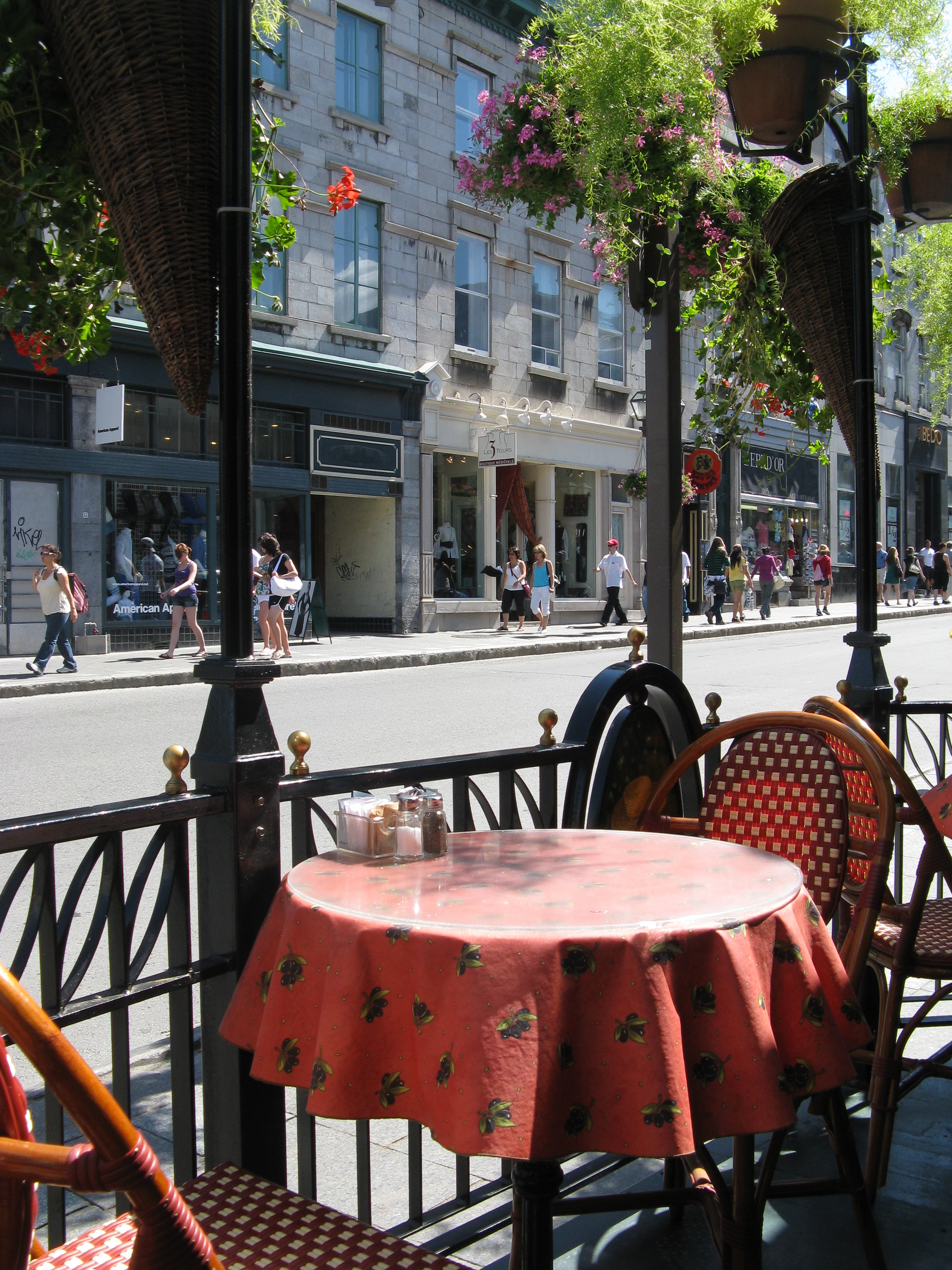
This café will remain in Heather’s mind forever, this is where she attempted to speak French. The lady serving confirmed our order of two glasses of red wine in a perfect Geordie accent..
 Heather and Keith's travels