This was a trip with Jules Verne, VJV, called “Secret Moldavia” and during which we visited Eastern Romania and Moldova including the disputed territory of Transnistria.
Left Luton on the last flight of the day, 1.25 hours after the previous flight had left. After we passed each point they turned off the lights and went home. I have never been in airport where even the bars and all food outlets are closed.
We landed at Iasi airport pronounced ‘Yash’ at 4 am in the morning and went through customs very quickly. After a short trip from the airport we arrived at the hotel at 5am. We were on the second floor which was negotiated by going to floor 3, walking along various corridors and the going down the lift to floor 2. This was a bit of a test at 5 am with all the corridors in the dark, apart from small night lights.
After a short sleep and breakfast the tour started with a tour of Iasi, which was the the old capital of both Moldavia and Romania. The city has lots of green space including a number of very large parks. The population is approximately 300,000 of which 60,00 are students.
Old Trams
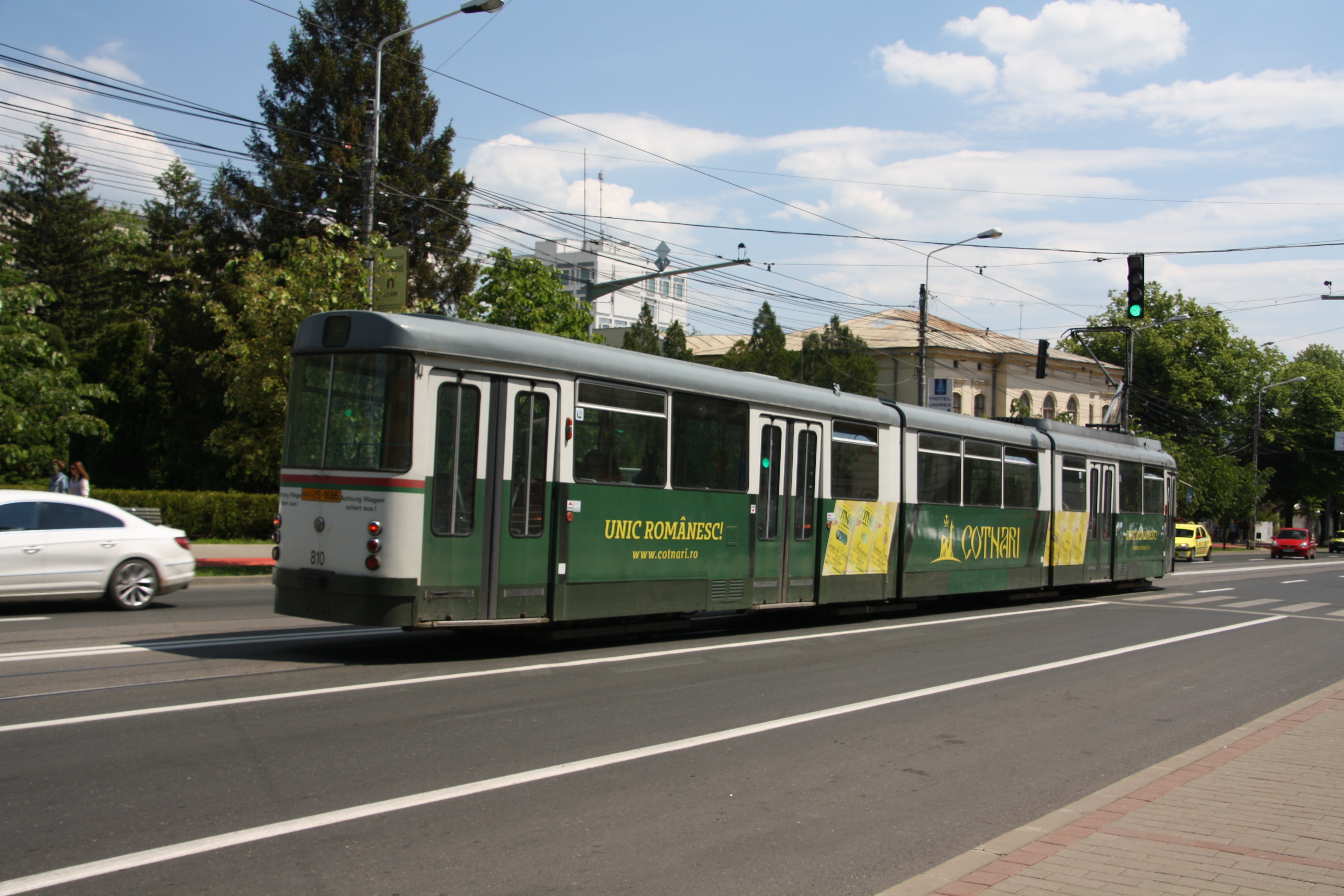
There are lots of trams the majority in various stages of repair. A number of these have been donated from other counties including Germany and Switzerland and still have the original adverts on them.
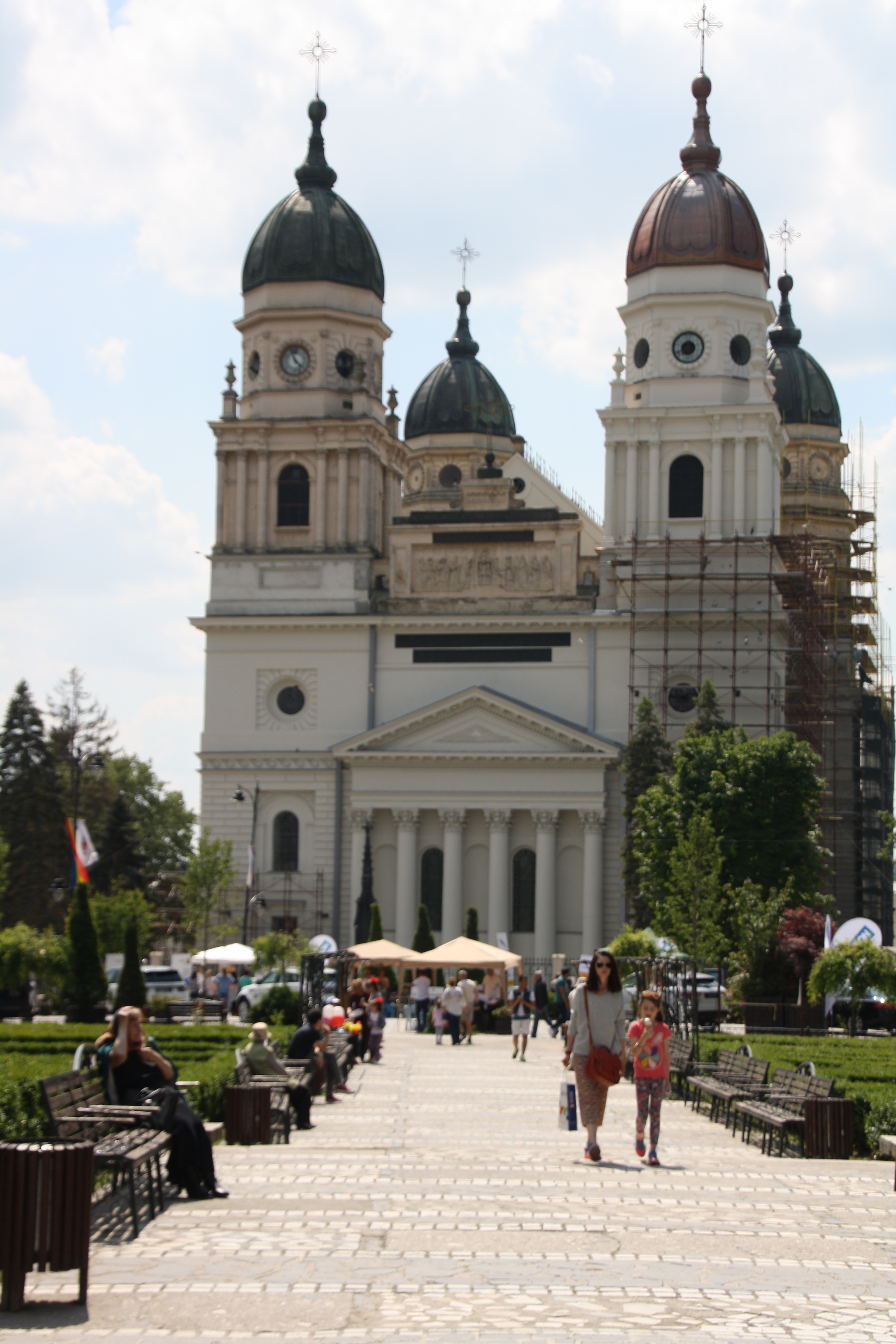
The Metropolitan Cathedral
The Metropolitan Cathedral(Romanian: Catedrala Mitropolitană din Iaşi), is located at 16 Ștefan cel Mare și Sfânt Boulevard, and is the seat of the Romanian Orthodox Archbishop of Iaşi and Metropolitan of Moldavia and Bukovina, and the largest Orthodox church in Romania. It is dedicated to Saint Paraschiva, to the Presentation of Jesus and to Saint George. Its form was inspired by the late Italian Renaissance style (Trinità dei Monti in particular), with Baroque elements dominating the interior and exterior decorative features. The Metropolitan Cathedral is listed in the National Register of Historic Monuments.
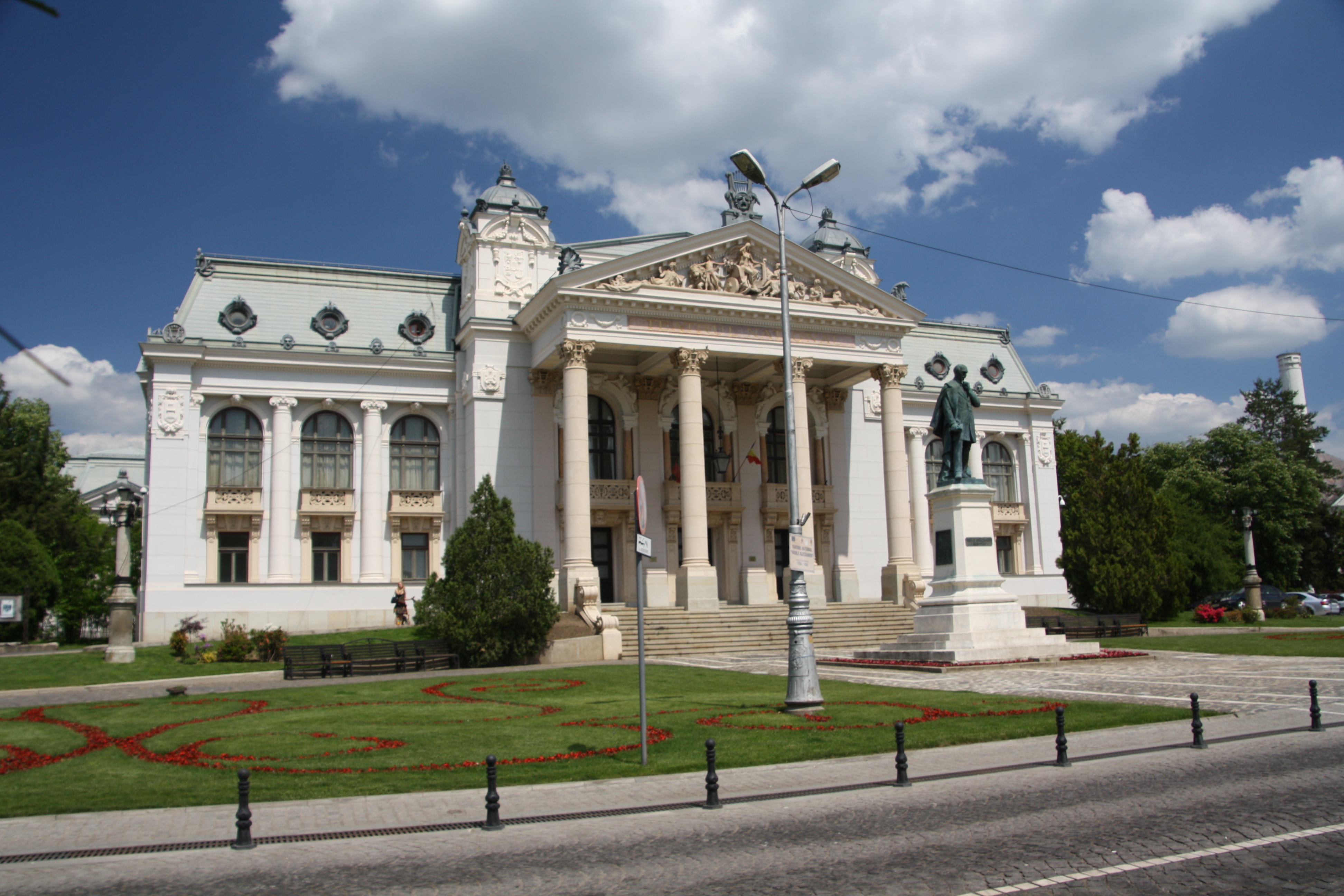
National Theatre
The Iași National Theatre, Teatrul Național Vasile Alecsandri, is the oldest national theatre and one of the most prestigious theatrical institutions in Romania. In 1956, it was given the name of the renowned Romanian playwright and poet Vasile Alecsandri.
With a Neoclassic exterior and a richly decorated interior in Rococo and Baroque styles, the building is considered one of the most elegant in Romania.
Monastery of the Three Hierarchs
Monastery of the Three Hierarchs, Mănăstirea Trei Ierarhi, is also known as the Church of the Three Hierarchs and is a seventeenth-century monastery located in the centre of Iaşi.
Several Romanian royal figures are buried inside the church: Tudosca (Vasile Lupu’s first wife) and Ștefan Vodă, their son; prince and scholar Dimitrie Cantemir (1673–1723); and Alexandru Ioan Cuza, the first ruler of the united Romanian principalities (1859–1866).
The church became renowned for the extraordinary lacery in stone which adorns the facades, from bottom to the top of the derricks. One can count over 30 non-repeating registers of decorative motives. Western architectural elements (Gothic, Renaissance) combine with the Eastern style, of Armenian (Khachkar), Georgian, Persian, Arabian or Ottoman inspiration, in a totally bold conception, whose result is a harmonious ensemble. The effusive scenery makes the church resemble a shrine of architectonic proportions, especially conceived to protect the Sfanta Cuvioasa Parascheva’s relics (1641). After the 1882 restoration, the original fresco was derusted, some fragments still being kept today in the monastery’s museum.

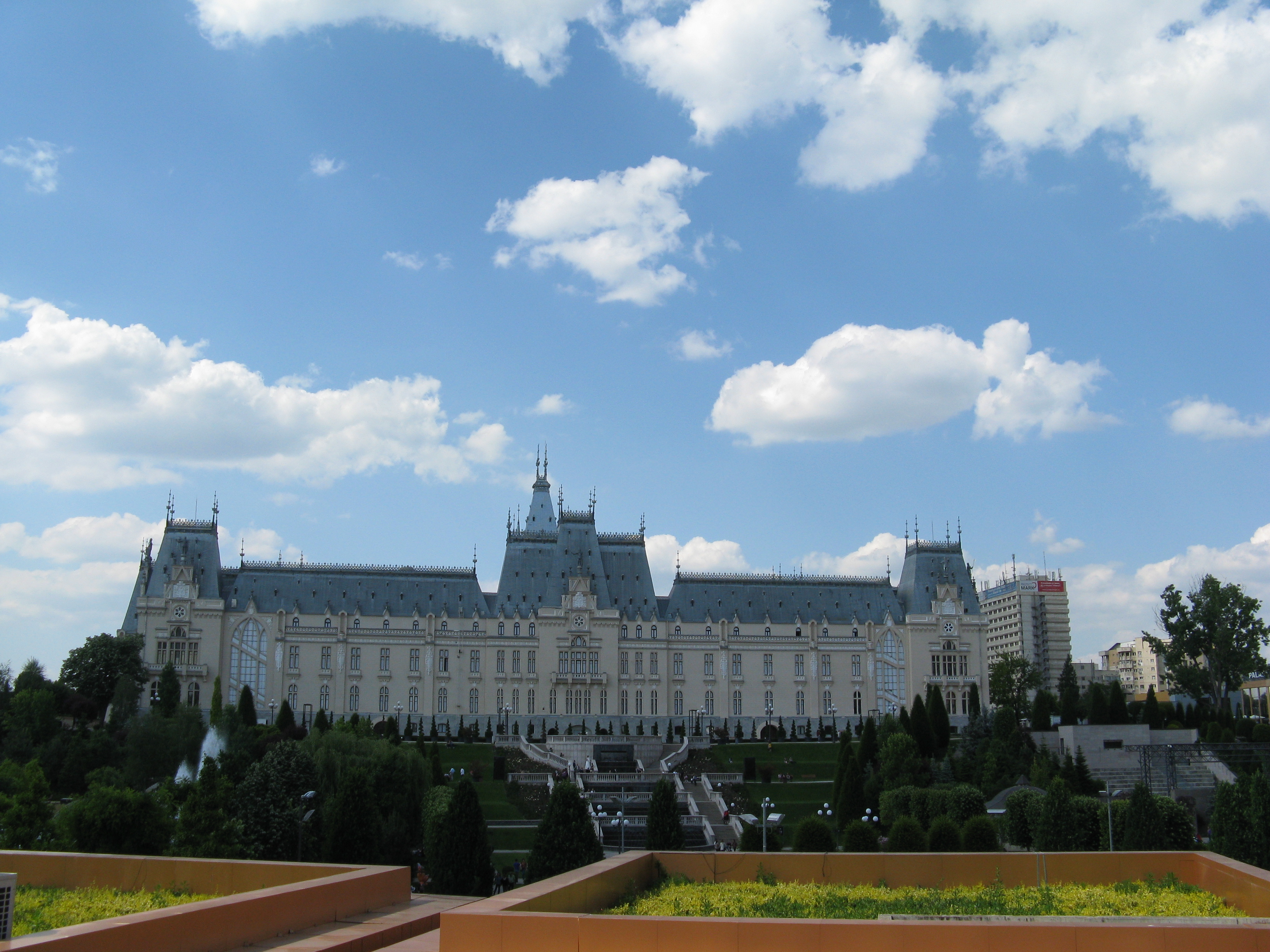
Palace of culture
The Palace of Culture served as Administrative and Justice Palace until 1955, when its destination was changed, being assigned to the four museums nowadays united under the name of Moldavia National Museum Complex. Also, the building houses the Cultural Heritage Conservation-Restoration Centre, and hosts various exhibitions and other events.
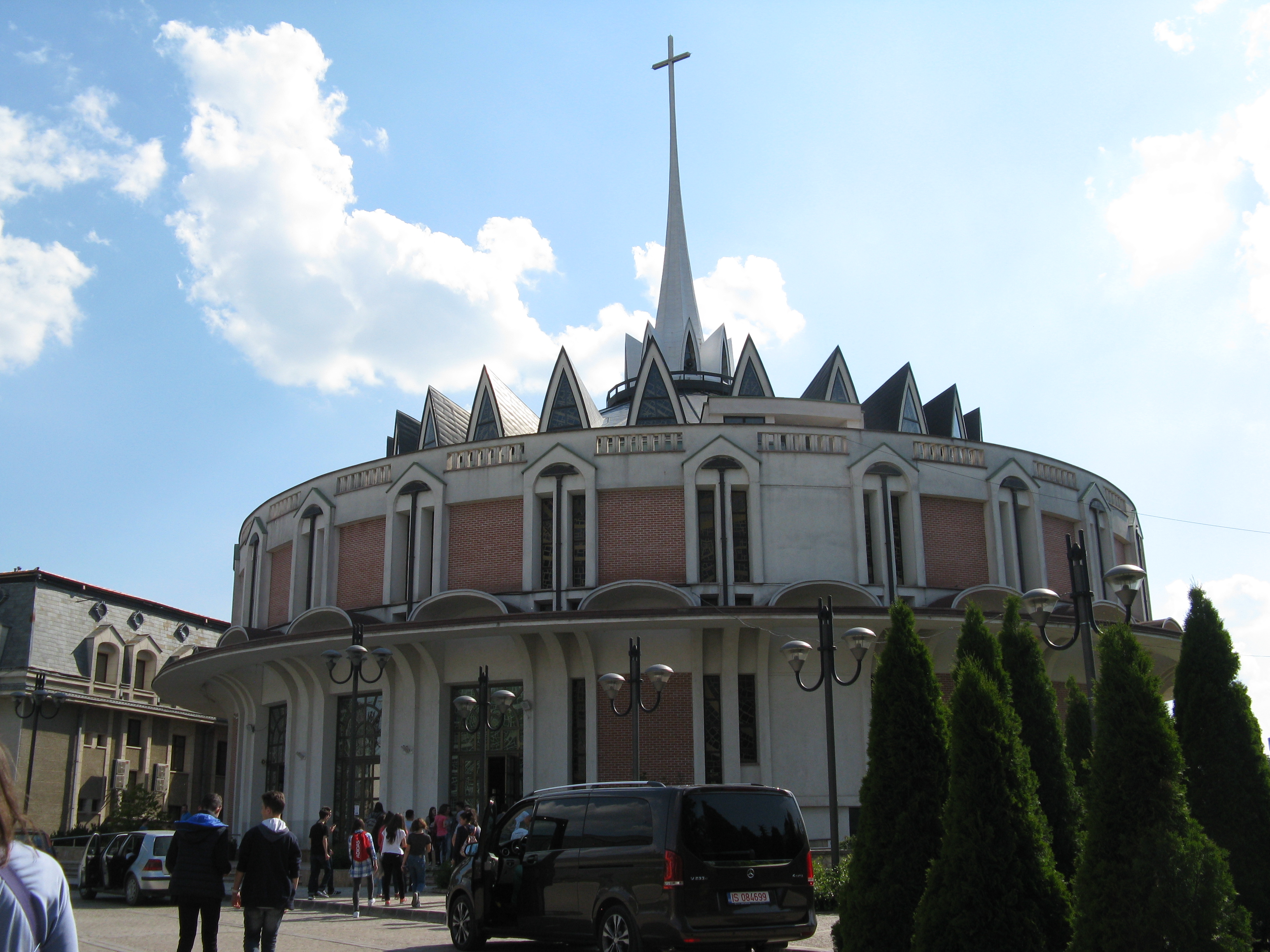
Roman Catholic Cathedral
The church is in the Roman Catholic Diocese of Iaşi (or Jászvásár in Magyar) is a Latin Rite suffragan of the Metropolitan Bucharest Archdiocese, in Romanian Moldavia.
It was established in 1818 as Apostolic Vicariate ‘pre-diocesan missionary jurisdiction; exempt, i.e.. directly subject to the Holy See, not part of an ecclesiastical province) of Moldavia.
Chisinau
Sandwiched between Romania and Ukraine, Moldova is as off the beaten track as you can get in Europe. Attracting just a fraction of the number of visitors of neighbouring countries (12,000 to 20,000 annually in recent years), it’s a natural destination for travellers who like to plant the flag and visit lands few others have gone to.
But Moldova’s charms run deeper than being merely remote. The country’s wines are some of the best in Europe (if not the world) and a fledgling wine-tourism industry where you can tour wineries and taste the grape, has taken root. The countryside is delightfully unspoiled and the hospitality of villagers is authentic. The capital. Chisinau, is surprisingly lively, with excellent restaurants and bars. Across the Dniestr River lies the separatist Russian-speaking region of Transdniestr. It’s a time-warp place, where the Soviet Union still reigns supreme and busts of Lenin line the main boulevards.
We visited Chisinau in May 2016 and stayed at the Flowers Hotel
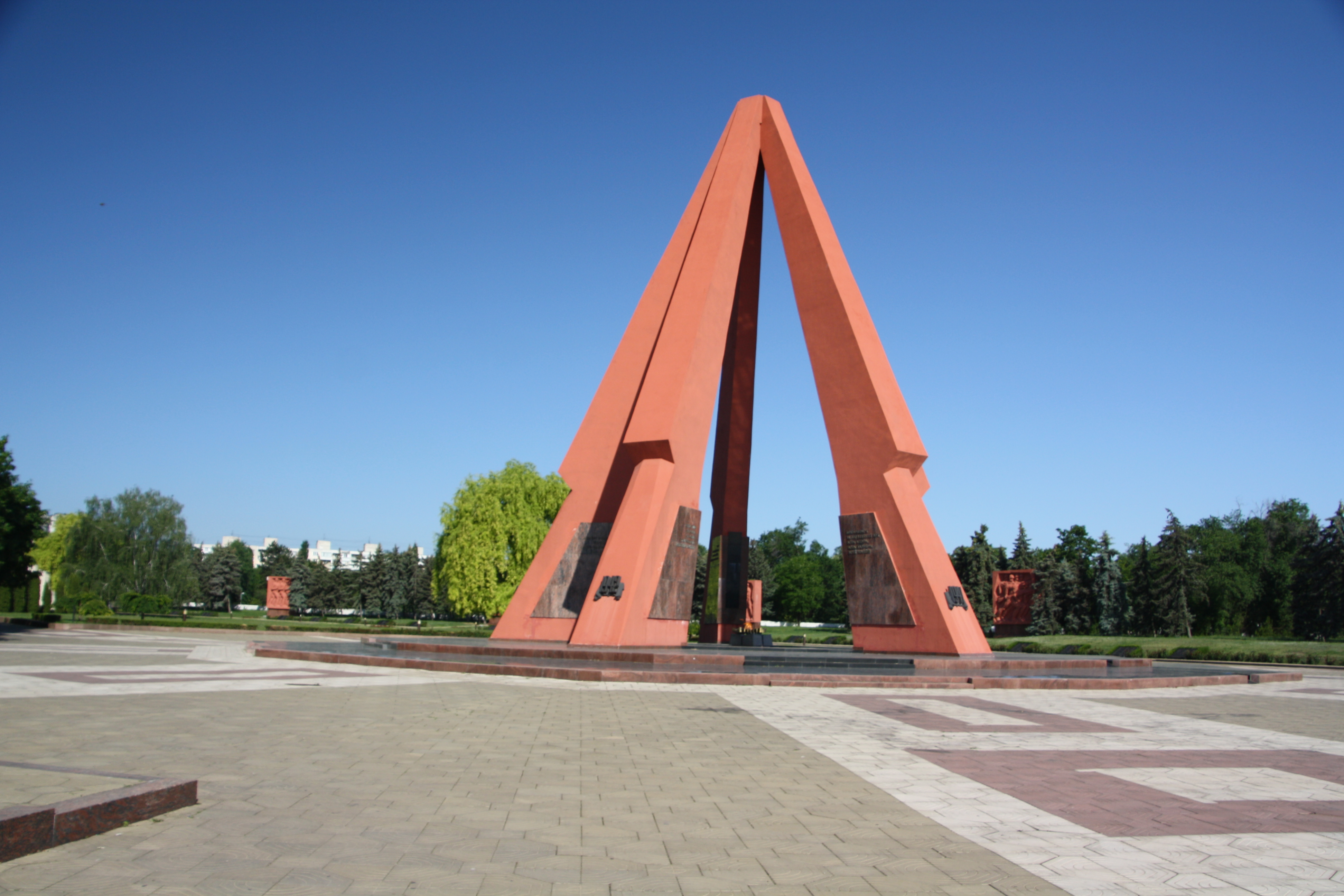
Great Memorial dedicated to WW2
The monument is dedicated to the memory of world war 2. It has an eternal flame and is guarded 24 hours a day, apart from the day we went when there was no one around.
Steven the Great
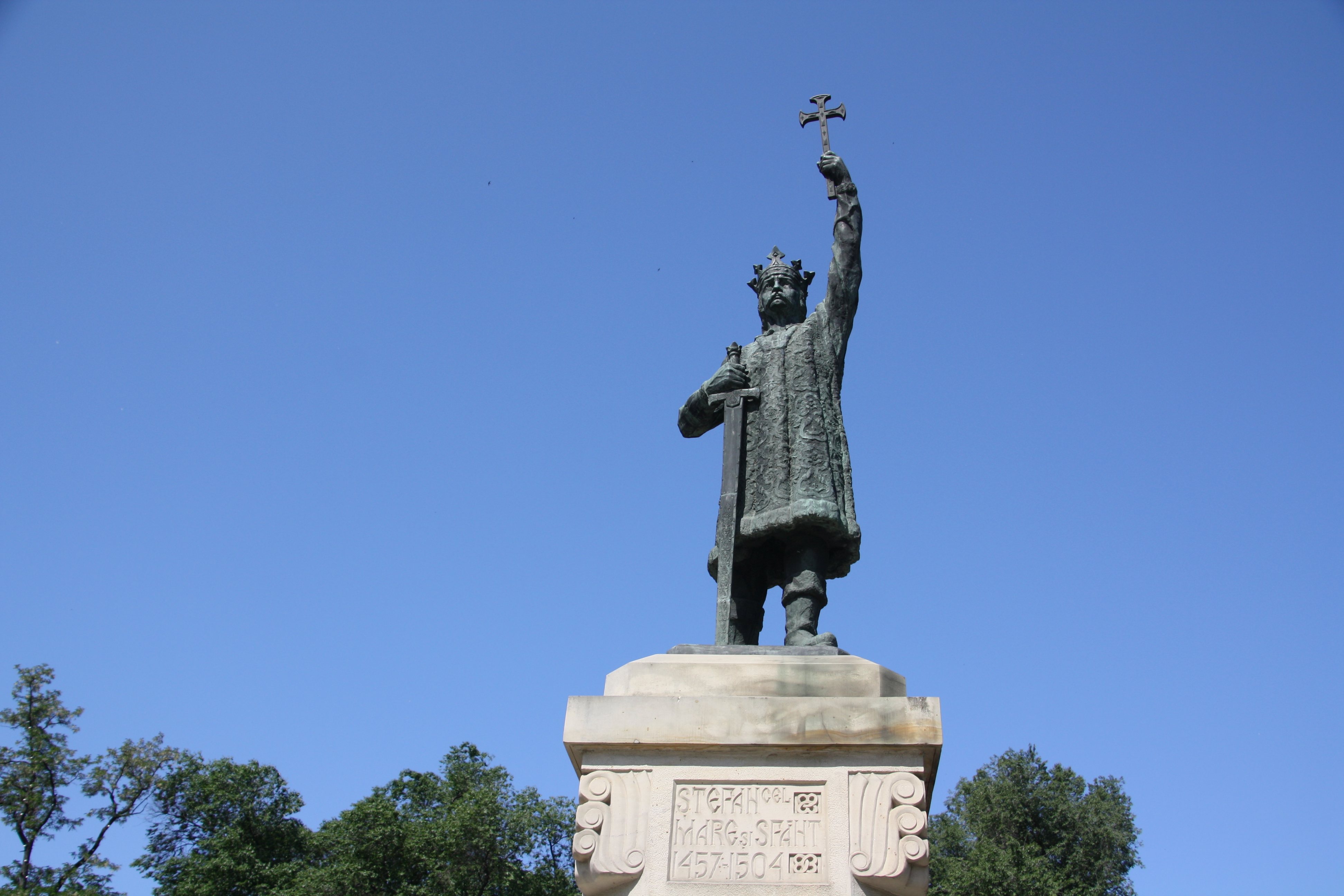
Stephen III of Moldavia, commonly known as Stephen the Great or Ștefan cel Mare in Romanian, pronounced [ˈʃtefan t͡ʃel ˈmare] or Ștefan cel Mare și Sfânt, “Stephen the Great and Holy”; 1433 – July 2, 1504) was Prince of Principality of Moldavia between 1457 and 1504, and the most prominent representative of the House of Mușat.
This is one of the many monuments that appear in both Moldova and Eastern Romania.
His name is used for the most famous street in Chisinau.
Nativity Cathedral in Chisinau
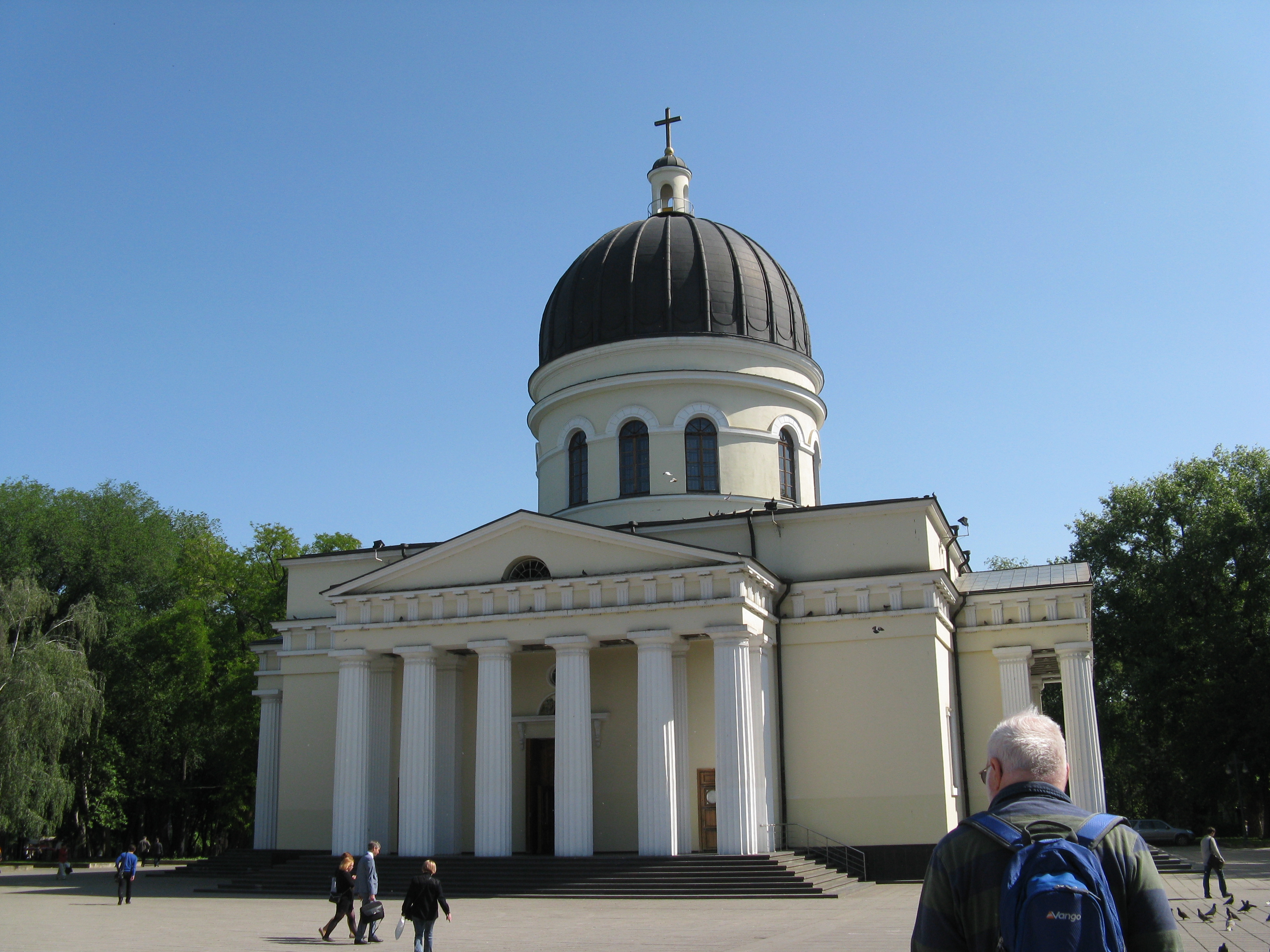
The Cathedral of Christ’s Nativity, Catedrala Mitropolitană Nașterea Domnului, is the main cathedral of the Moldovan Orthodox Church in Central Chișinău. It was commissioned by the governor of New Russia, Prince Mikhail Semyonovich Vorontsov, and Metropolitan Gavril Bănulescu-Bodoni in 1830. The cathedral was built in the 1830s and was subsequently bombed during the World War II. In additionits bell tower was destroyed by the local Communists in 1962. The new bell tower was constructed in 1997. During the Soviet period, worship was prohibited and the cathedral was transformed into an exhibition center
Street Market in Chisinau
This is one of the many street markets in Chisinau which sell most things, apart from postcards (in the whole trip we never saw anywhere that sold postcards – this could be a new business opportunity).

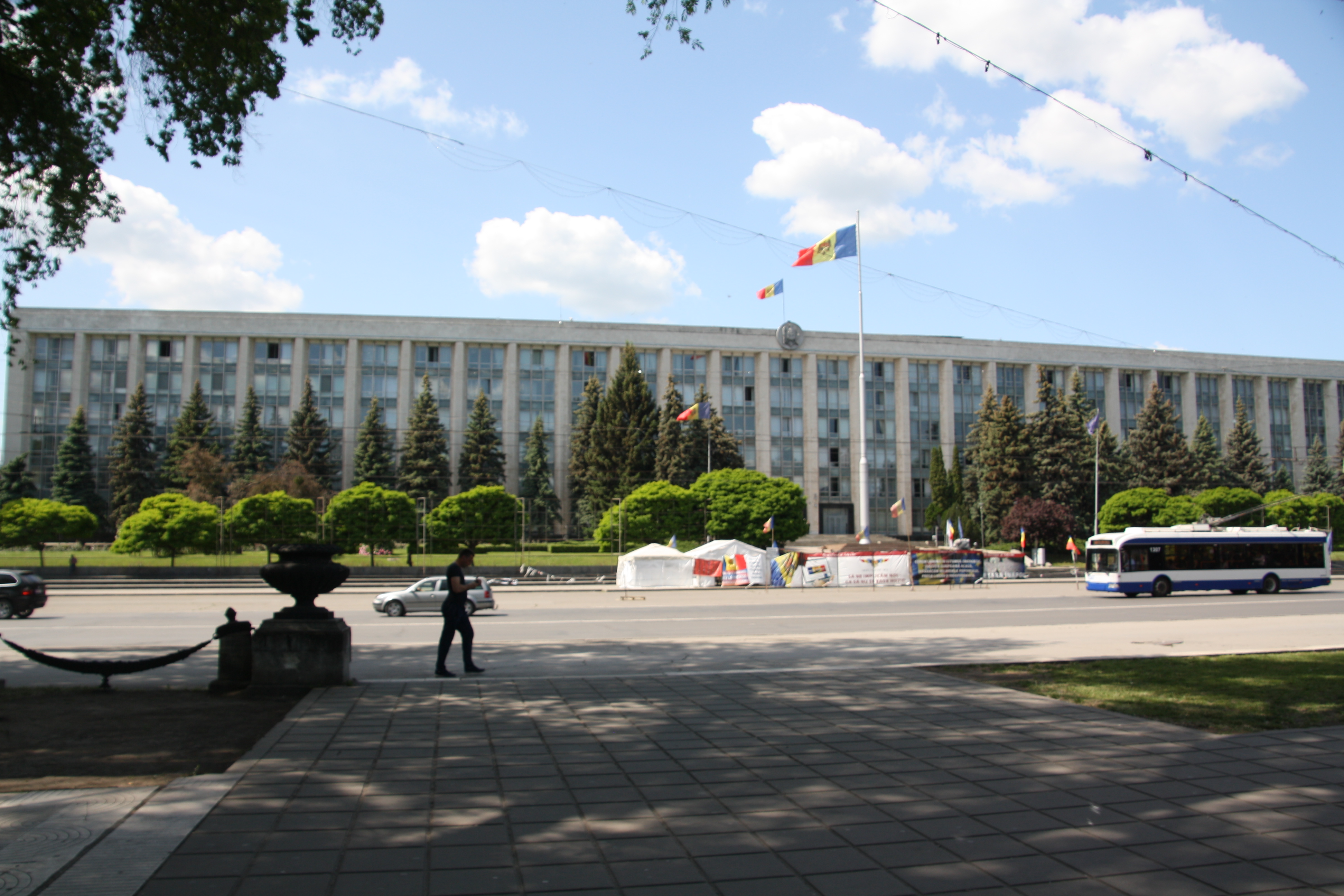
Parliament Building in Chisinau
The Parliament Building is where the Parliament of the Republic of Moldova sits. It has 101 MPs who are elected by popular vote every 4 years. The parliament then elects a president, who functions as the head of state. The president appoints a prime minister as head of government who in turn assembles a cabinet, both subject to parliamentary approval.
Triumphal arch in Chisinau
The Triumphal arch was built in 1840 by the architect I. Zauschevic and thanks to the governor’s of Bessarabia initiative to commemorate the victory of the Russian Empire over the Ottoman Empire during the Russo-Turkish War (1828–29). From its construction to 2011 the monument sheltered at its second level a huge bell of nearly 6400 kg (400 Puduri). It was smelted with the copper of the cannons captured by the Russian forces from the Ottoman Empire. The bell “clopote–velican” was initially made for the cathedral’s belfry but happened to be too big for it. Finally it was installed in this arch, which was designed in purpose. The monument and the mechanism of its clock were fully restored in 1973

Cricova Wine Cellar
The wine cellars of Cricova is the second largest wine cellar in Moldova, after Milestii Mici (largest in the world). It boasts a mere 120 kilometres (75 mi) of labyrinthine roadways, versus MM’s 200 kilometres (120 mi), tunnels have existed under Cricova since the 15th century, when limestone was dug out to help build Chişinău. They were converted into an underground wine emporium in the 1950s.
Half of the roadways are used for wine storage. The roads are named by the wines they store. This “wine city” has its warehouses, tasting rooms and other facilities underground. It goes down to 100 metres (330 ft) below ground and holds 1.25 million bottles of rare wine. The oldest wine dates back to 1902. The temperature is maintained at about 12 °C (54 °F) all year round (which is perfect for wine). This place is especially famous for hiding Jews in wine barrels during the Nazi invasion of the Soviet Union.
The “Grand Cellars of Cricova” house a remarkable collection of wines – The National Oenotec. The unique exhibits (“Jerusalem of Easter” vintage 1902, the liqueur “Jan Becker” vintage 1902) together with other 158 brands from Bourgogne, Moseley, Tokay, Rein, etc. – make up the precious thesaurus of the establishment as well as of Moldova in general, comprising nowadays a total of about 1.3 million bottles.
However, the pride of the Oenotec are, first of all, the wines bearing the name “Cricova”, which brought the winery a collection of national and international tasting awards. As of 2008, the collection consists of over 70 silver, gold and Grand Prix awards.
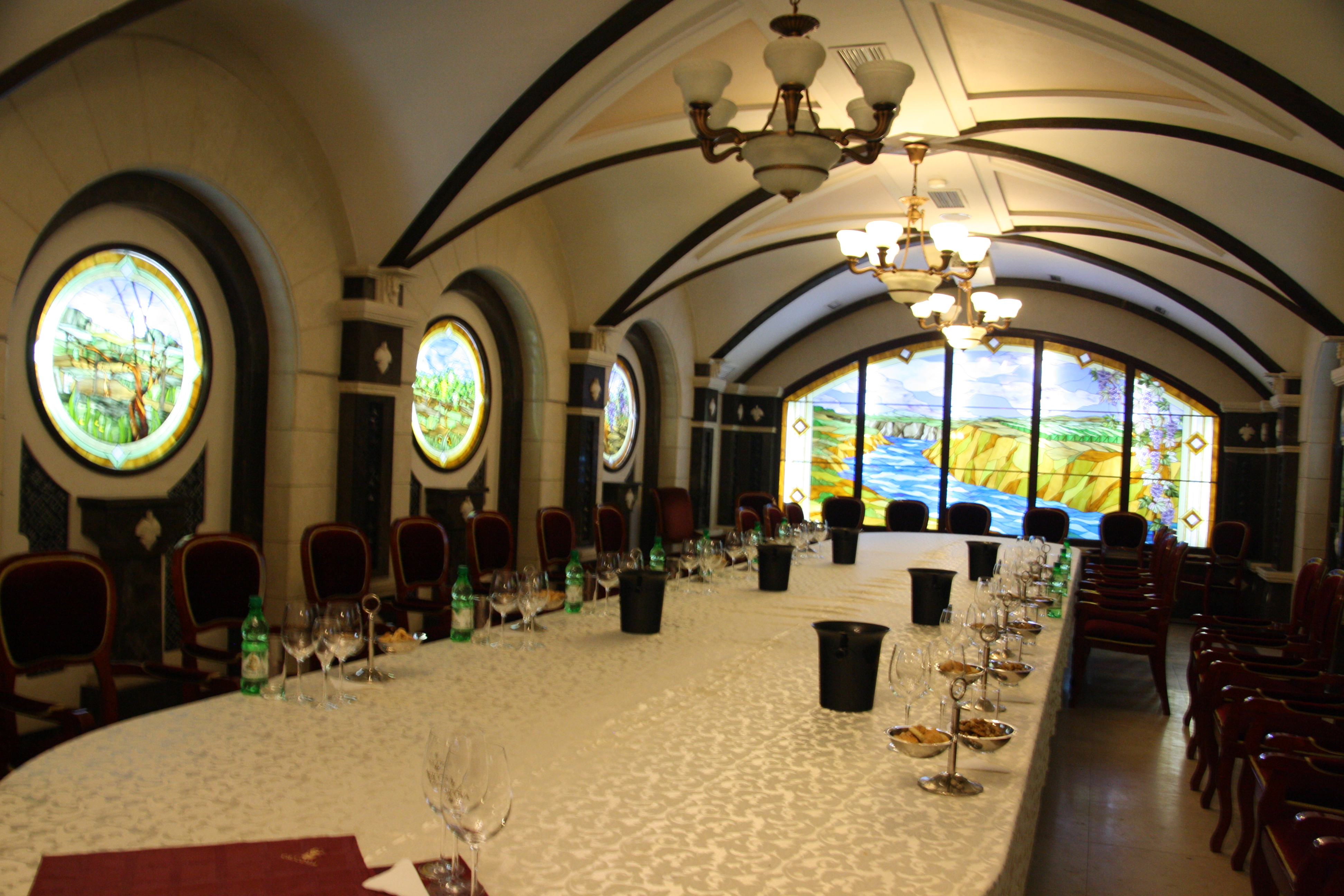
We had a 3 course lunch and wine tasting of 6 separate wines, two white followed by two red followed by two sparkling, the later one of these is produced in the Champagne style.
This is underground but they use light behind a picture to give the impression that you are above ground and this is just a feature window with a view.
Orheiul Vechi Complex
Orheiul Vechi Complex is the ancient city Old Orhei – a unique natural and historical complex in the open air. It organically combines the natural landscape and vestiges of ancient civilizations. As a result of enormous archeological excavations here there were discovered the cultural layers of different epochs such as – the Palaeolithic, Eneolithic, and Iron Age.
Old Orhei contains traces of different civilizations, including the rests of earthen and wooden fortresses of Geto-Dacian fortress (6th-1st centuries. BC. Oe.), Golden Horde fort Shehr al-Jedid (or Yangi-Shehr) (14th century.), Moldavian fort (14th-16th centuries), Orthodox monasteries (c 14th century.), and the Moldavian town Orheiul Vechi (Old Orhei) (14th-16th centuries).
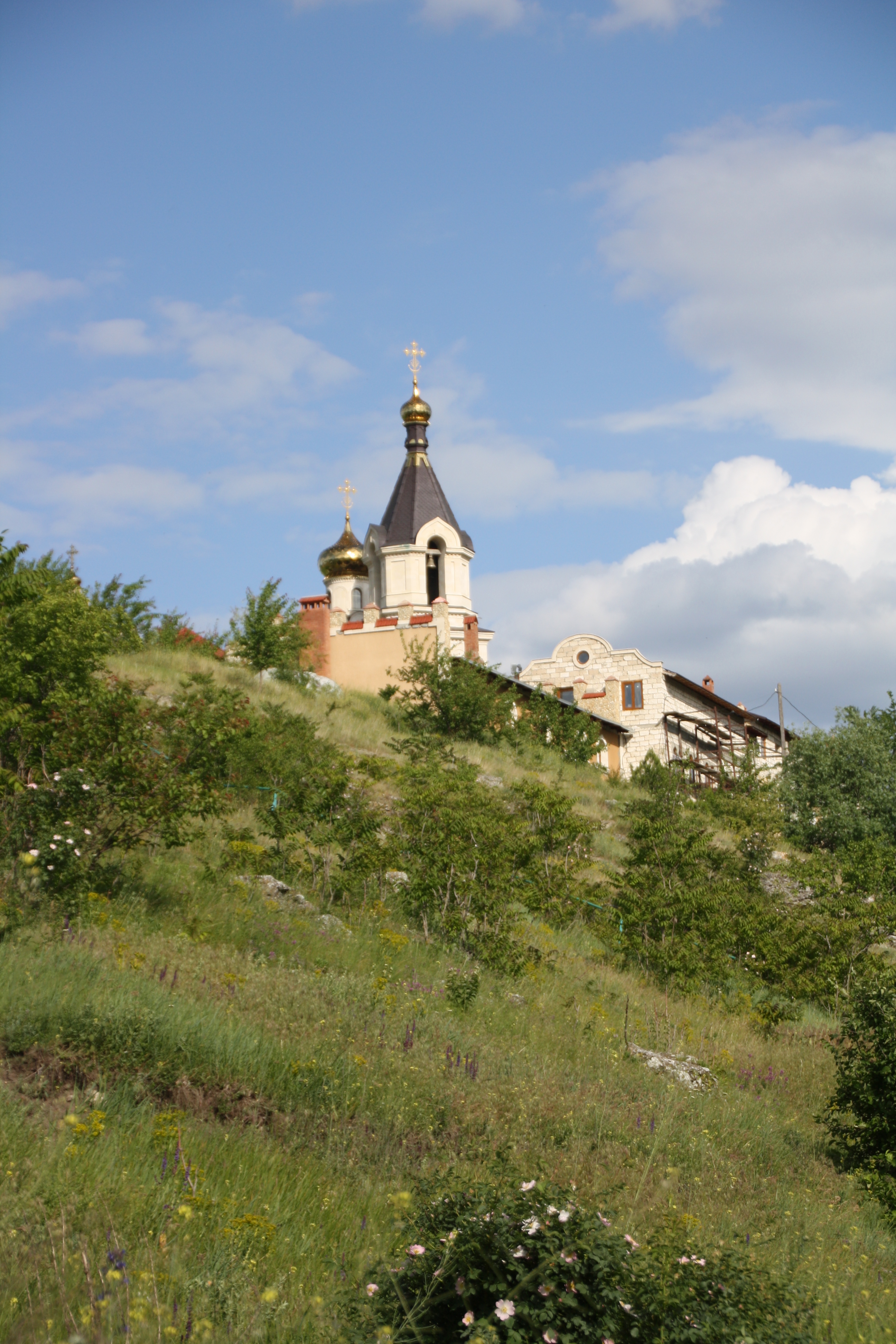
The complex includes a monastery which has been built in the cliffs, the view below is what the monks (or Nun’s) see when they step out the back door. As a test there is no wall or fence and one wrong step there are couple of bounces until you hit the river below.
 This one of the main churches that sits on the hillside.
Transnistria – Tiraspol
Transnistria is one of the oddest places we have ever been to. It is a self proclaimed republica that only disputed areas of Georgia (Abkhazia, South Ossetia) and Azerbaijan (Artsakh) recognise. It doesn’t appear on any maps as it is in still part of Moldova but has its own border control and currency which is not recognised anywhere else in the world. Any ATM’s that are used by foreigners are attached to Russian banks and dispense either Moldavian Leu or Russian Roubles. In order to buy anything these have to be converted to the Transnistrian Rouble as this is the only currency that can be used here. It cannot be converted back in to any other currency. It is also the only currency in the world that has plastic coins.
The Transnistria War followed armed clashes on a limited scale that broke out between Transnistrian separatists and Moldova in November 1990 and lasted until a ceasefire agreement, signed on 21 July 1992, has held to the present day. Moldova has since then exercised no effective control or influence on Transnistrian authorities.
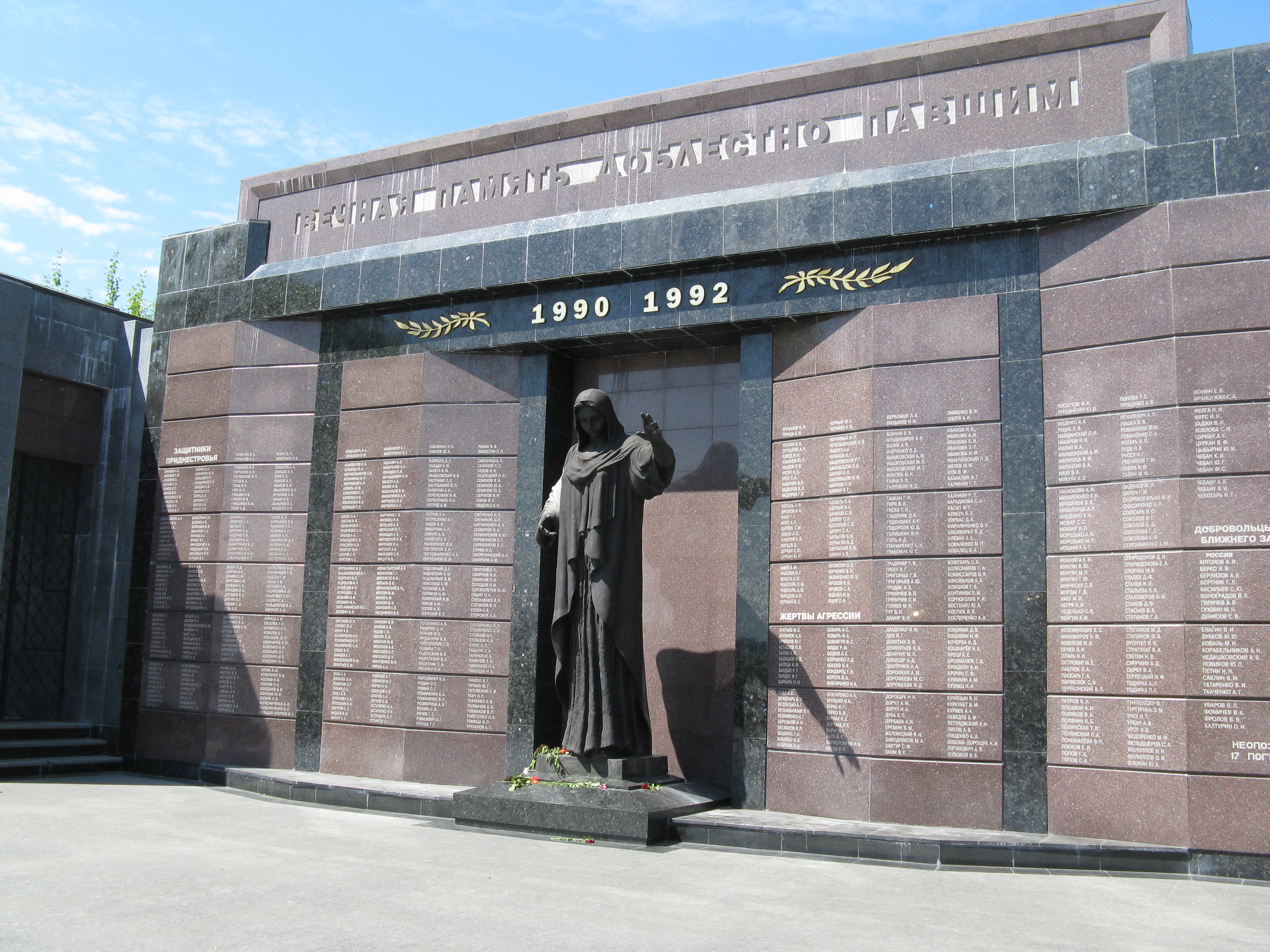
The picture below is of a Soviet T-34 tank which is commemorating the Soviet victory in World War II and is now known AS the memorial of Remembrance and Sorrow.
 This is a statue of Lenin which sits outside the House of Soviets, this is the seat of the unofficial parliament of Transnistria, this doesn’t appear to be open to visitors.

Chitcani Monastery
The Chitcani Monastery (Mănăstirea Chiţcani), also known as the New Neamts Monastery (Mănăstirea Noul Neamţ), is the only monastery in Transdnistria. The Monastery is the largest monastic community in eastern Moldova and part of the autonomous Moldovan Orthodox Church.
The Chitcani Monastery was founded in 1861 by monks from the Neamts Monastery in Moldavia. The monks left Neamts because of the government of Alexander Cuza, which had confiscated the estates of the Moldavian monasteries and banned the use of Slavonic in the divine services in an effort to promote Romanian nationalism in the region. The fleeing monks naturally found refuge in the Russian Empire and the Russian Orthodox Church.
In 1989 the church of the Chitcani Monastery was reopened and in 1990 the Monastery was formally re-established.
Any female visitors must cover their heads, this is normal in many churches, but they must also a skirt. As Heather had trousers and no hat, here is a picture of the latest fashion.
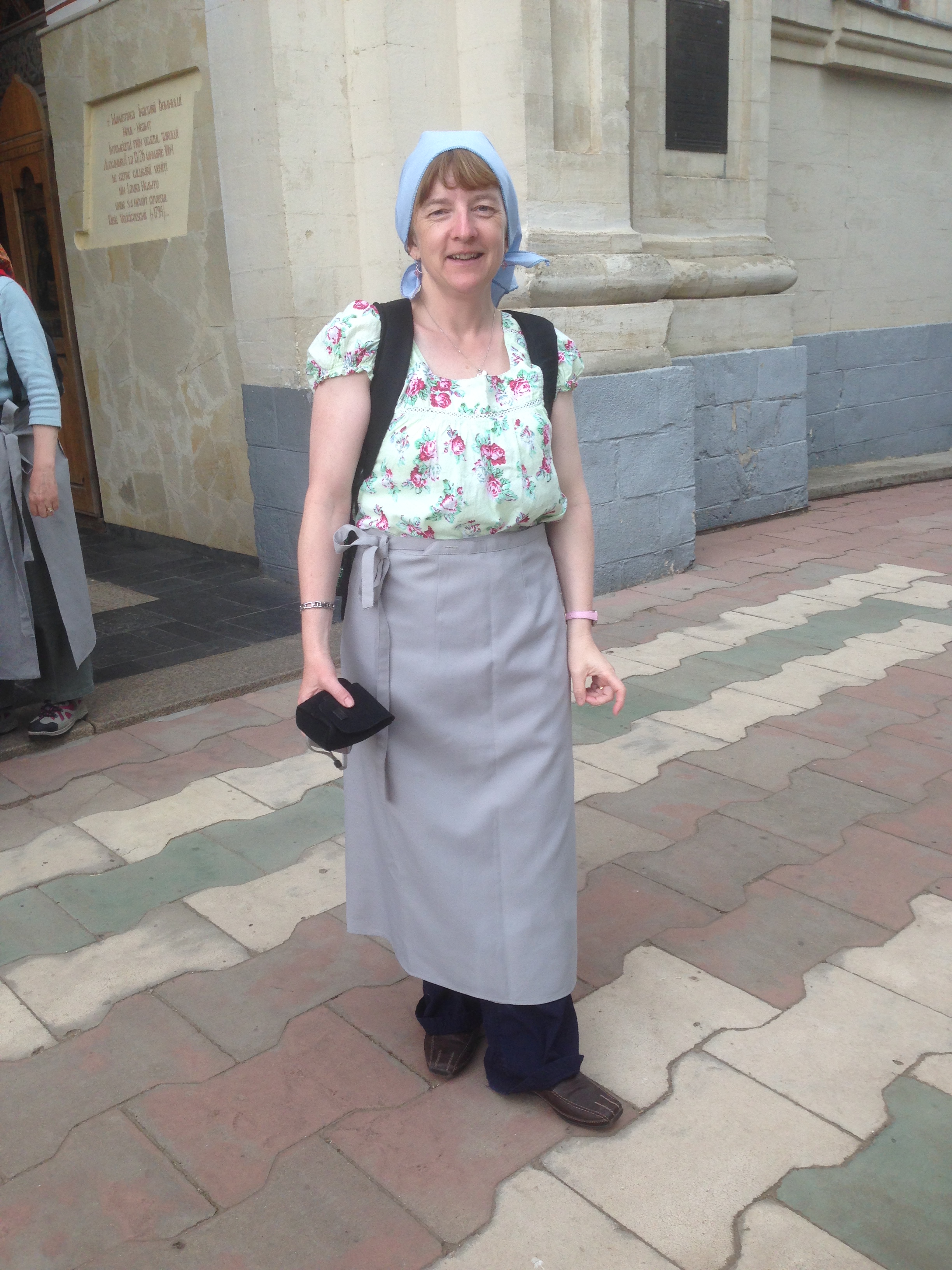
Within the Monastery they have two churches, the largest is called the summer church because it is only used in the summer. It is too cold in the winter.
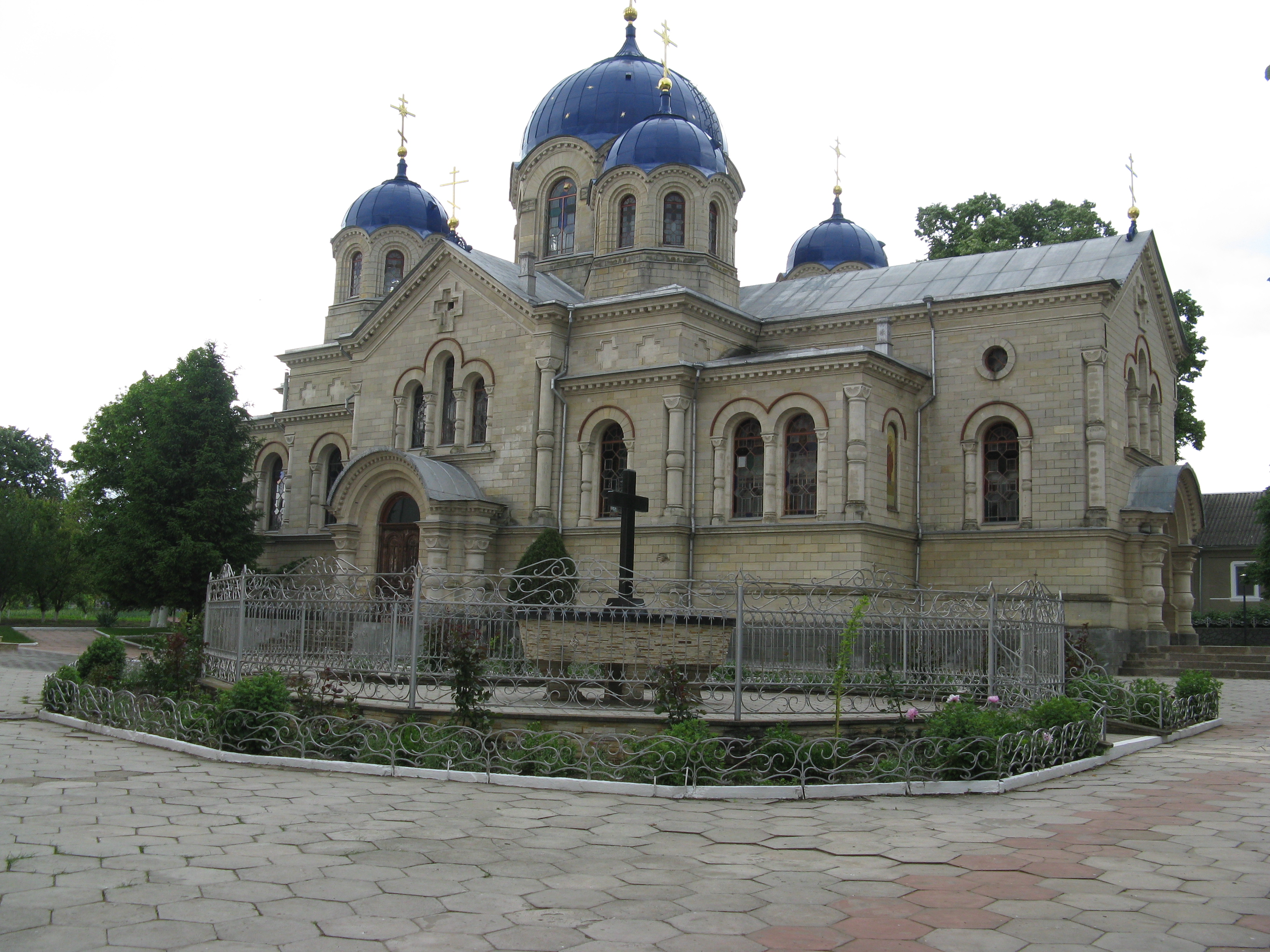 The winter church as can be seen by the picture below is much smaller. There is no heating in any of the churches because of the damage to the ancient artefacts, but more probably because they can’t afford it.

Rural Romania and Moldova
In many rural parts horses are still used for transport and for work on farms. This is the rural Romanian equivalent of Pickford’s removals. This probably the best form of transport as the roads are so poor.

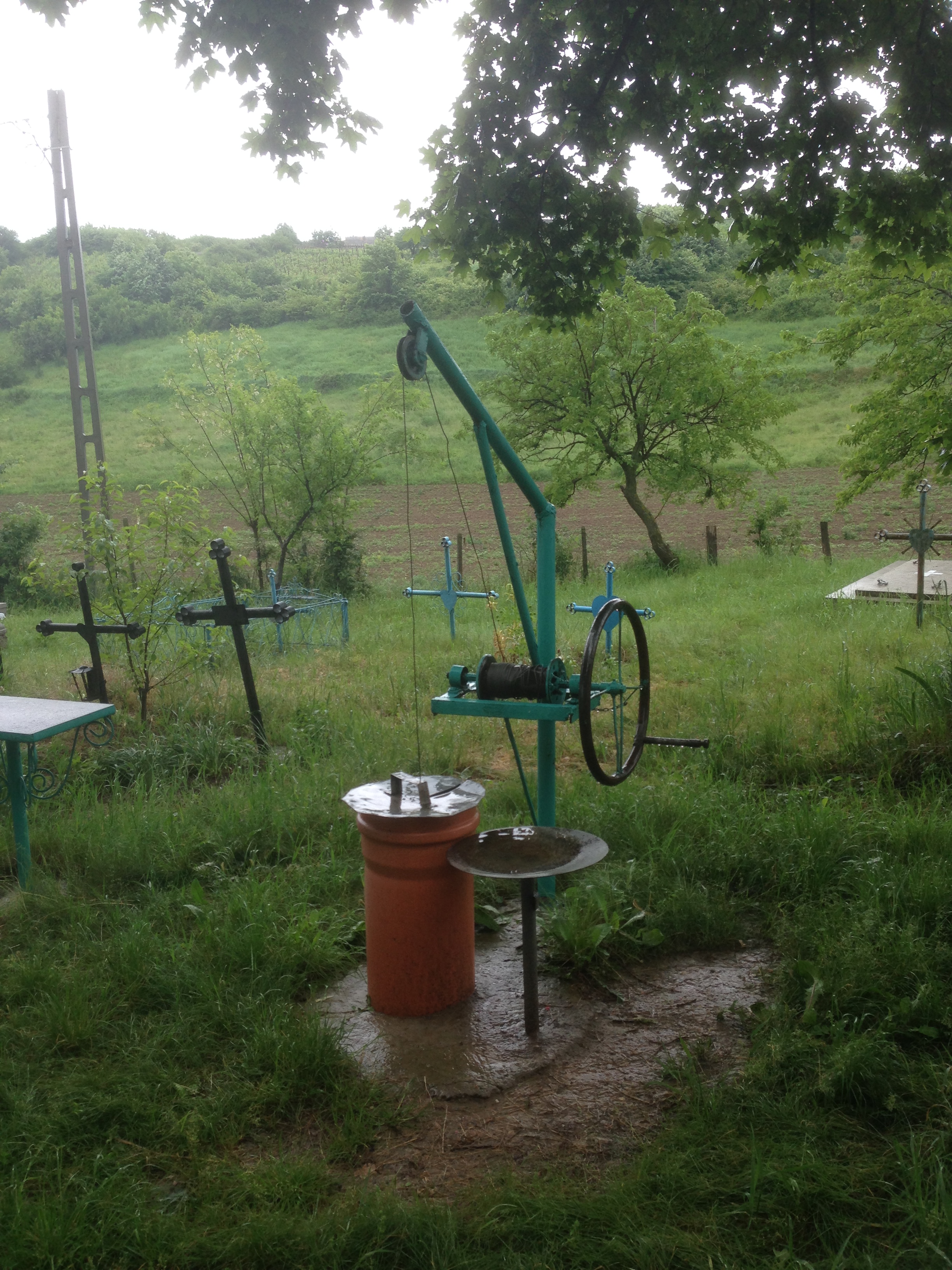
There is no running water, or mains sewage, and therefore you see lots of well’s along the road. In the larger villages the water is extracted from the well and then pumped to nearby houses. This really does make you feel lucky to live in England.
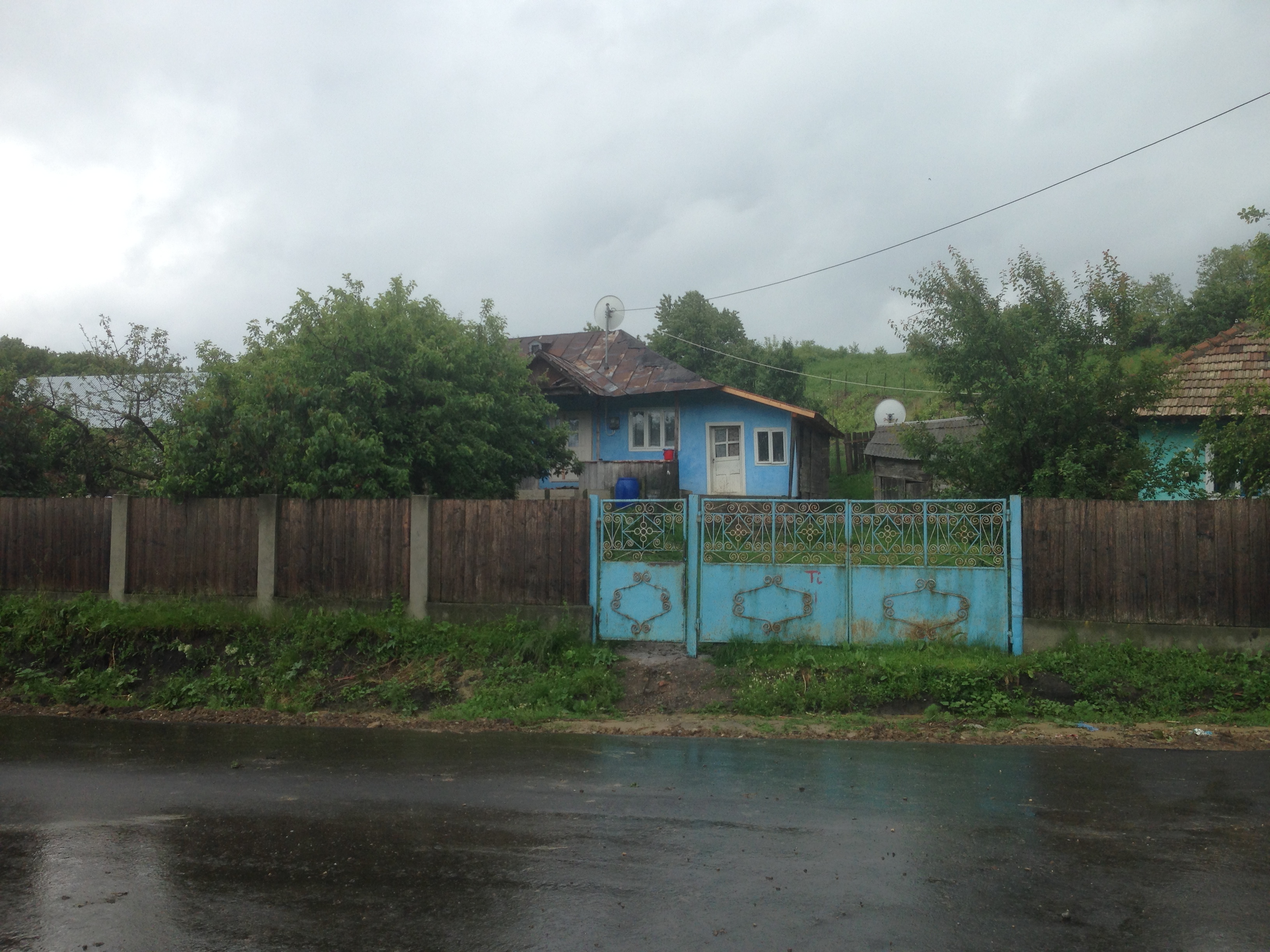
 The picture below is a typical house which we passed along the way, it’s falling down but they have a satellite dish.
Black Pottery Workshop – Marginea
Historians date the beginning of pottery at Marginea in 1500. Pottery appeared due to the necessity of storing food. The pottery had its role in primitive society development because it made possible the storage of food. Imagine your kitchen without these ordinary objects. Due to its geographical position, Marginea commune is surrounded by forestes, its soil is argellaceous and it is crossed by the Sucevita river. All these features are fundamental for the craft born from the magical triangel of clay, water and fire. Before the communist oppression in Marginea there were at least 60 families of potters as declared an old potter who reached Munich to present his craft.
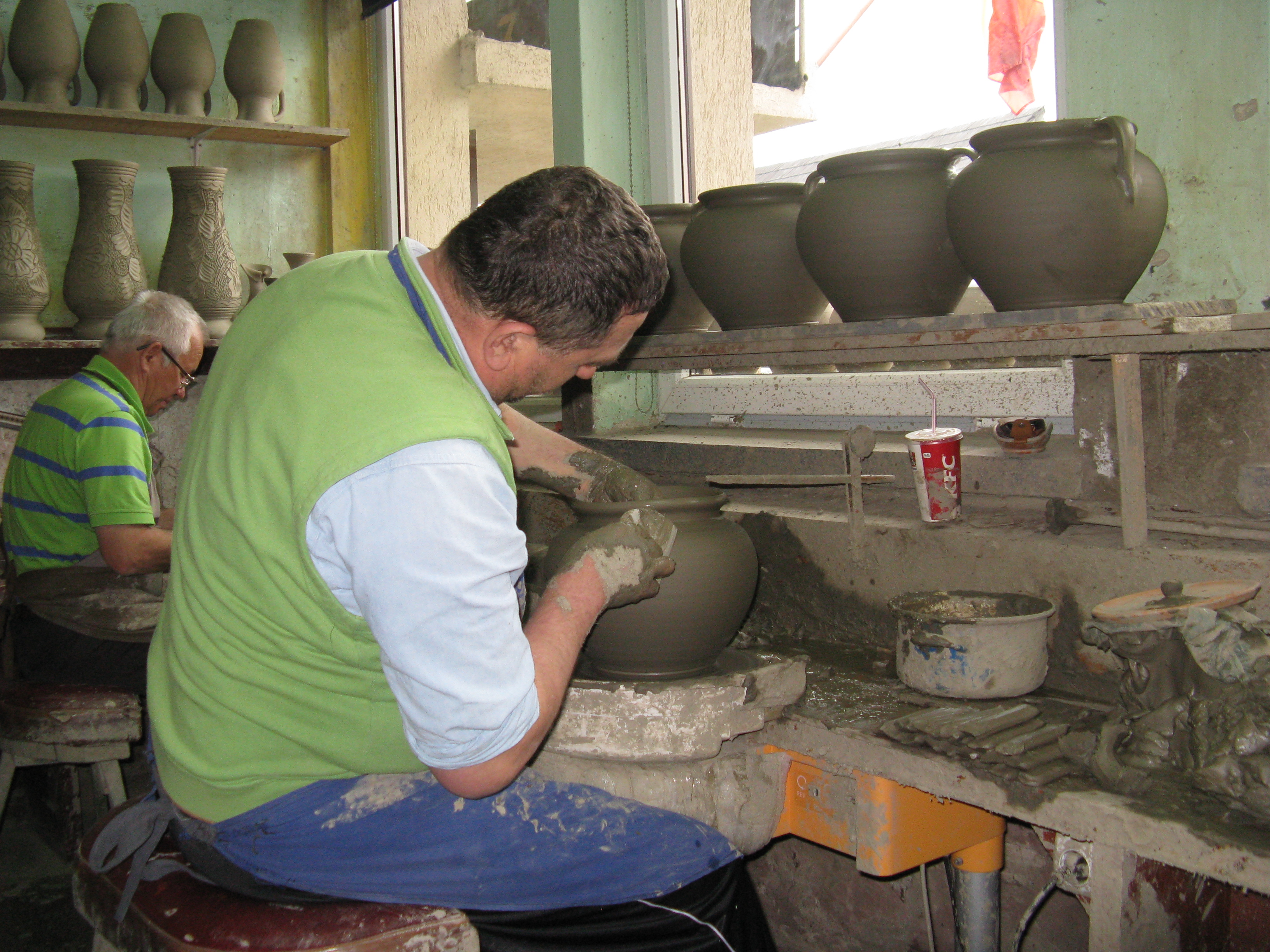
During communism, having a pottery wheel was considered to be a felony and many potters had to hide to practice the craft. Later on, many communists tried to take advantage of this craft in order to make it popular and corporatist. The great error was that they had implemented the electric wheel to this exclusively manual craft. The workshop still preserves tradition and all the steps of manual production.
The pot that was being made took less than 1 minute to go from a lump clay to the pot below.
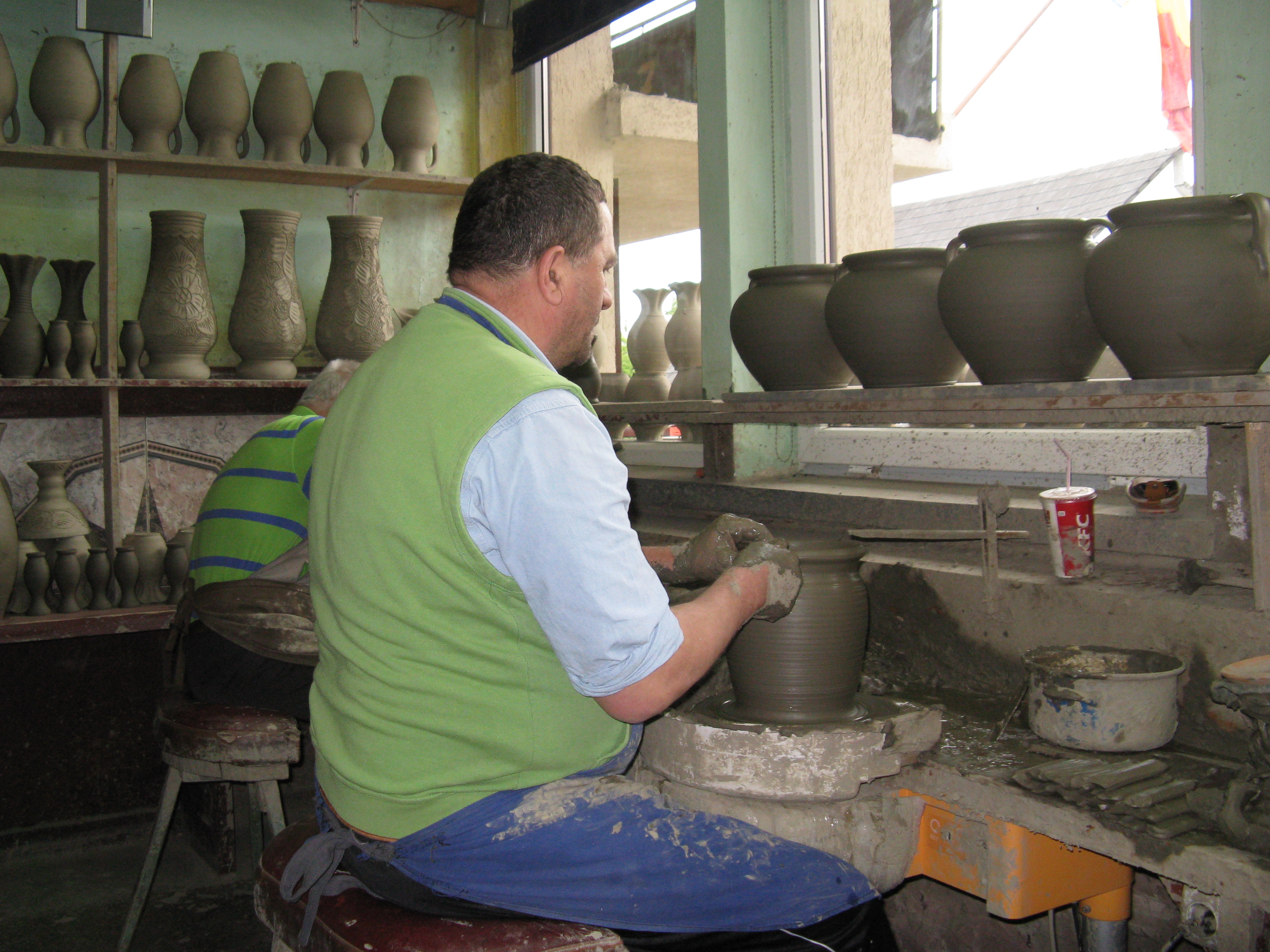 This was then moulded to the pot that can be seen below. The finished pot took less than 2 minutes to be completed.
After it is moulded, the vessel follows the same thousand year-old track, burned in pits of 1.5 m shaped like an upside down cone. Nearby another smaller pit was dug which had a tunnel to the first pit where the fire was lit. The fire made the vessels turn red. They were covered by a thick and hummed bed of clay, covering the tunnel between the two pits. Even if without oxygen the process continued and the vessels turned grey or black..
There was no firing’s of pots on the day we were there because it was raining.
The Painted Monasteries of Bucovina
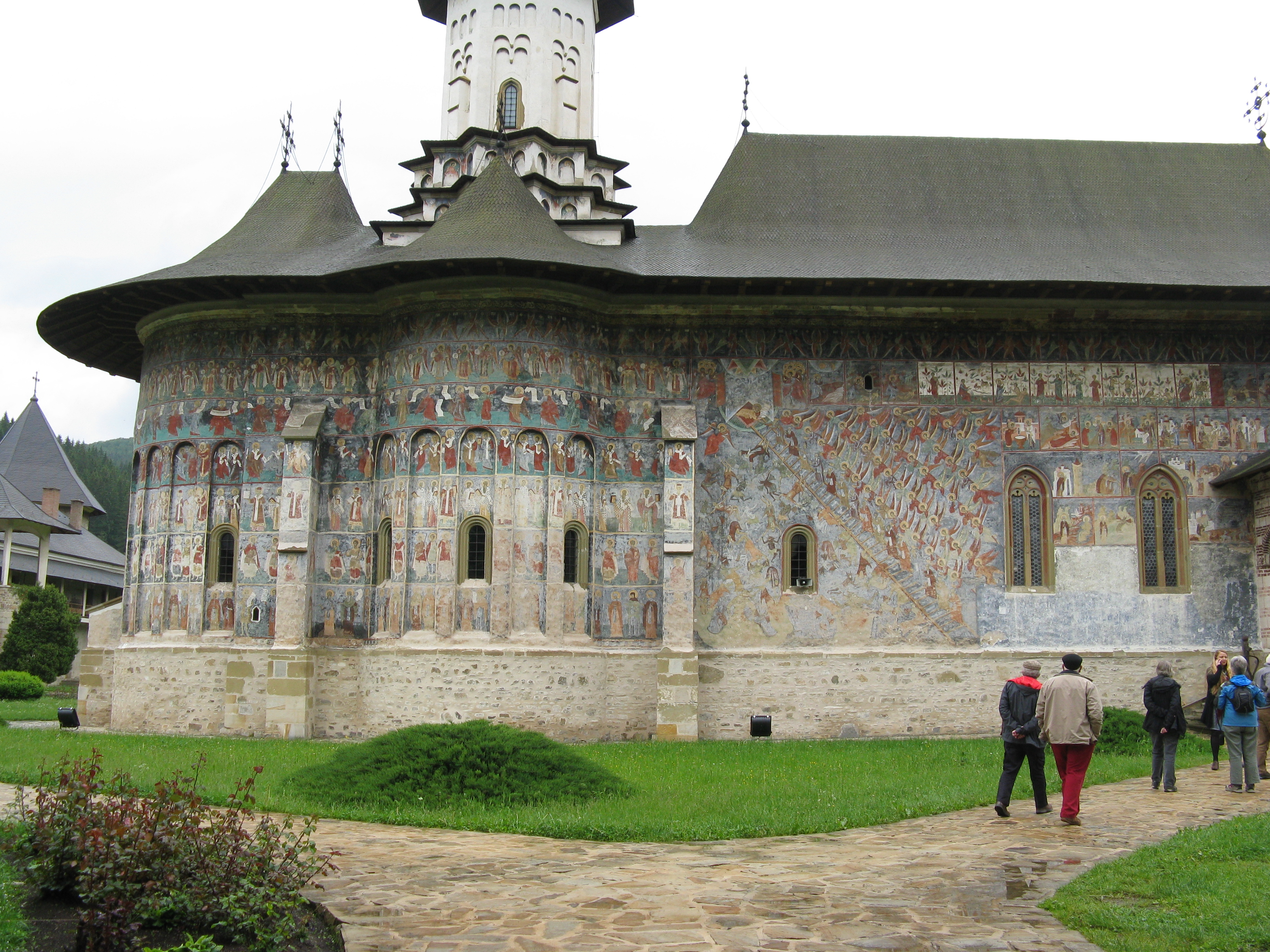
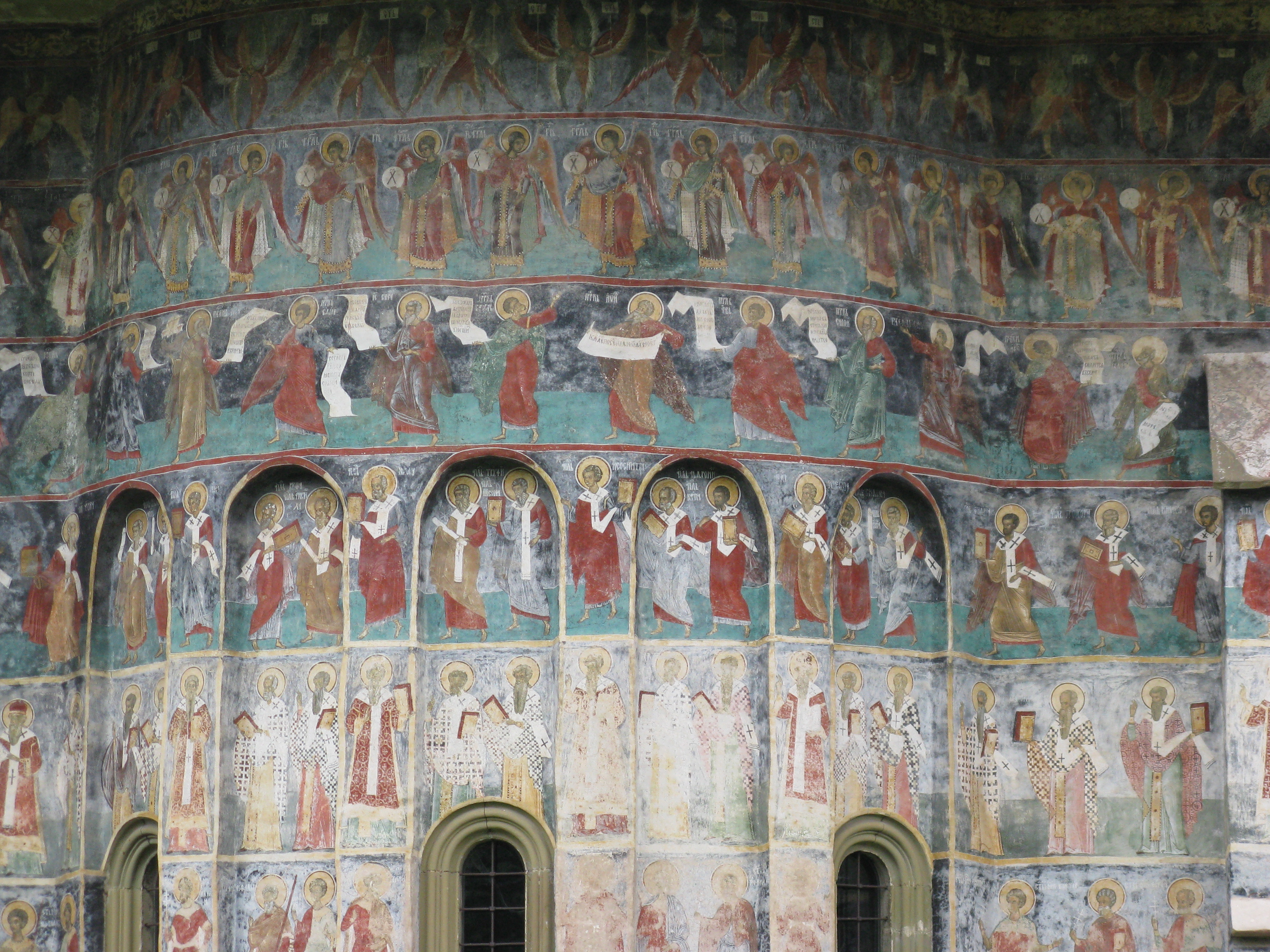
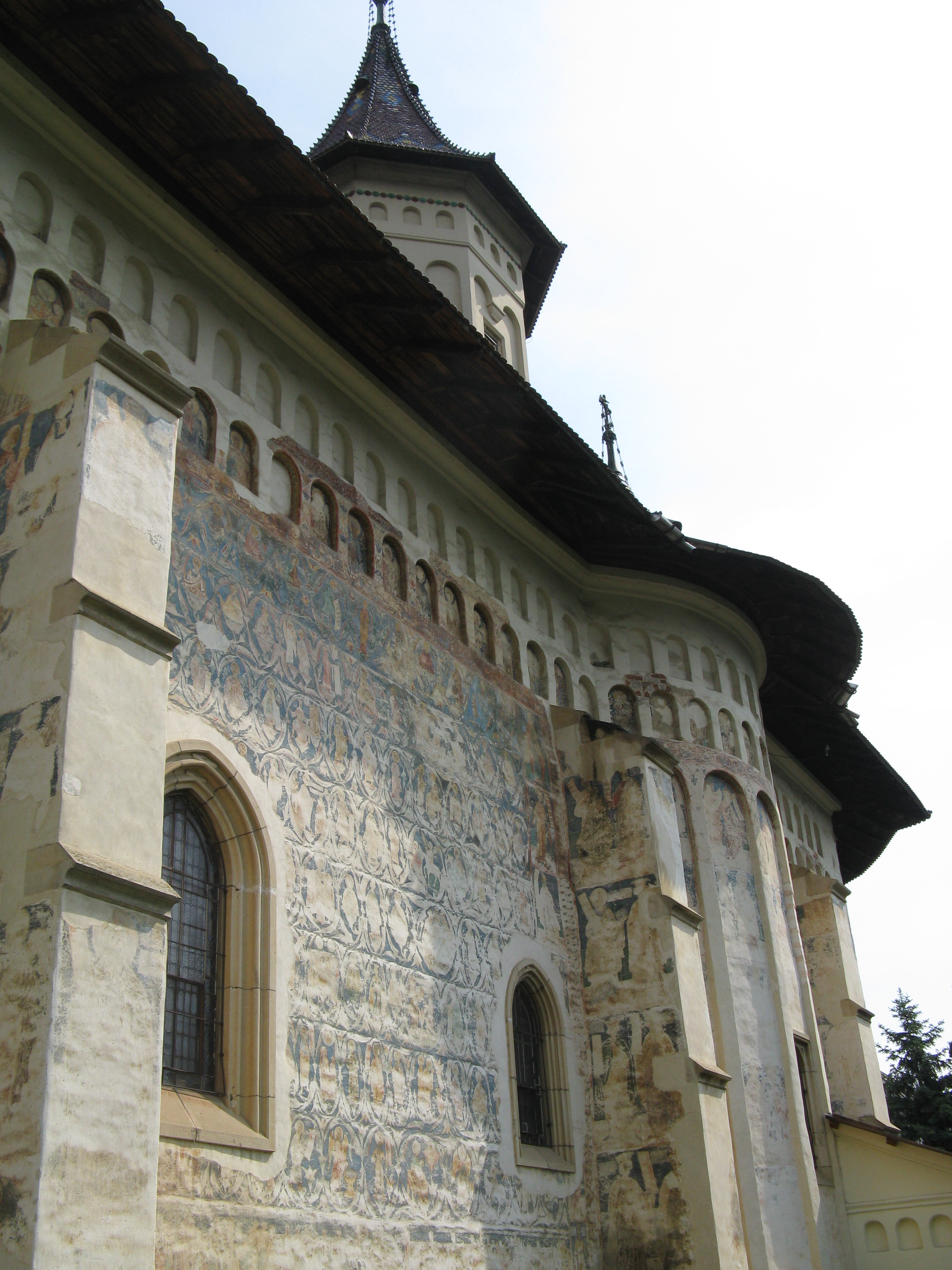
Their painted exterior walls are decorated with elaborate 15th and 16th century frescoes featuring portraits of saints and prophets, scenes from the life of Jesus, images of angels and demons, and heaven and hell.
Deemed masterpieces of Byzantine art, these churches are one-of-a-kind architectural sites in Europe. Far from being merely wall decorations, the murals represent complete cycles of religious murals. The purpose of the frescoes was to make the story of the Bible and the lives of the most important Orthodox saints known to villagers by the use of images. Their outstanding composition, elegant outline and harmonious colors blend perfectly with the surrounding landscape.
In Romania and Moldova the Monastery’s can contain Monk’s or Nun’s but not both. They do not have a word for convent. When we visited we witnessed a nun beating a long beam with a mallet, tapping out a call to prayer. The tradition started during the siege of Moldova by the Ottoman Empire when the Turks forbade the ringing of bells. The striking of wooden or metal bars, known as “toaca”, replaced the ringing of bells and thus, became a tradition, reinforced by the fact that in times of war, bells were often melted down to make cannons.
The best-preserved are the monasteries in Humor, Moldovita, Patrauti, Probota, Suceava, Sucevita, and Voronet. Another, a small church, is located in the village of Arbore. Seven of the churches were placed on UNESCO’s World Heritage list in 1993. The eighth, Sucevita, is awaiting sanction to be added on the list.
Sucevita Monastery
Moldovita Monastery 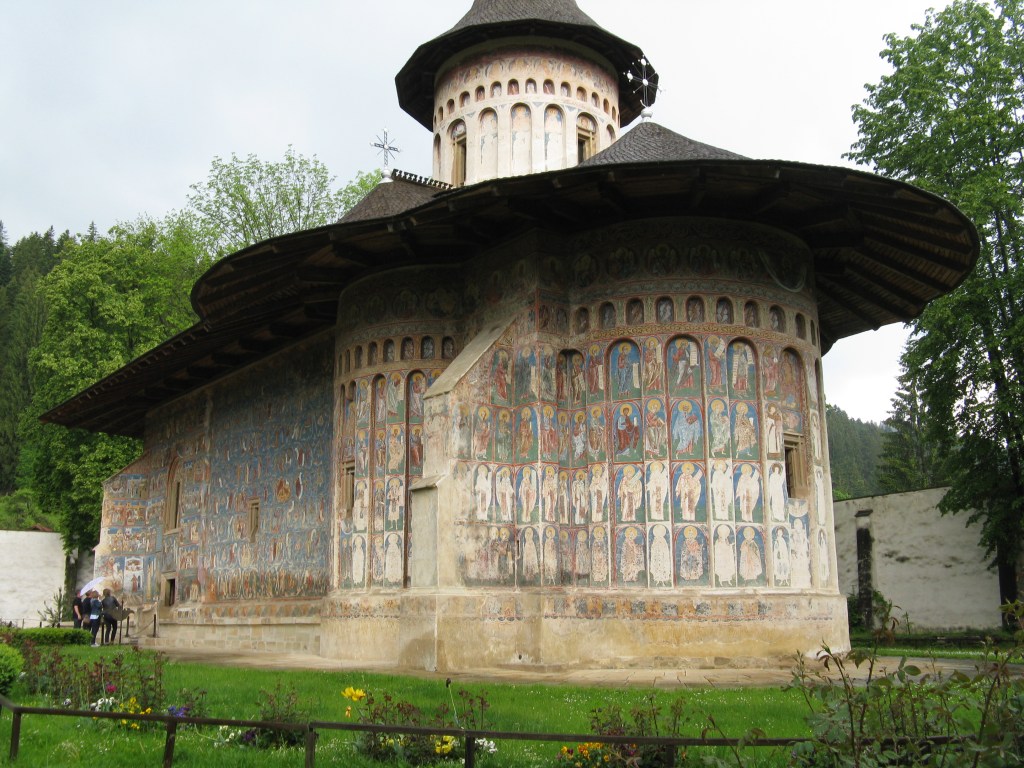

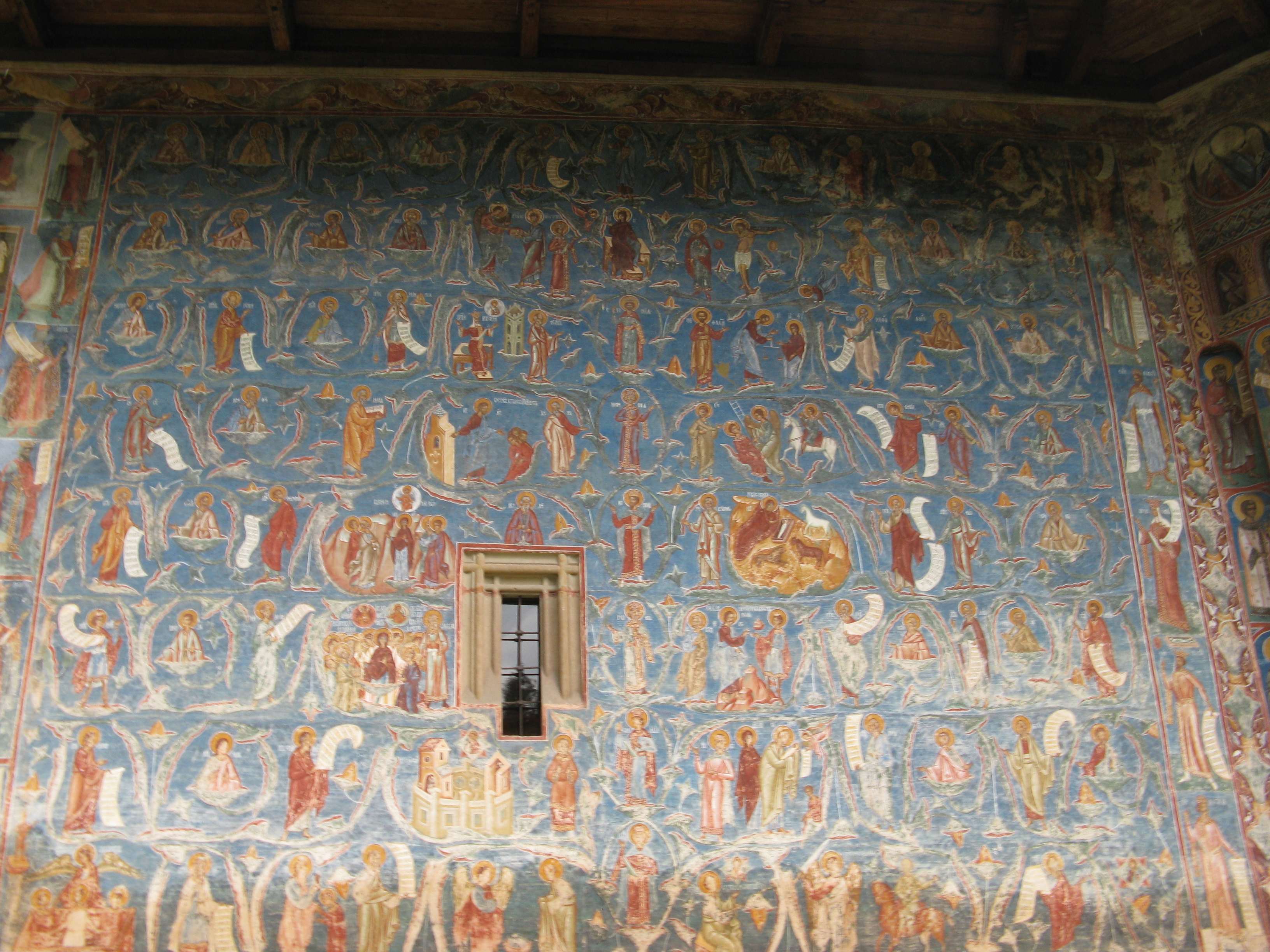
Voronet Monastery
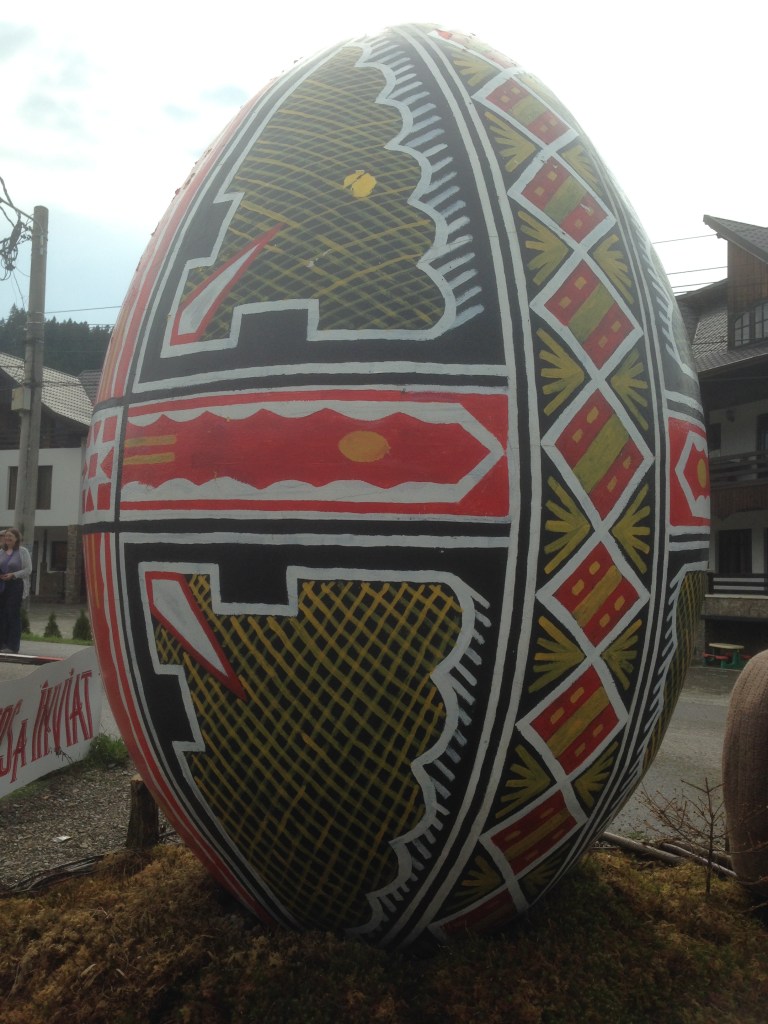
Painted Egg near Moldovita Monastery
A large painted egg is displayed just down the road from the Moldovita Monastery but there is no sign why it was ever put there.
Agapia Monastery
The Agapia Monastery was built between 1641 and 1643 by Romanian hetman Gavriil Coci, brother of Vasile Lupu. The church, restored and modified several times during the centuries was painted by Nicolae Grigorescu, between 1858 and 1861. It is one of the largest nunneries in Romania, having over 500 nuns.
We had lunch here and because it is Friday the Nun’s fast. This doesn’t mean they can’t eat or drink it means that they can’t have any animal products. Our lunch was completely Vegan with Beetroot soup to start, plus fresh home-made bread. This was followed by roast potatoes, falafel and sauerkraut. The final course was these tiny pastries which were all washed down with home-made wine. The coffee was strong and black, but the tea was made from herbs and leaves – Heather really enjoyed it.
At lunch a Nun stayed and talked, it was interesting to realise that they have their own website, go on the internet and are aware of what is going on in the outside world.
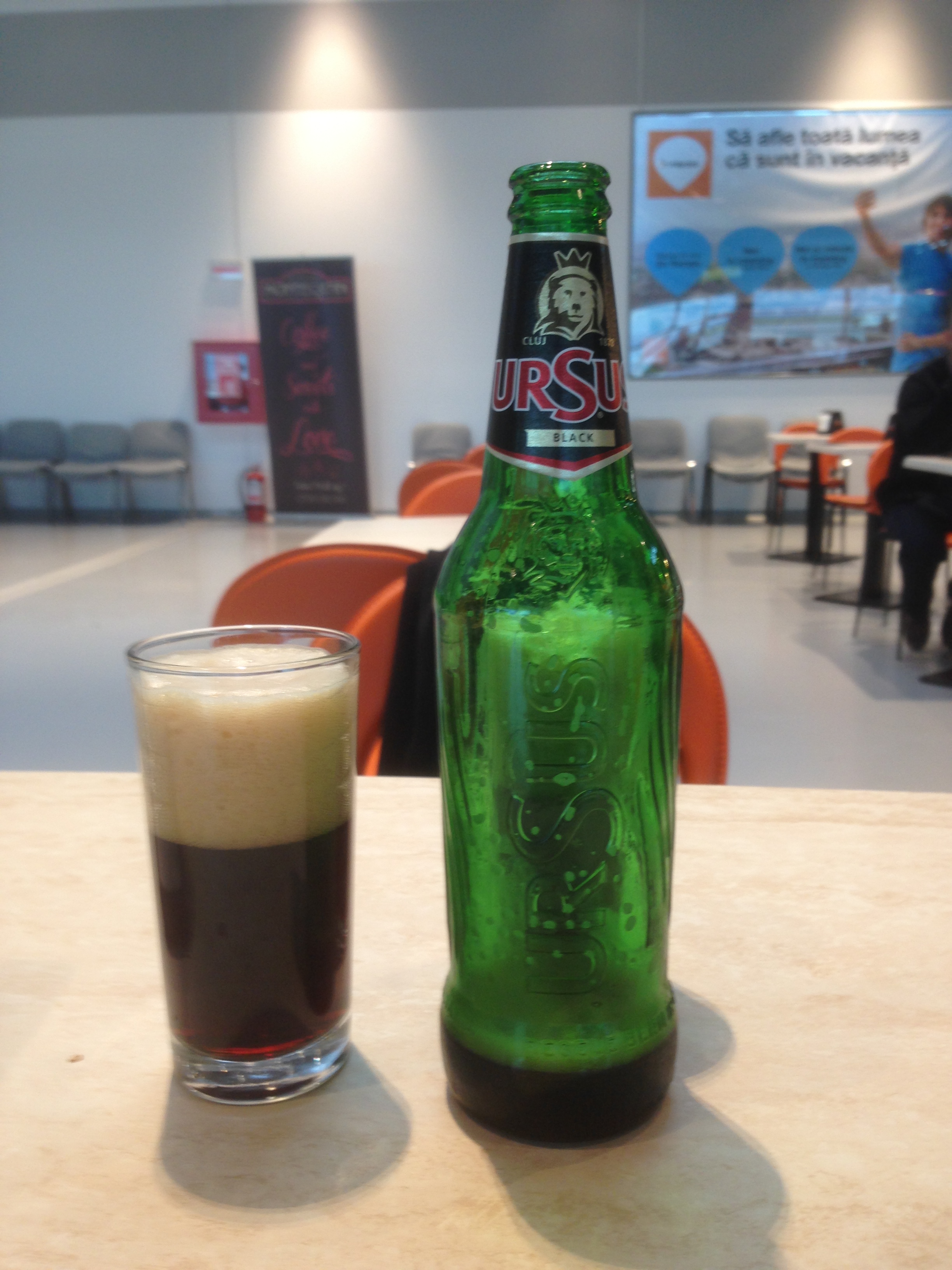
Iasi Airport – Final Beer
This is the final drink in Romania before heading back home.
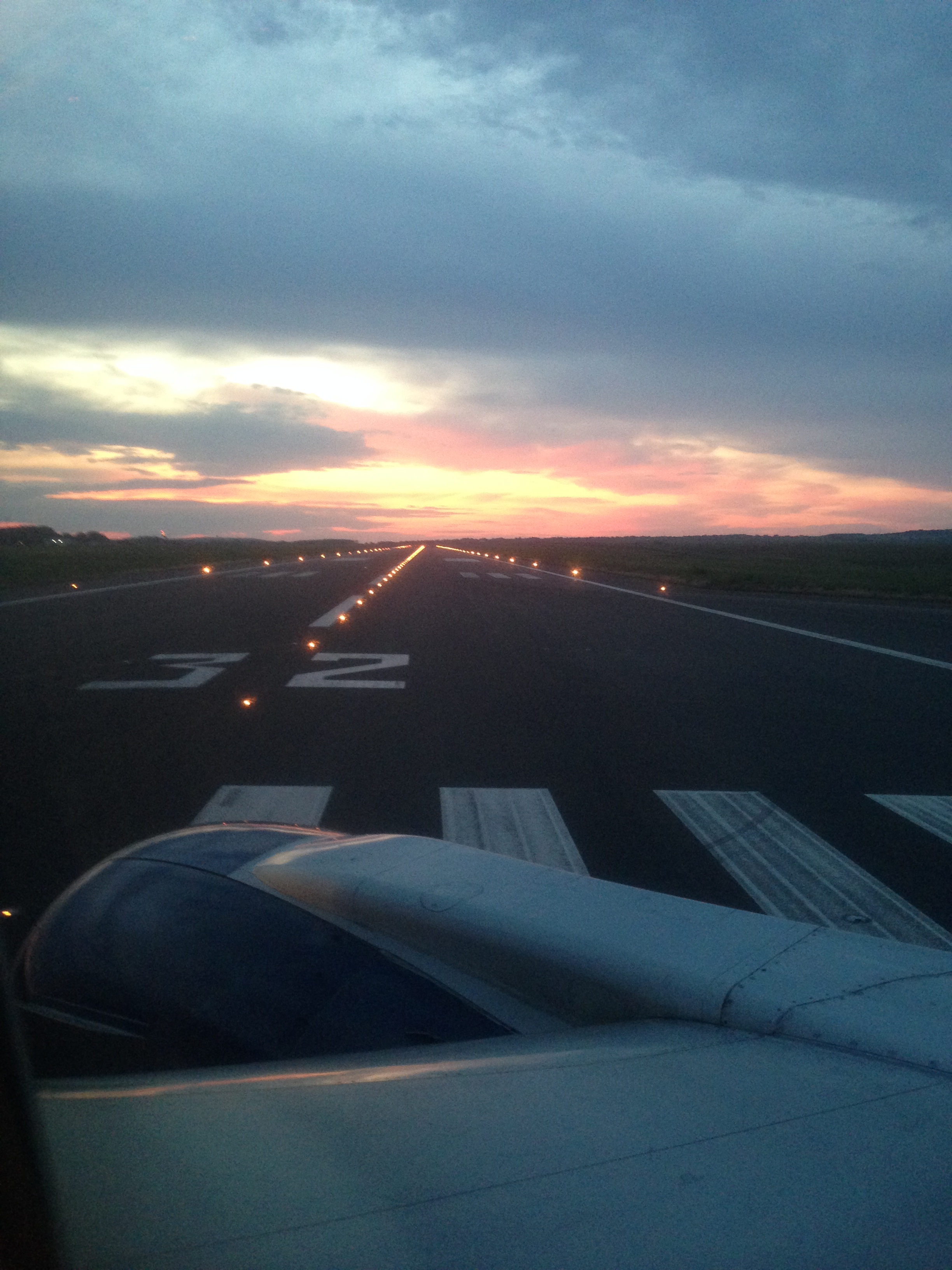
Sunset at Iasi on air plane on the way home
This has been one of the most interesting places we have ever been to. It’s an experience to see how people live and also gives an insight of how we in England lived in the past without modern machinery.
The people are very kind and friendly.
 Heather and Keith's travels