The first hotel that we stayed in China.
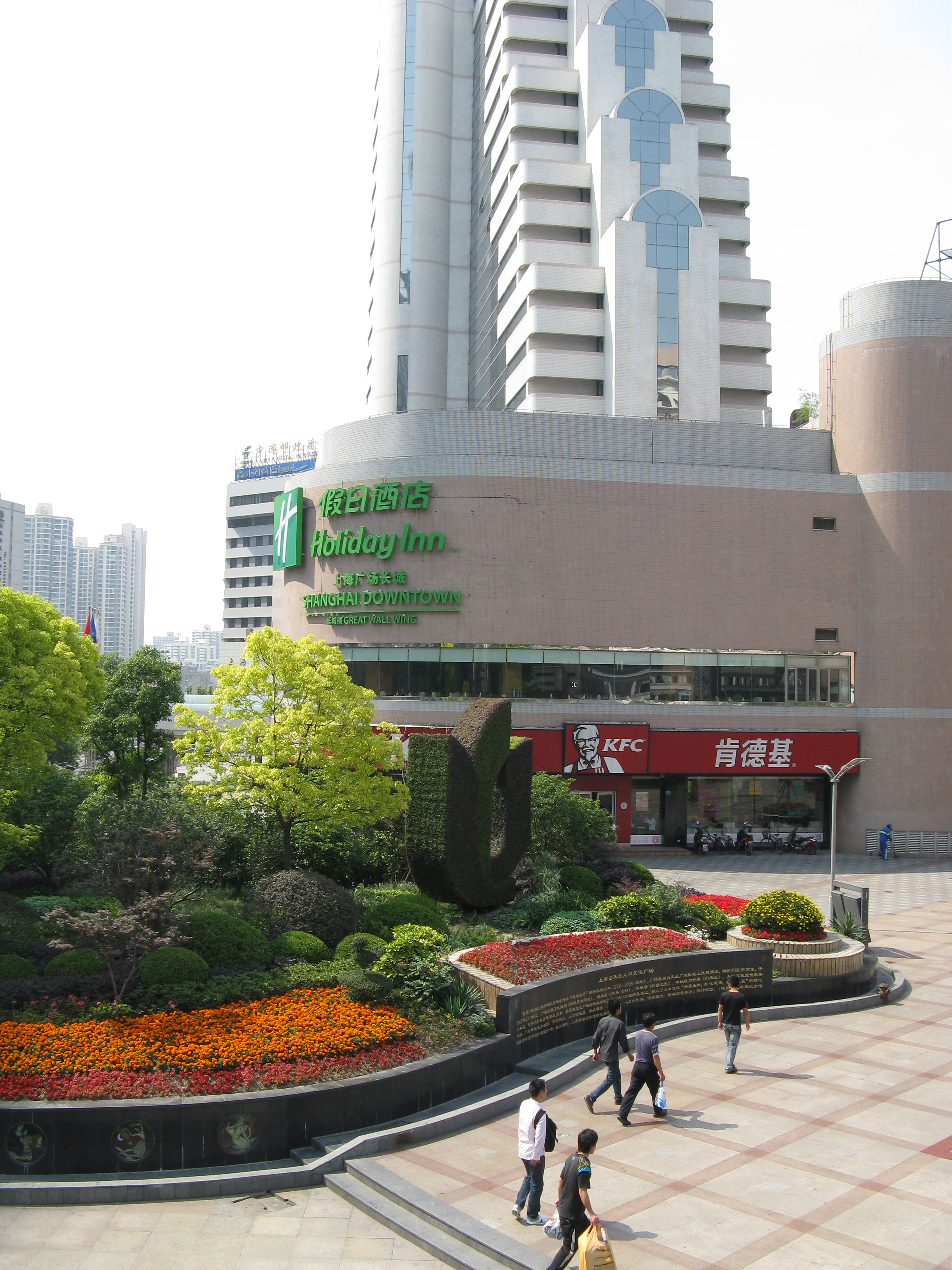
Shanghai is a city with a lot of buildings and small gardens like this one which was outside our hotel.
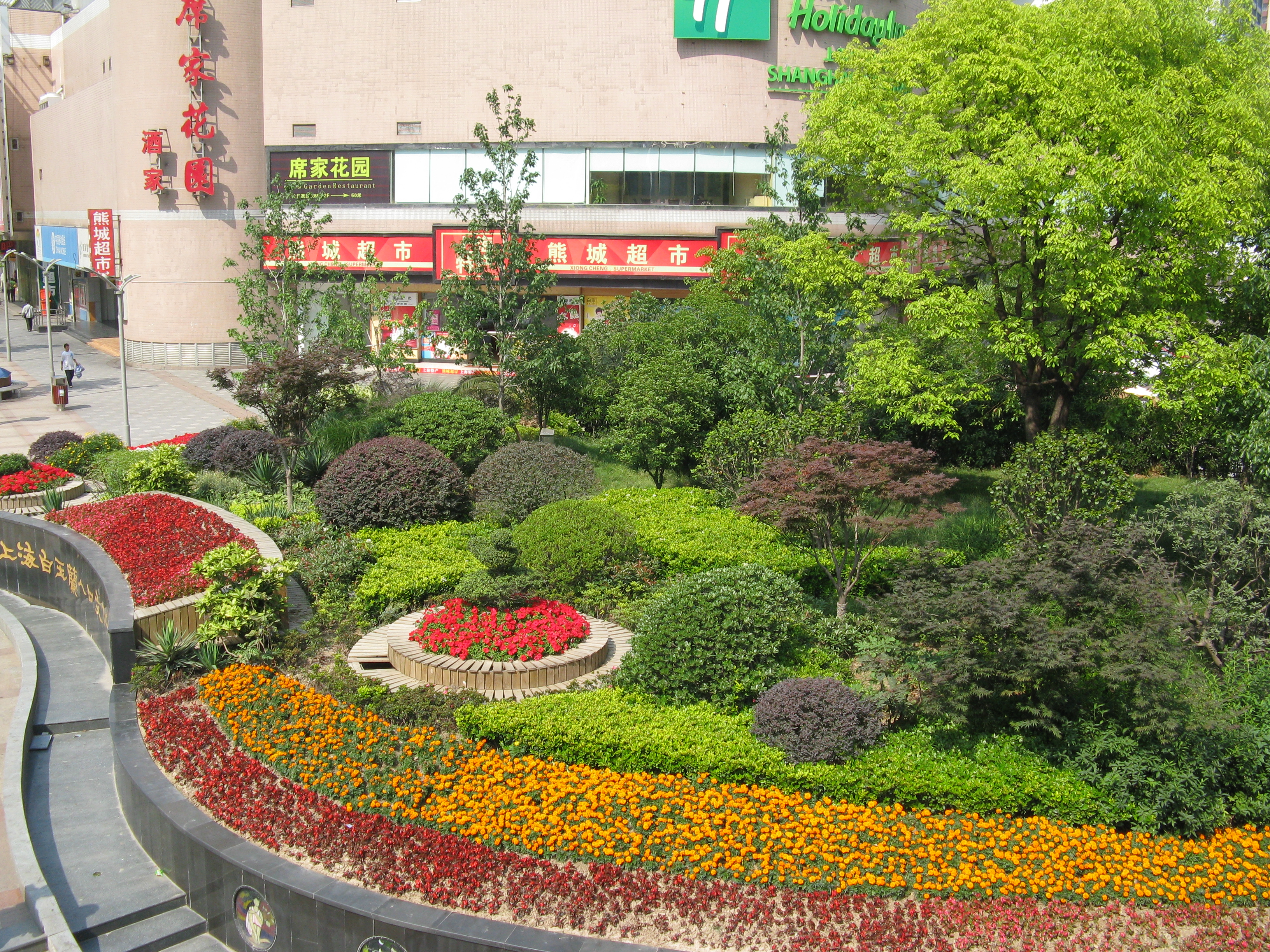
A typical Shanghai road on a quiet day.
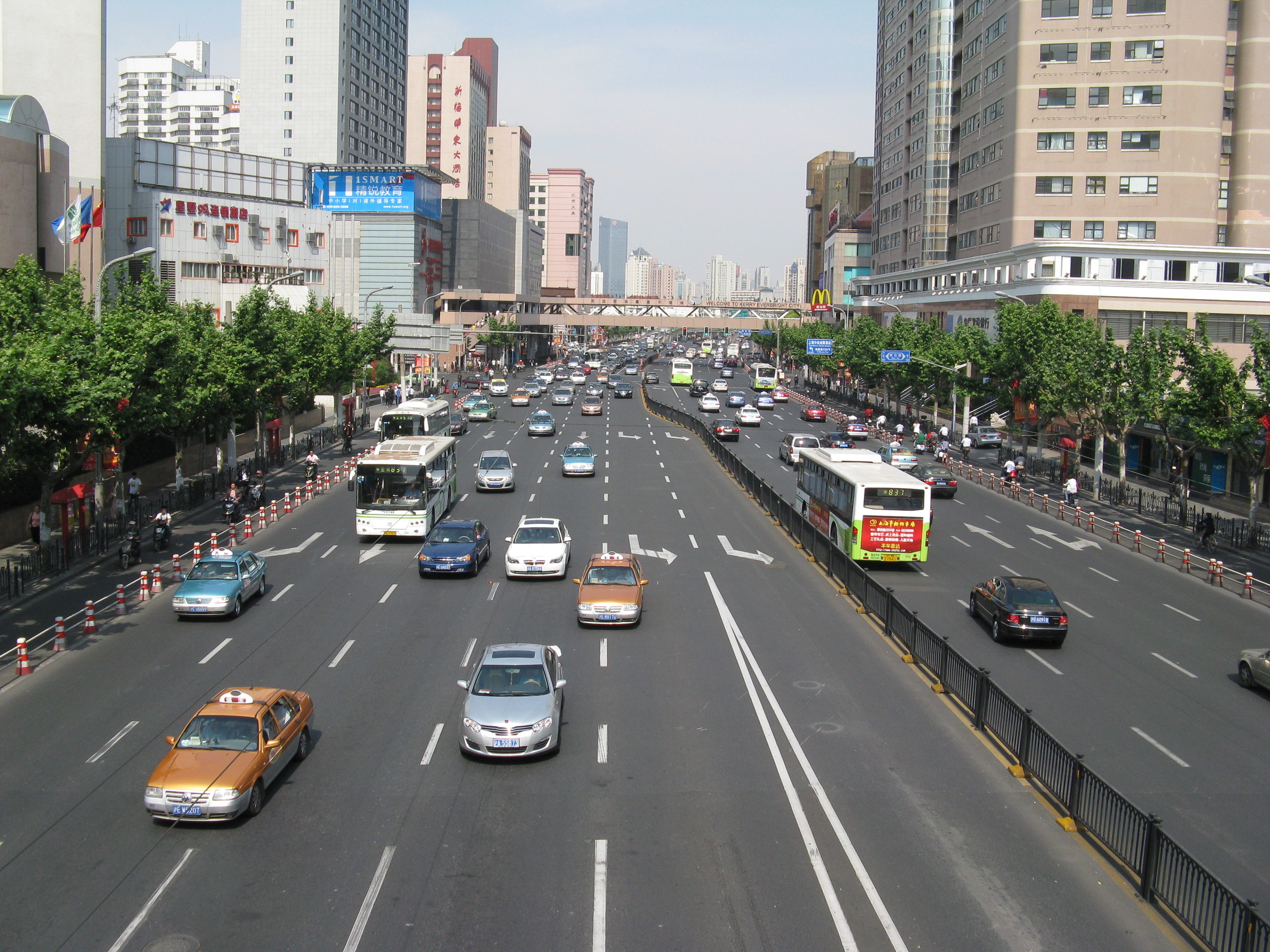
Shanghai Museum
One of the most esteemed and acclaimed museums in China, the Shanghai Museum is a comprehensive collection of the Middle Kingdom’s millennia old history. Sprawled over five floors, one could spend half, if not a full day exploring. The shape of the museum was designed to resemble a Chinese vessel, known as a Ding.
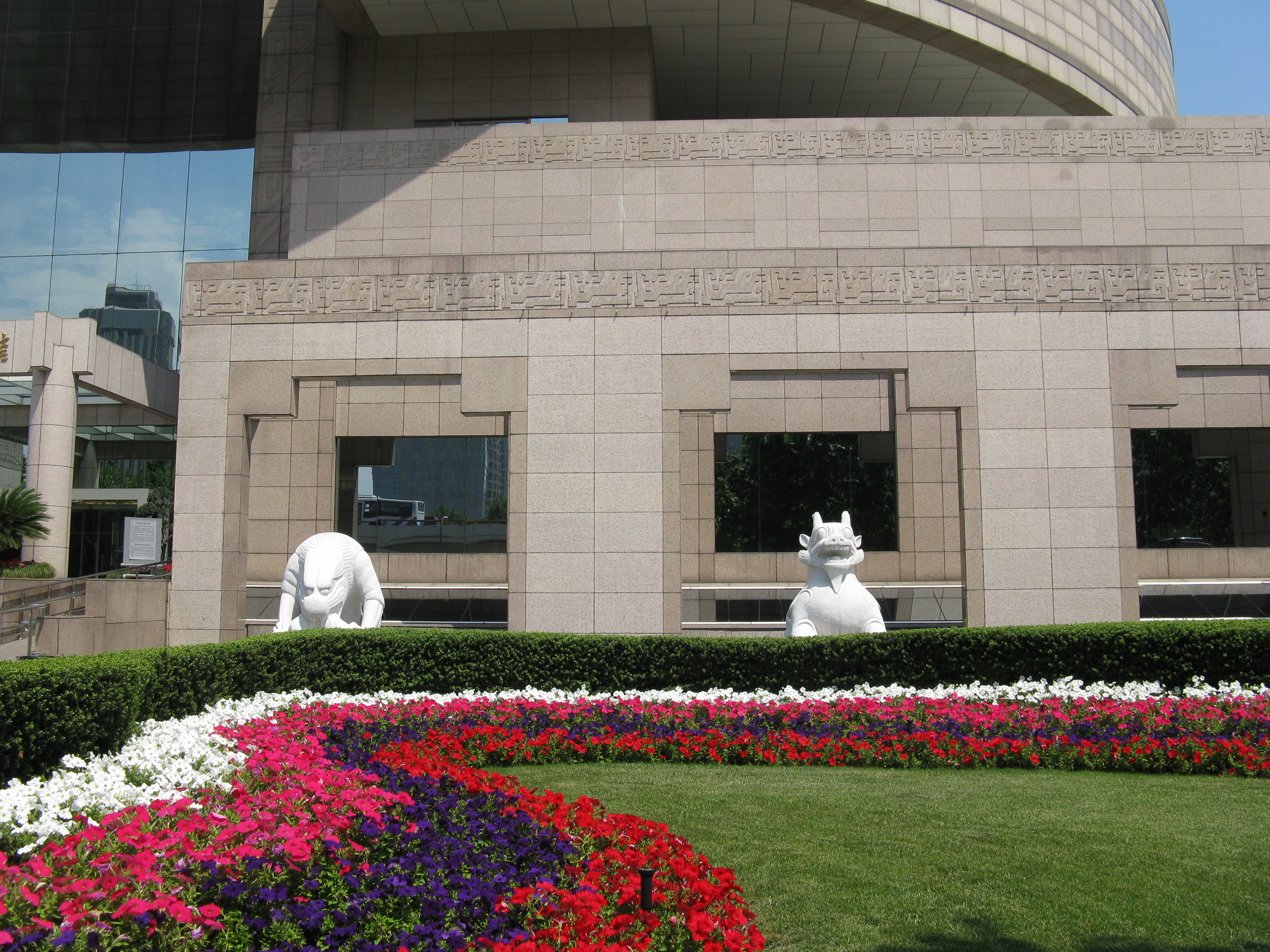
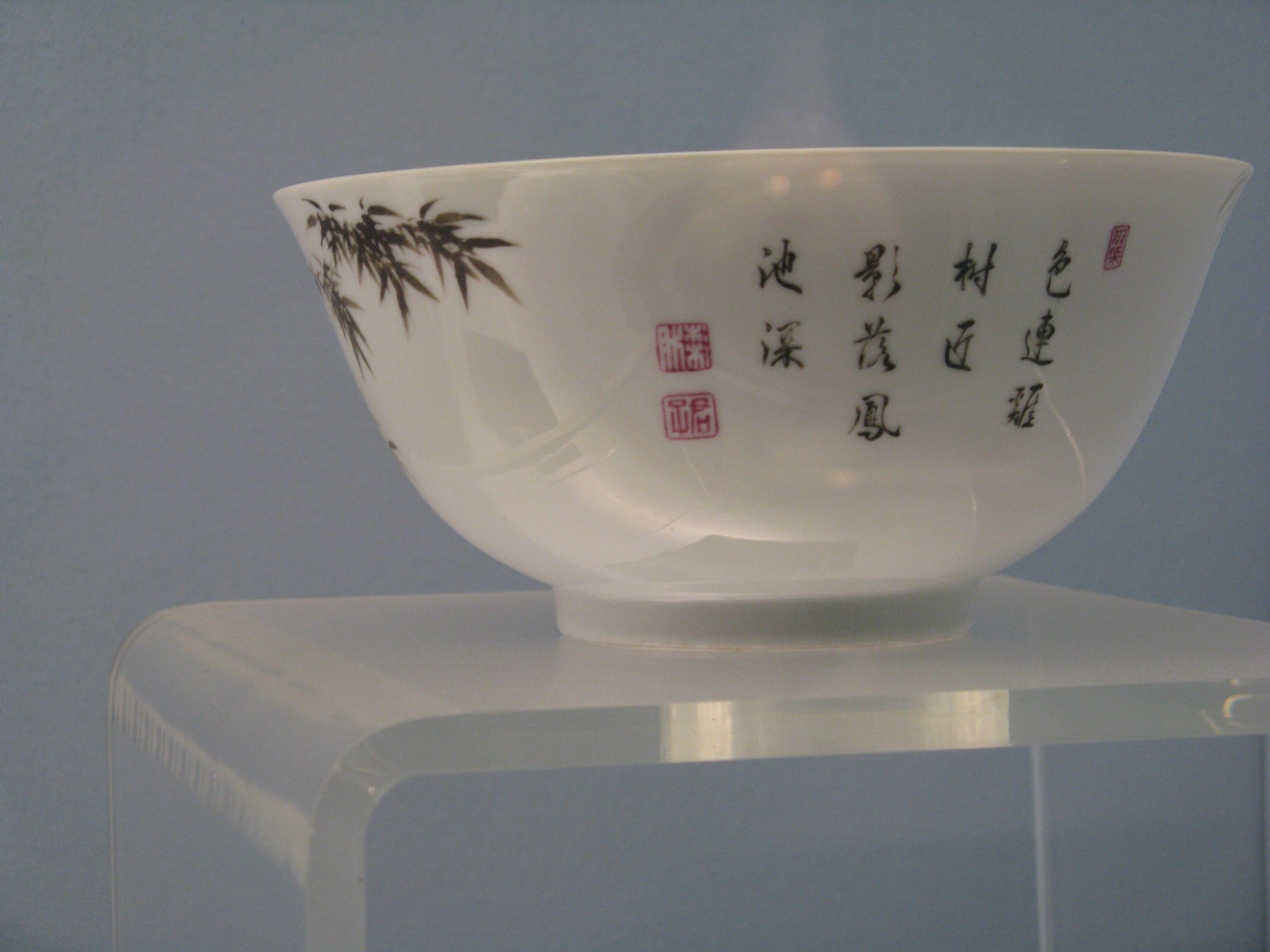
One of the many beautiful Antiquities.
The Bund
Recognised as Shanghai’s former ‘Wall Street’, the Bund is home to an impressive collection of buildings from the early trade houses of the 1850s to the glamorous Art Deco modernism of the 1920s. Originally the home of the foreign population of Shanghai, the Bund’s architecture has inherited much western influence and is a stark contrast to the Pudong skyline, sitting across the Huangpu River.
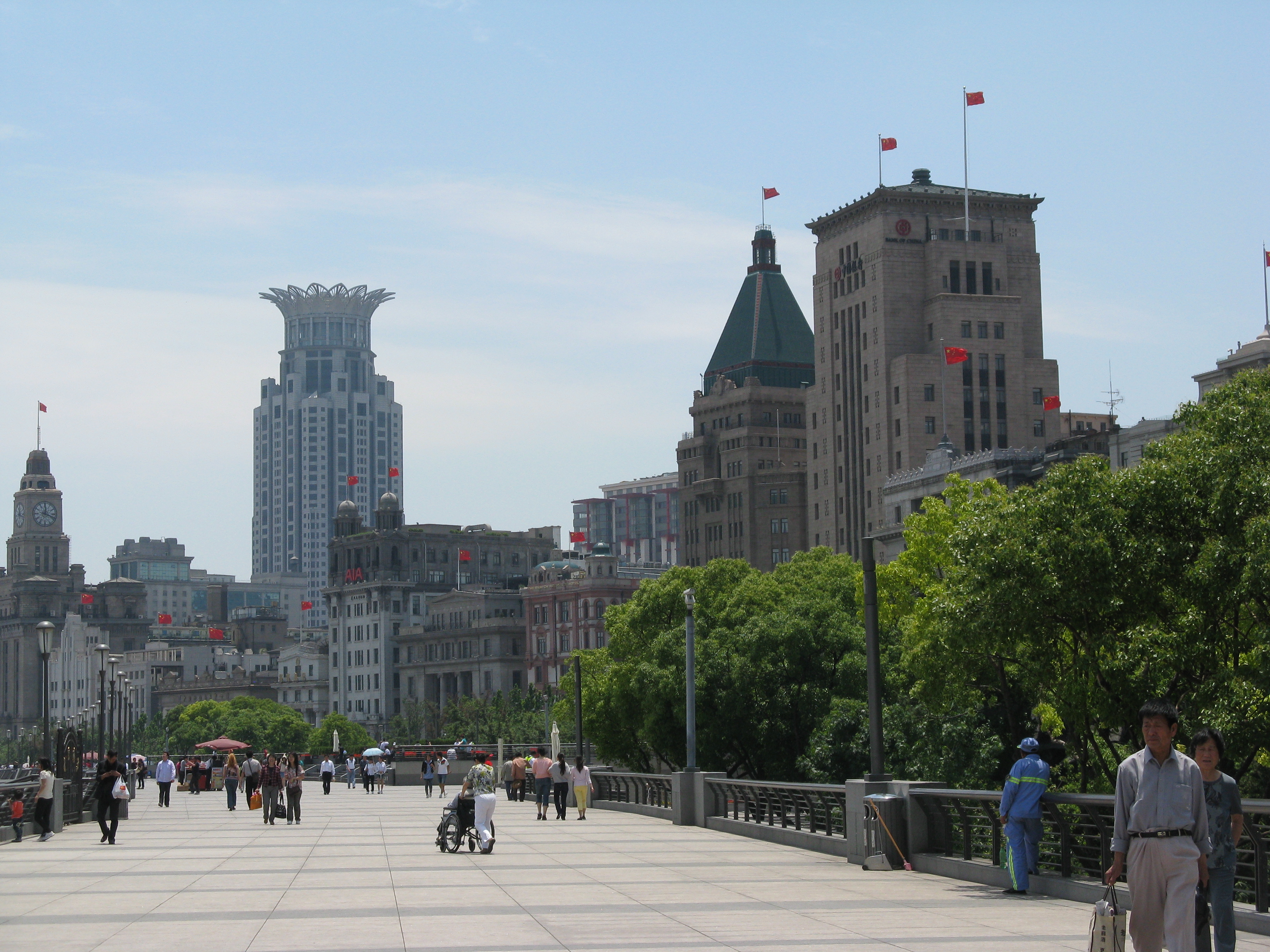
A view from the a bridge looking towards the business district.
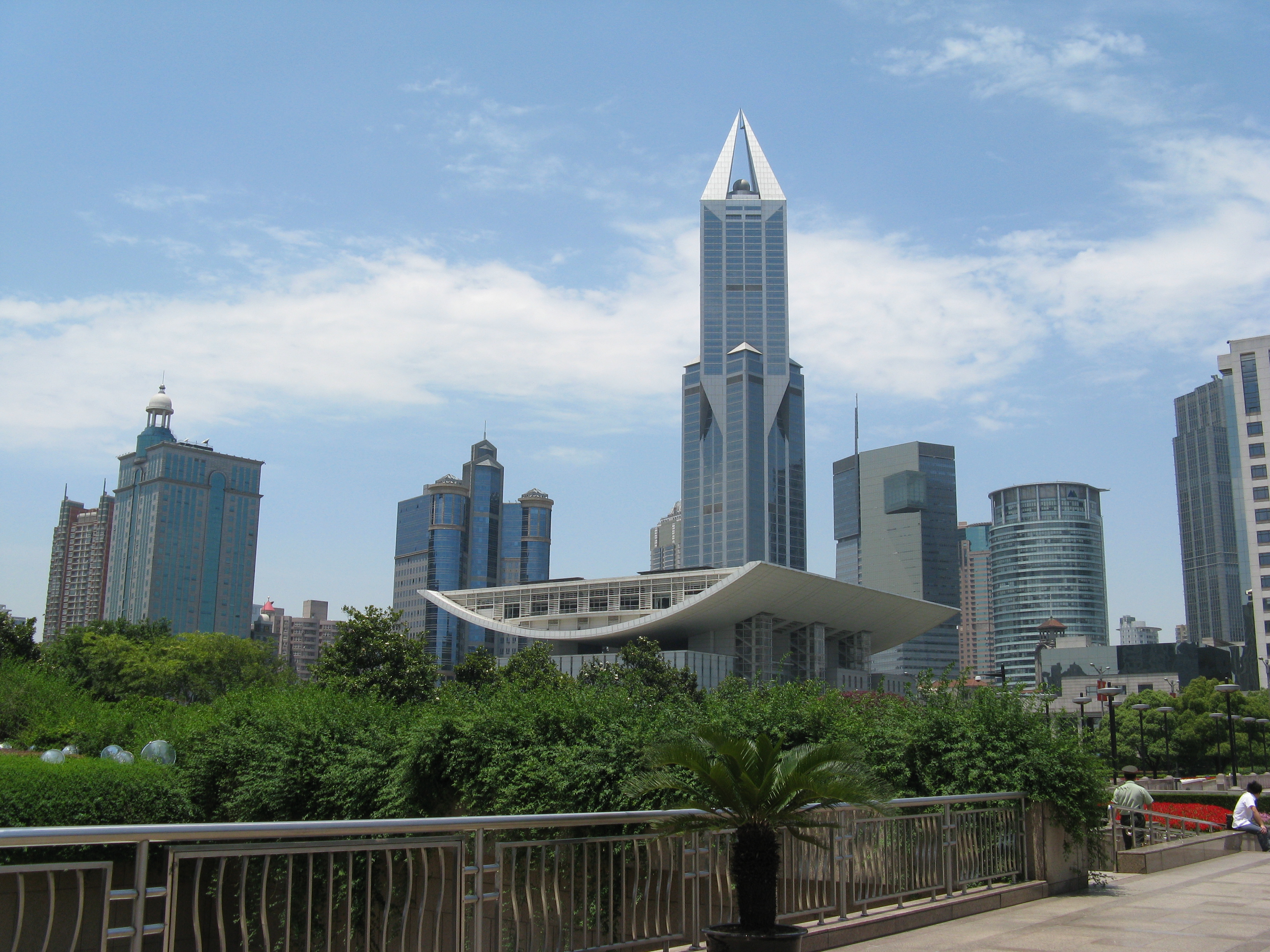
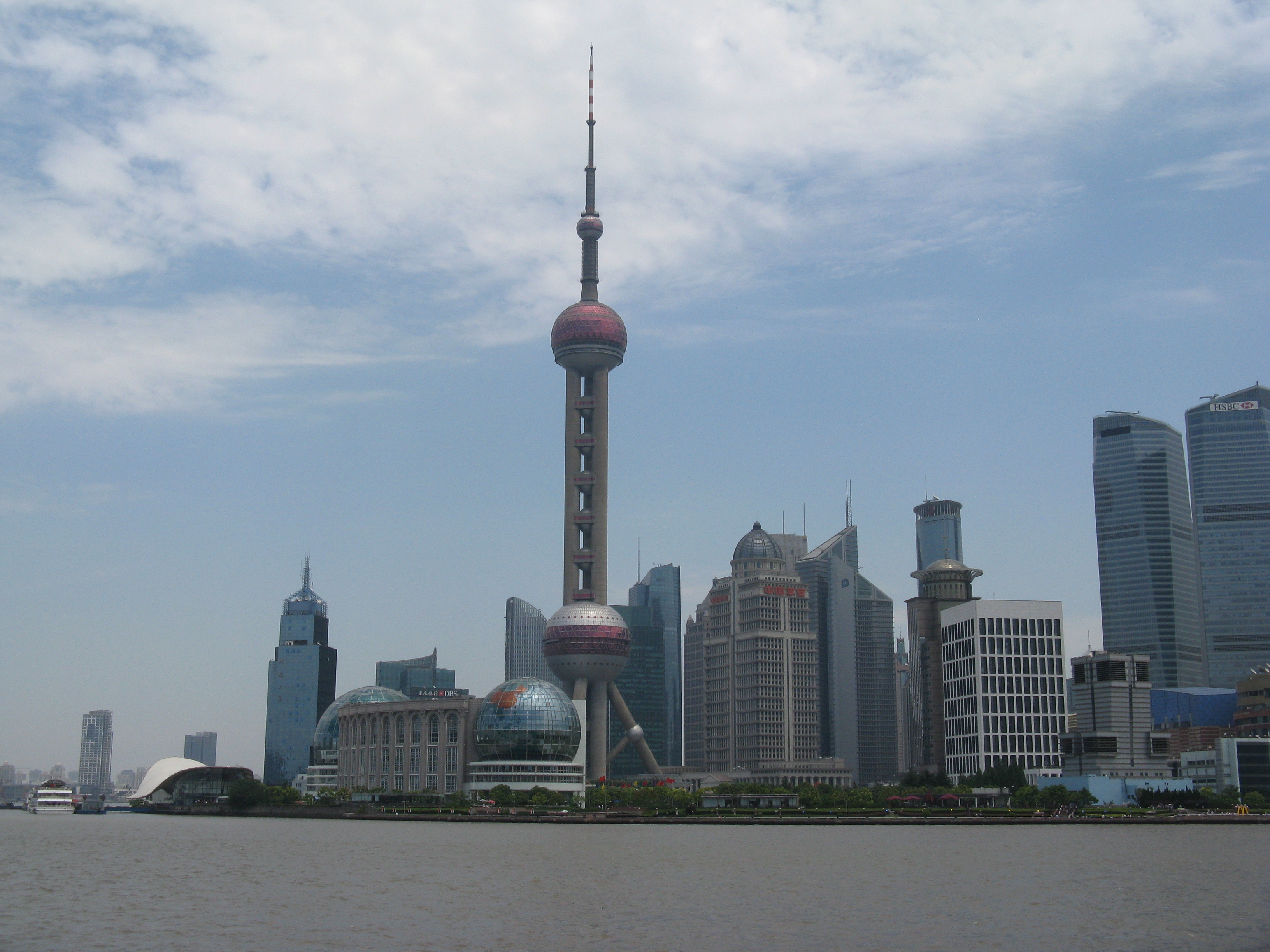
A view from the Bund to the business district in Pudong.
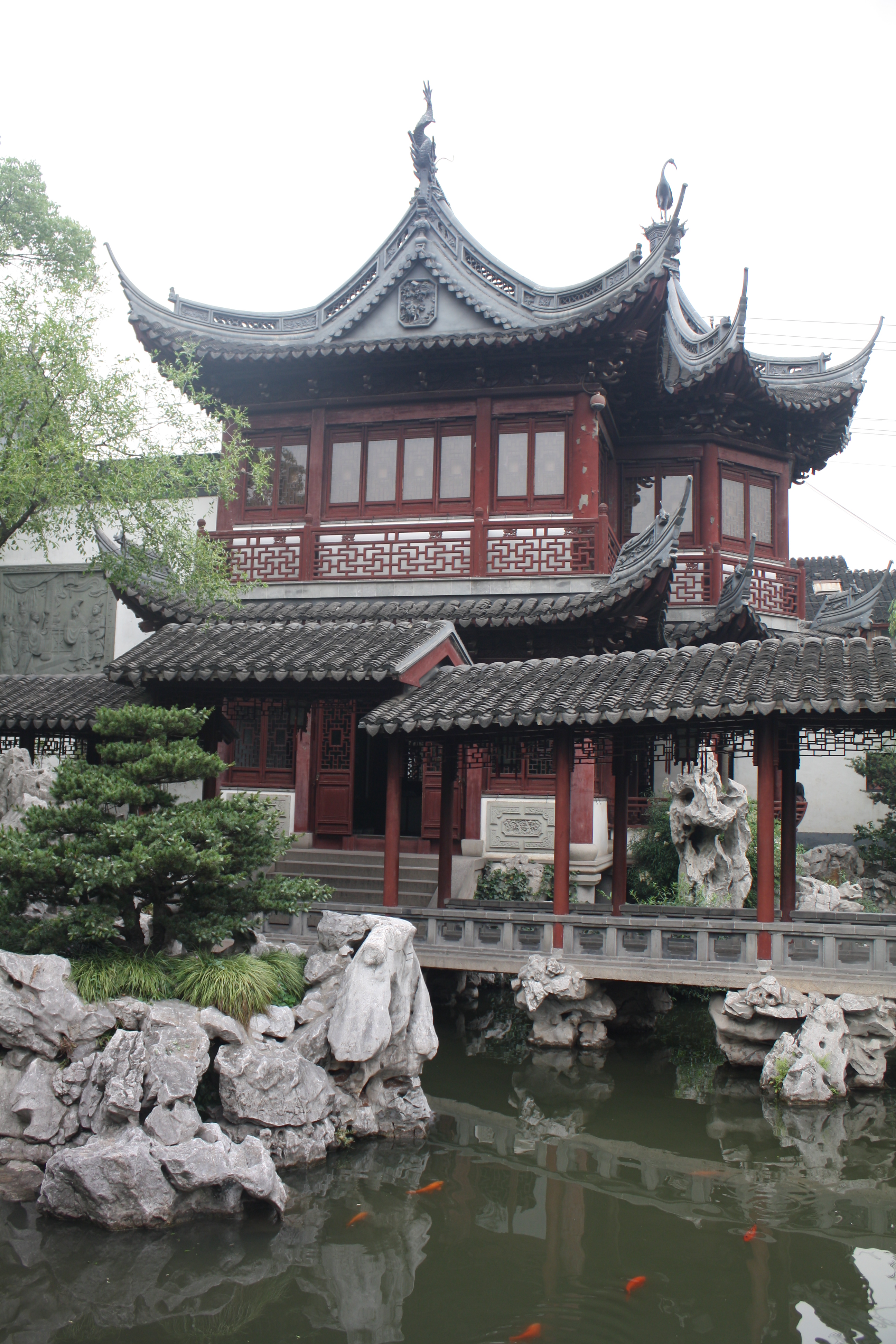
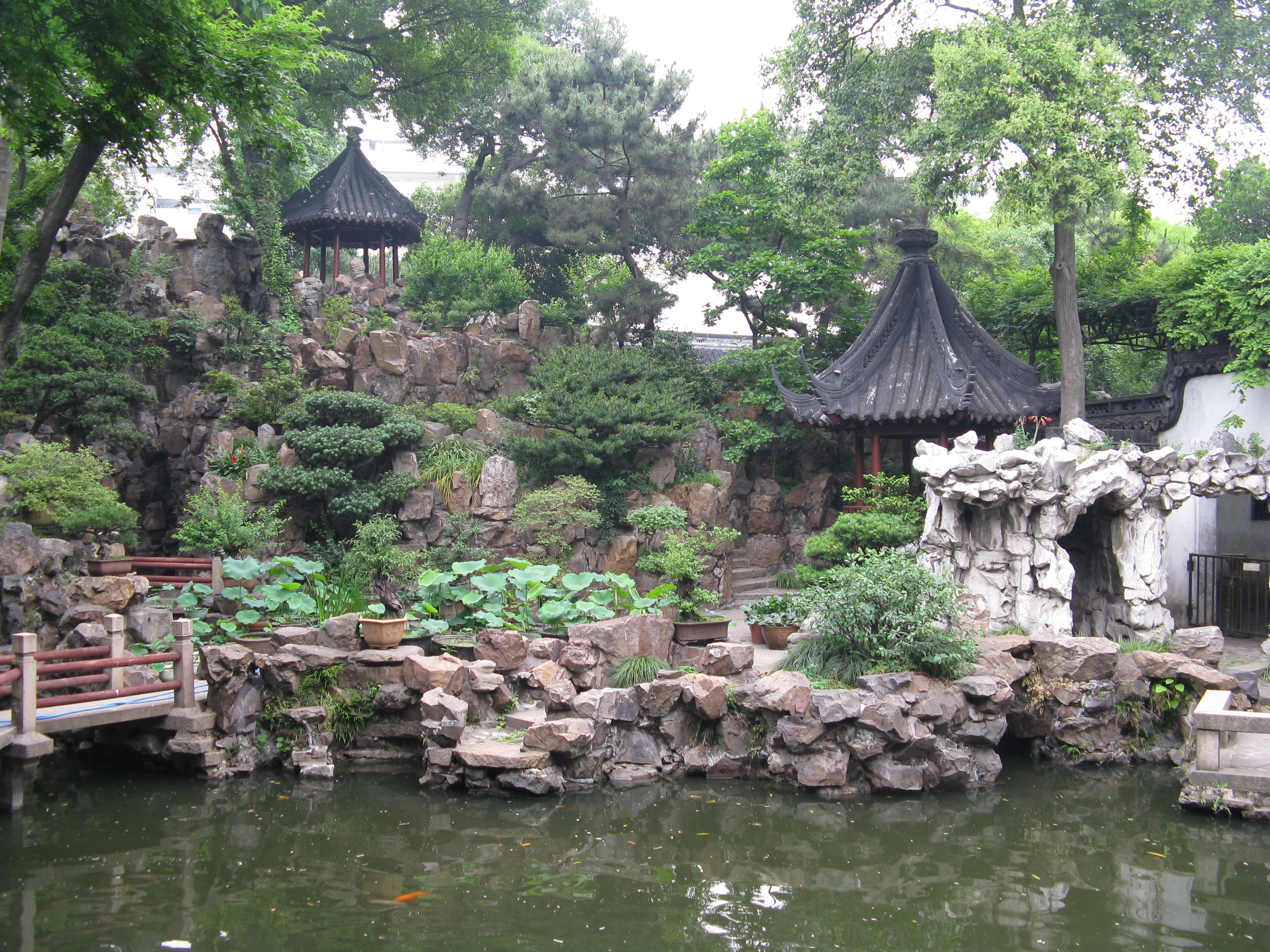
Old Town and Yu Gardens
The old town of Shanghai, where cobbled streets are lined with traditional shops selling herbal medicines, handicrafts, Chinese tea and a variety of tantalising snacks is the original centre of Shanghai and for decades was the seat of Chinese authority in Shanghai. The Yu Gardens is seen as one of the most perfect examples of Chinese garden style. Built by the Ming-era governor, Pan Yunduan, as a retirement gift for his father, the Yu Gardens is home to exquisite jade rock, goldfish-filled ponds and stunning, tranquil pavilions.
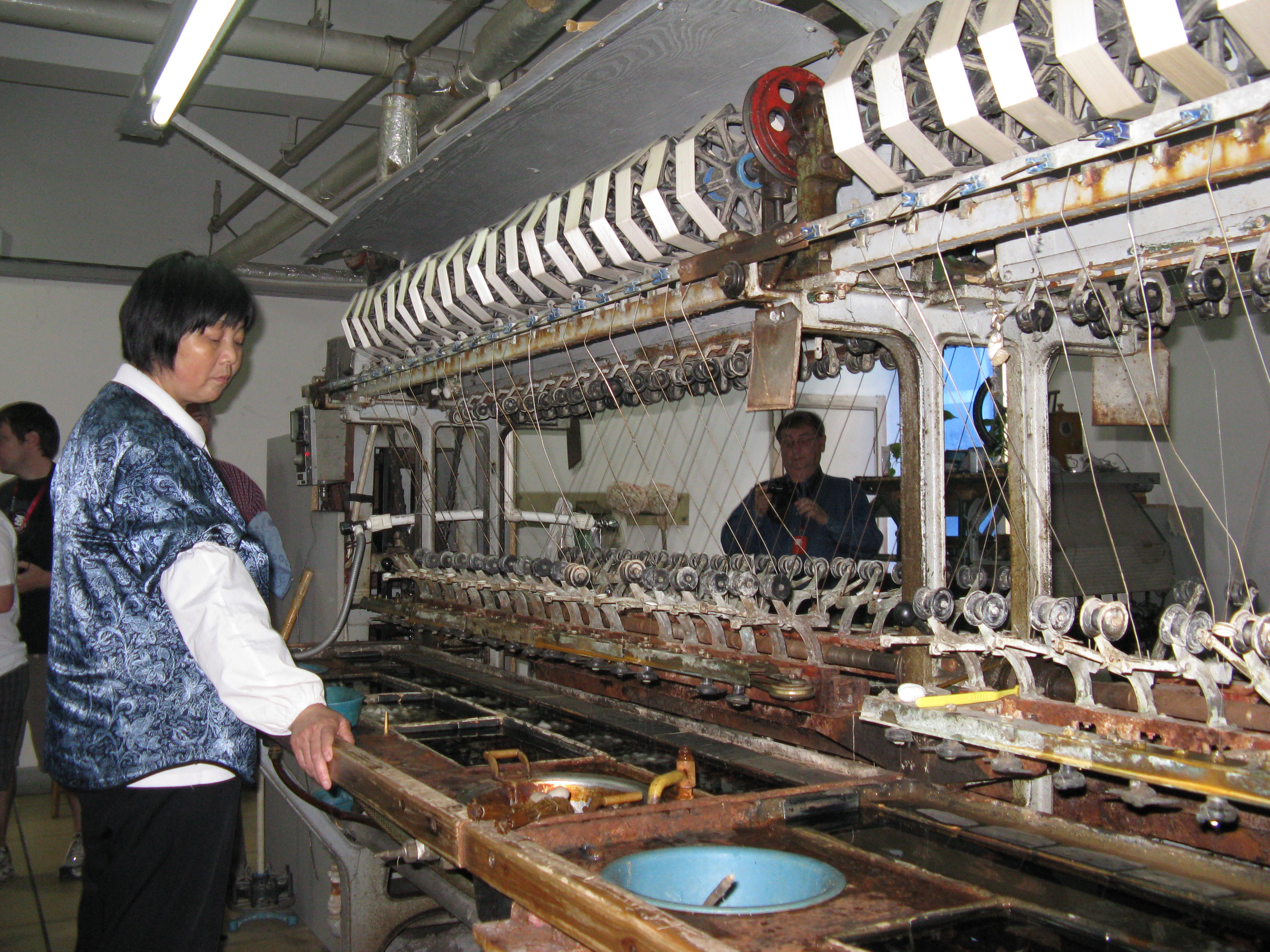
Silk Museum
The Silk Museum is an educational journey through the production of silk, one of China’s most famous and luxurious materials. Learn about the use of silkworms and silk moths in its production; the manufacturing process; as well as silk’s journey along the Silk Road which brought this product across Asia and Europe.
Huangpu River Cruise
There is no better way to see the juxtaposition of eras in Shanghai than taking a cruise on the Huangpu River. At night, the dazzling colours and lights from Pudong shine bright onto the more modest twilight of the Bund.

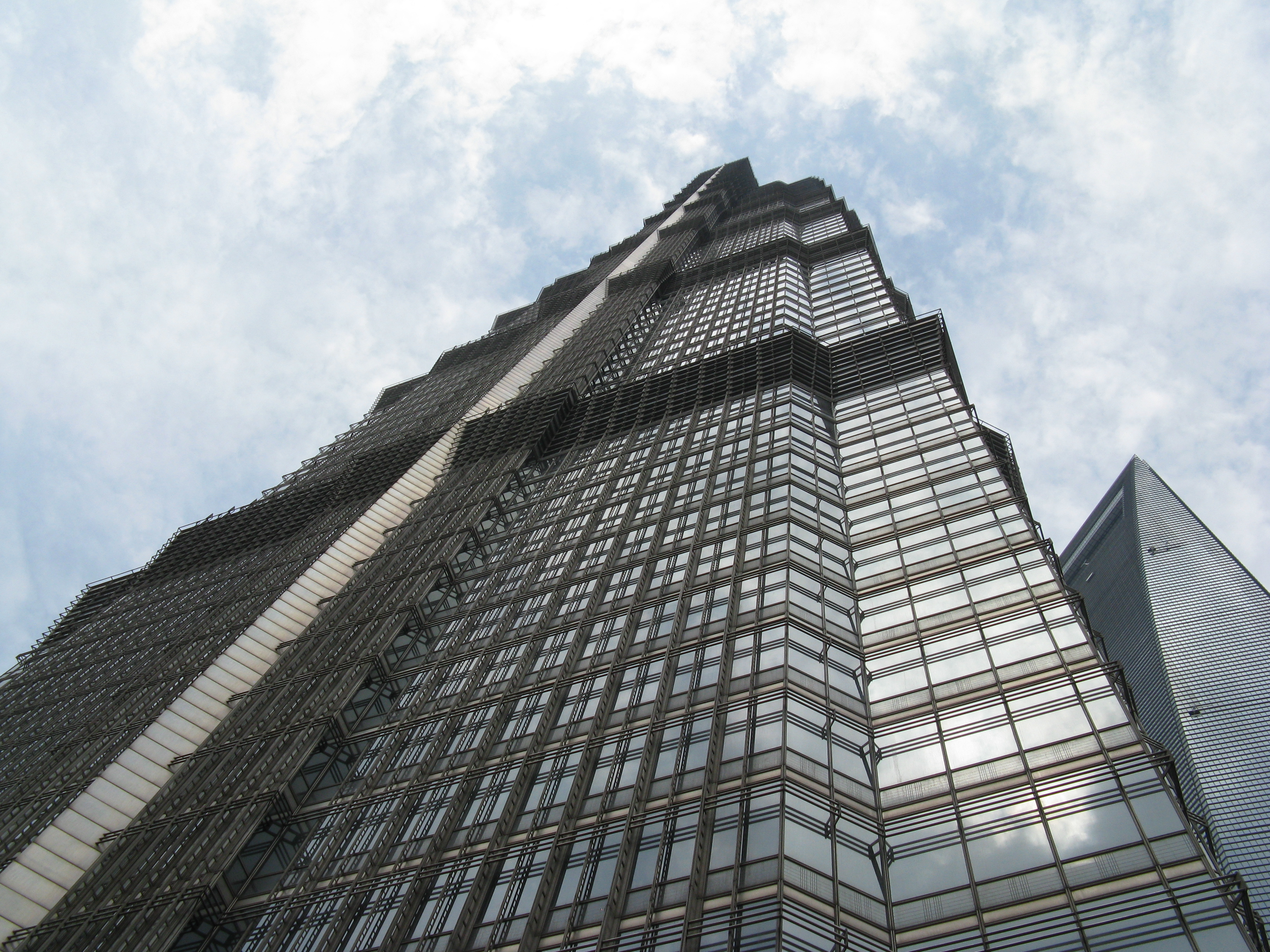
Shanghai Tallest Building
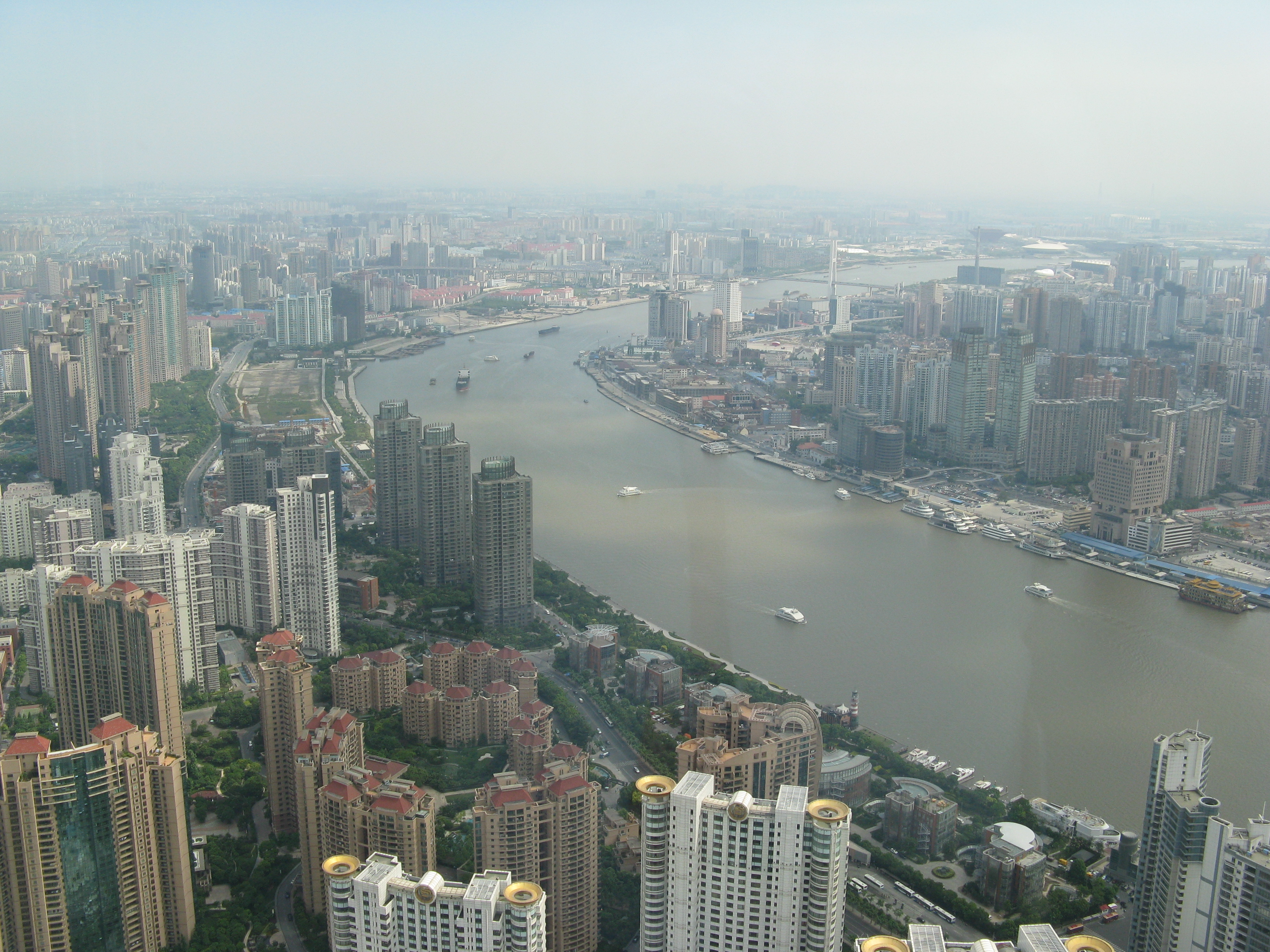
This was the tallest building in Shanghai when we visited. This has now been well and truly usurped. The Jin Mao Tower literally: “The Golden Prosperity Building”), also known as the Jinmao Building or Jinmao Tower, is a 88-story (93 if counting the floors in the spire) landmark skyscraper in Lujiazui, Pudong, Shanghai. It is 420.5 metres (1,380 feet) tall and is one of the tallest buildings in the world. I
This was the tallest building in Shanghai when we visited. This has now been well and truly usurped. The Jin Mao Tower literally: “The Golden Prosperity Building”), also known as the Jinmao Building or Jinmao Tower, is a 88-story (93 if counting the floors in the spire) landmark skyscraper in Lujiazui, Pudong, Shanghai. It is 420.5 metres (1,380 feet) tall and is one of the tallest buildings in the world I.
View from the top of the Shanghai skyline
Shanghai Maglev Train
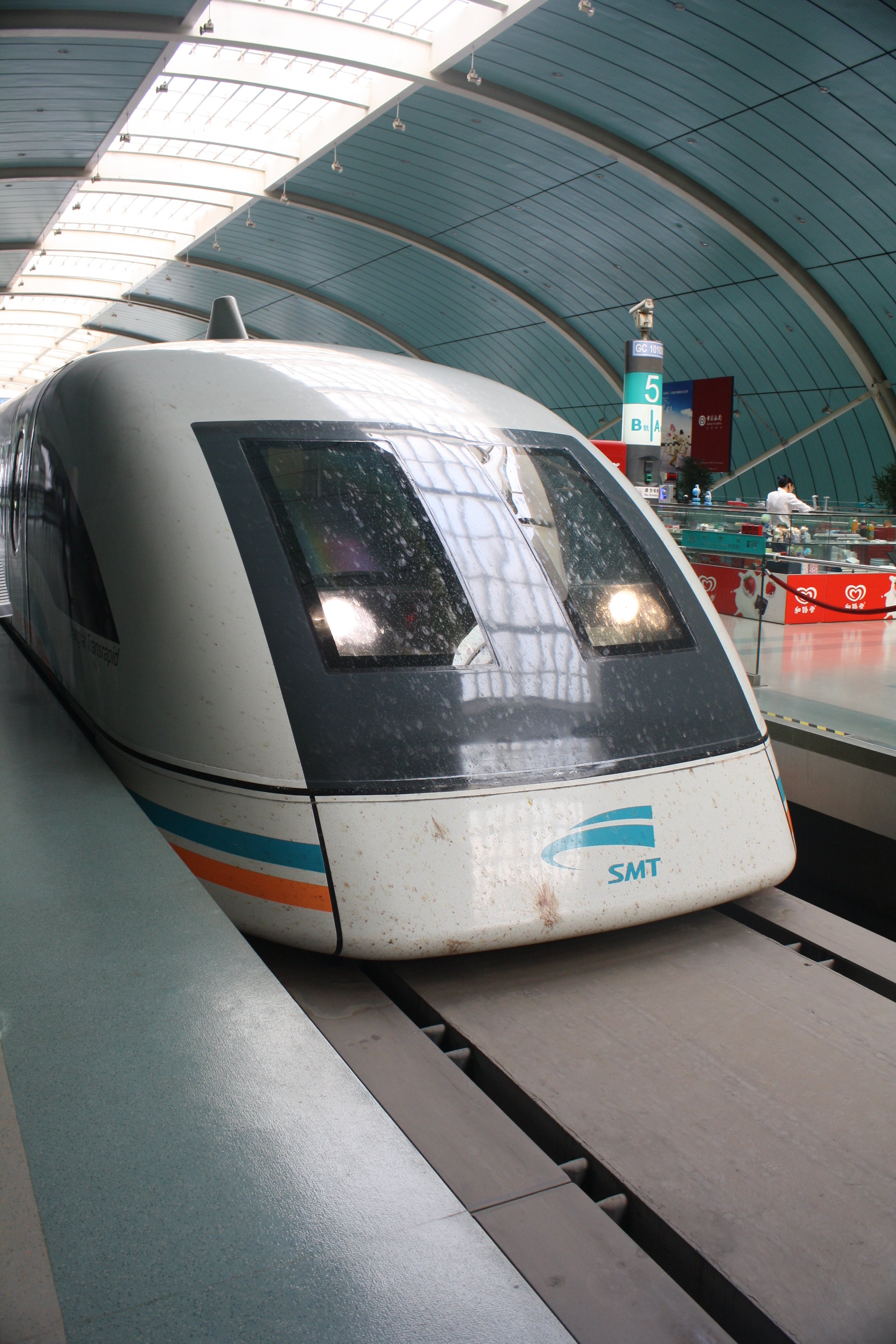
The Shanghai Maglev Train or Shanghai Transrapid is a magnetic levitation train, or maglev line that operates in Shanghai. The line was the third commercially operated magnetic levitation line to open in history. It is the fastest commercial high-speed electric train in the world. The train line was designed to connect Shanghai Pudong International Airport and the outskirts of central Pudong where passengers could interchange to the Shanghai Metro to continue their trip to the city centre. It cost $1.2 billion to build.
French Concession
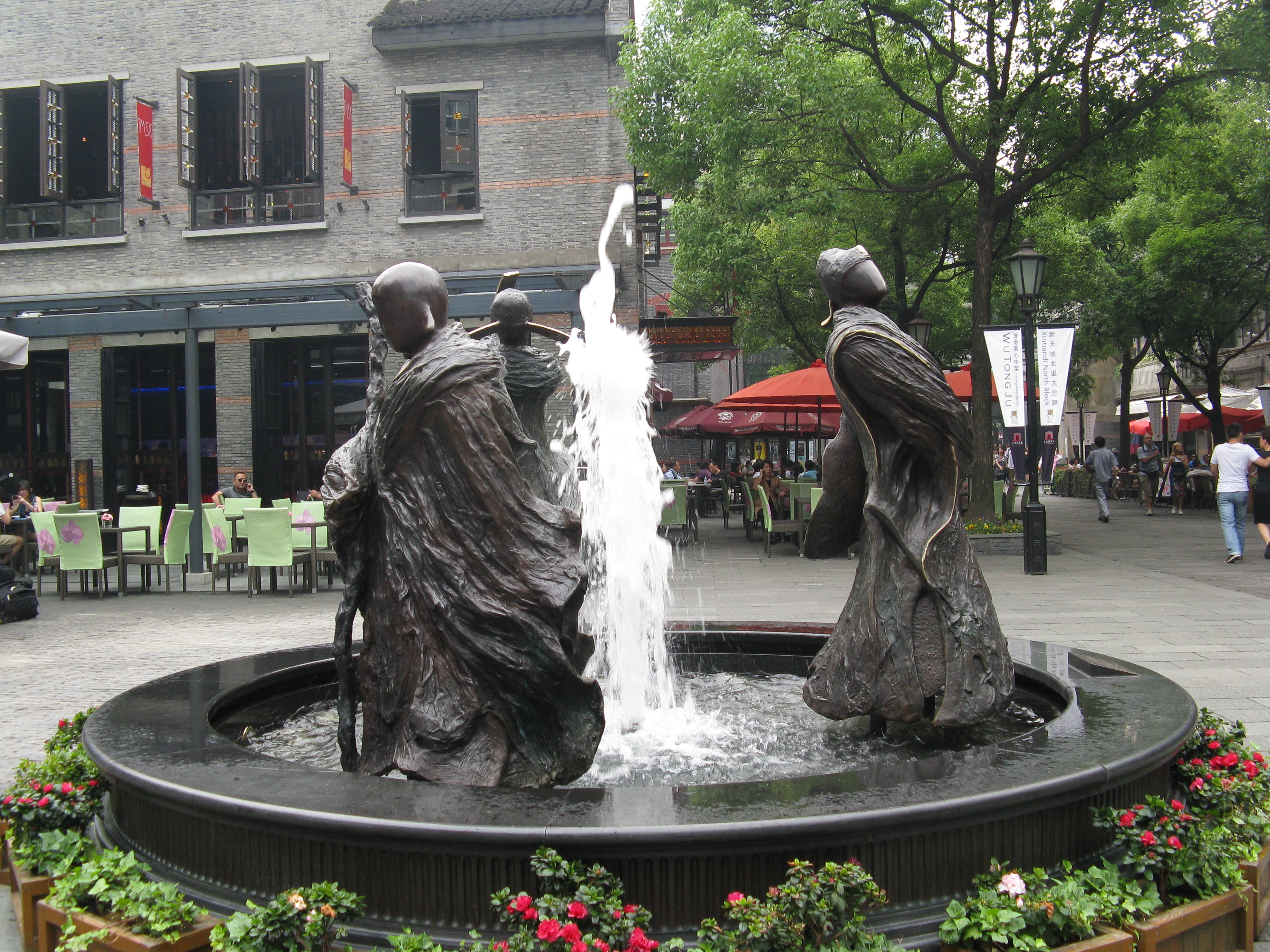
The Shanghai French Concession was a foreign concession in Shanghai, China from 1849 until 1943, which progressively expanded in the late 19th and early 20th centuries. The concession came to an end in 1943 when the Vichy French government signed it over to the pro-Japanese puppet government in Nanking. For much of the 20th century, the area covered by the former French Concession remained the premier residential and retail district of Shanghai, and was also one of the centres of Catholicism in China. Despite re-development over the last few decades, the area retains a distinct character, and is a popular tourist destination.
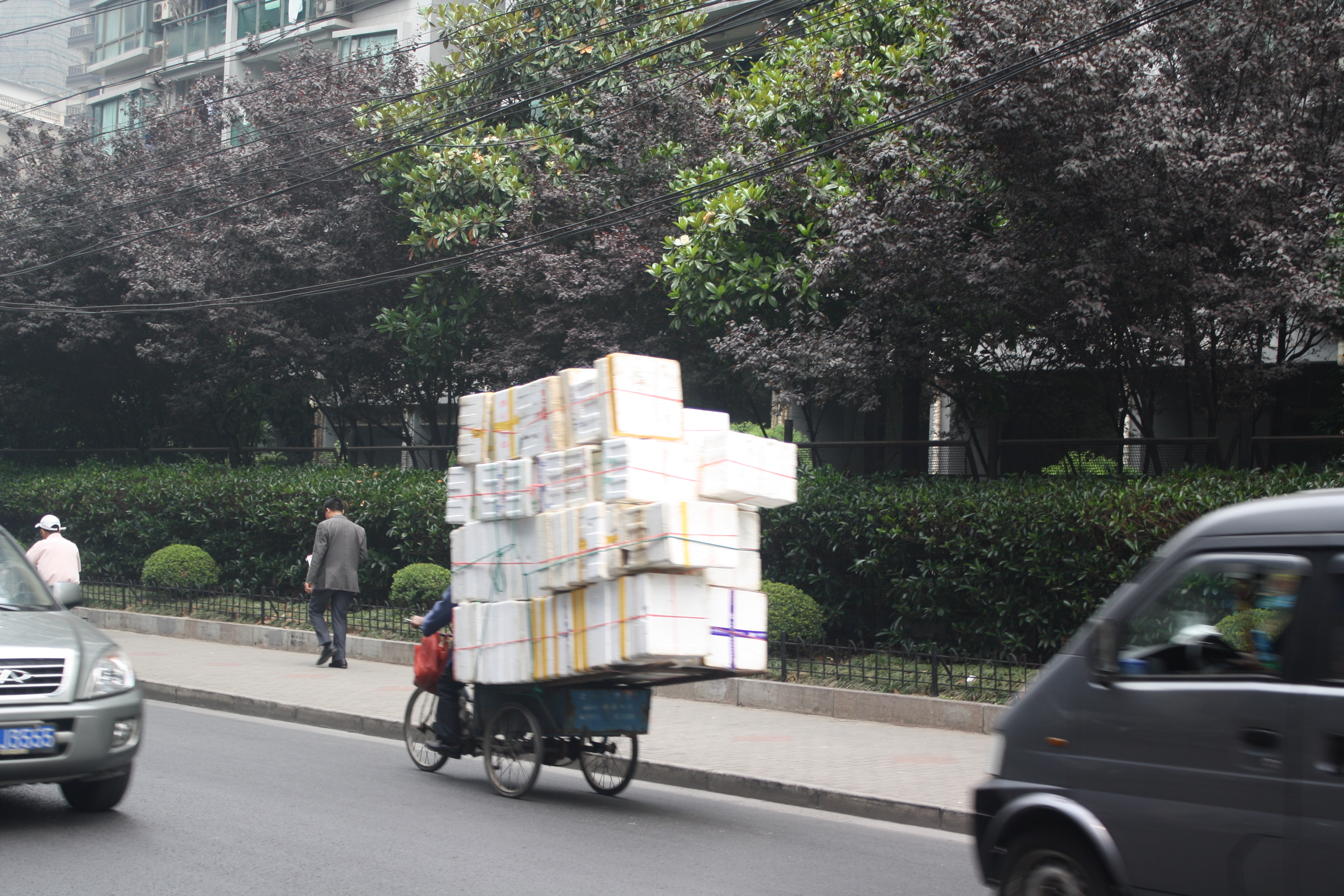
Amazon in China have gone completely carbon neutral, here’s the delivery coming.
 Heather and Keith's travels