Beautiful capital cities are no rarity in Europe, but Stockholm is near the top of the list for sheer loveliness. The saffron and cinnamon buildings that cover its 14 islands rise starkly out of the surrounding ice-blue water, honeyed in sunlight and frostily elegant in cold weather. The city’s charms are irresistible.
We visited in September 2018 and stayed at the Scandic Continental Hotel.
Gamla Stan
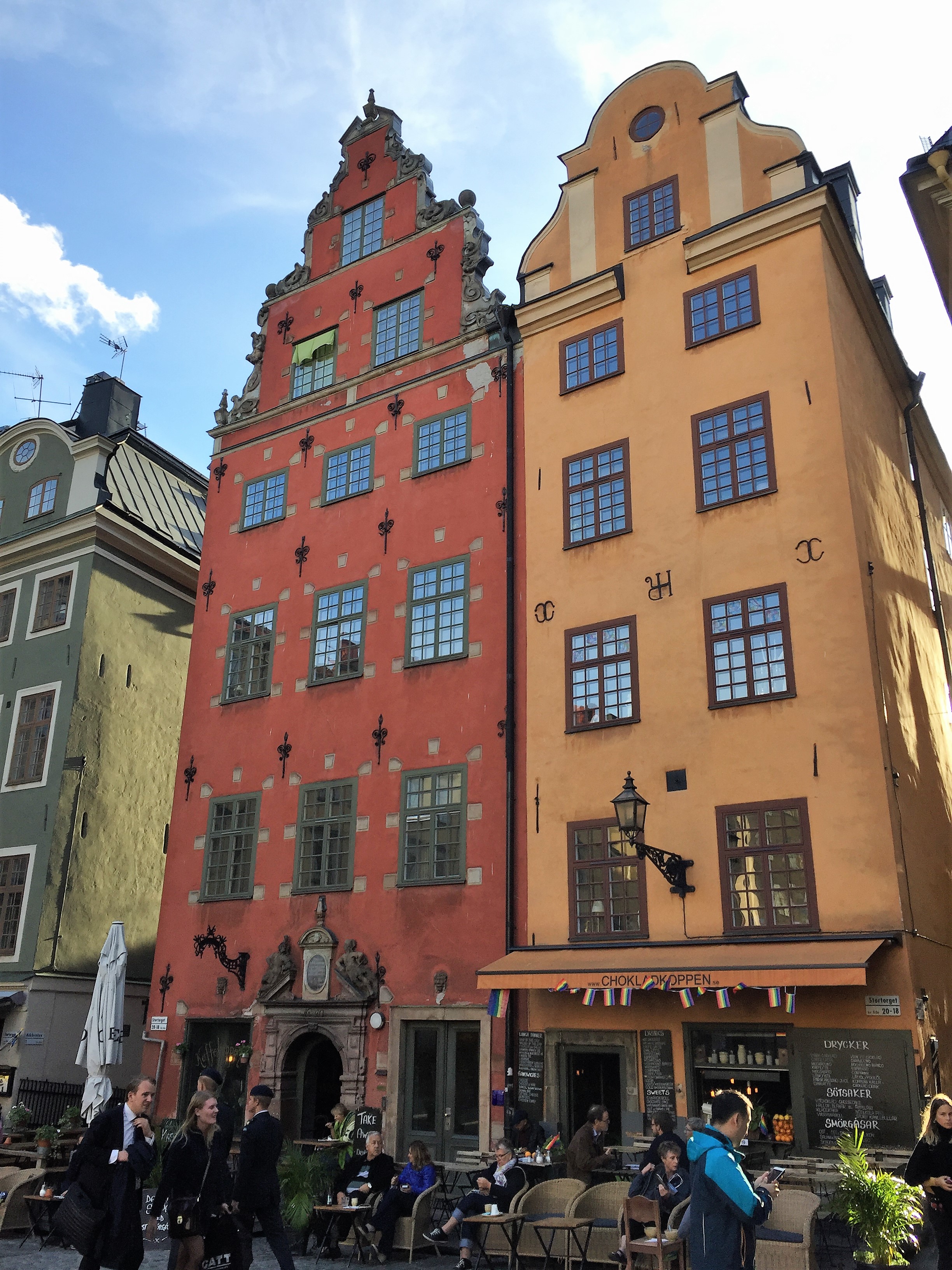
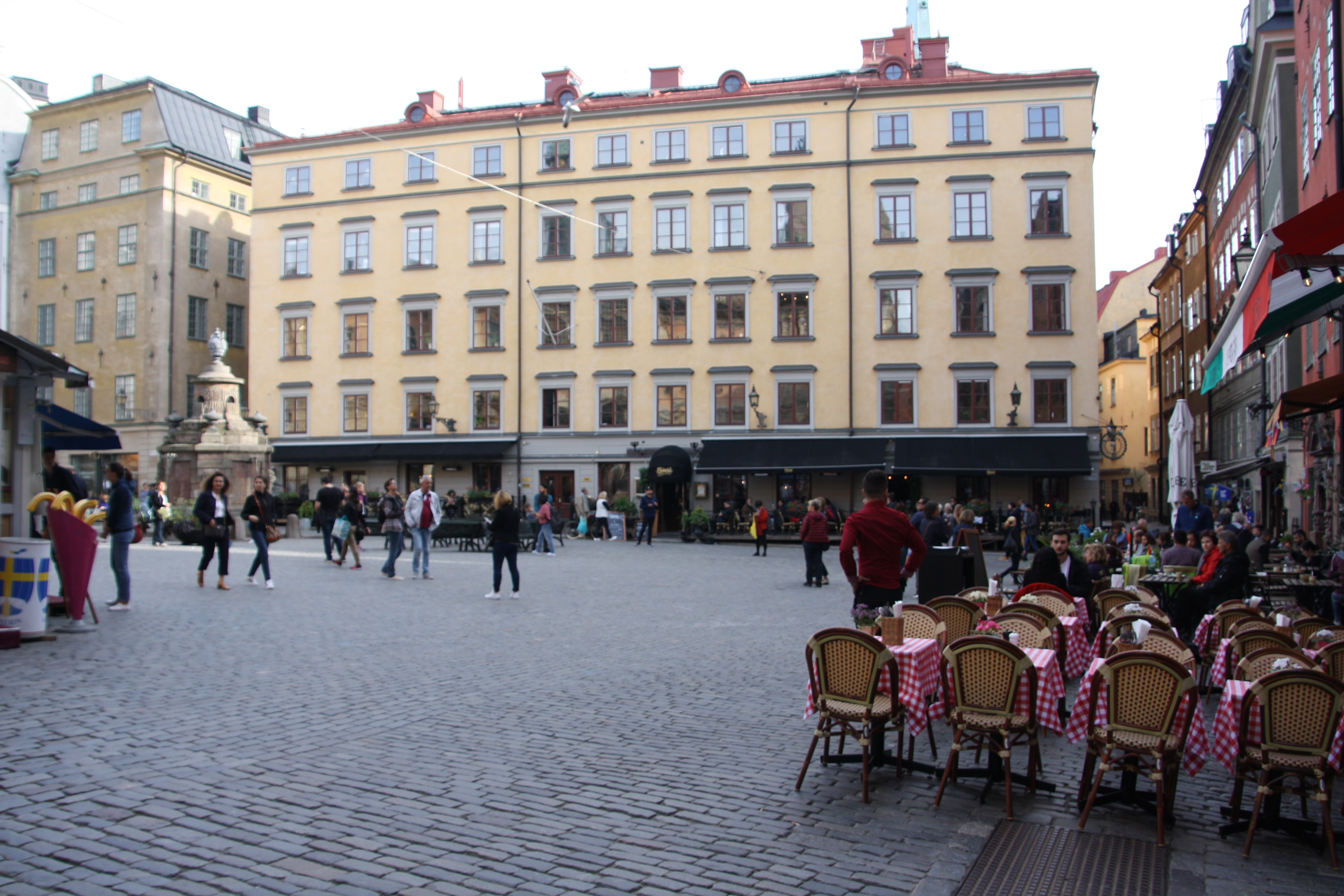
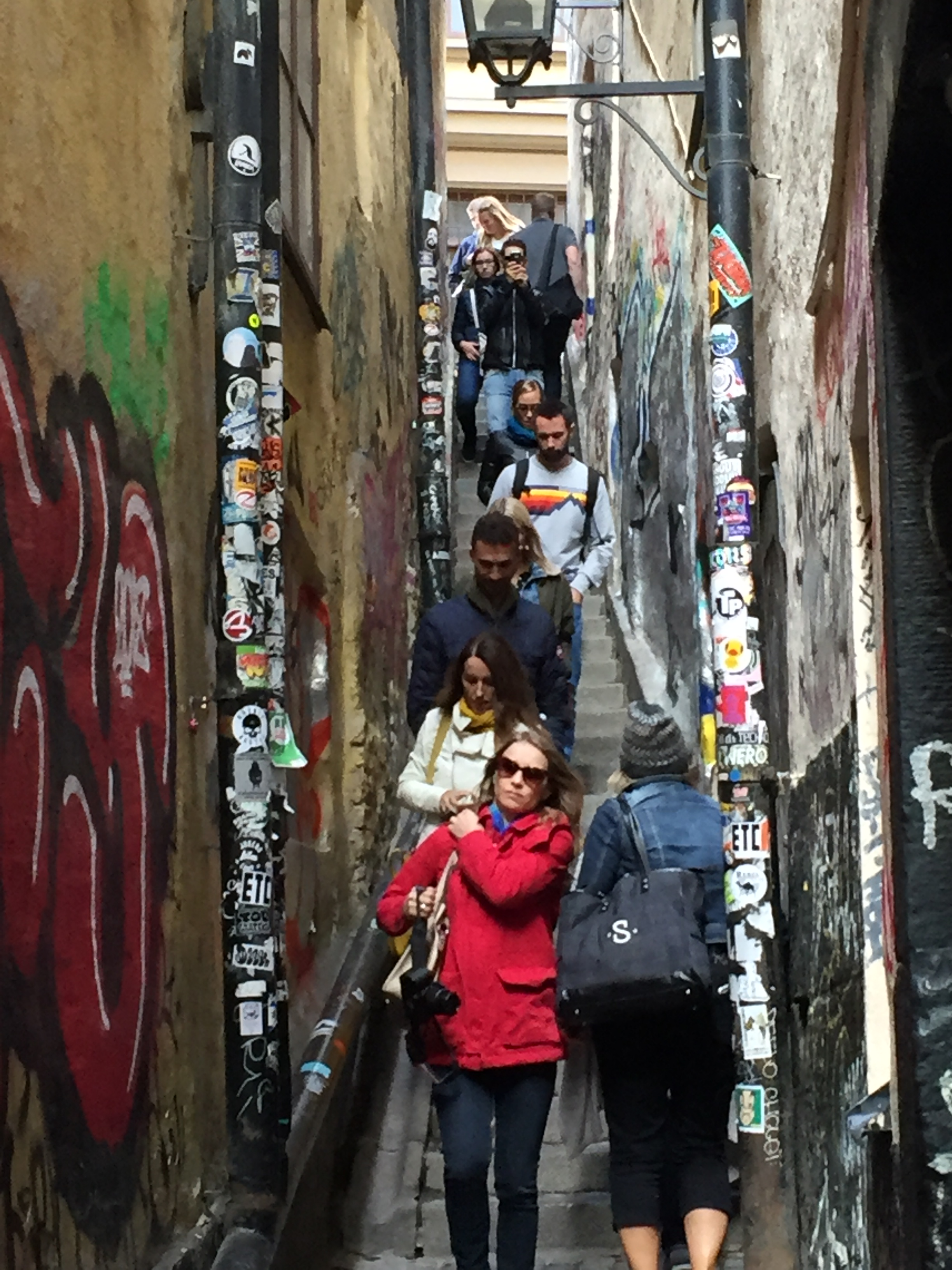
Gamla Stan, the Old Town, is one of the largest and best preserved medieval city centres in Europe, and one of the foremost attractions in Stockholm. This is where Stockholm was founded in 1252.The narrow winding cobblestone streets, with their buildings in so many different shades of gold, give Gamla Stan its unique character. In the middle of Gamla Stan is Stortorget, the oldest square in Stockholm. Stortorget is the central point from which runs Köpmangatan, the oldest street in Stockholm, which was mentioned as early as the fourteenth century. Mårten Trotzigs gränd (Mårten Trotzigs alley) is hard to find. It’s the narrowest alley in Gamla Stan, only 90 centimetres wide at its narrowest point.
The three pictures below are examples of the brightly coloured buildings in the old town.
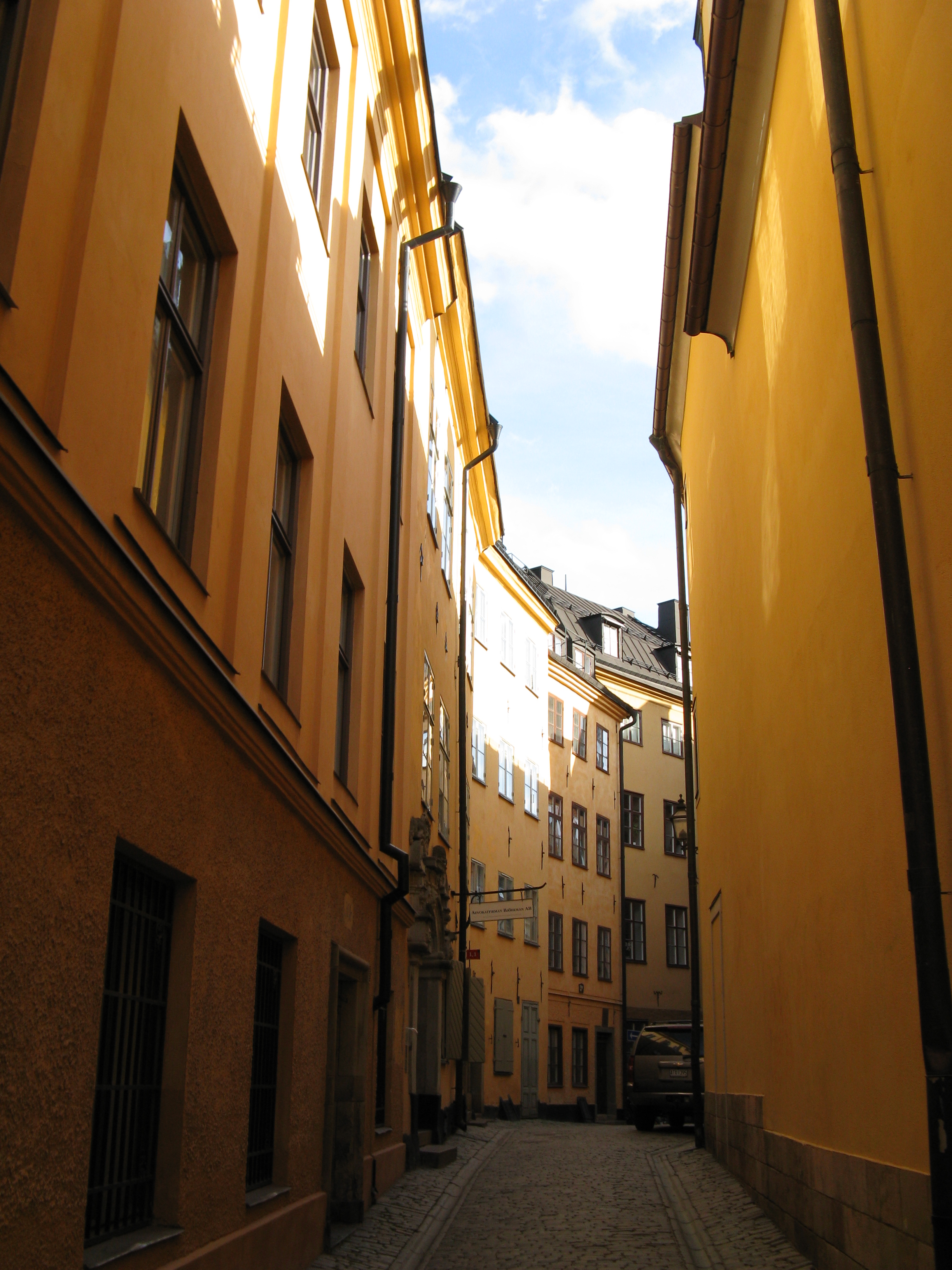
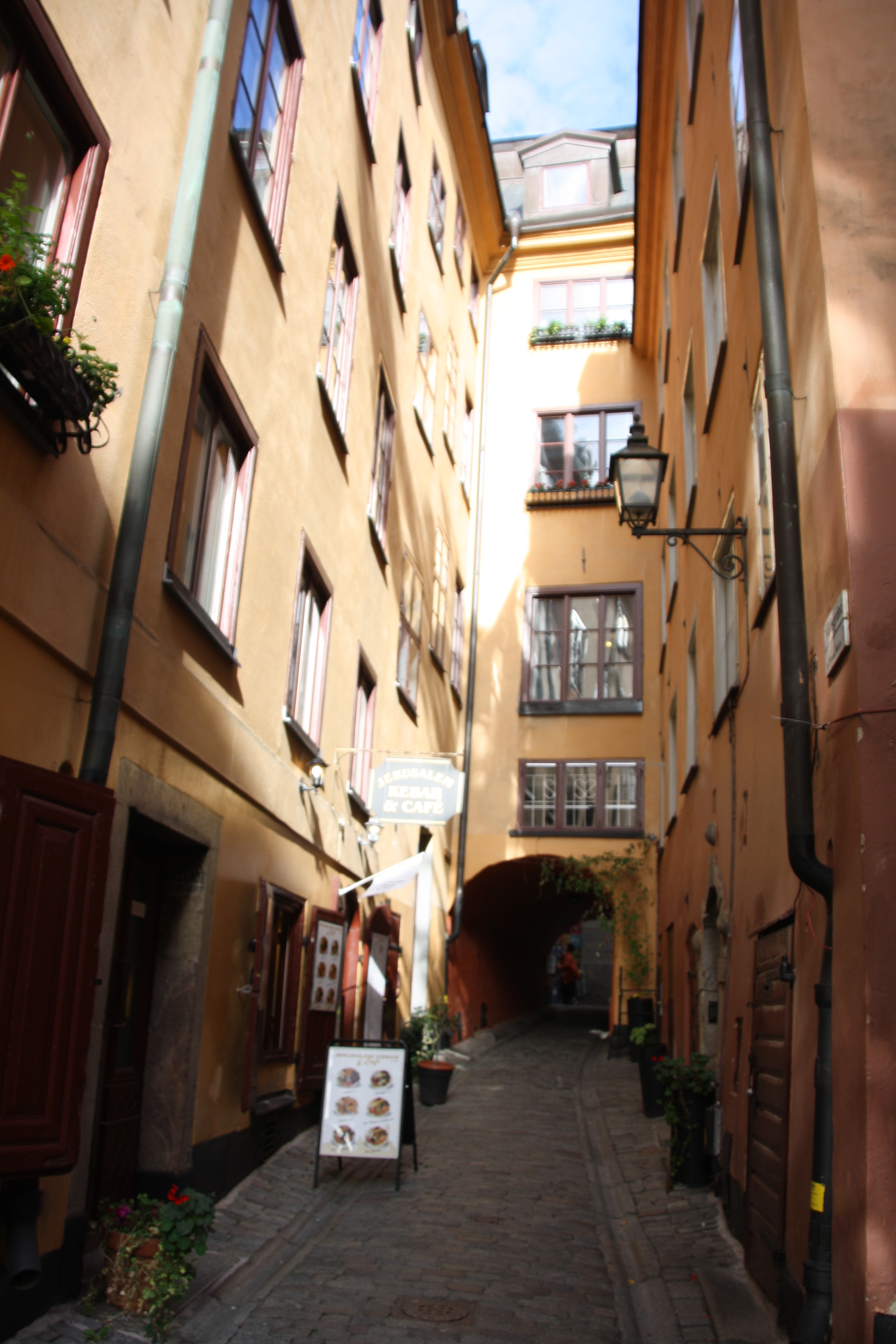
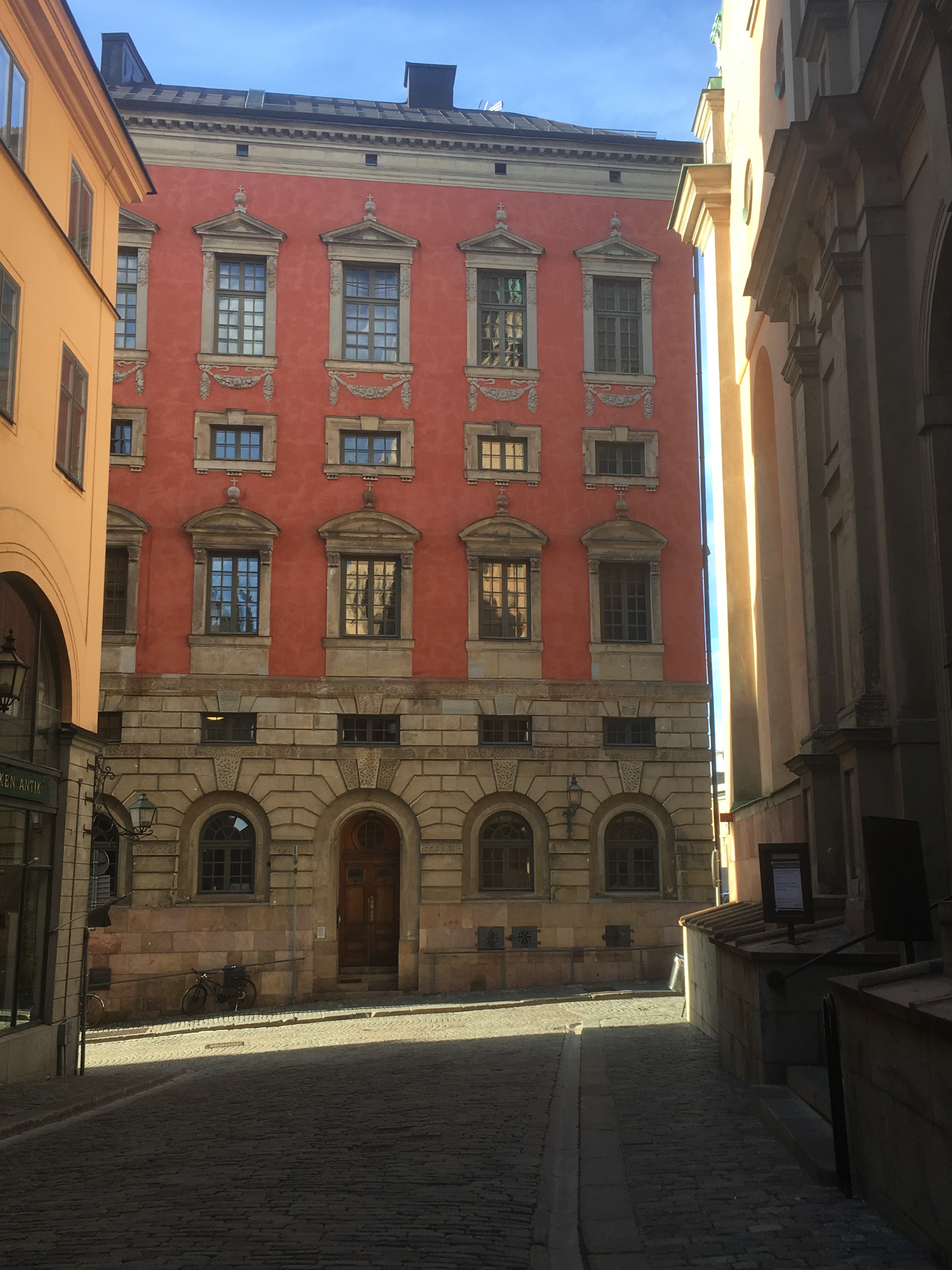
The pictures below are taken in the oldest square in Stockholm.

Mårten Trotzigs gränd is an alley in Gamla Stan leading from Västerlånggatan and Järntorget up to Prästgatan and Tyska Stallplan, the width of its 36 steps tapers down to a mere 90 centimetres (35 in), making the alley the narrowest street in Stockholm.
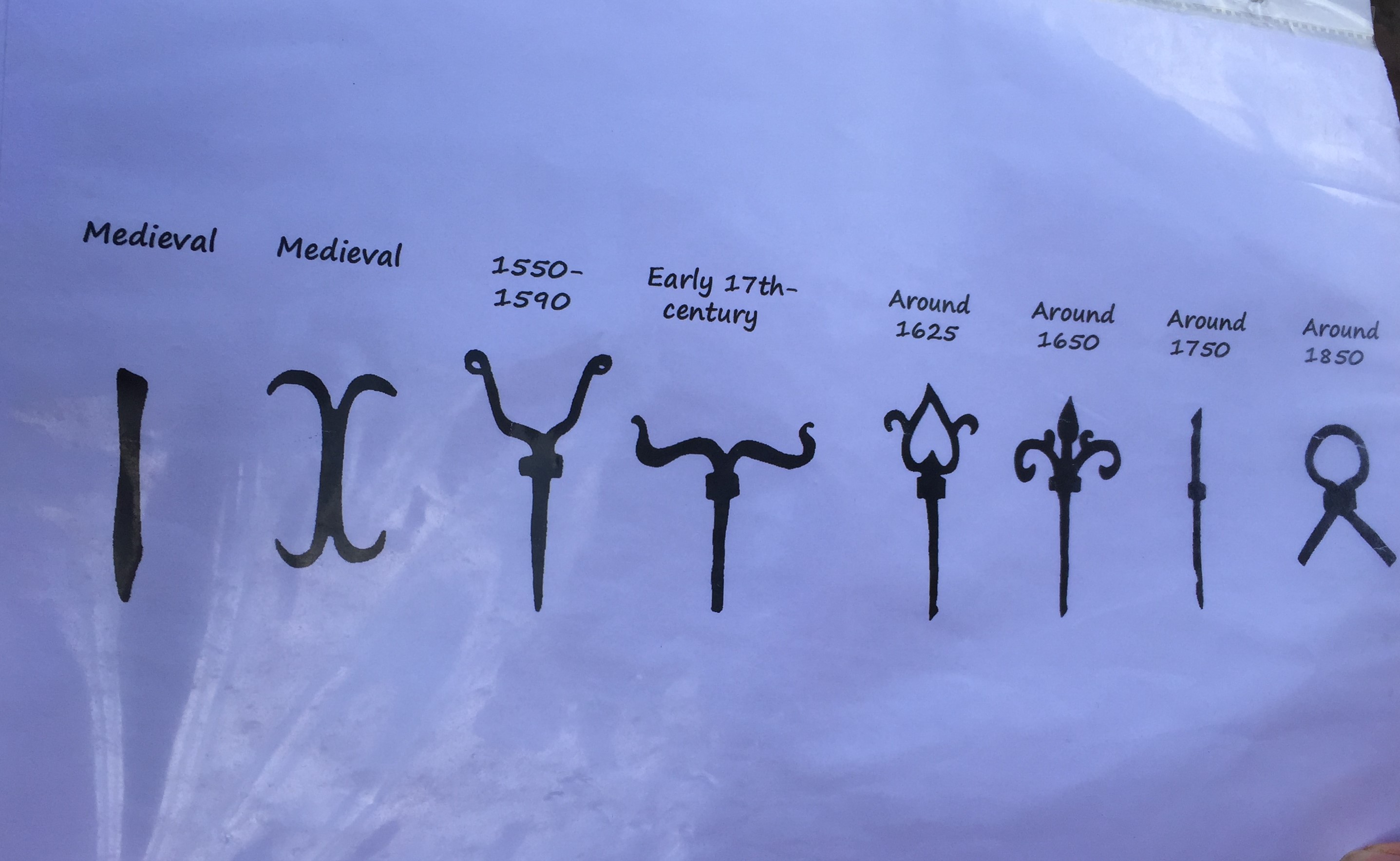
It is possible to date old buildings by the iron symbols that appear on one of the walls using the list below.
Stockholm Syndrome
Stockholm syndrome is named after a bank robbery which took place in the building below in 1973. Four people were held hostage by the robbers for six days; when they were rescued, the hostages attempted to protect the perpetrators, with whom they had an amicable relationship.
Stockholm syndrome is rare; according to one FBI study, the condition occurs in about 8% of hostage victims

The Royal Palace
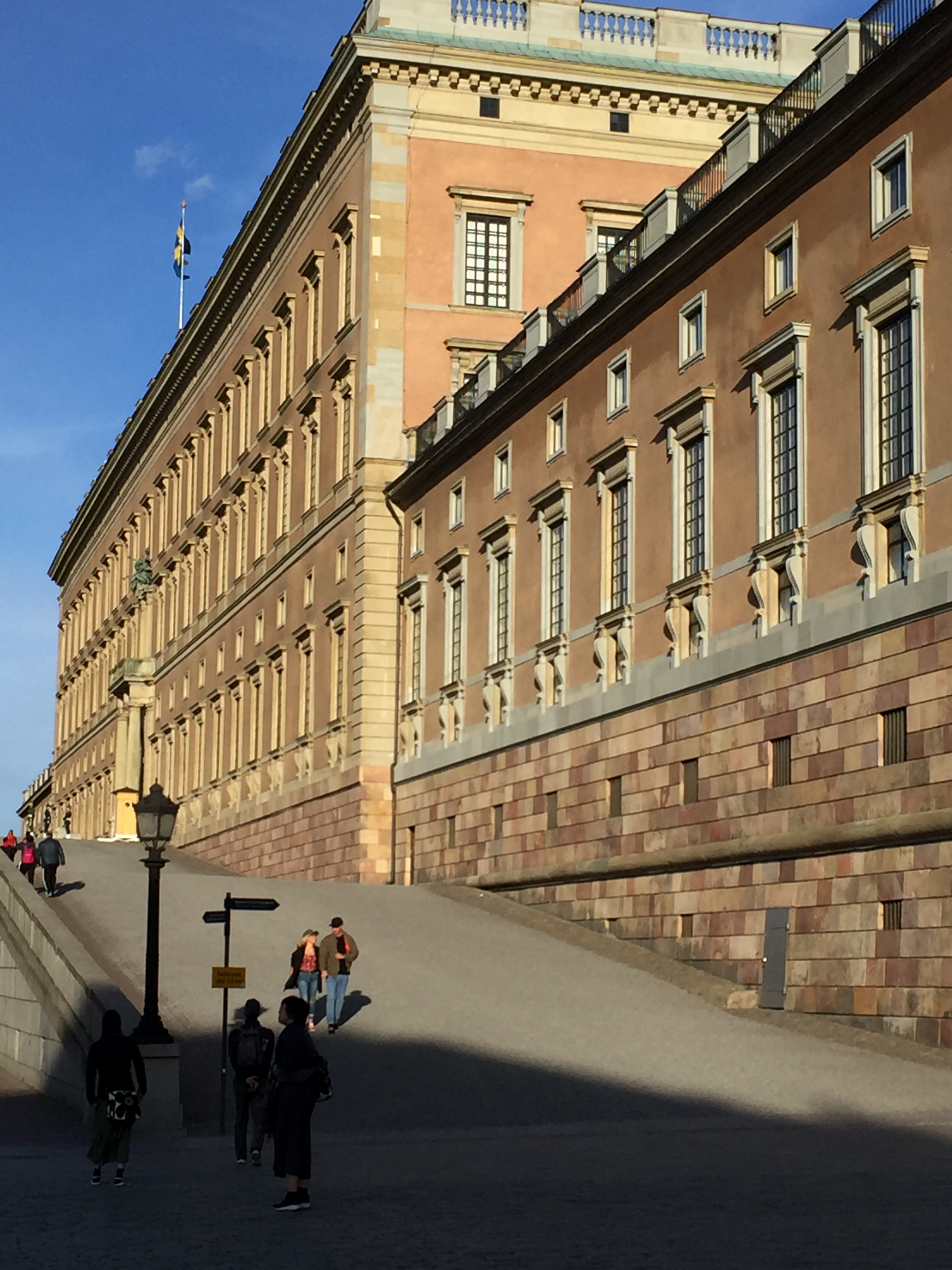
This is one of the largest palaces in Europe! The Royal Palace is the official residence of His Majesty the King of Sweden, with over 600 rooms.
The Palace is open to the public and offers no less than five museums. The Palace was largely built during the eighteenth century in the Italian Baroque style, on the spot where the “Tre Kronor” castle burned down in 1697.


Rune Stone
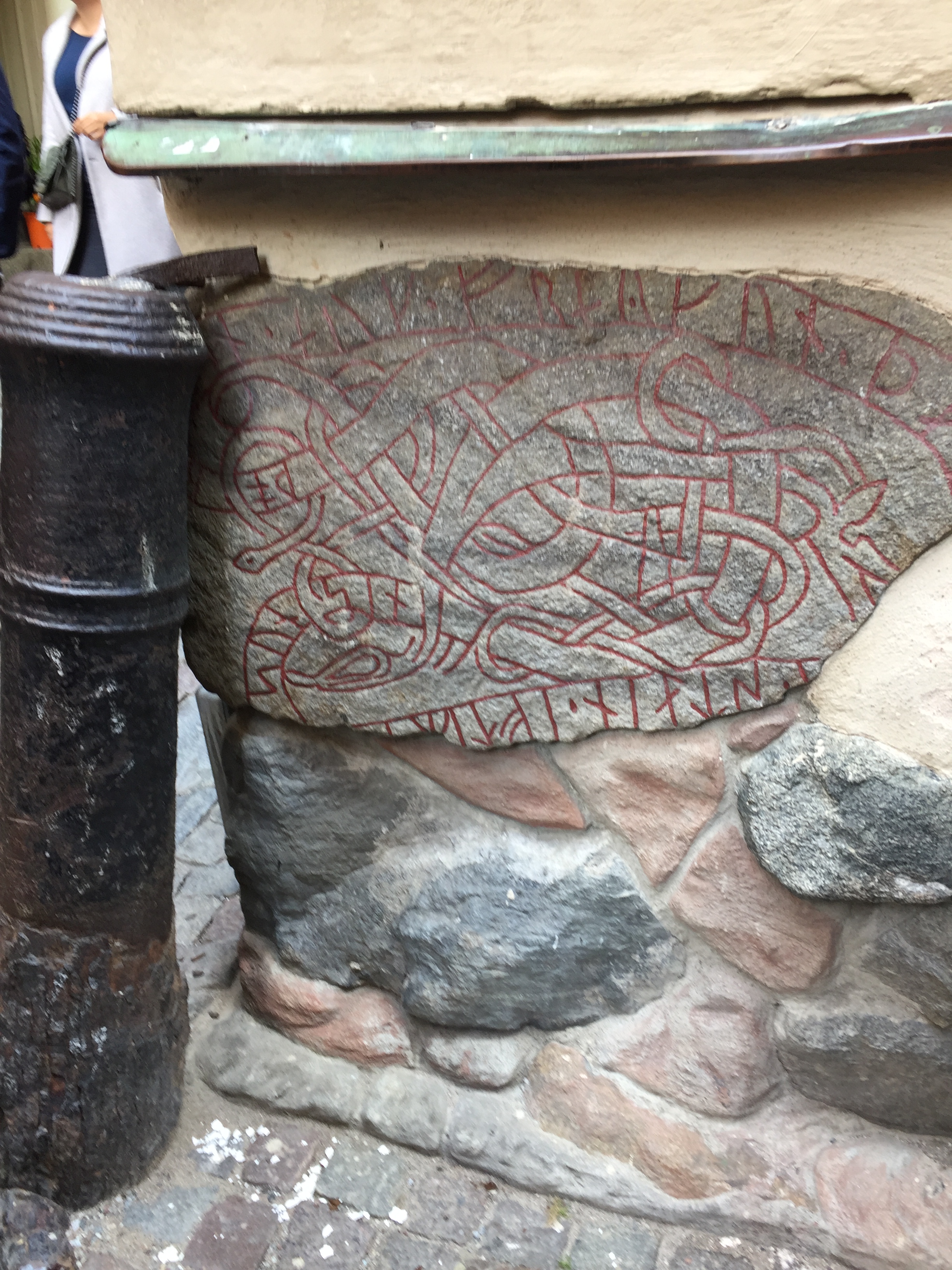
A rune stone is typically a raised stone with a runic inscription, but the term can also be applied to inscriptions on boulders and on bedrock. The tradition began in the 4th century and lasted into the 12th century, but most of the rune stones date from the late Viking Age. Most rune stones are located in Scandinavia, but there are also scattered rune stones in locations that were visited by Norsemen during the Viking Age. Rune stones are often memorials to dead men. Rune stones were usually brightly coloured when erected, though this is no longer evident as the colour has worn off. Most Rune stones are found in present day Sweden.
The rune stone below is part of a building, now a gift shop. The building is cornered by a small road which is steep and the builders was extremely cleaver. To stop damage from horses and carts they have used part of a canon to protest the stone. To this day it has remained in tact with no damage.
Stockholm Cathedral
Stockholm’s medieval Cathedral, built in 1279, houses unique objects such as the St George and the Dragon sculpture (1489), the legendary Vädersoltavlan (1535) and Lena Lervik’s sculpture ”Joseph and Mary” (2002).
Since 1527, the Cathedral has been a Lutheran church. A wide range of religious services and concerts are held. The wedding of T.R.H. Crown Princess Victoria and Prince Daniel took place on Saturday, June 19, 2010, in Stockholm Cathedral.

Järnpojke
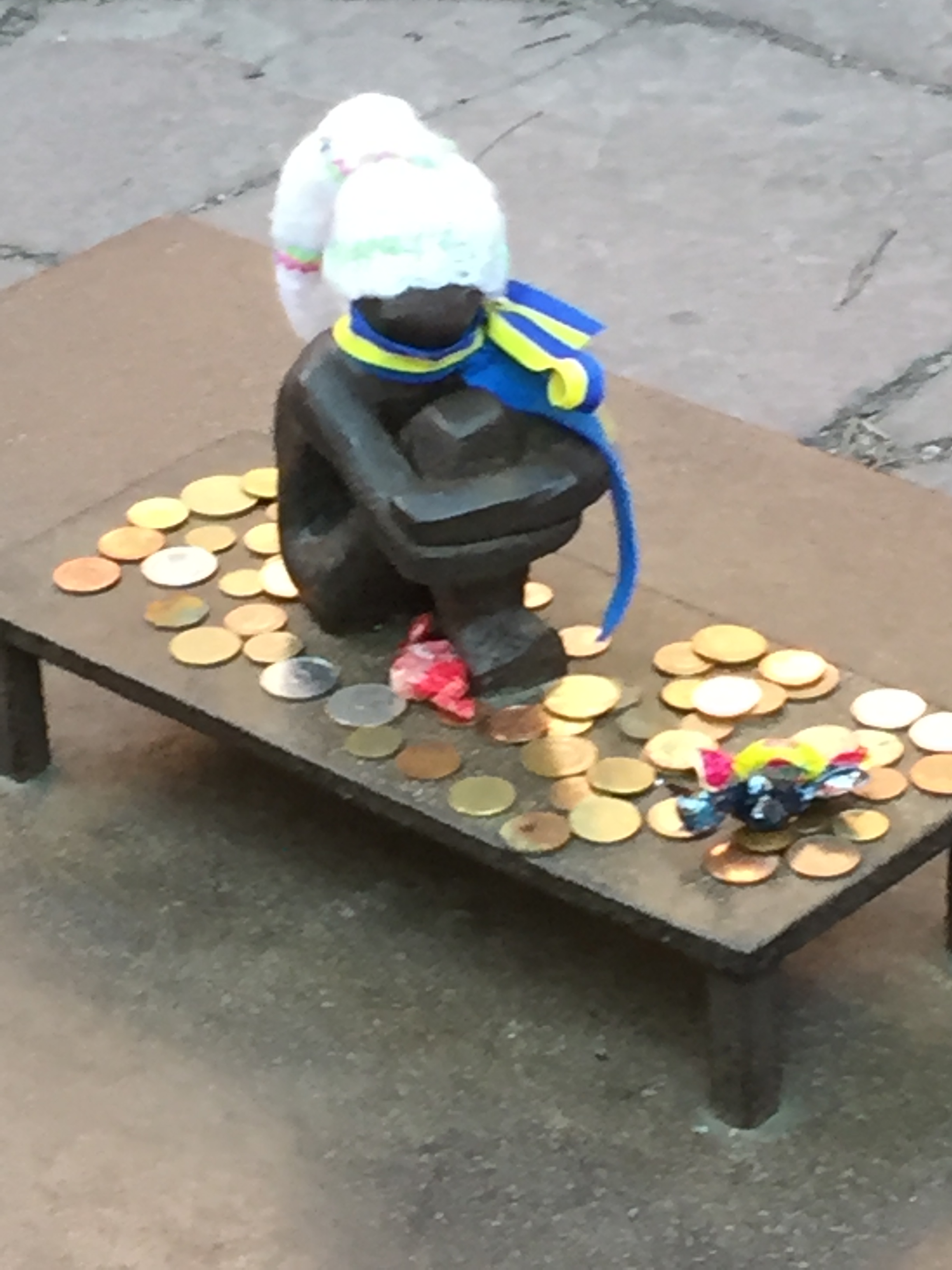
Järnpojke or Iron Boy, in English known as the “little boy who looks at the moon” is a sculpture in Gamla stan , which is only 15 centimetres (5.9 in) high and therefore is the smallest public monument of Stockholm.
The sculpture is located behind the Finnish Church, which is only few meters off the Stockholm Palace, however hard to find due to secluded location of the place.
In winter, the little boy is also to be found wearing winter hat and scarf. The sculpture is described in very few tourist guides and is therefore considered “secret” tourist attraction.
Stockholm City Hall
This is the building of the Municipal Council for the City of Stockholm . It stands on the eastern tip of Kungsholmen island, next to Riddarfjärden’s northern shore and facing the islands of Riddarholmen and Södermalm. It houses offices and conference rooms as well as ceremonial halls, and the luxury restaurant Stadshuskällaren. It is the venue of the Nobel Prize banquet and is one of Stockholm’s major tourist attractions.

Stockholm Parliament
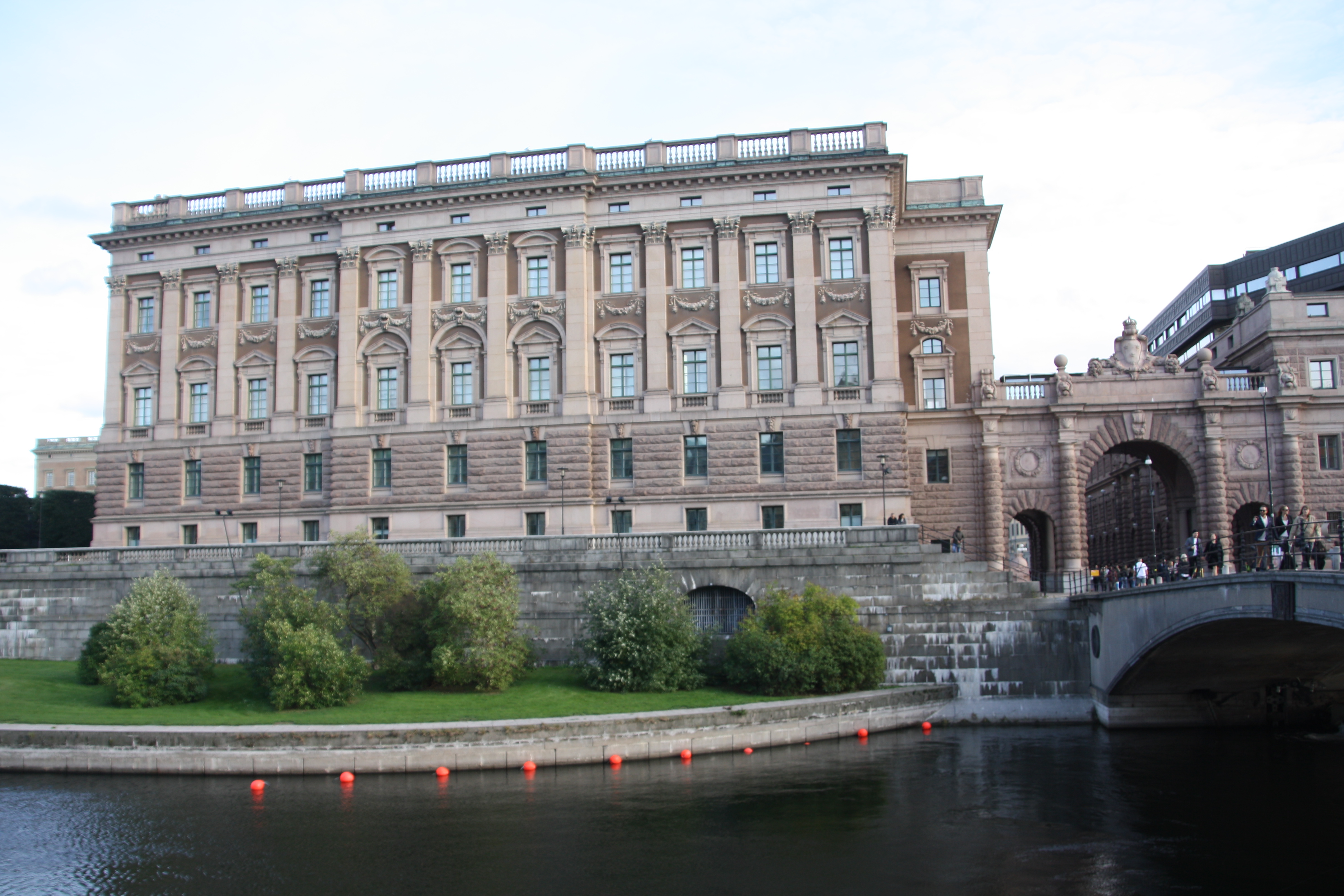
The Parliament House, is the seat of the parliament of Sweden, the Riksdag. It is located on nearly half of Helgeandsholmen, in the Gamla stan district. It is open for anyone wishing to attend a debate or public hearing, take part in a guided tour, or participate in a study visit. Unfortunately when we visited it was close because the Swedish elections had just taken place.
Everything that takes place in the Chamber is open to the public. Openness and transparency are central to Swedish democracy. Anyone who wants to can visit the Chamber to listen to debates, votes and question times, as well as public hearings and seminars.

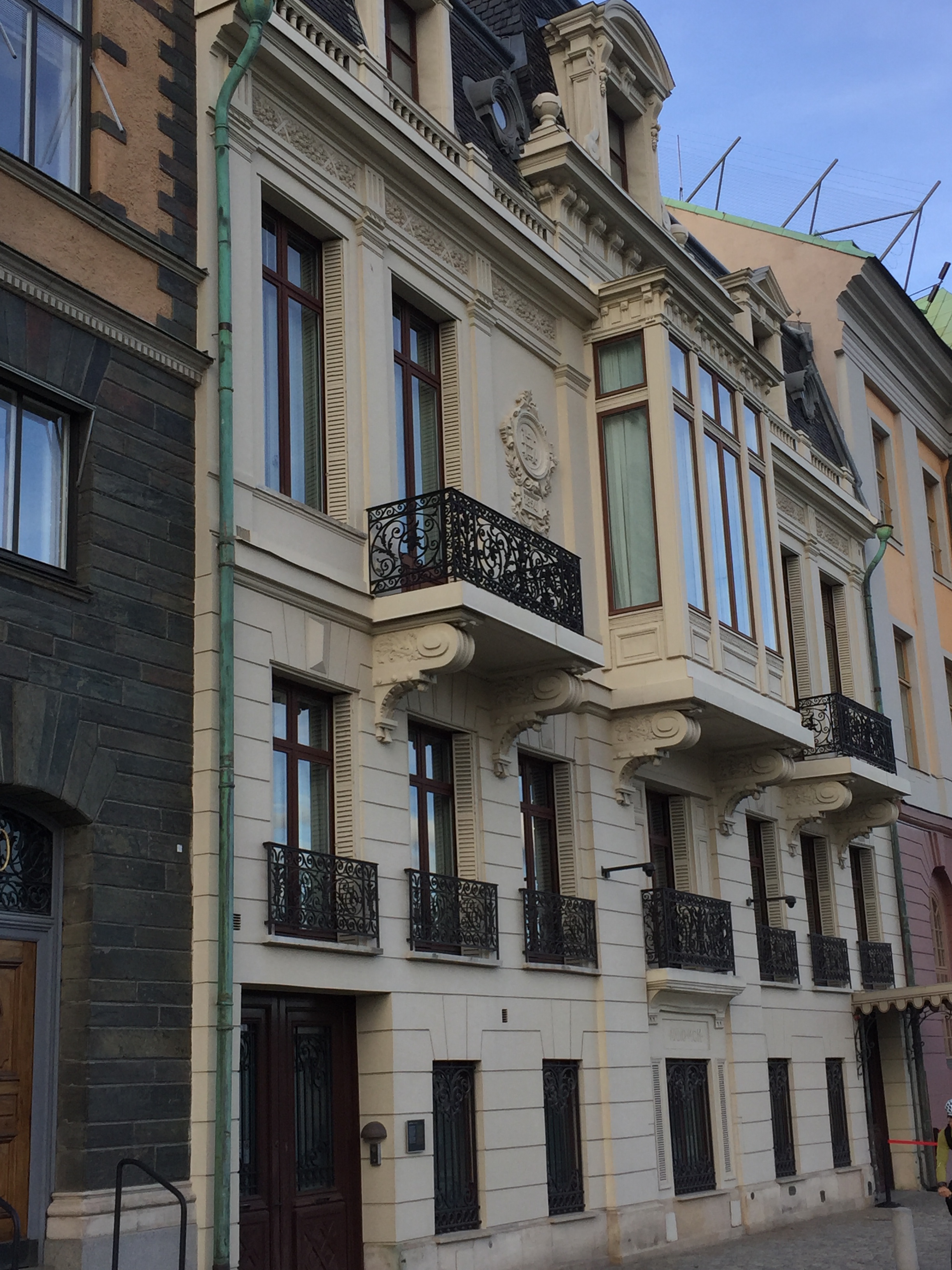
The prime minister lives in the white house, see picture below, which is just over the bridge from the parliament. It is somewhat different from his American counterpart as there are no guards or fortification.
Vasa Museum
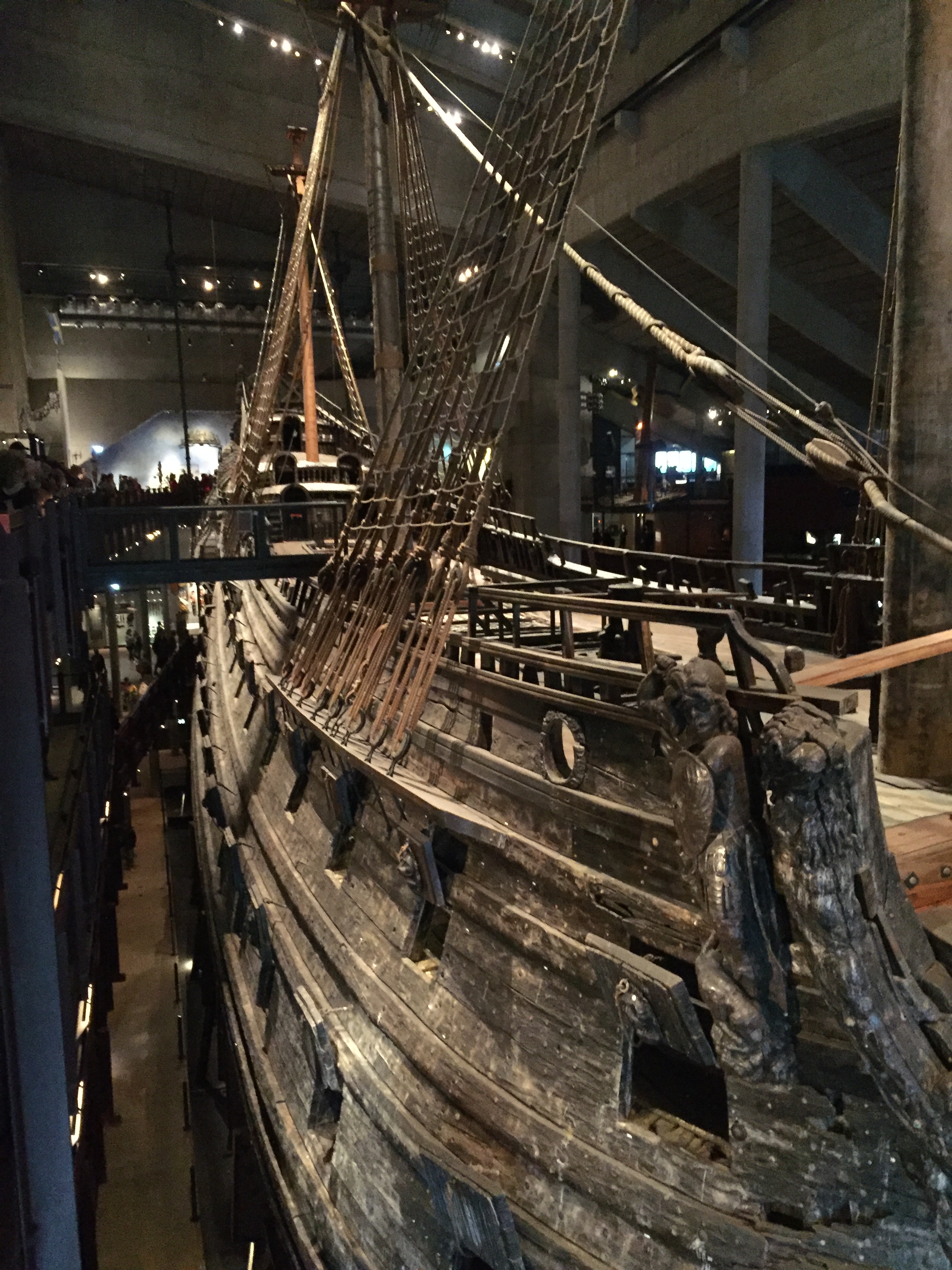
The Vasa Museum is located on the island of Djurgården, the museum displays the only almost fully intact 17th century ship that has ever been salvaged, the 64-gun warship Vasa that sank on her maiden voyage in 1628 in Stockholm harbour just 15 to 20 minutes after starting her voyage. The Vasa Museum opened in 1990 and, according to the official web site, is the most visited museum in Scandinavia.
If you are visiting Stockholm then this is one attraction worth going to.

ABBA Museum
It is with great disappointment, for Heather, that we didn’t get to the ABBA museum which is close to the VASA museum. On the day we visited tried to get in to the museum the queue’s were horrendous and so we decided to leave this for our next trip to Stockholm.
Islands
Stockholm consists of lots of islands, in a short break it wasn’t possible to visit each one but we had a good try.

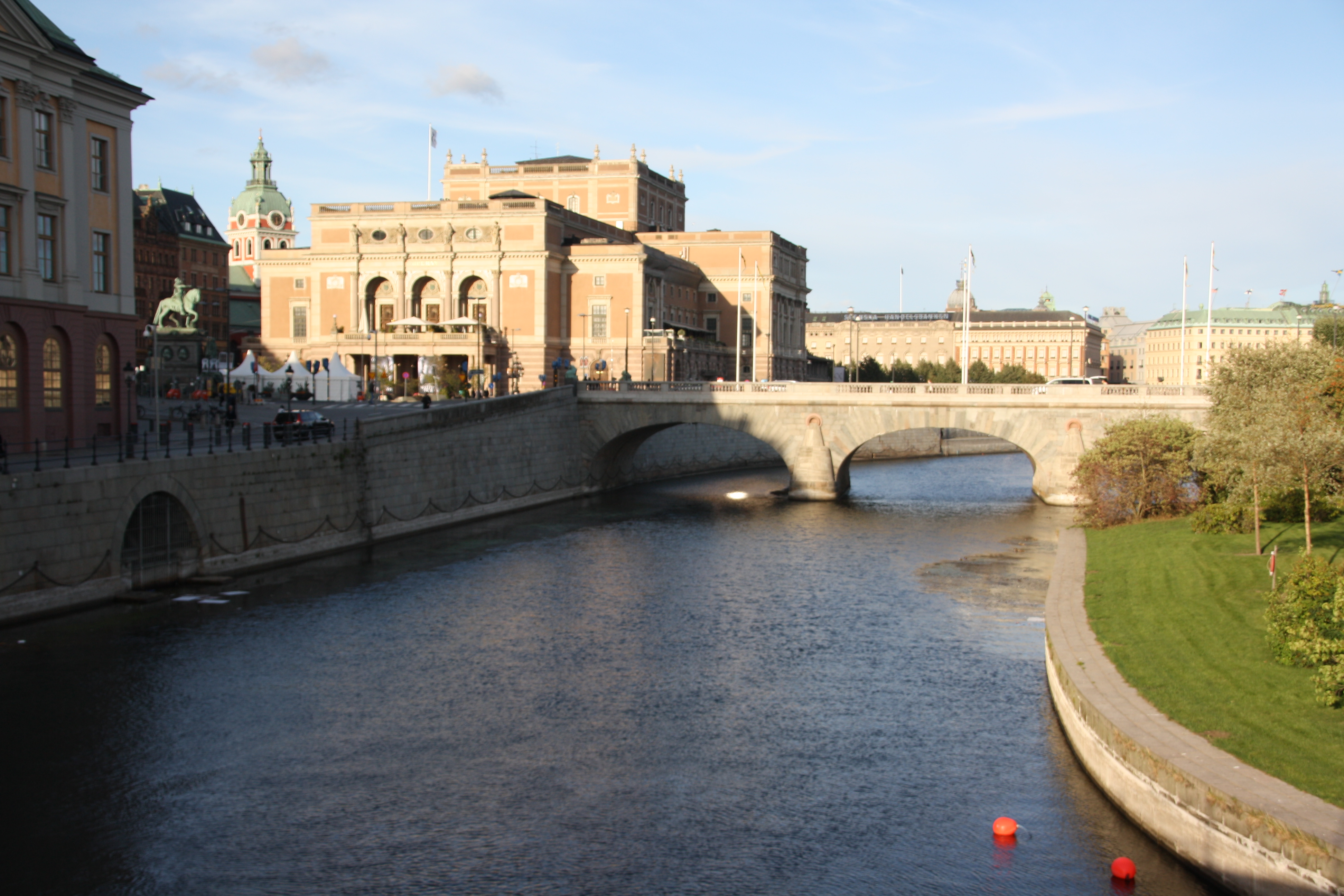


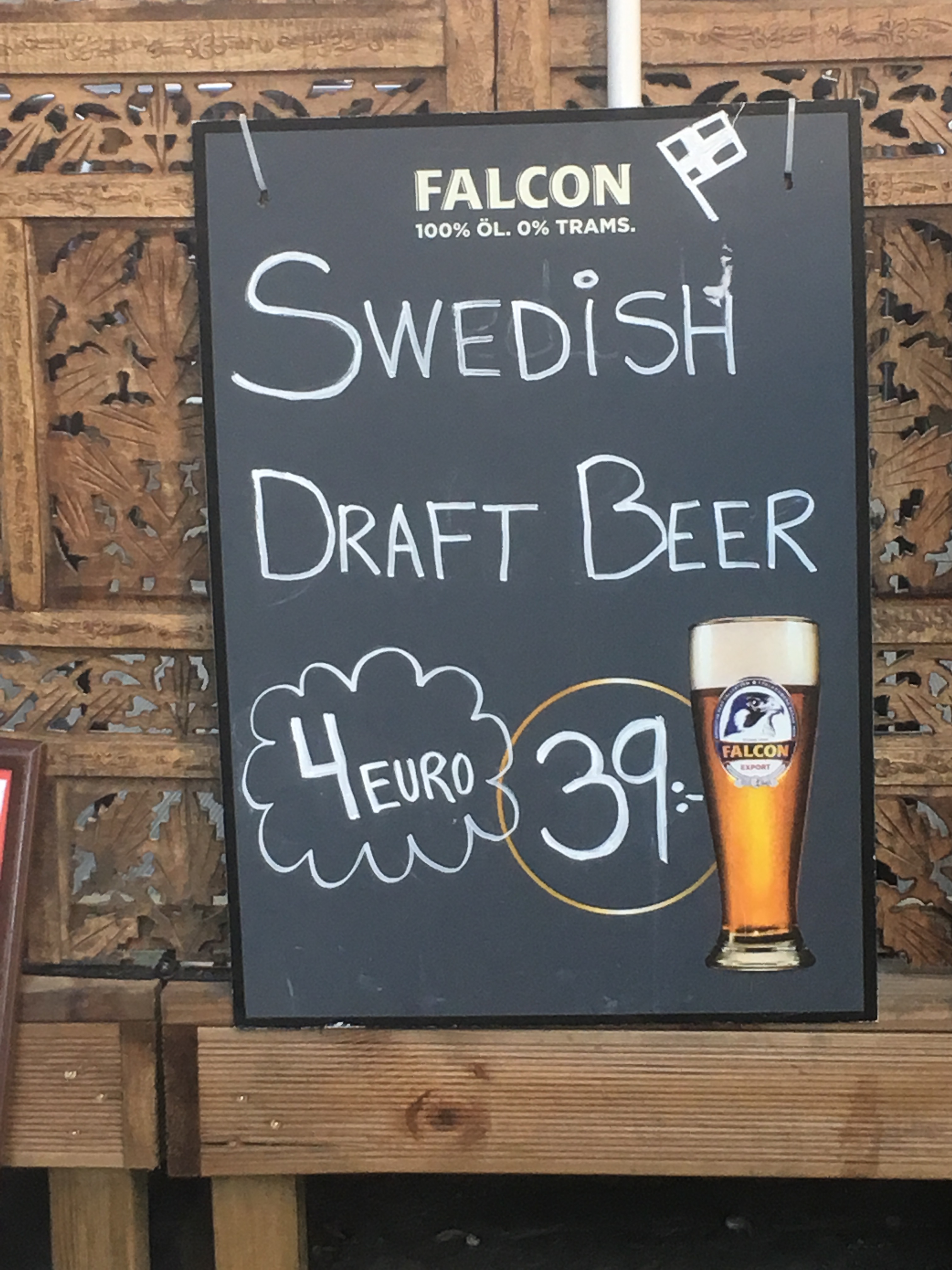
Overall Stockholm is very pretty, we were lucky with the weather, and is definitely on the list to re-visit. It wasn’t as expensive as we expected and you could get a beer for less than £4.
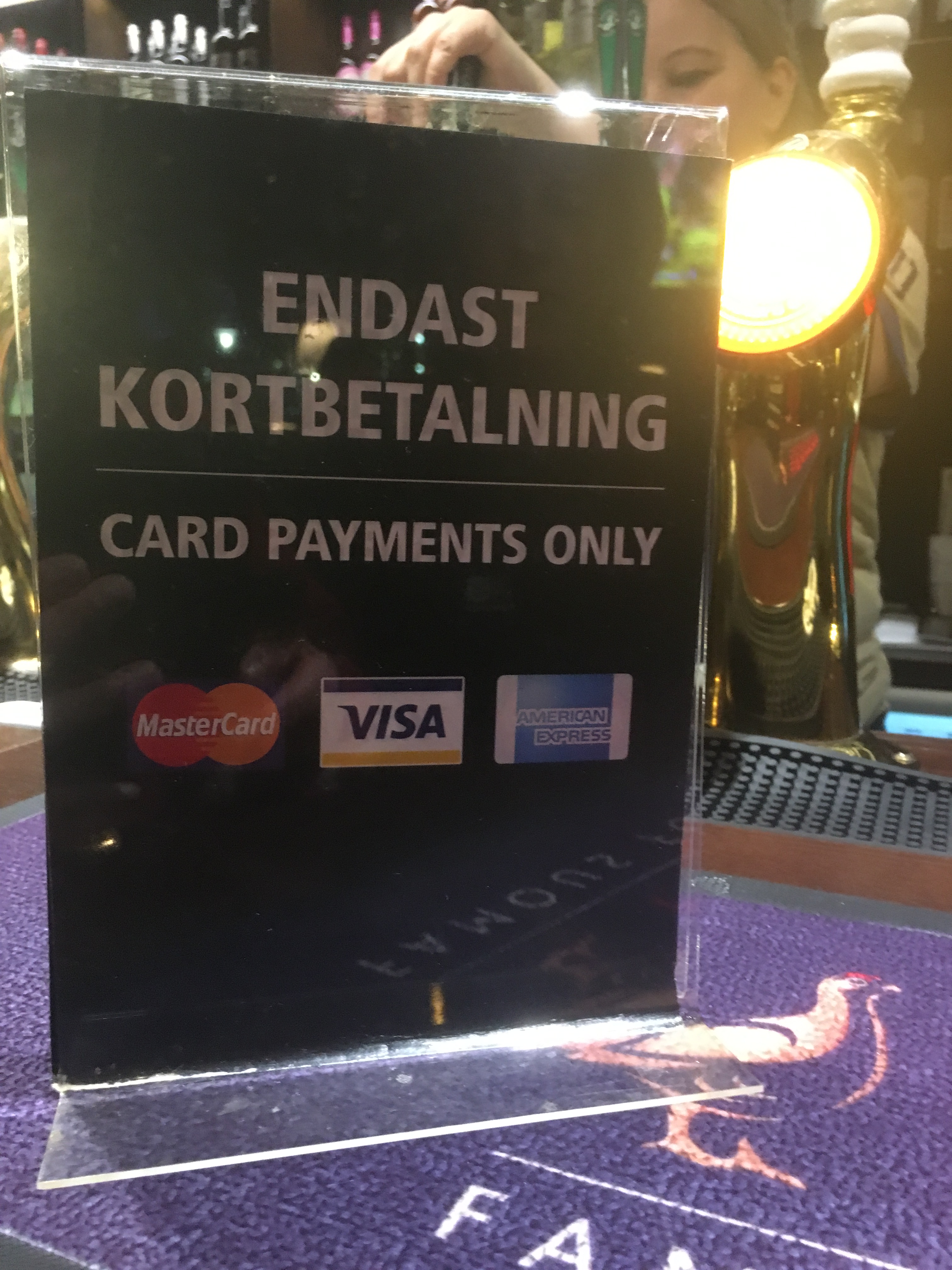
One thing to be aware is that Sweden is becoming a cashless society and a number of bars, hotels and restruants do not accept cash at all, so you will see the sign below often.
 Heather and Keith's travels