Opera House
The Sydney Opera House is one of the 20th century’s most famous and distinctive buildings. It was designed by Danish architect Jørn Utzon, the building was formally opened on 20 October 1973. The Government of New South Wales, led by the premier, Joseph Cahill, authorised work to begin in 1958 with Utzon directing construction. The government’s decision to build Utzon’s design is often overshadowed by circumstances that followed, including cost and scheduling overruns as well as the architect’s ultimate resignation.
The building and its surrounds occupy the whole of Bennelong Point on Sydney Harbour, between Sydney Cove and Farm Cove, adjacent to the Sydney central business district and the Royal Botanic Gardens, and close by the Sydney Harbour Bridge.
It’s pretty hard not to take multiple images of the opera house from every conceivable angle. We have limited this to a small number.
This picture us taken from the Rocks area which is directly under the Harbour Bridge.

This is taken from the Royal Botanic Gardens.
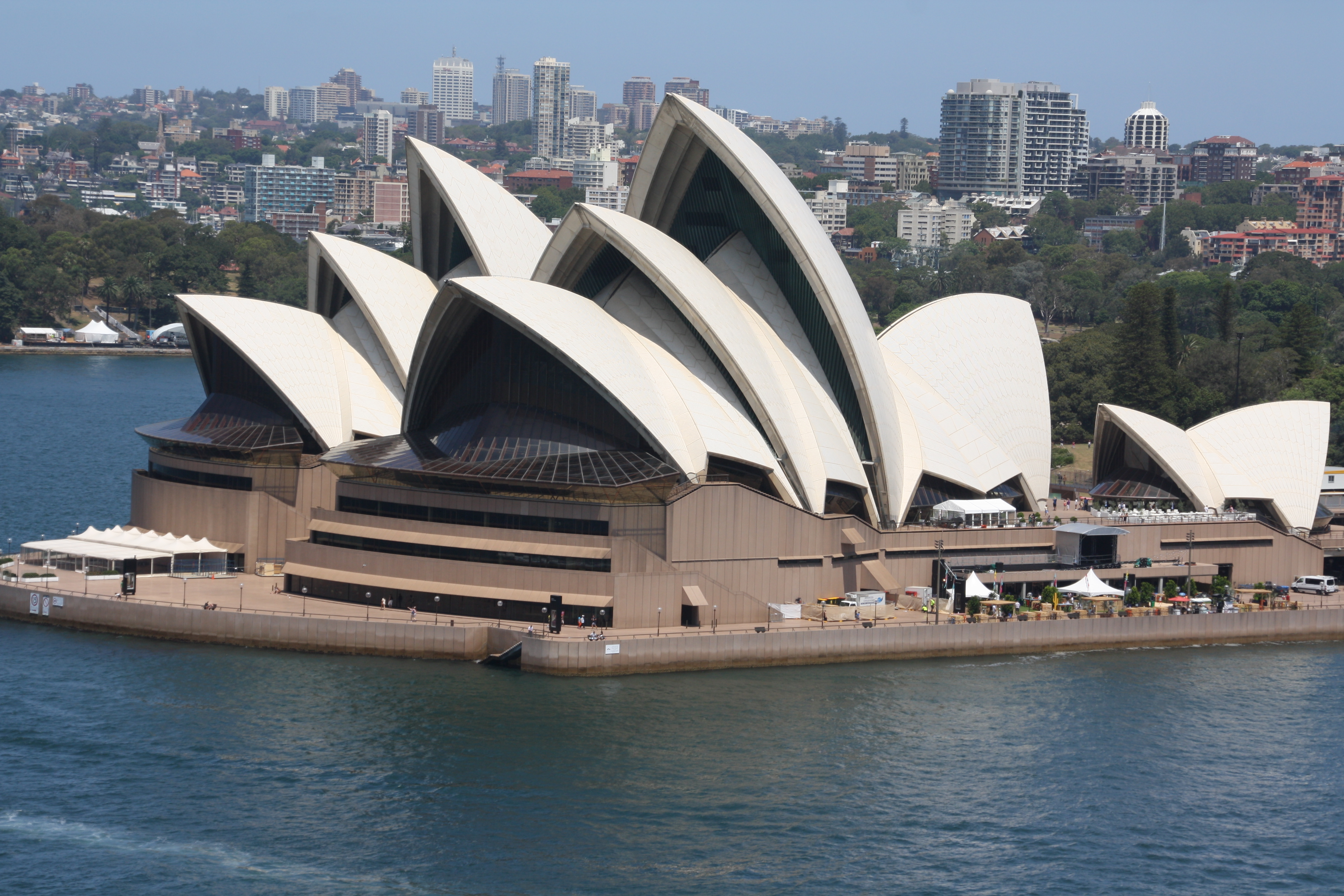
Like many people before we visited we thought that the Opera House was a single stage venue. We were very surprised to find that there are multiple theatres.
The inside is just as impressive as the outside.
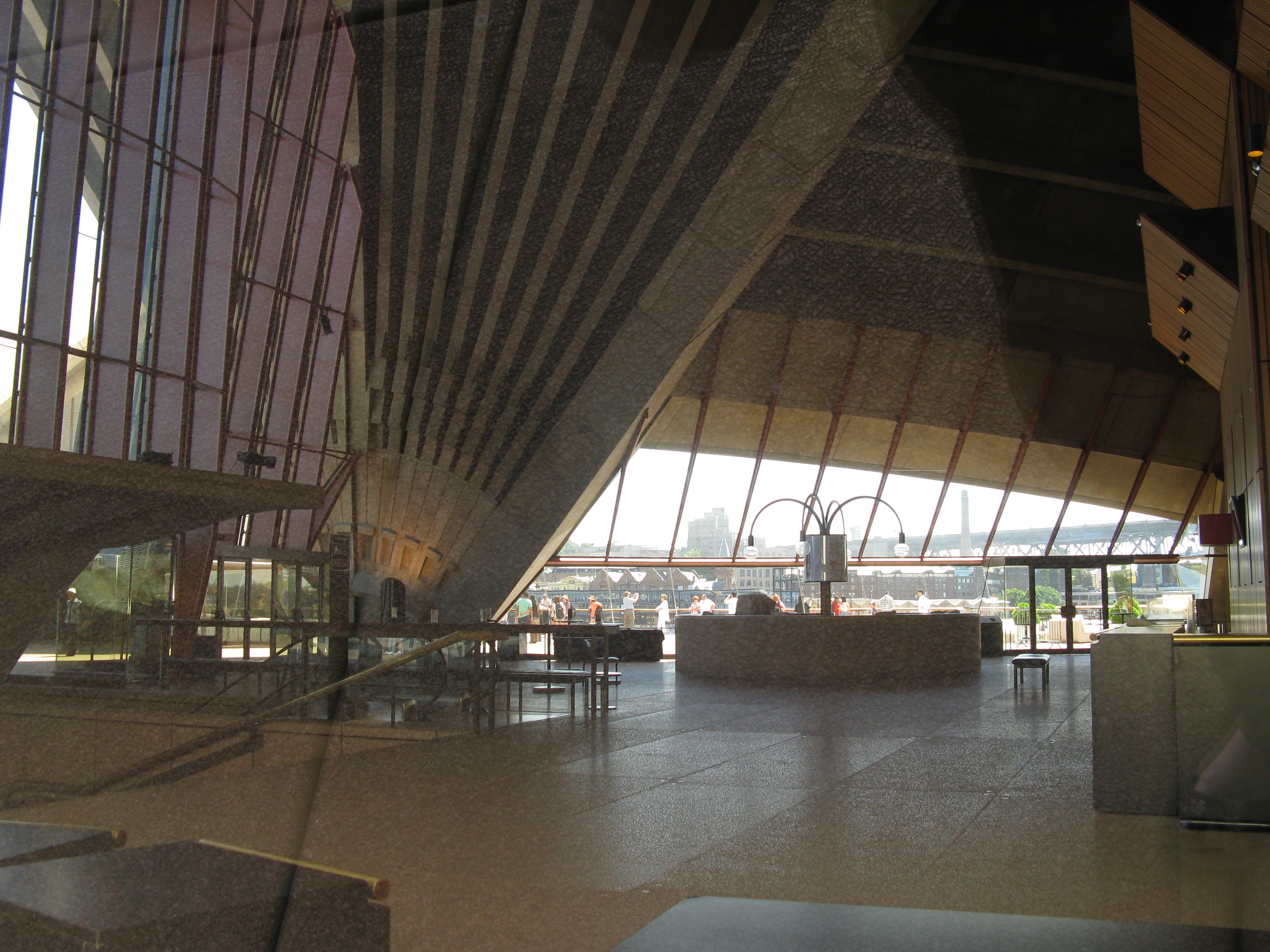
When we visited we saw First Aid Kit, got to confess we had never heard of them before and only went because it was a choice between them and Cirque du Soleil.

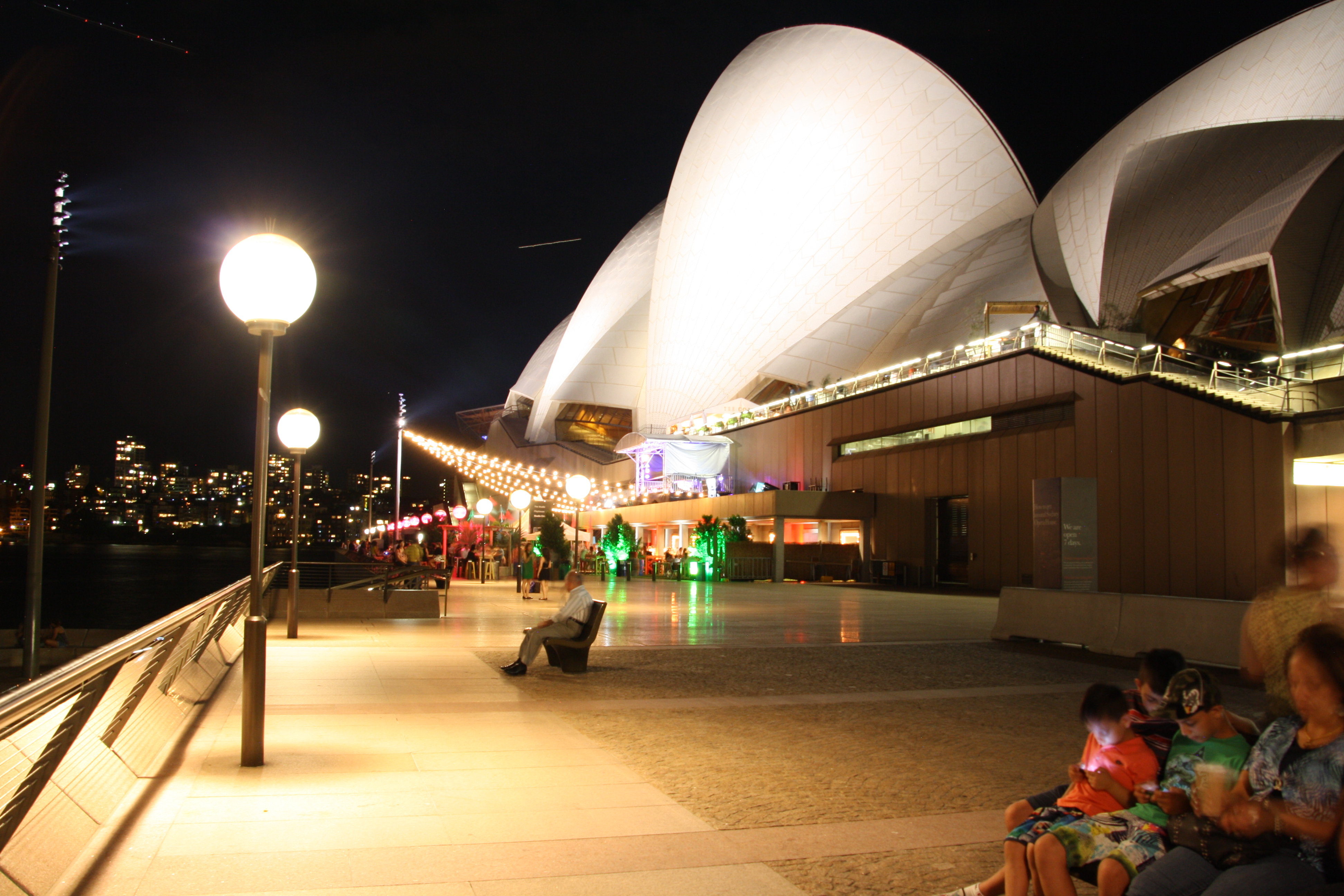
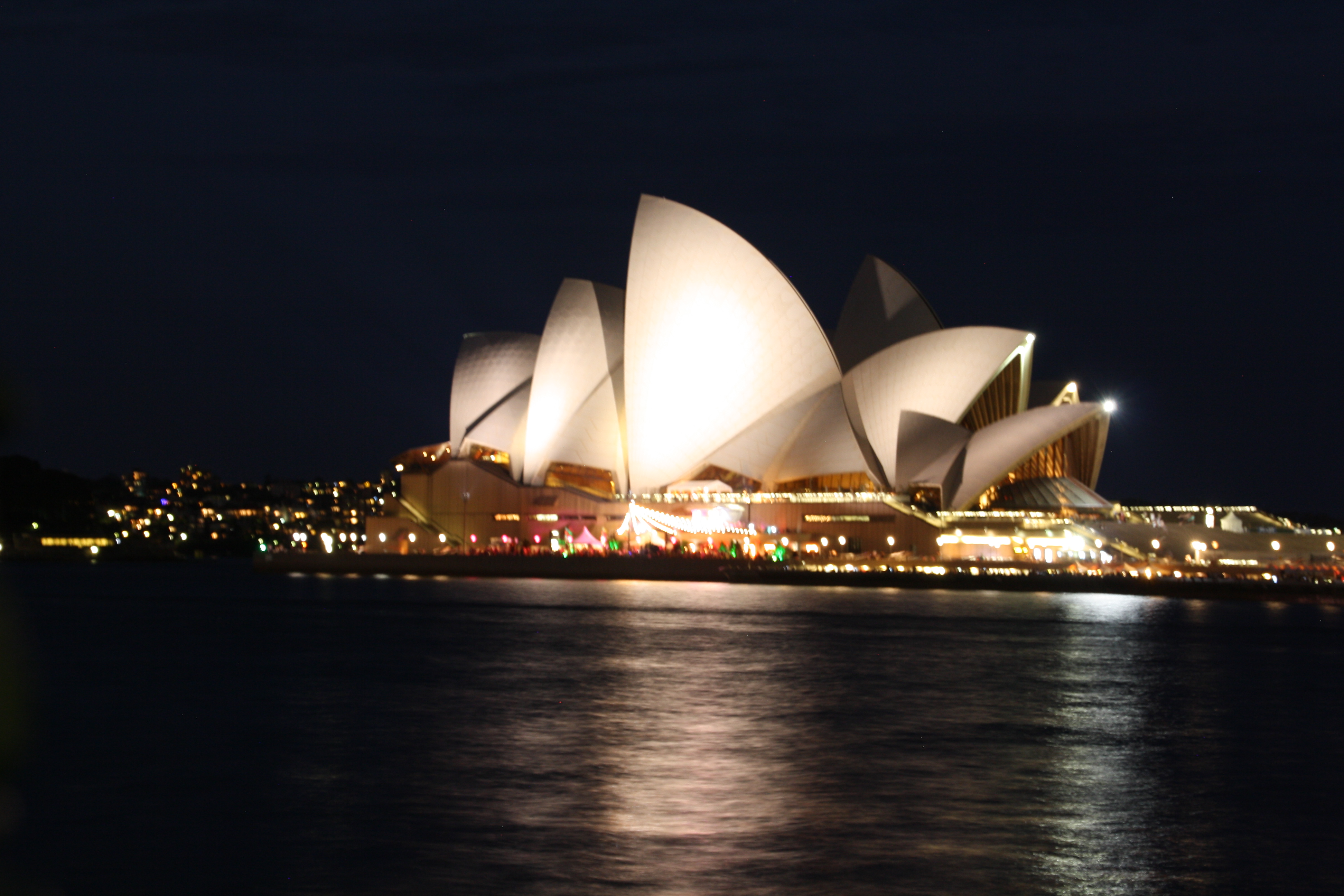
The opera house at night which captures the ethereal mood.
Sydney Harbour
It’s easy to see why Sydney Harbour is regarded as one of the most beautiful natural harbours in the world. It has more than 240 kilometres (150 miles) of shoreline, punctuated by unspoiled beaches, picturesque gardens and pockets of natural bush. It is also home to some of Australia’s big-name attractions, including the Sydney Opera House and Sydney Harbour Bridge.
Sydney Harbour Bridge
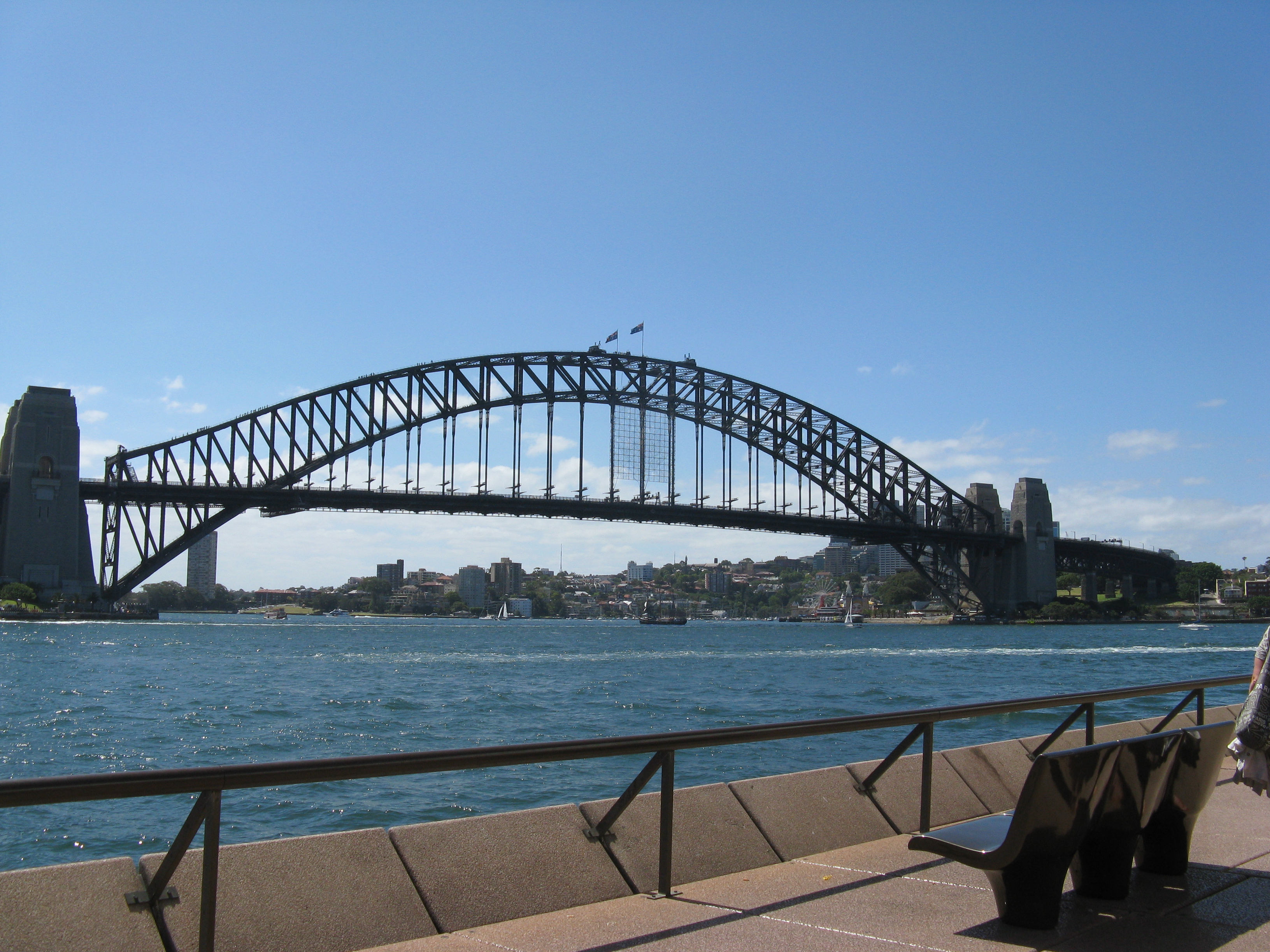
It is the largest steel arch bridge in the world. It is an iconic landmark spanning one of the finest natural harbours known to mankind. Opened in 1932, the bridge is fondly nicknamed the “Coat hanger” by Sydneysiders. You can walk and cycle across the bridge or climb to the top for stunning views.

This is taken from near the opera house.
At night when the bridge us lit up and there is a smile in the middle.

One activity in Sydney is to walk across the top of the bridge, Keith didn’t fancy it or maybe it was the £150.00 fee.

The Rocks
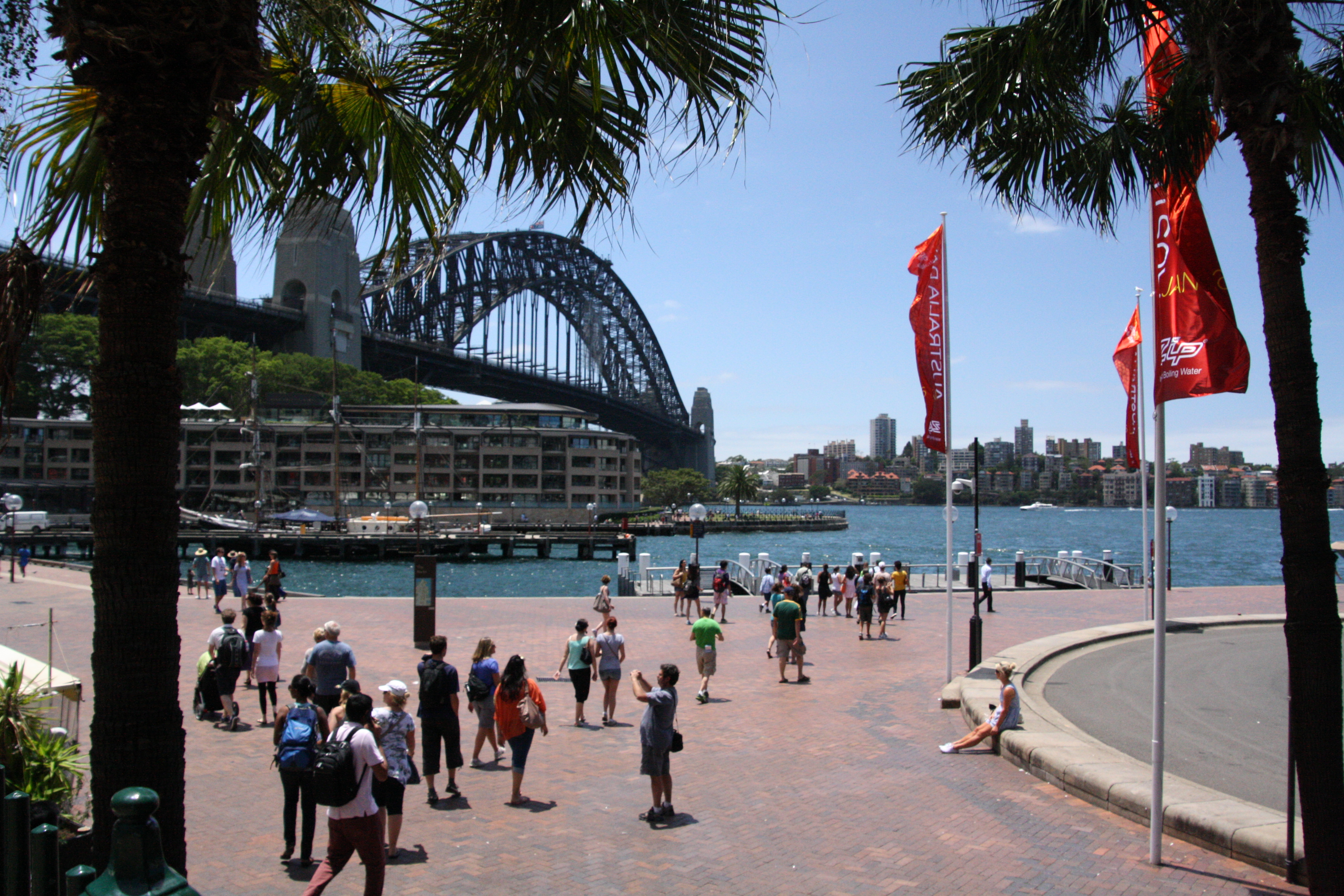
This is the oldest part of Sydney which became established shortly after the colony’s formation in 1788. This is situated just under the harbour.
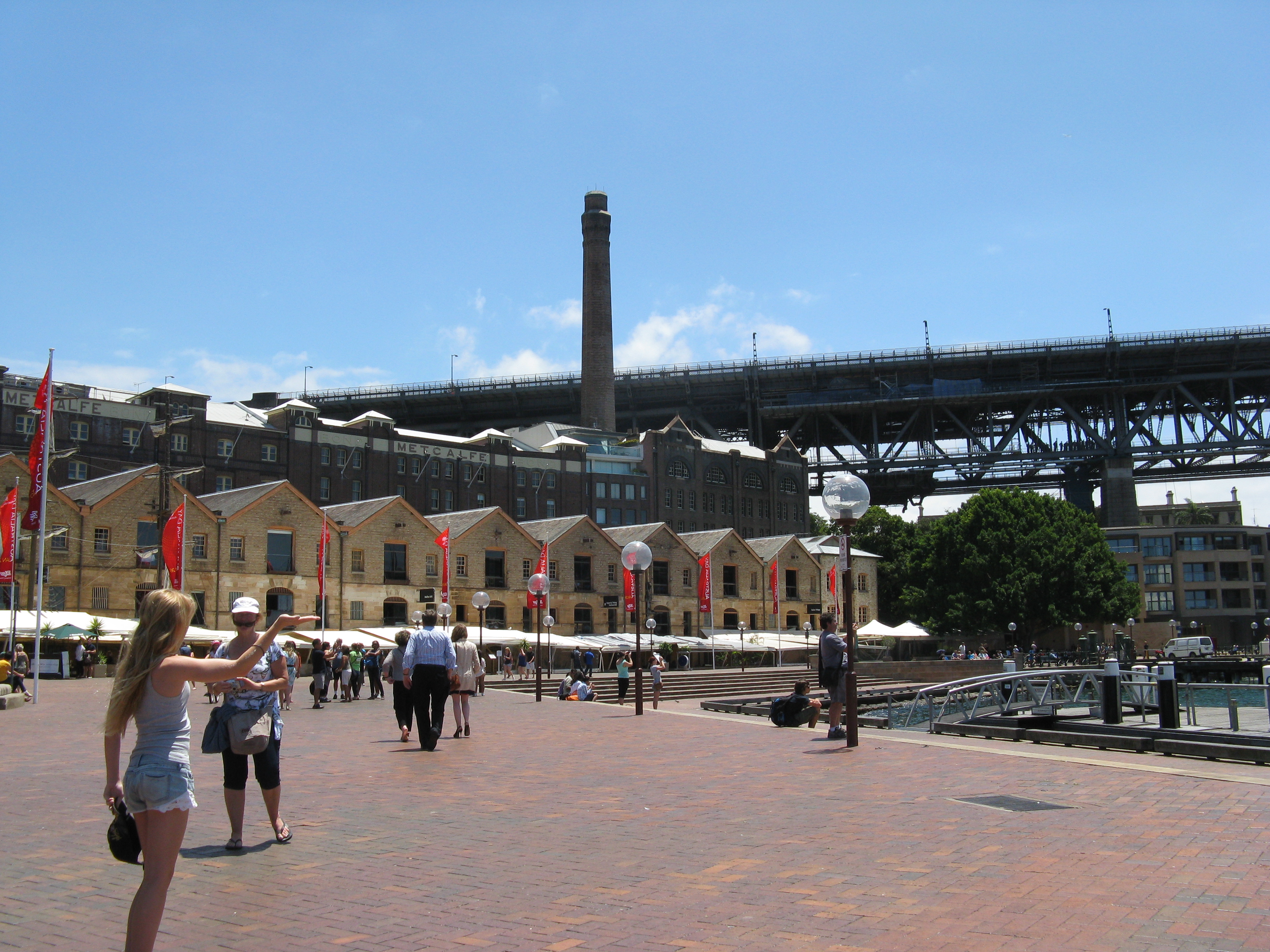
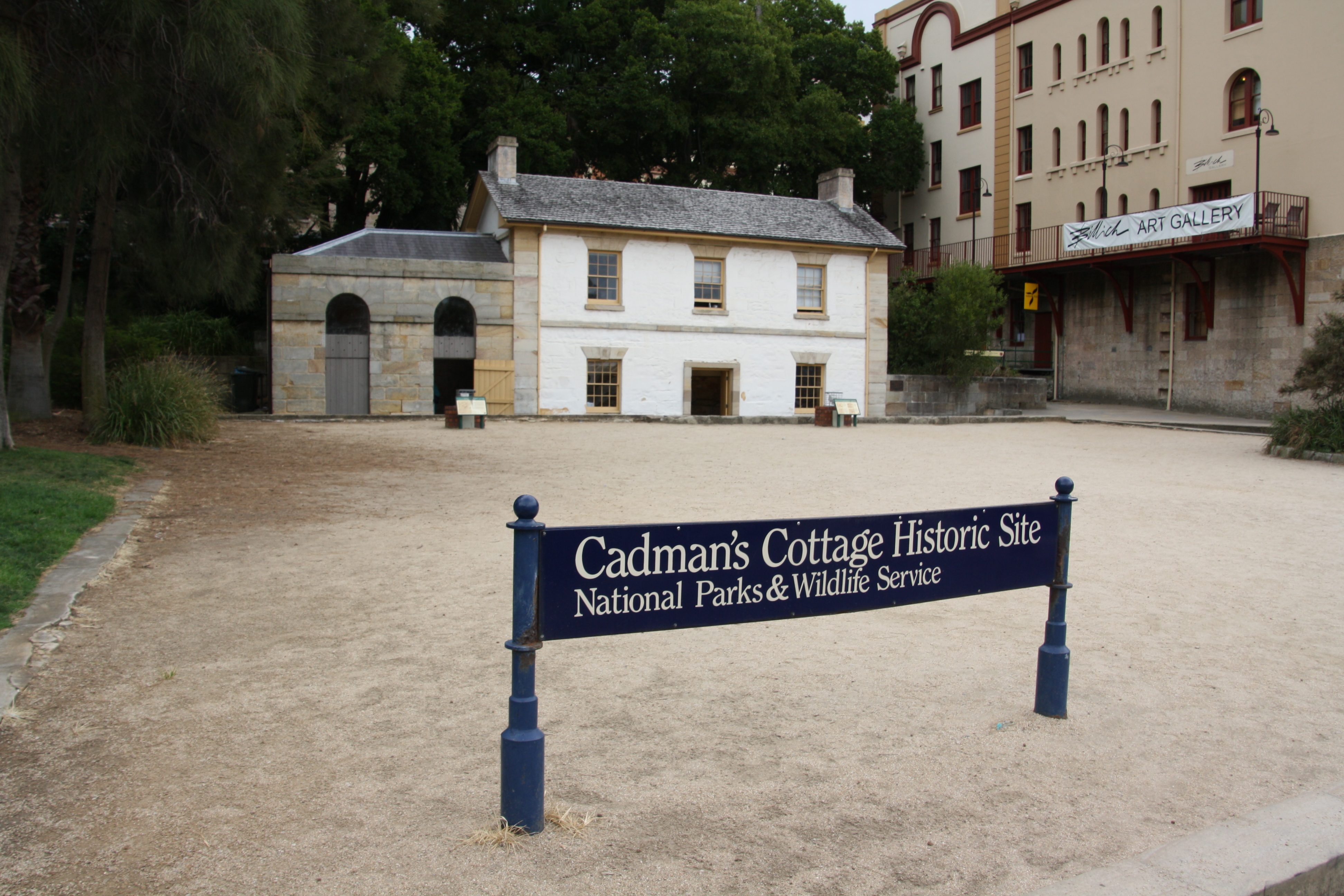
One of the oldest buildings in Sydney.
The rocks area today, probably not changed in hundred years.

Bondi Beach
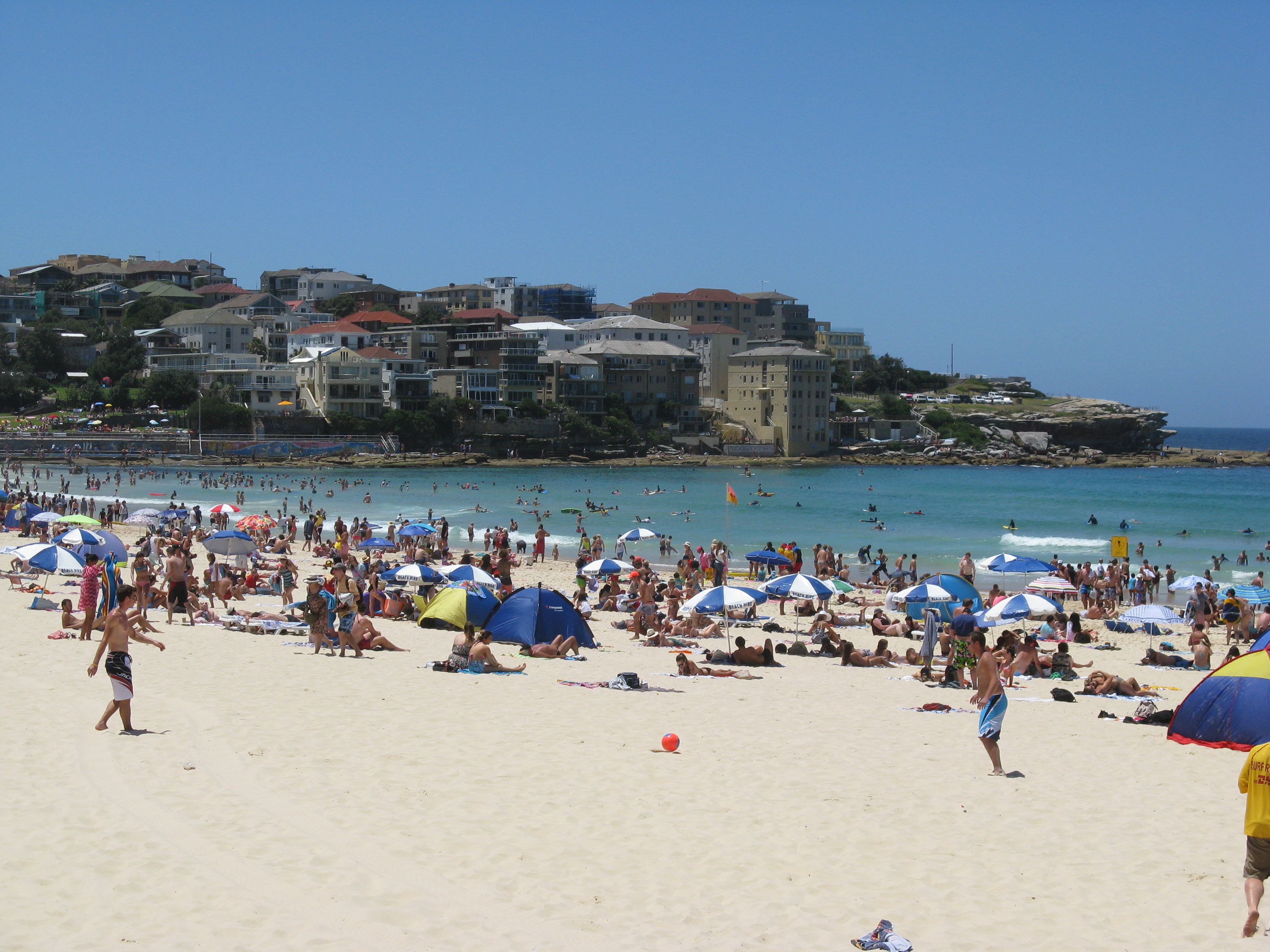
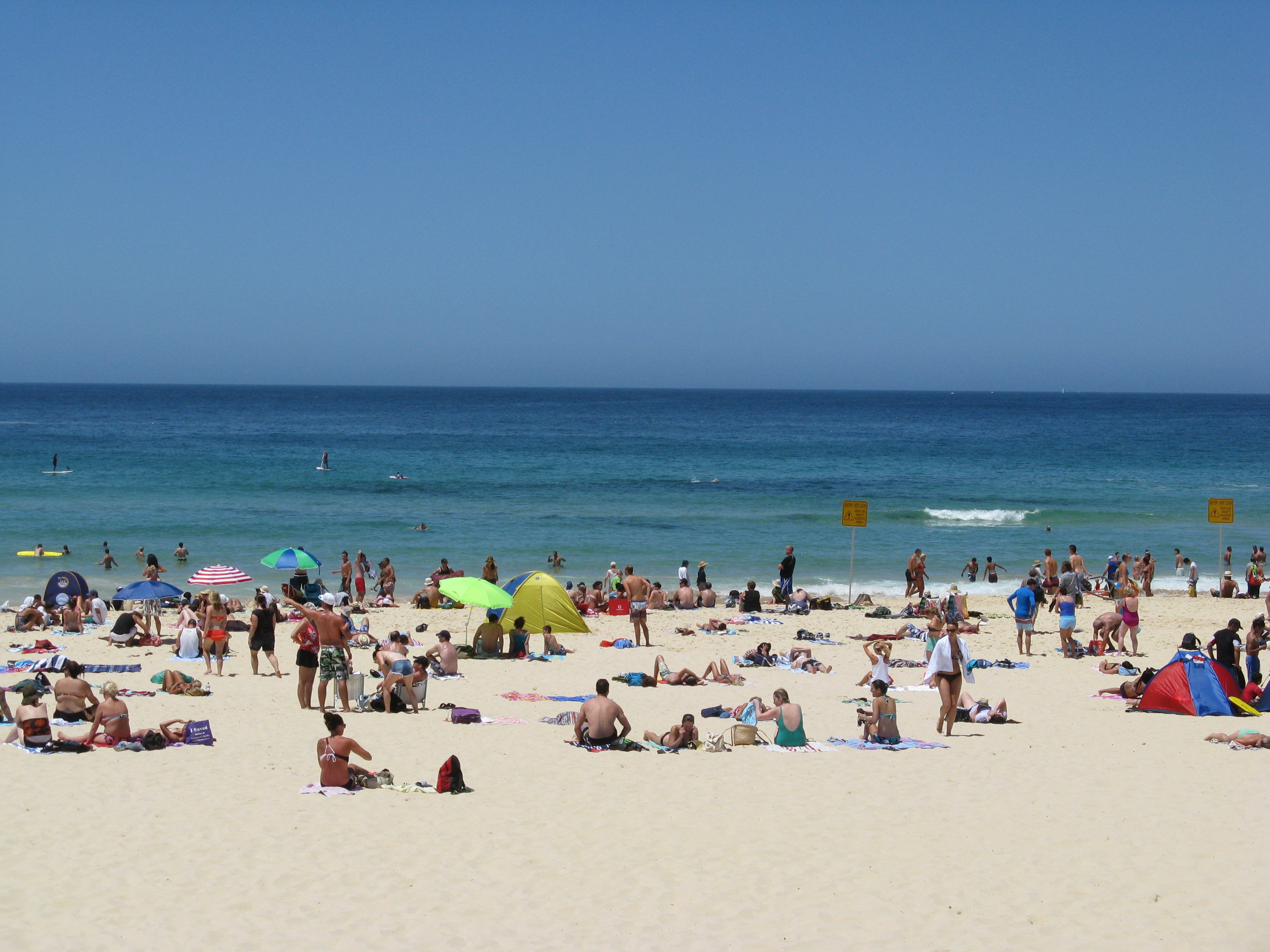
The sweeping white-sand crescent of Bondi is one of Australia’s most iconic beaches. Reliable waves draw surfers while, nearby, hardy locals swim in the Icebergs ocean pool year-round.
What a way to celebrate my (Keith’s) 50th birthday heading down to Bondi beach and when you get there it is so exciting.
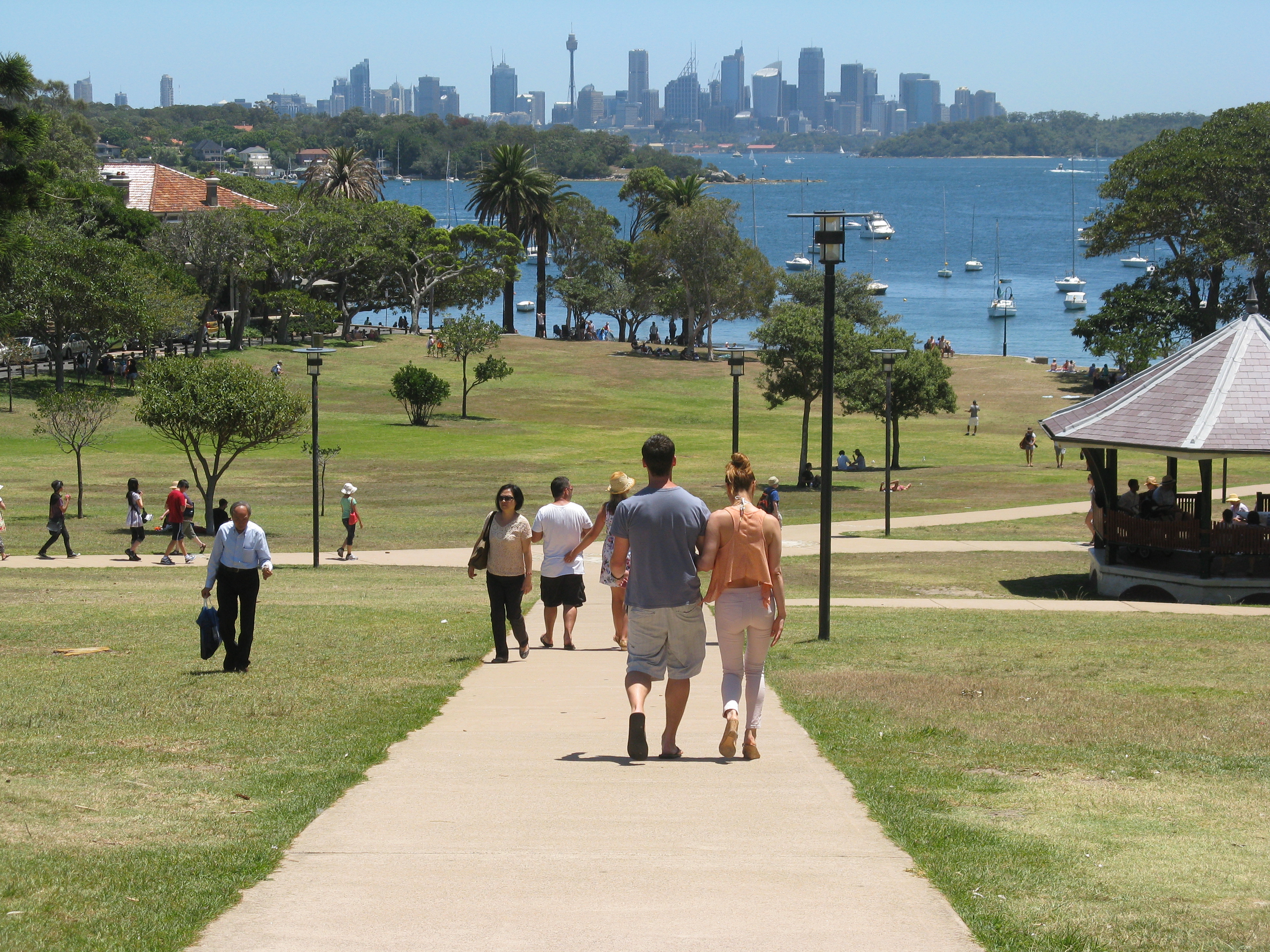


Manly Beach
Manly Beach is situated among the Northern Beaches of Sydney. From north to south, the three main sections are Queenscliff, North Steyne, and South Steyne.
Manly centre at lunchtime.
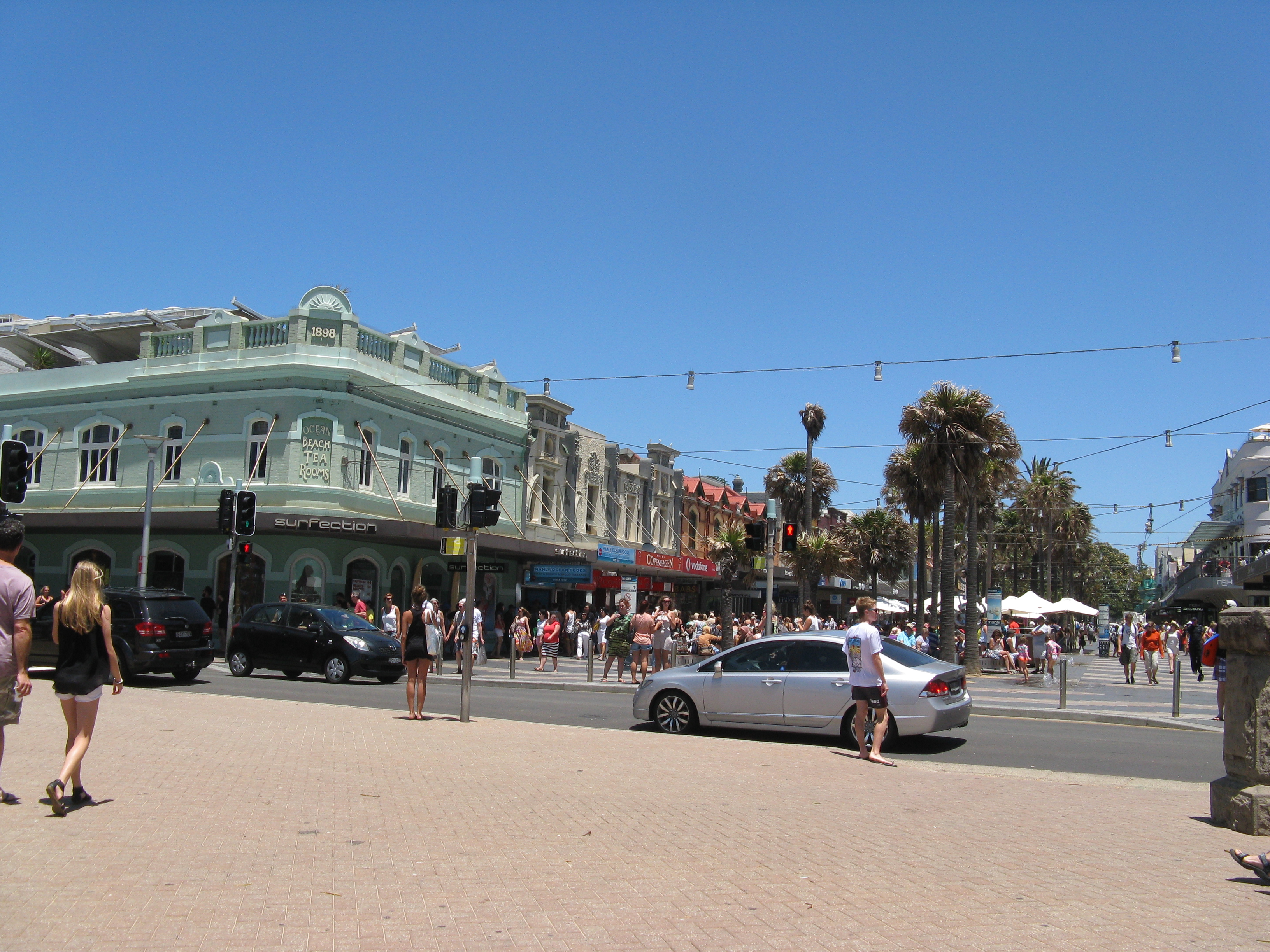
Looking for a cold beer and lunch, this could be Greece apart from the signs are in English.
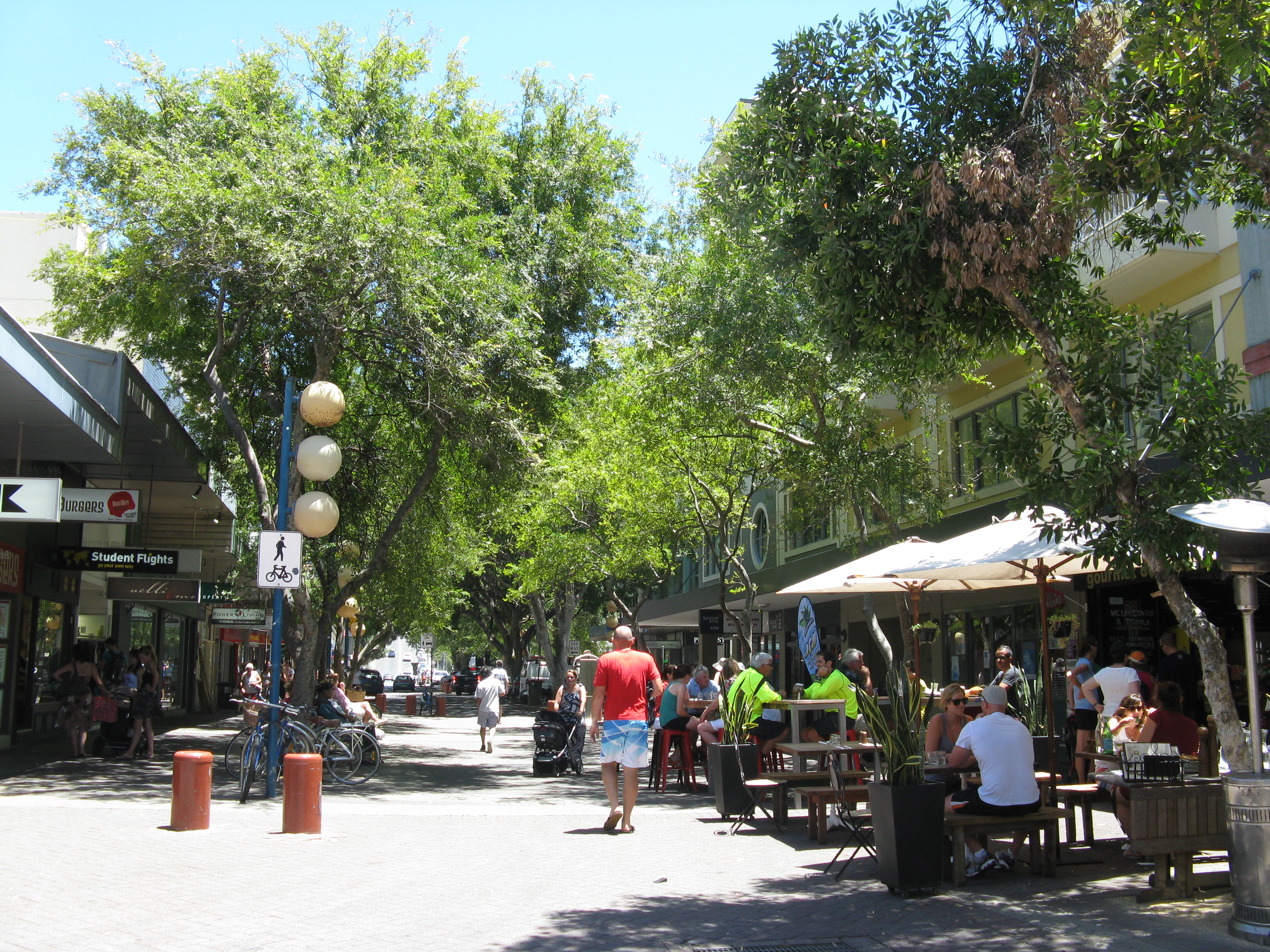
January in the sun, it’s still a strange concept.

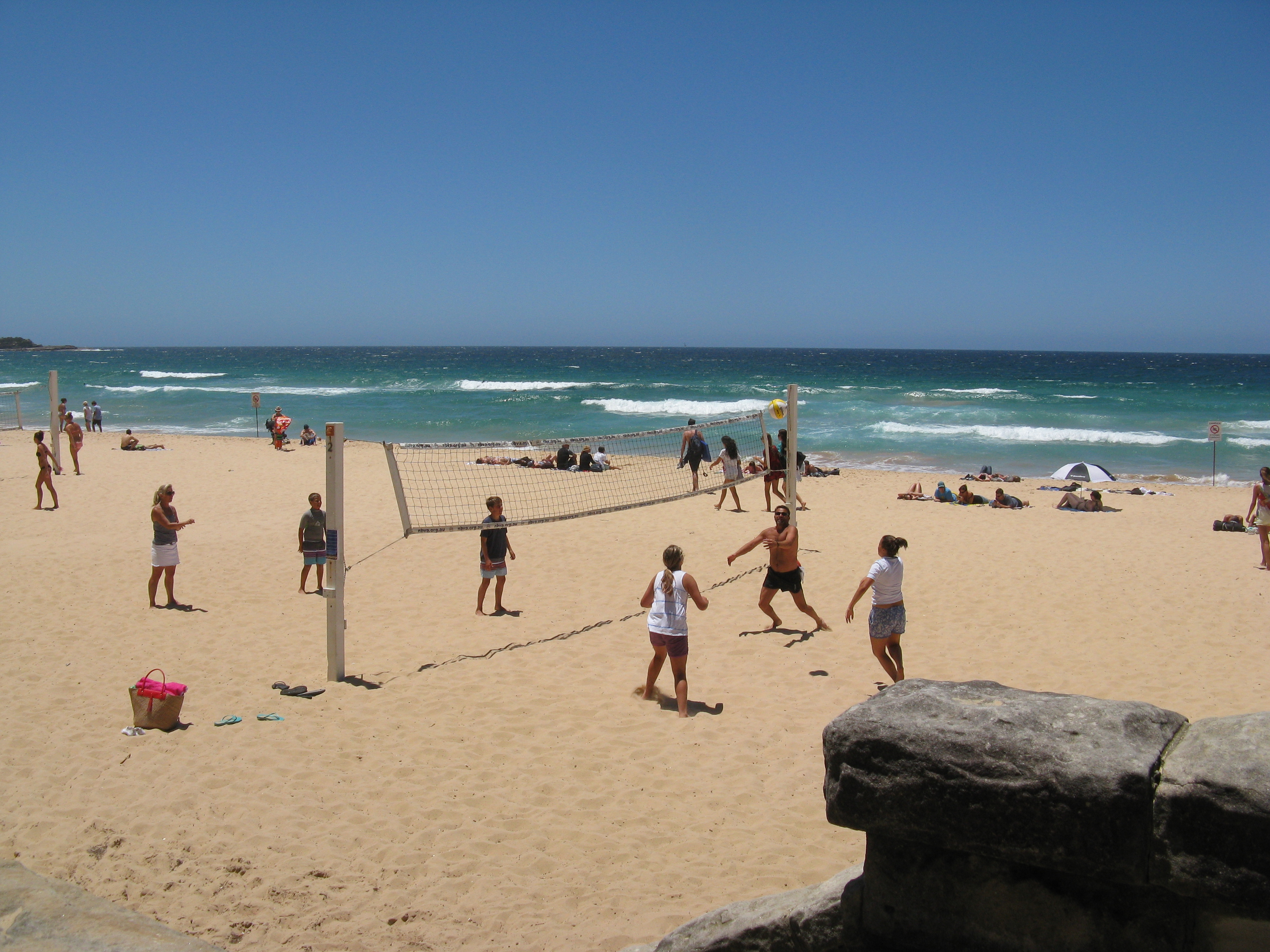
Beach volleyball – people practicing for the next Olympics.
Royal Botanic Gardens
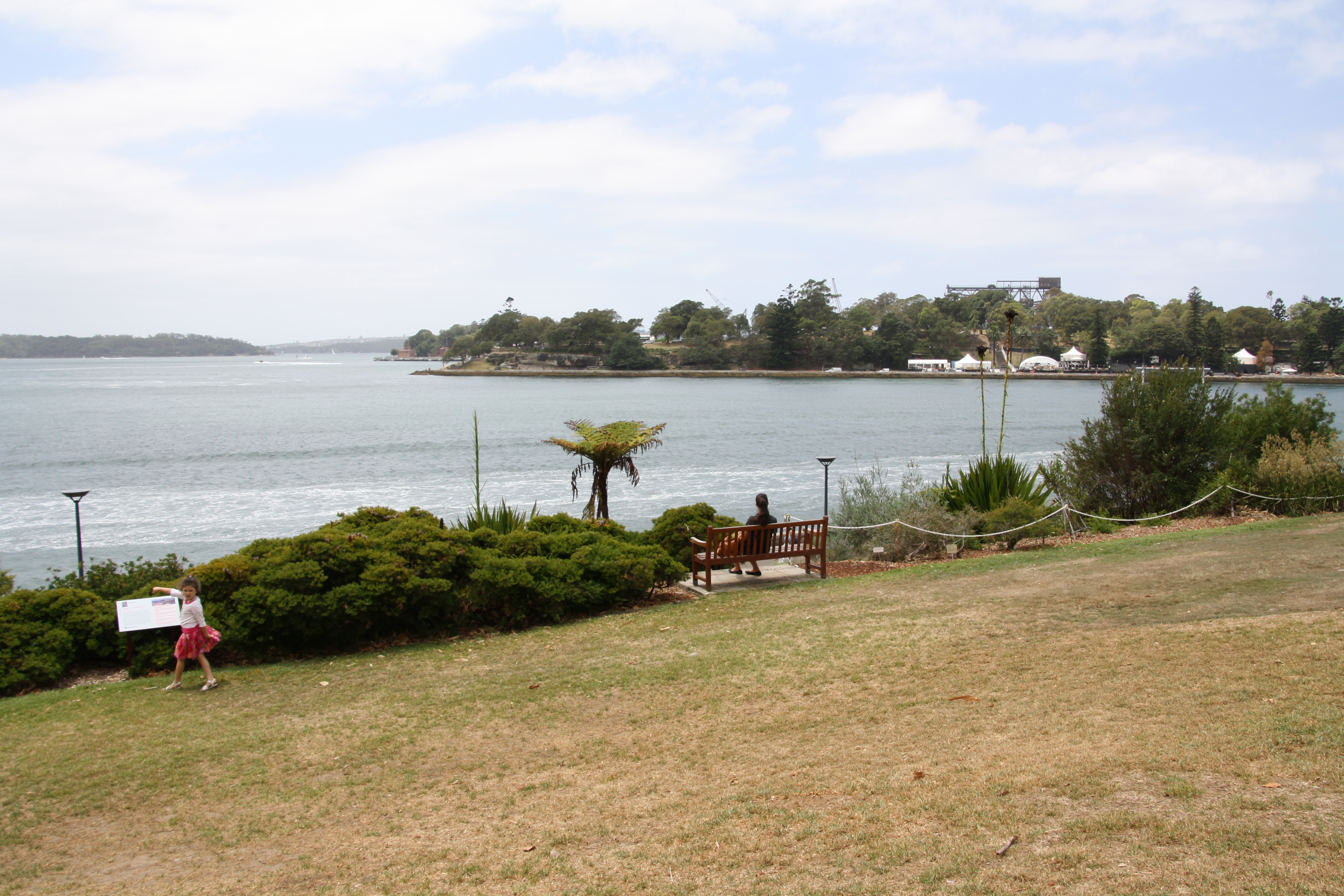
Royal Botanic Gardens is an oasis of 30 hectares in the heart of the city which was established in 1816 and is the oldest scientific institution in Australia. It is home to an outstanding collection of plants from Australia and overseas. Wrapped around Farm Cove at the edge of Sydney Harbour, the Royal Botanic Gardens occupy one of Sydney’s most spectacular positions.
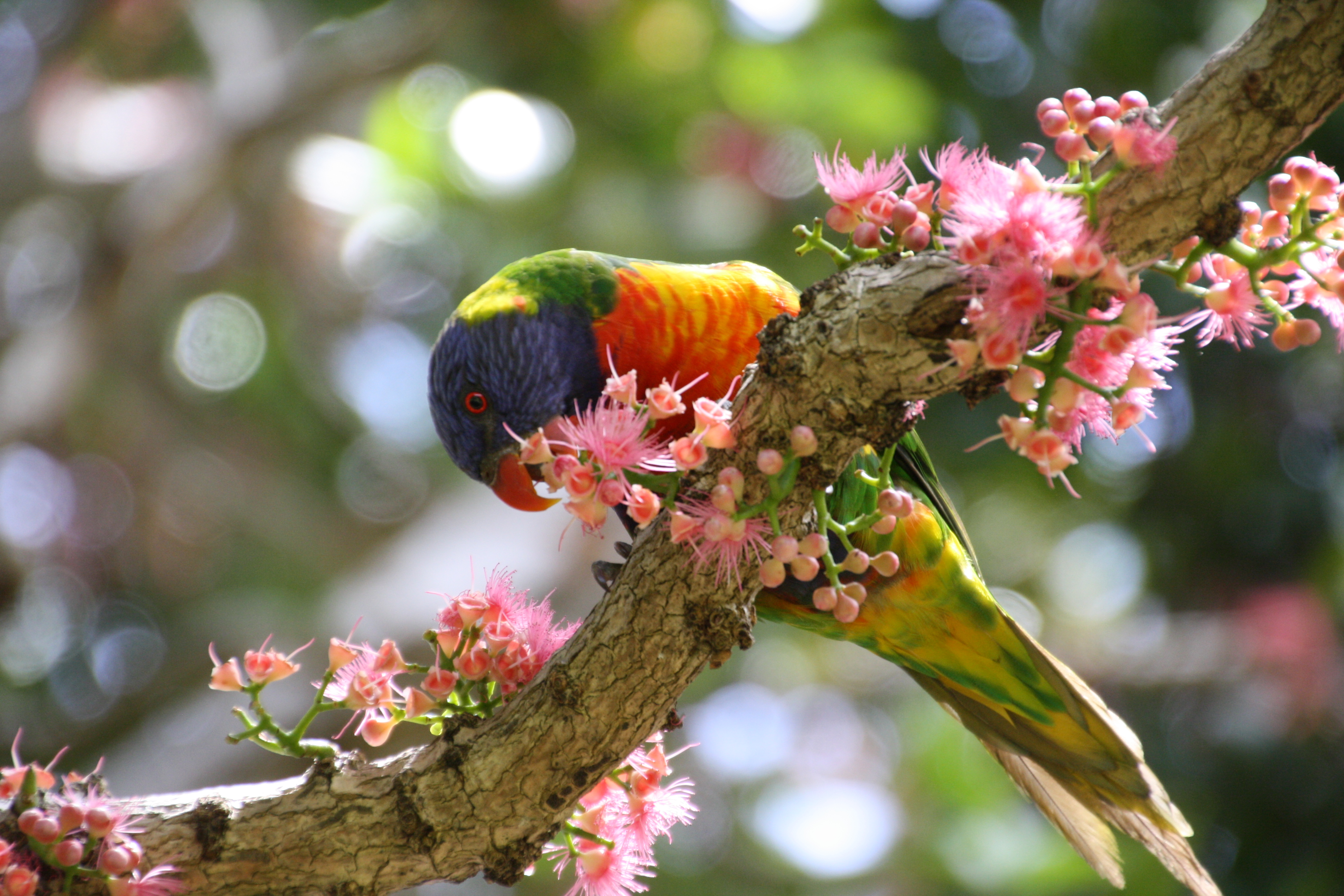
It’s hard to believe that there are Parakeets so close to the city.
Obviously it gets very windy, this tree fell over.

The gardens are free to enter and a great place to spend some time.
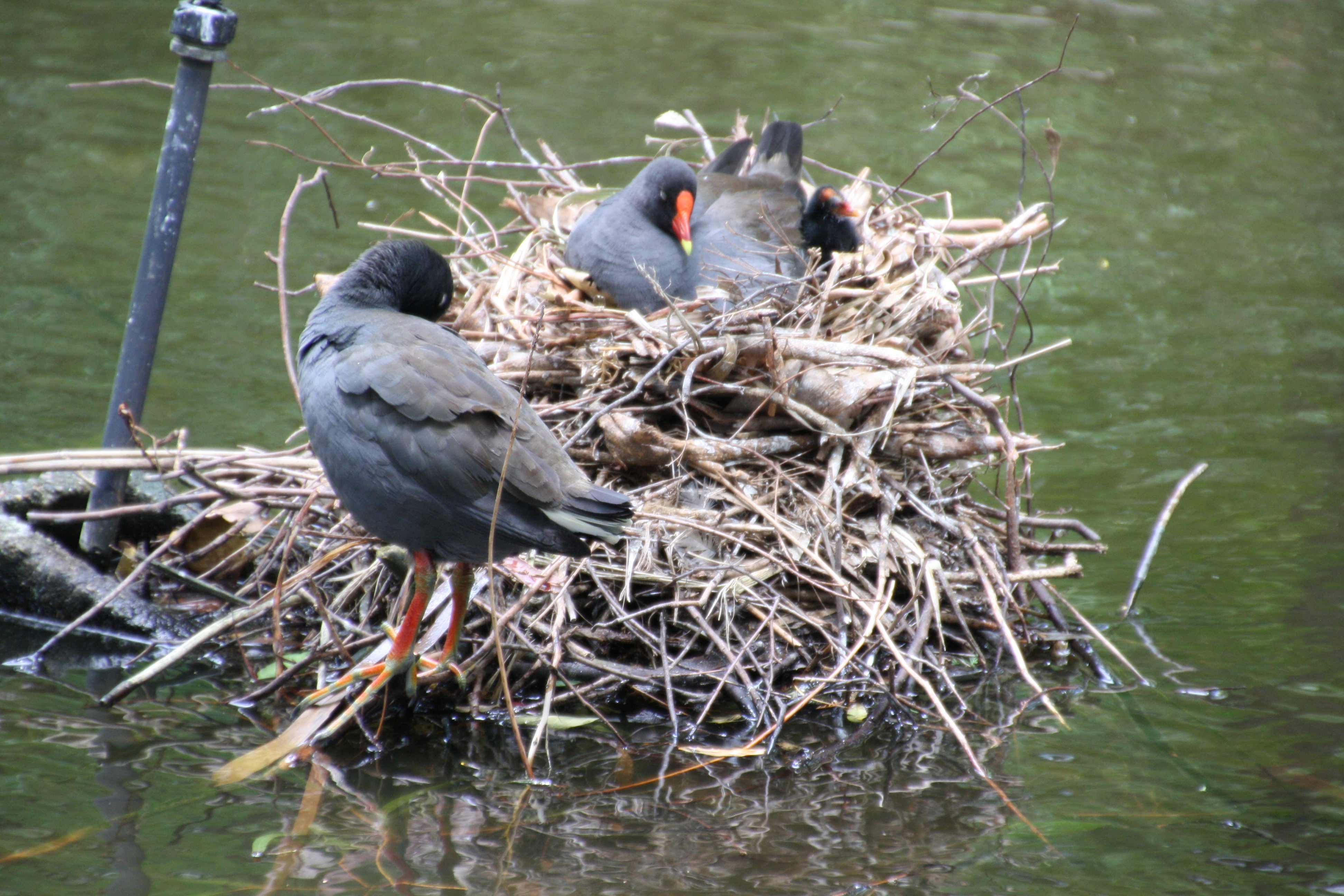
How to stop you main predators, build a nest on water.
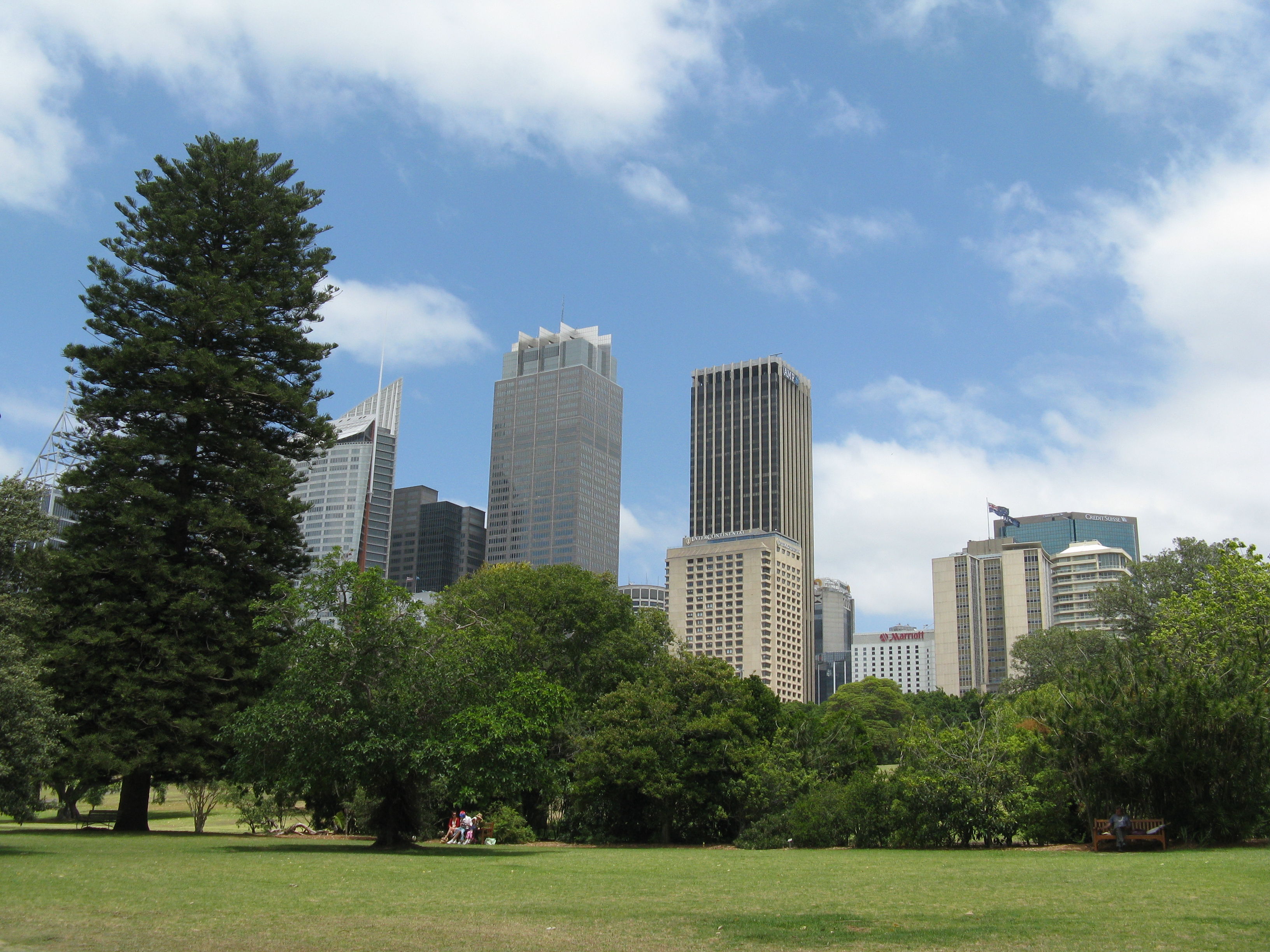
The gardens give a great foreground to the central business district.
Sydney Cricket Ground (SCG)
The Sydney Cricket Ground is used for Test, One Day International and Twenty20 cricket, as well as Australian rules football, rugby league football, rugby union, and association football.
It’s the home ground of the Sydney Sixers who play in the Big Bash (BBL) Twenty20 tournament. In BBL 10 (2020-2021 season) Sydney Sixers won the tournament with the final played at the SCG. The player of the match was Englishman James Vince who scored 95.
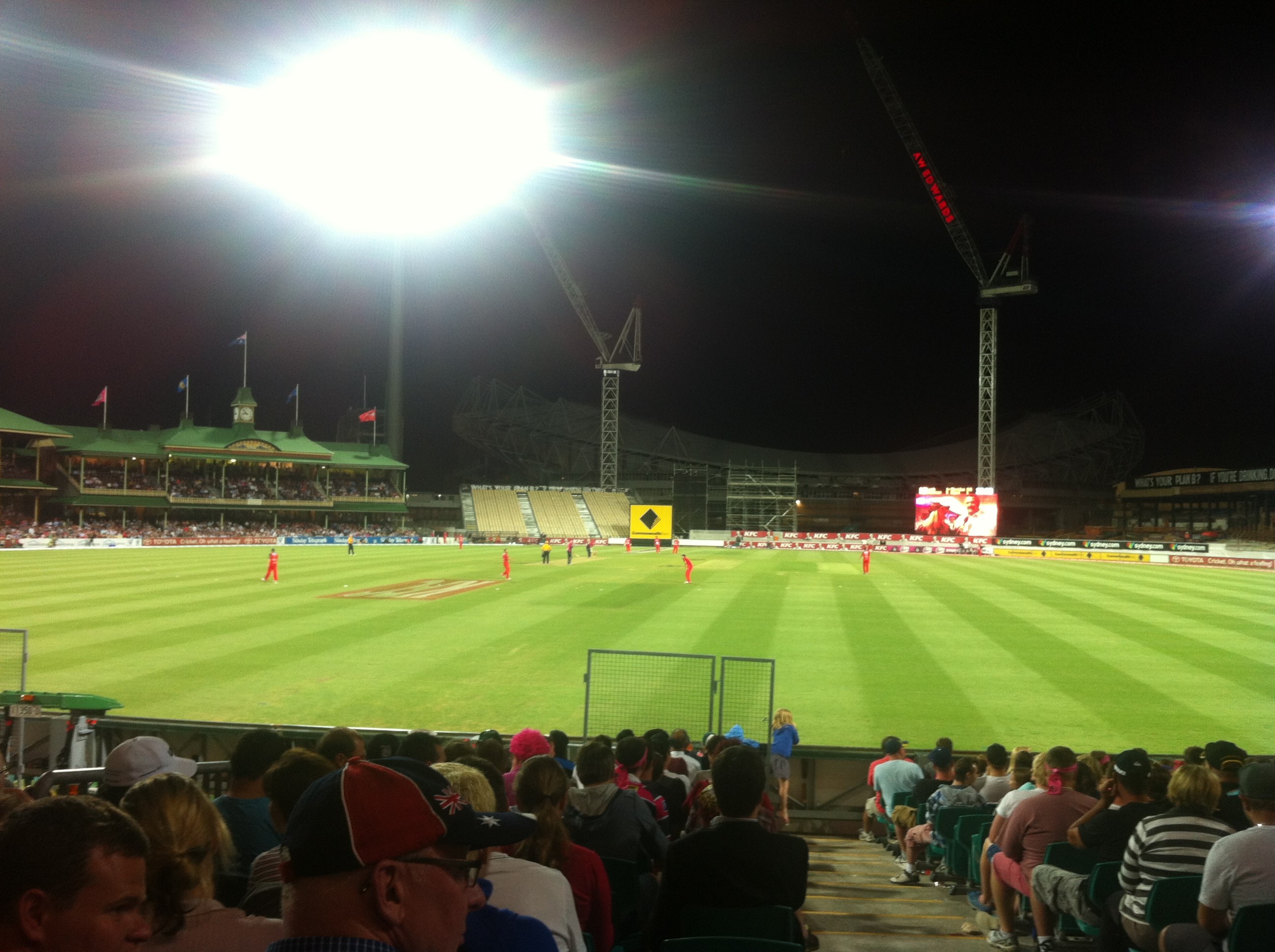
We went to the SCG on 9th January 2013 to watch the BBL 02 match, Sixers against the Melbourne Renegades. As is normally the case when we go to watch something the home team lost. The player of the match was Englishman Alex Hales who scored 89.
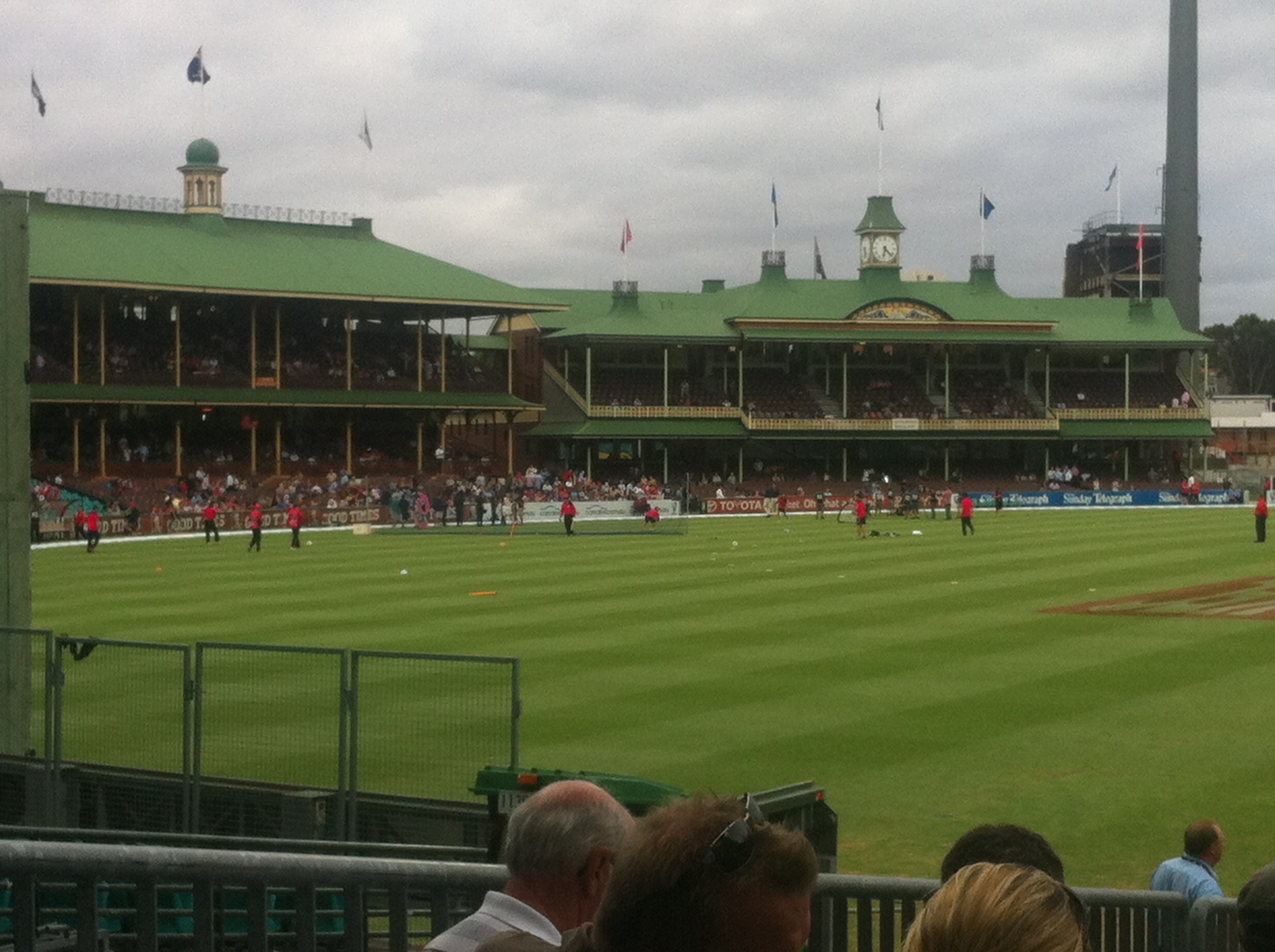
The famous SCG pavilion.
This was our first ever Twenty20 game, it was amazing watching cricket played a night drinking a light beer.
Sydney Tower
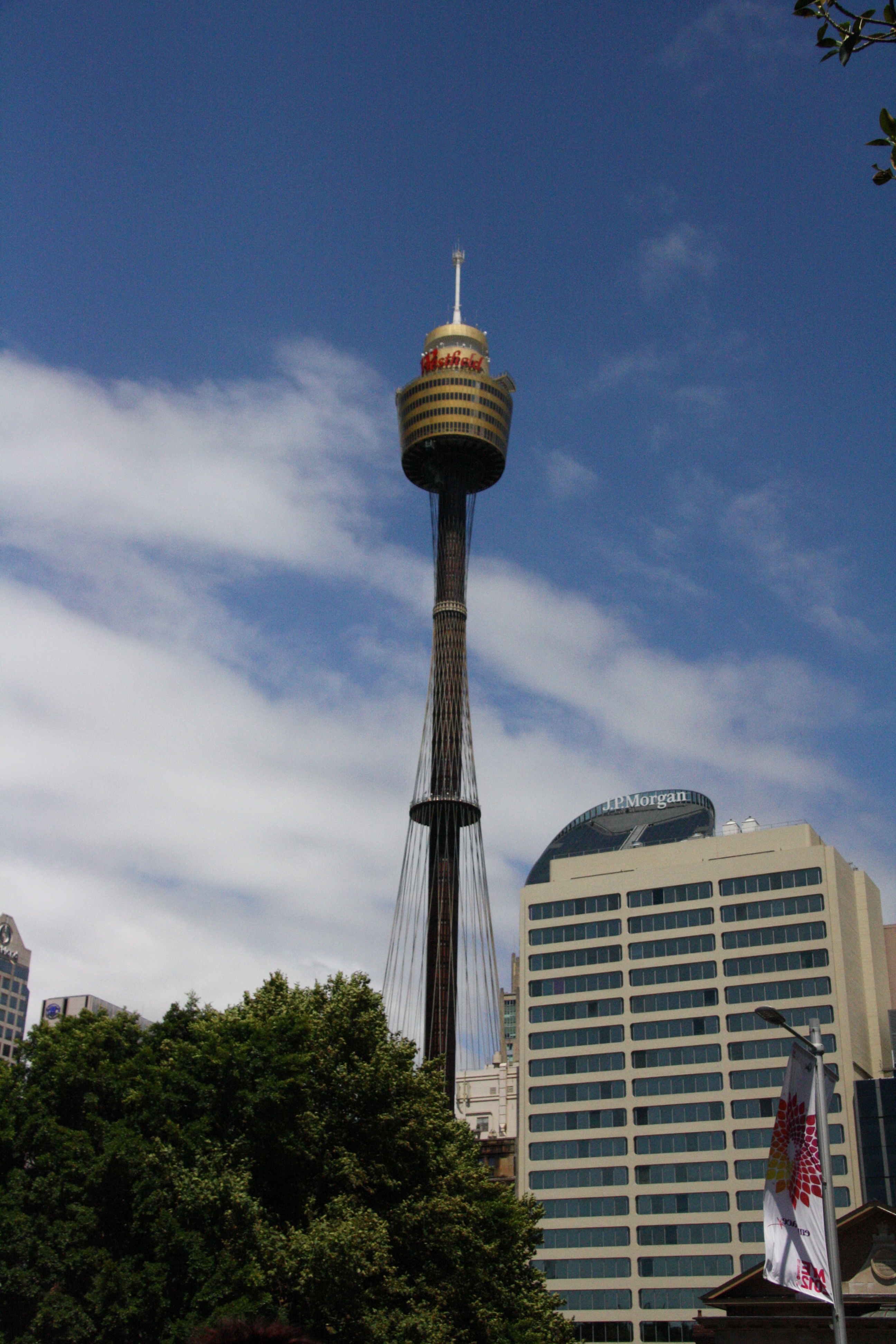
Sydney Tower, also known as Westfield Tower, is Sydney’s tallest structure and the second tallest observation tower in the Southern Hemisphere, well it was in 2013.
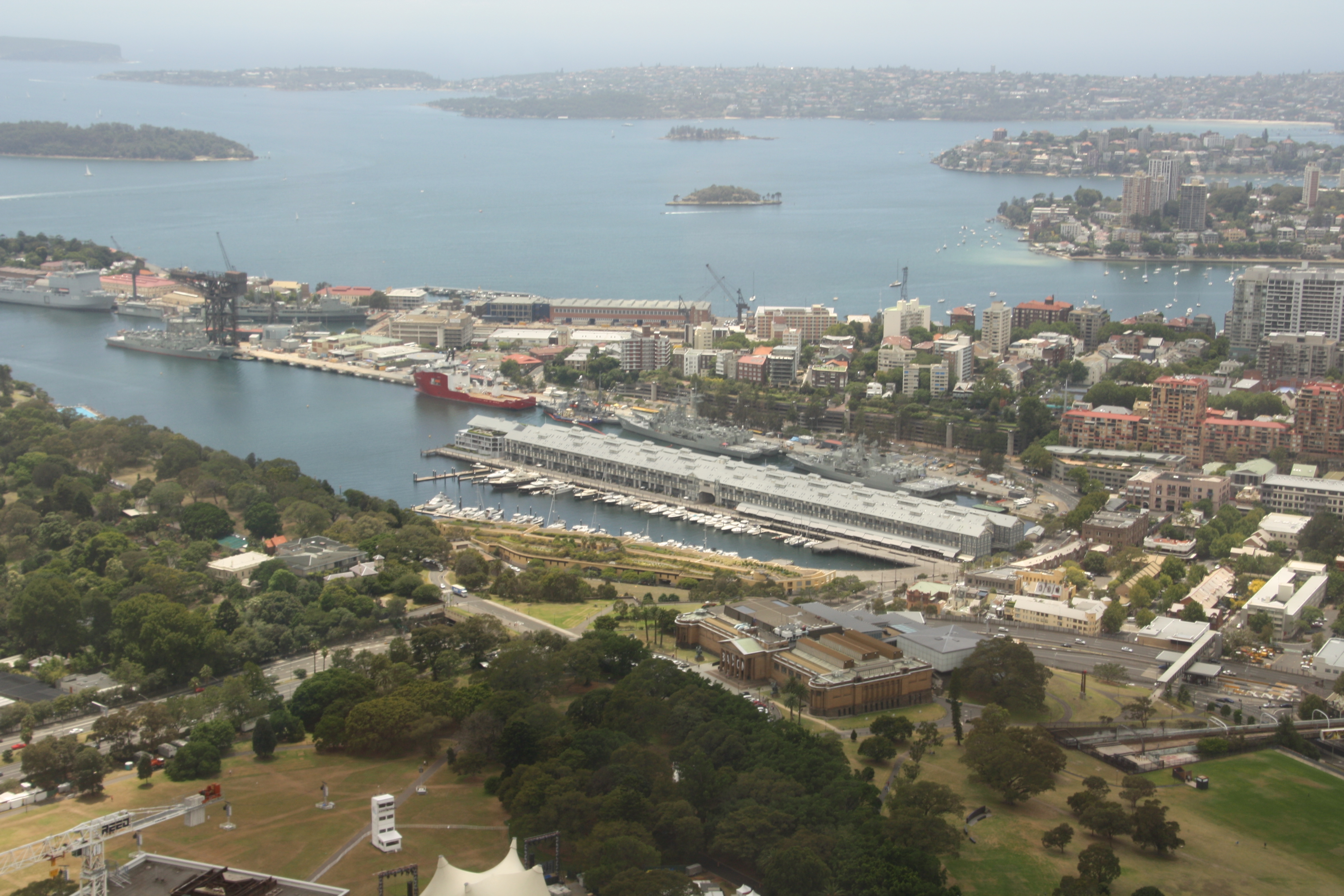
A view from the tower showing the fingers of the harbour.
A view of the Olympic statdium

Anzac memorial
The Anzac Memorial is a heritage-listed war memorial, museum and monument located in Hyde Park South near Liverpool Street in Sydney, not to be confused with london. It is also known as Anzac War Memorial, War Memorial Hyde Park and Hyde Park Memorial. It was built as a memorial to the Australian Imperial Force of World War I.
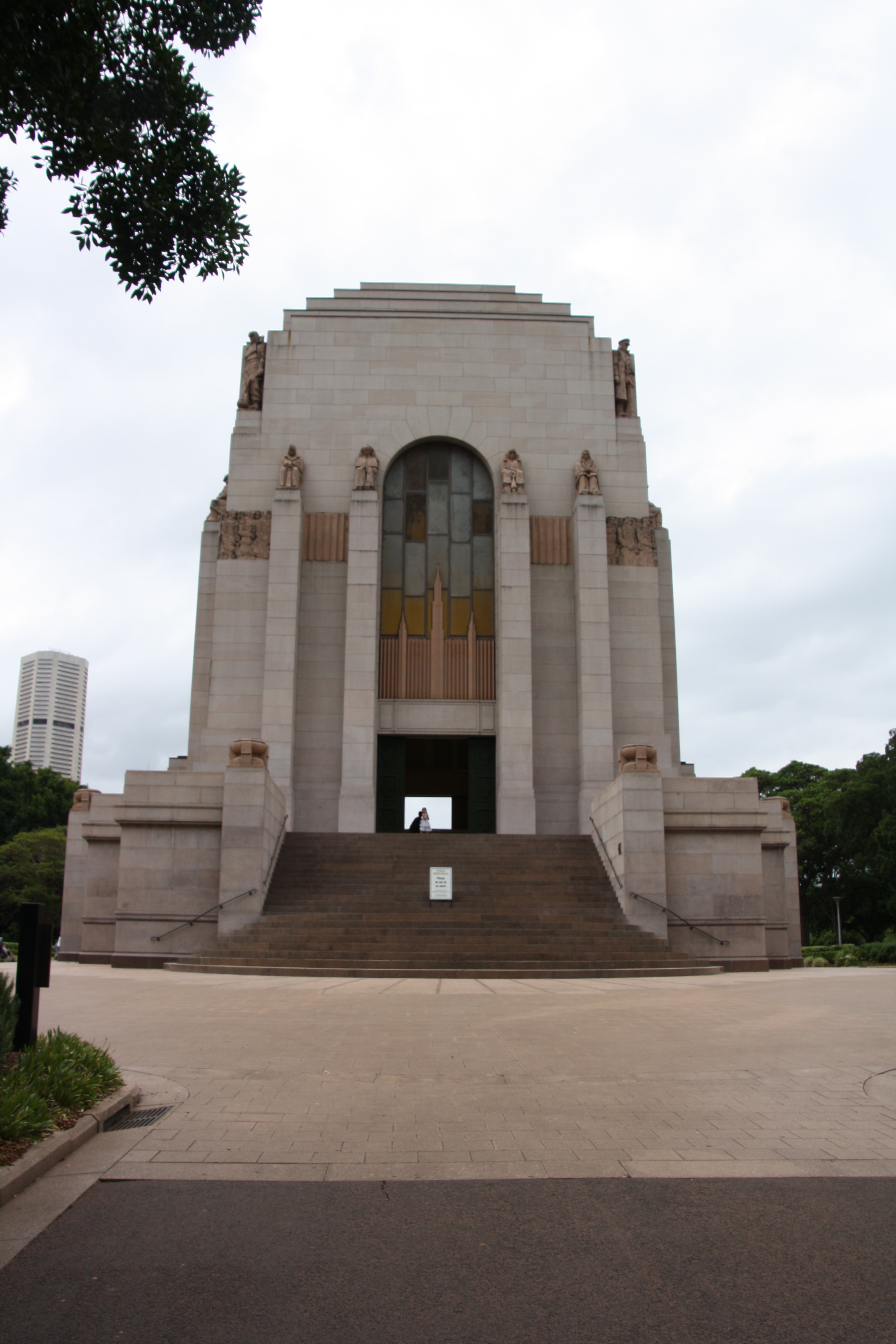
St Mary’s Cathedral
The Cathedral Church and Minor Basilica of the Immaculate Mother of God, Help of Christians is the cathedral church of the Roman Catholic Archdiocese of Sydney. This is located at St Mary’s Cathedral

Statue sitting proud in front of the Cathedral.

Cockatoo Island
This is a UNESCO World Heritage Site, is located at the junction of the Parramatta and Lane Cove rivers, in Sydney Harbour.
Cockatoo Island is the largest of several islands that were originally heavily timbered sandstone knolls. Between 1839 and 1869, Cockatoo Island operated as a convict penal establishment, primarily as a place of secondary punishment for convicts who had re-offended in the colonies.
This is one of the main buildings which has been preserved however, the majority have fallen in to disrepair. When you go in these it is so eerie, the only thing that you can hear are birds flying around in the rafters. When we went there was no one around.
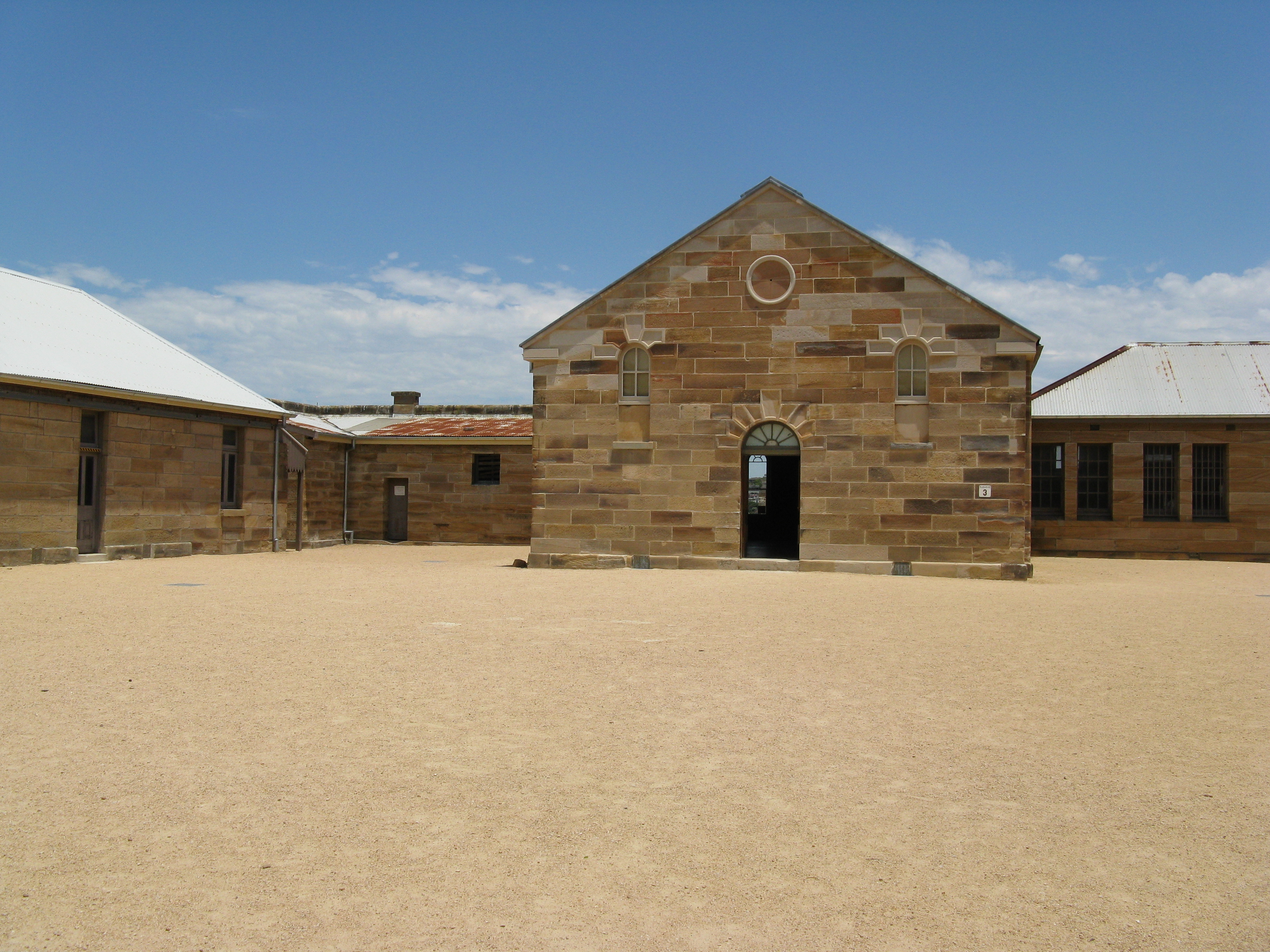
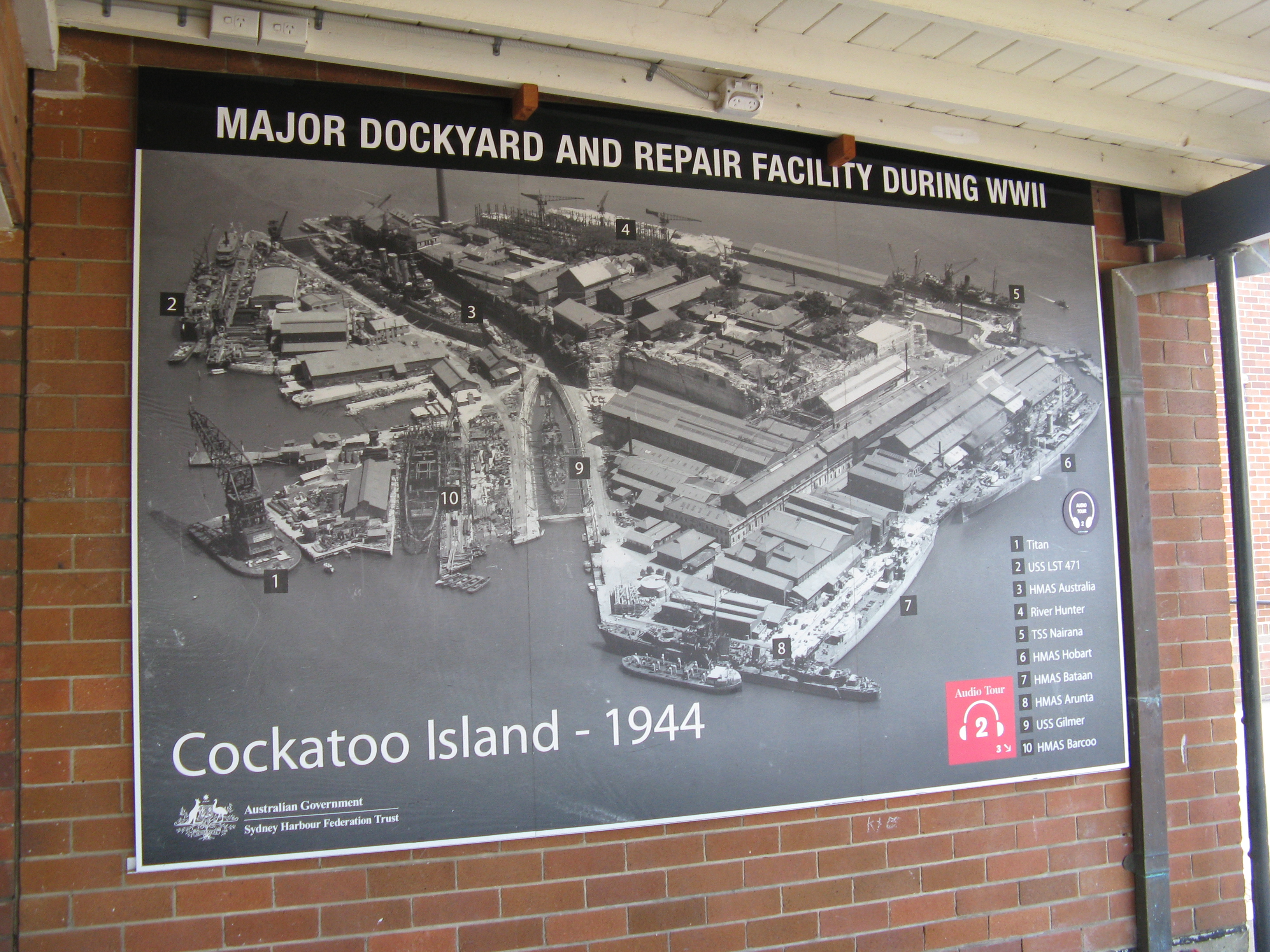
In WWII the islands was an important repair facility and was strategically important.
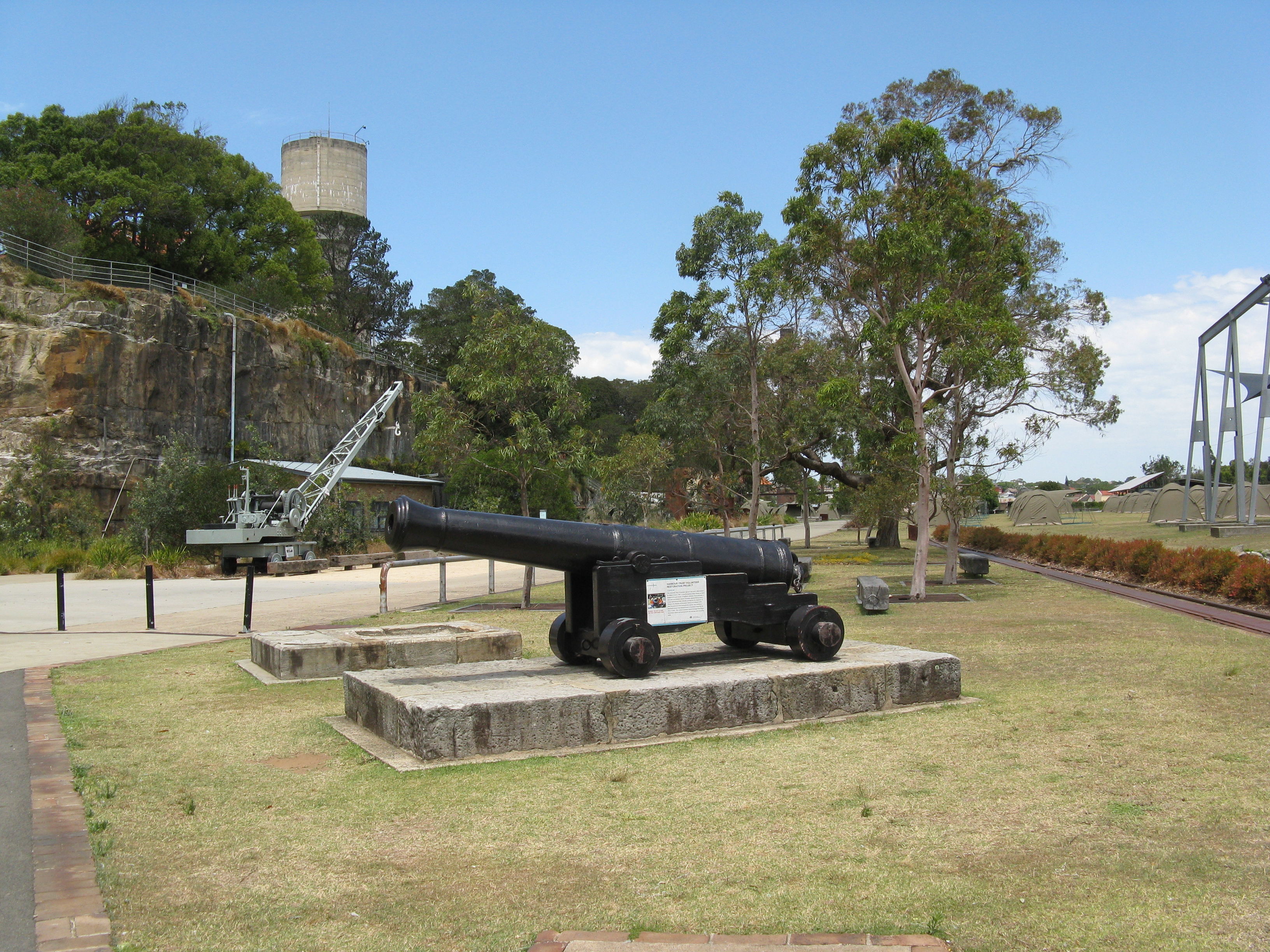
One of the original canon’s which was used to protect the island during WWII.
The Waiting Man
Waiting, a statue by Johnson, depicts a businessman reading a newspaper, installed at Australia Square in central Sydney.

Ferries
One of many ferries that sail across the harbour.
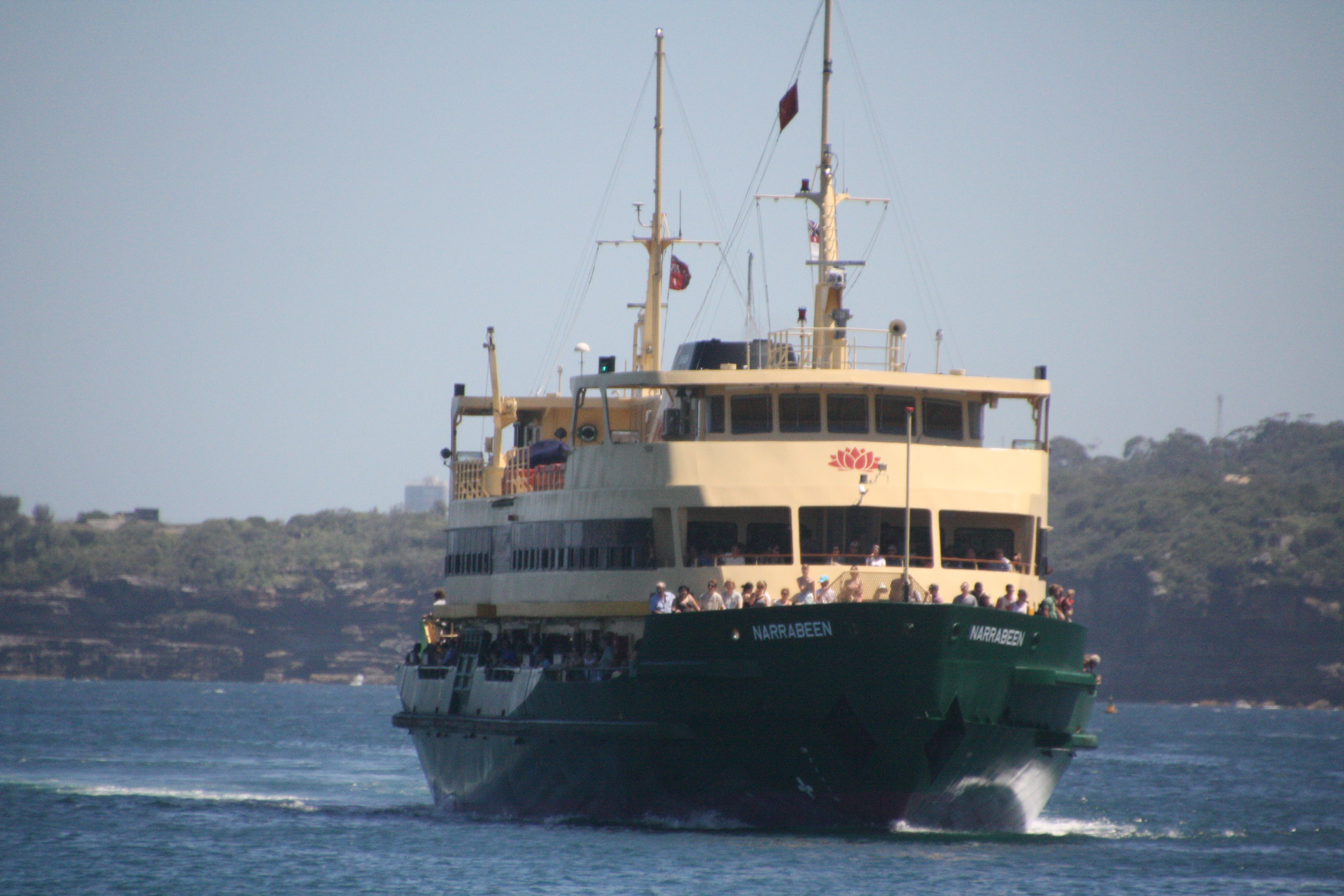
There seems to be an endless number of boats either moored or sailing in the harbour. We wondered if there are any collisions between the ferries and small boats as there didn’t seem to be any routes that the small boats should avoid.

Finally
We stayed in Darling Harbour and in the water was this large inflatable duck. There was no explanation why it was there. Was it on a round the world cruise and missed it’s ship?

 Heather and Keith's travels