If you’re labouring under the misconception former Soviet means dull and grey, and all tourist traps are soulless, Tallinn will delight in proving you wrong This city has charm by the bucket load, fusing the modern and medieval to come up with a vibrant vibe all of its own. It’s an intoxicating mix of church spires, glass skyscrapers, baroque palaces, appealing eateries, brooding battements, shiny shopping malls, run-down wooden houses and cafes set on sunny squares- with a few soviet throwbacks in the mix.
This is for us one of the best capital city’s which we have visited. The old town is quiet as there are no vehicles allowed within the walls apart from the four hours between 6 am to 10 am.
We have visited Tallin twice in August 2011 and February 2012 and stayed at the Telegraf Hotel both times.
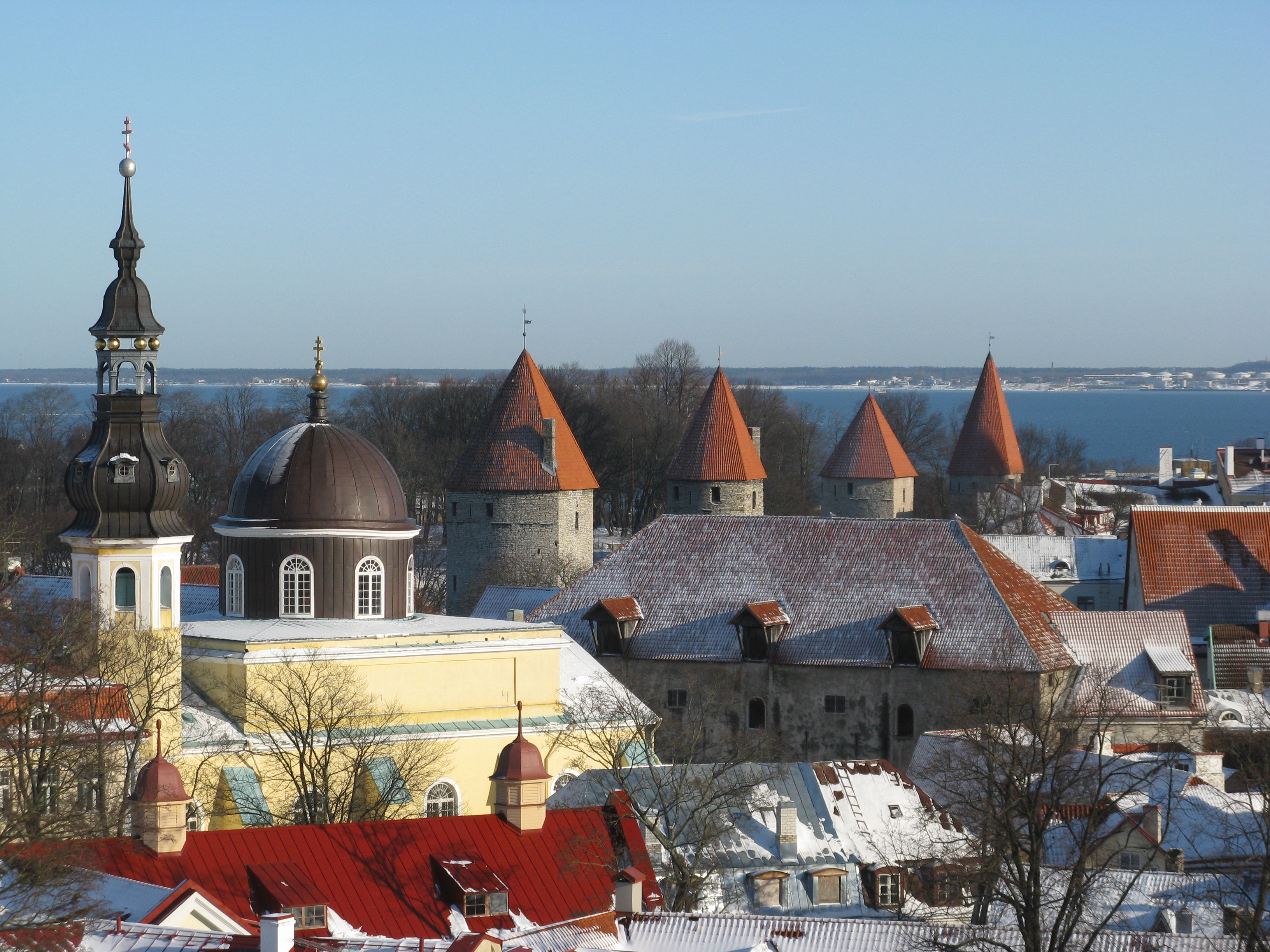
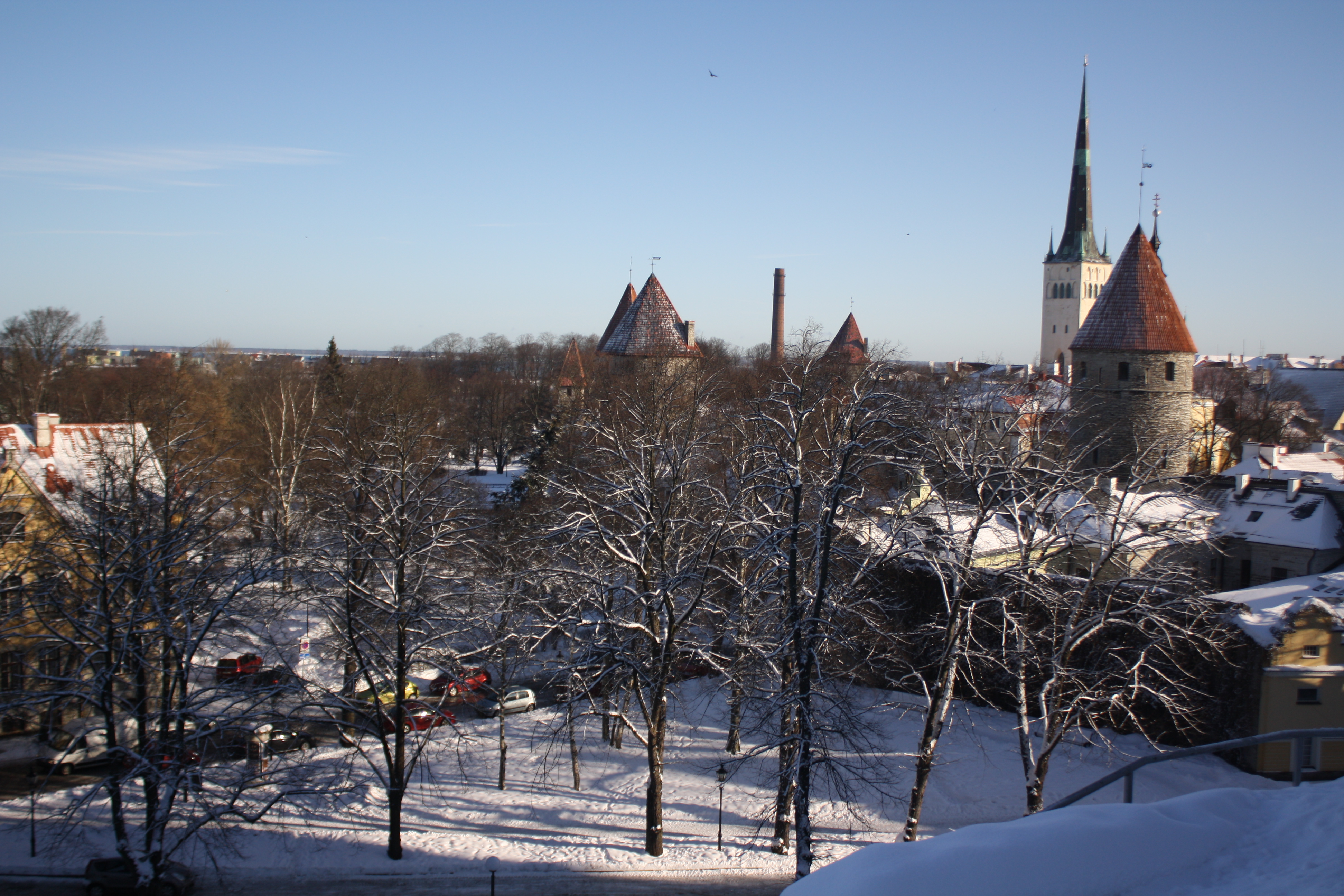
Toompea Hill
The hill gives some amazing views over the city, in the picture below are the icy waters of the Baltic sea.
Toompea Castle
Toompea Castle is a located on Toompea hill and is an ancient stronghold site in use since at least the 9th century, today houses the Parliament of Estonia.
The still visible towers of the church, including “Pilsticker” (translated as “arrow-sharpener”), “Stür den Kerl” (“ward off the enemy”), “Landskrone” (“crown of the land”) and the probably most famous, “Pikk Hermann”, (“Langer Hermann” or “Tall Hermann”. Tall Hermann is 48 metres (157 ft) tall and dominates the castle skyline. The flag of Estonia is hoisted at the top of the tower every day at sunrise, to the sound of the national anthem, and lowered at sunset.
Town Hall Square
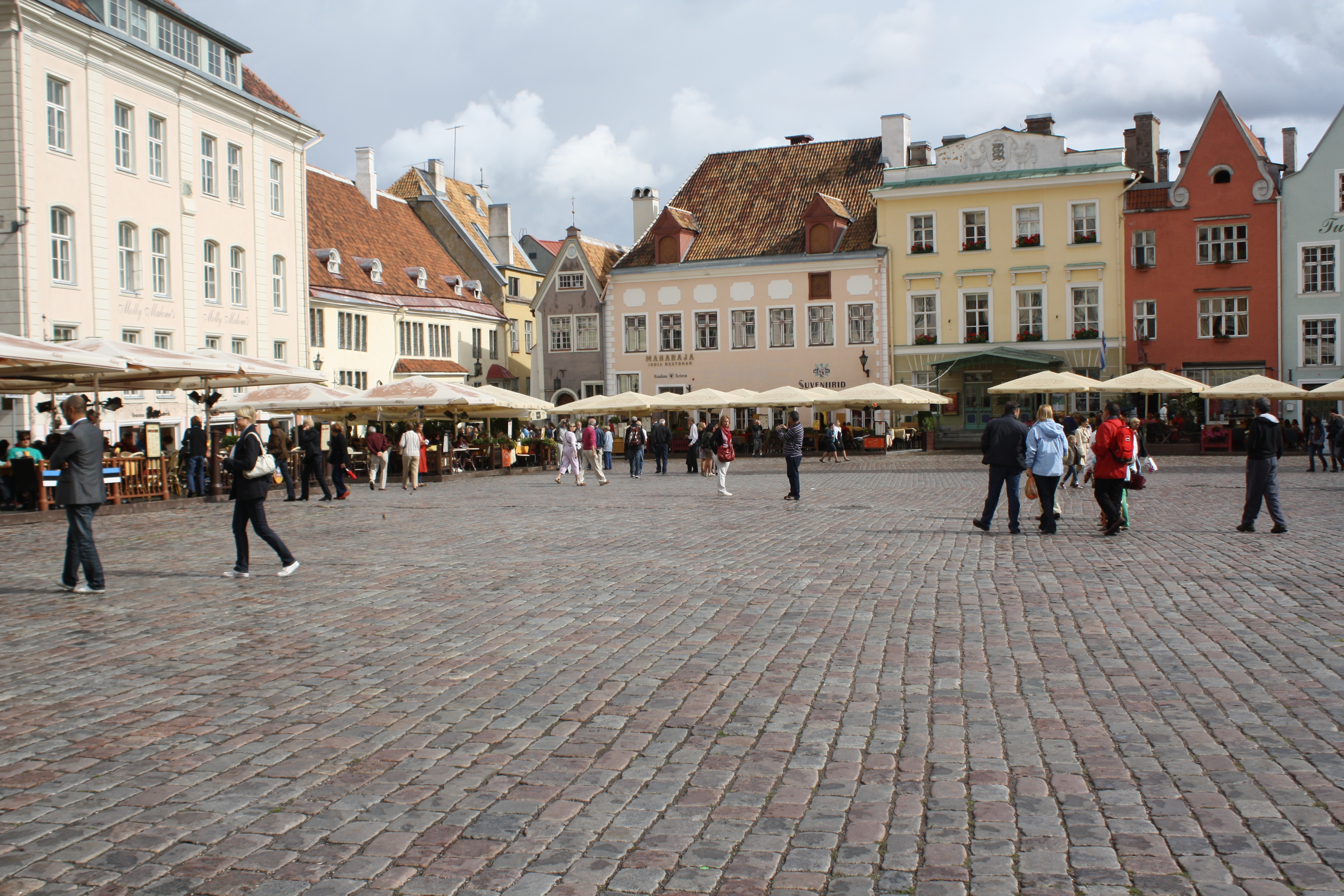
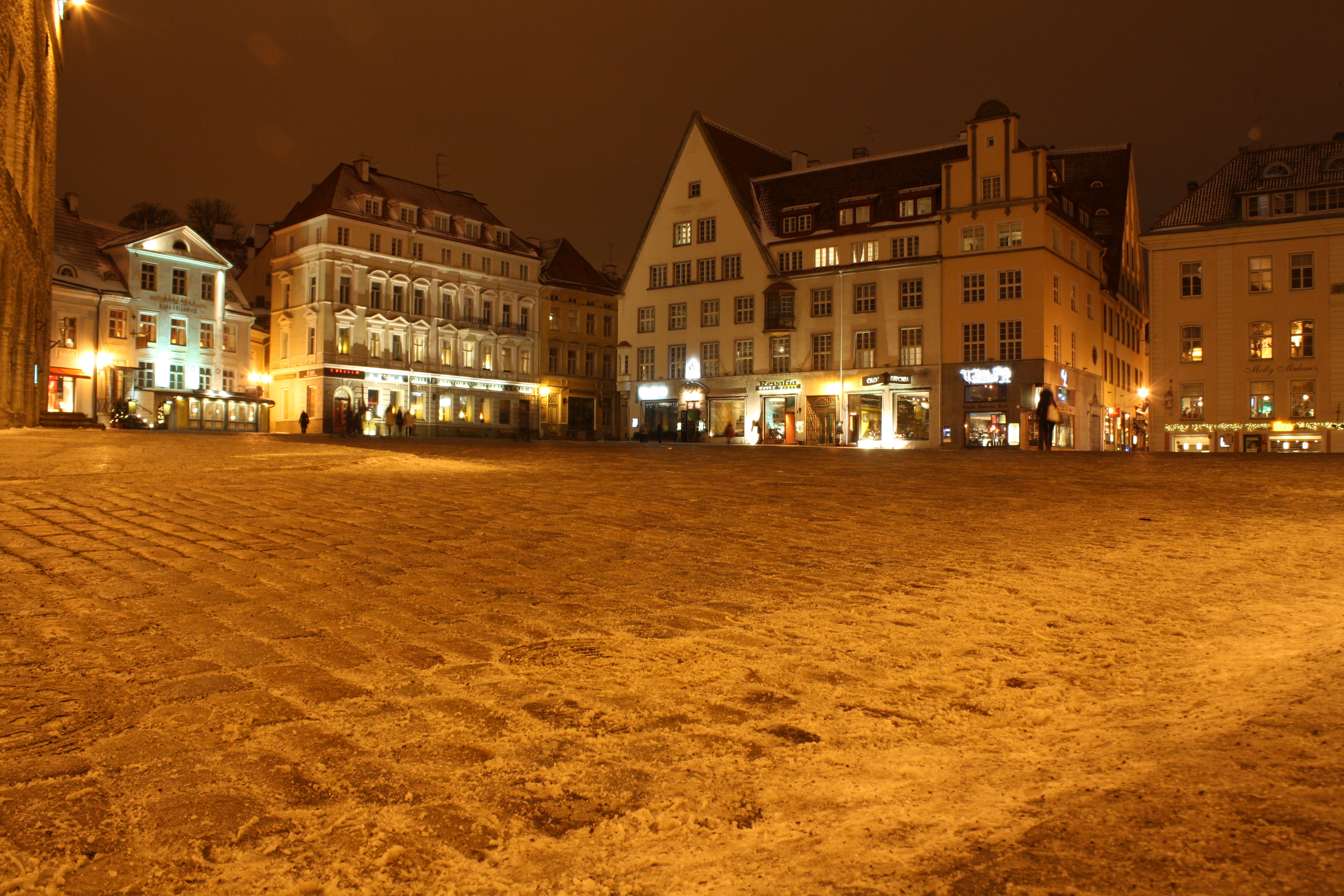
Raekoja plats is the town square beside Tallinn Town Hall in the centre of the Tallinn Old Town.
There has been a town hall in Tallinn since at least 1322 and a town square next to it ever since then. The hall was rebuilt from 1402 to 1404 into its current form, and a Christmas tree display has been held in the square since 1441, making the Tallinn Christmas tree display over 570 years old.
There is something magical about this place at night, this was taken in winter hence the reason that no one is around.
Town Hall
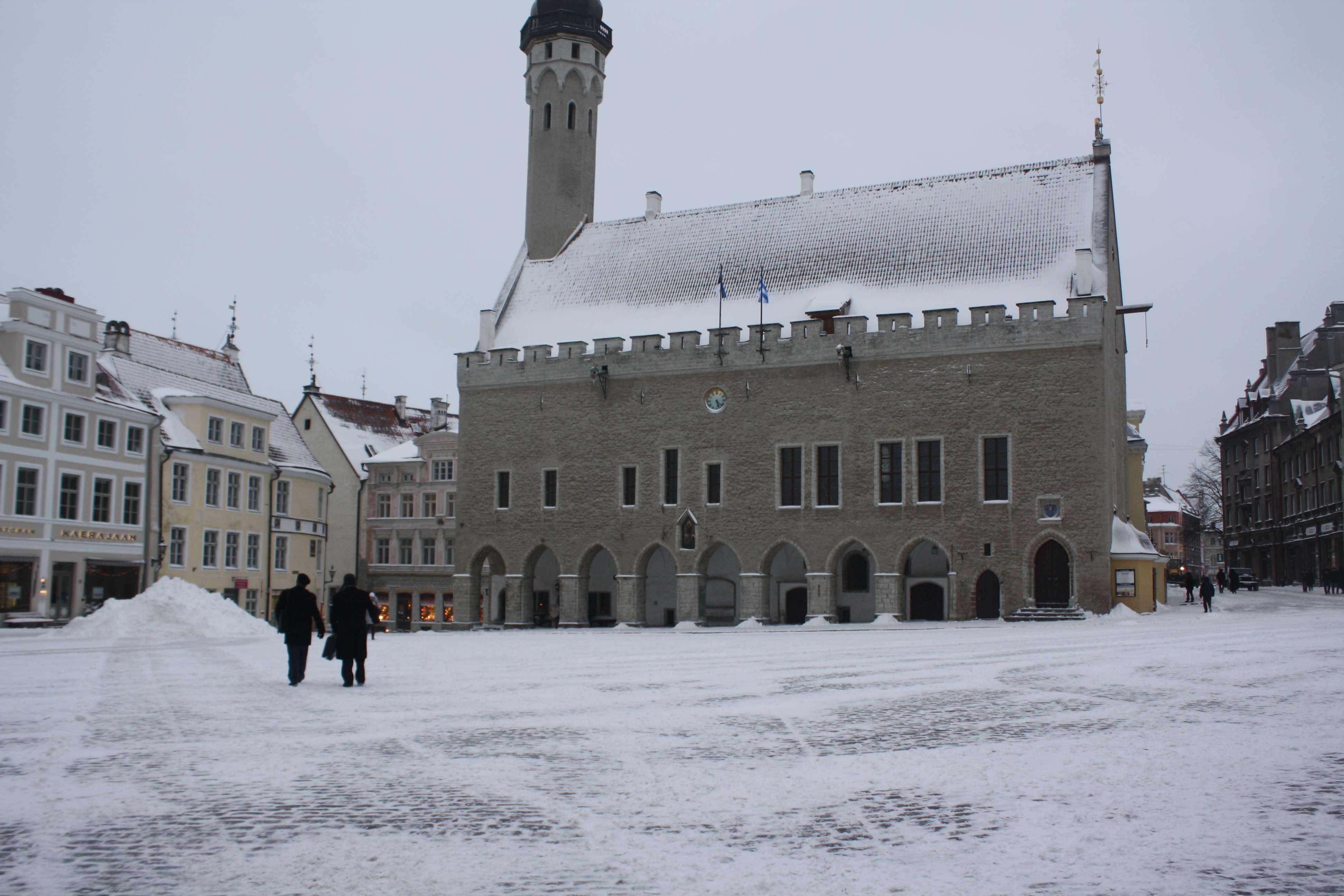
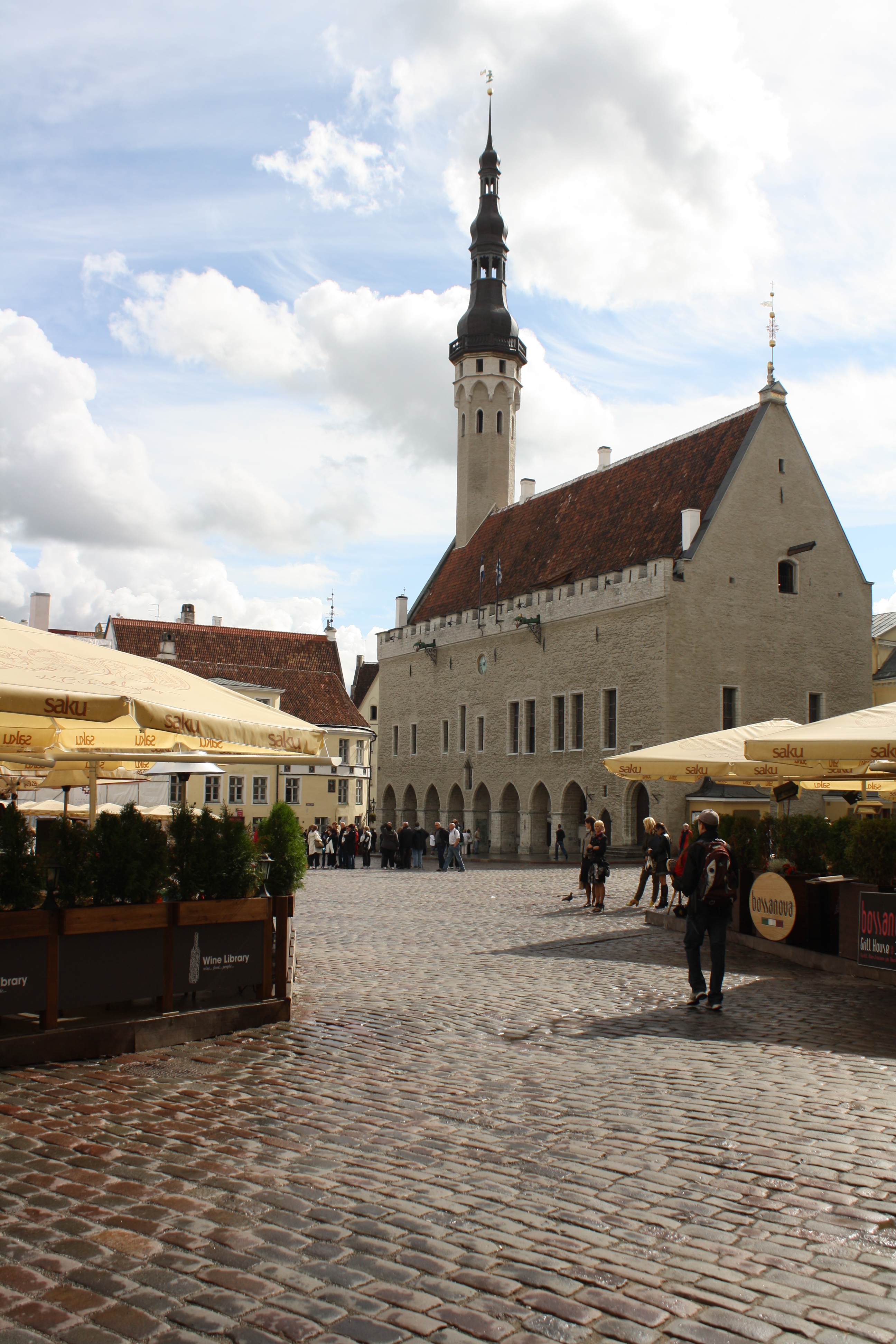
The Tallinn Town Hall is situated next to the Town Hall Square is the oldest town hall in the whole of the Baltic region and Scandinavia.
The building is located in the south side of the ancient market square and is 36.8 metres long. The west wall is 14.5 metres in length, and the east is 15.2 meters. It is a two-storey building with a spacious basement.
The vane Old Thomas on the top of the Town Hall’s tower, that has been there since 1530, has become one of the symbols of Tallinn. The height of the tower is 64 metres.
The town hall was built by what was then the market square. The town hall square got its current length in the 1370s. Covered with a board roof in 1374, the town hall was probably a single-decked stone building with a basement. The attic was used as a storeroom. The façade of this long and narrow building is now a rear wall of the arcade, where you can still see some of the simple statuary framed windows from this time.
A salient octahedral tower, which is mostly built into the building and leans on the wall, rises from the building’s eastern gable. It was built in 1627–28 by G. Graff. It has a three-piece baroque spire with open galleries. The tower is 64 metres high. The spire was built in, 1627 but obtained its final shape in 1781 and was also reconstructed in this shape in 1952 after destruction in the World War II (architect A. Kukkur). The spire is in Late Renaissance style.
It is possible to climb up into the Town Hall tower and see the old town from a completely different angle. You cannot get to the tower’s dome edge, where you can see the borders, but you can still get to the first windows (exactly to the tower’s clock). The up-leading staircase is steep, but as the tower is not very high, it is not a problem. You can smell gingerbread scent that comes from a nearby restaurant, Olde Hansa.
Alexander Nevsky Cathedral
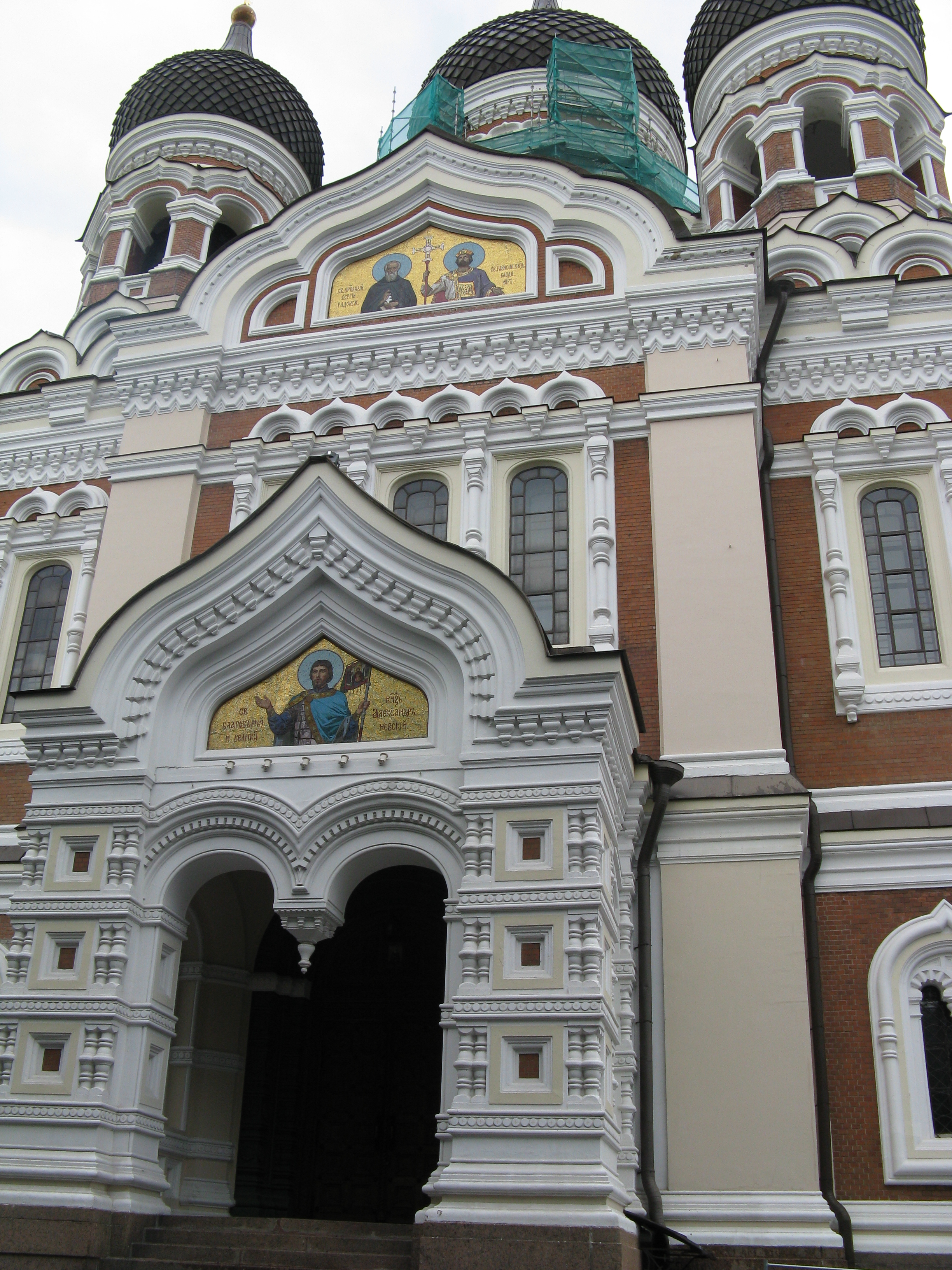
The Alexander Nevsky Cathedral is an orthodox cathedral in the Old Town, Estonia. It was built to a design by Mikhail Preobrazhensky in a typical Russian Revival style between 1894 and 1900,during the period when the country was part of the Russian Empire. The Alexander Nevsky Cathedral is Tallinn’s largest and grandest orthodox cupola cathedral. It is dedicated to Saint Alexander Nevsky who in 1242 won the Battle of the Ice on Lake Peipus, in the territorial waters of present-day Estonia. The late Russian patriarch, Alexis II, started his priestly ministry in the church.
The cathedral was built during the period of late 19th century Russification and was so disliked by many Estonians as a symbol of oppression that the Estonian authorities scheduled the cathedral for demolition in 1924, but the decision was never implemented due to lack of funds and the building’s massive construction. As the USSR was officially non-religious, many churches including this cathedral were left to decline. The church has been meticulously restored since Estonia regained independence from the Soviet Union in 1991.
Fat Margaret Tower
Fat Margaret was built in the early 16th century (from 1511 to 1530) during the reconstruction of the medieval city gate system. The etymology of the tower’s name derives from the fact that it was the largest part of the city’s fortifications with walls measuring 25 metres in diameter, 20 metres in height and up to 5 metres thick. Apart from being a fortification against would-be invaders to the port of the town, it was also built to impress outside visitors arriving by sea.
The tower is a defensive structure at the end of Pikk tänav (Pikk Street). Together with the Suur Rannavärav (Great Coastal Gate), a sixteenth-century arch flanked by two towers, it served to defend the harbour of Tallinn. Later, it was used as a storehouse for gunpowder and weapons, and then transformed into a prison, and was the scene of an outbreak of violence during the 1917 Revolution, when the prison guards were murdered by a mob of workers, soldiers and sailors.
The tower now serves a more peaceful function of housing the Estonian Maritime Museum which looks at the nation’s seafaring history with a collection of nautical paraphernalia that spreads over four stories and a view of the old town and Tallinn’s harbour and bay from its rooftop viewing platform.

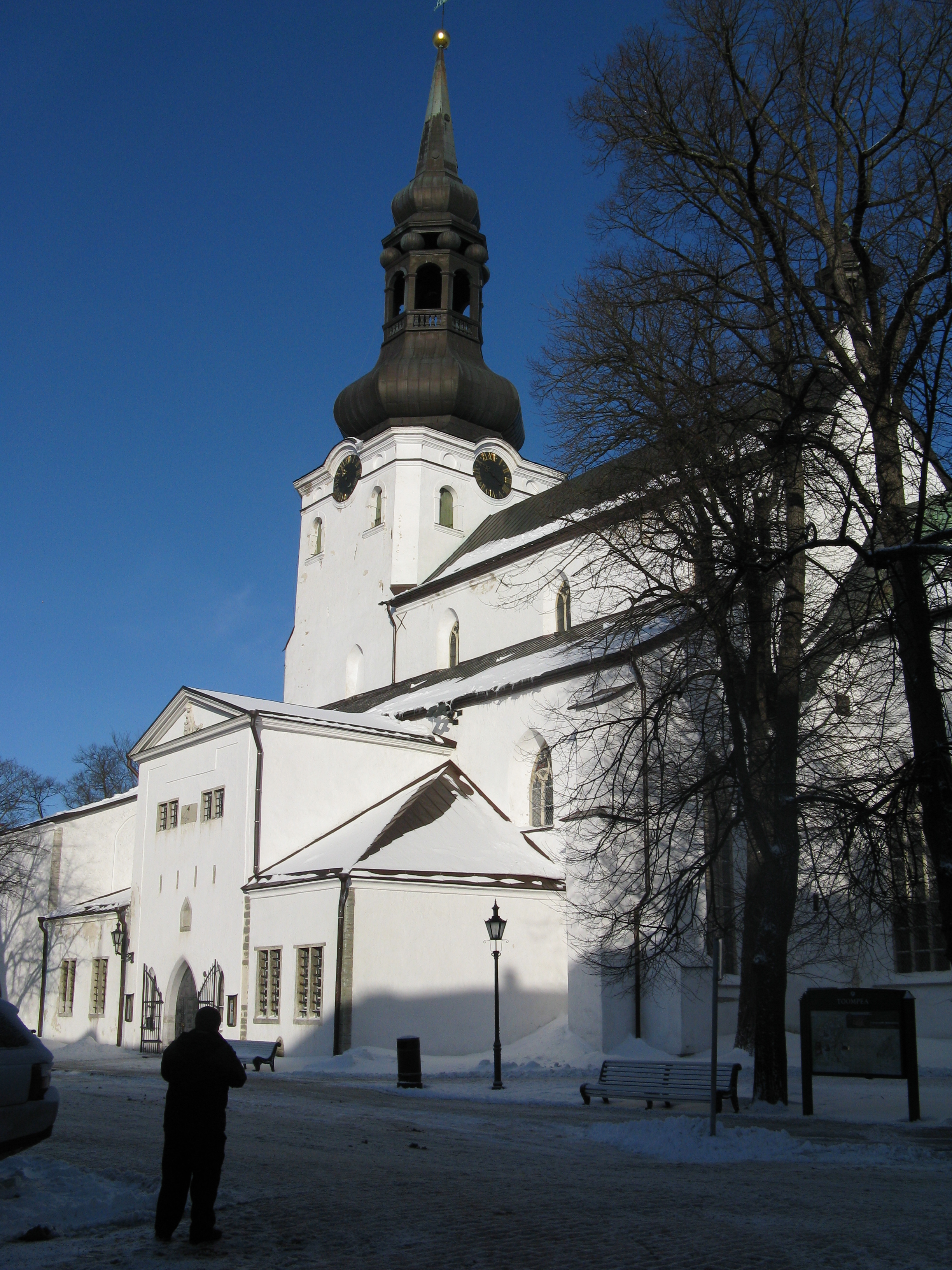
St Mary’s Cathedral Dome Church
The Cathedral of Saint Mary the Virgin in Tallinn, also known as Dome Church is a cathedral church located on Toompea Hill. Originally established by Danes in the 13th century, it is the oldest church in Tallinn and mainland Estonia. It is also the only building in Toompea which survived a 17th-century fire.
Originally a Roman Catholic cathedral, it became Lutheran in 1561 and now belongs to the Estonian Evangelical Lutheran Church. It is the seat of the Archbishop of Tallinn, the spiritual leader of the Estonian Evangelical Lutheran Church, and chairman of that church’s governing synod.
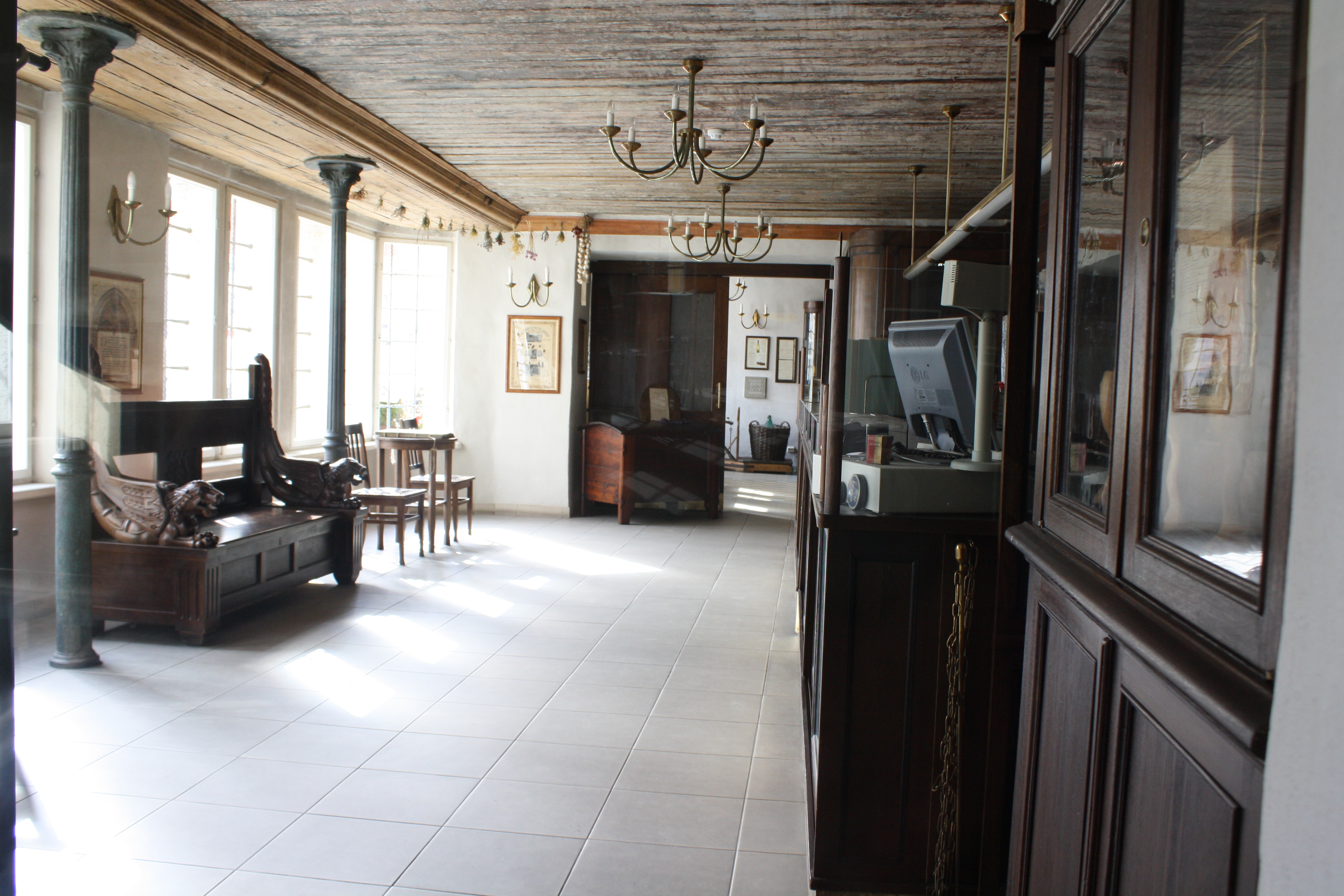
Town Hall Pharmacy Raeapteek
The Raeapteek is in the centre of Tallinn and opposite the Town Hall, at house number 11, it is one of the oldest continuously running pharmacies in Europe, having always been in business in the same house since the early 15th century. It is also the oldest commercial enterprise and the oldest medical establishment in Tallinn.
Historians have not been able to determine when exactly the pharmacy opened, but the oldest records available show that the Raeapteek was already on its third owner in 1422. Some scholars consider the opening year to be 1415.
Near the modern pharmacy on the first floor there is a small museum displaying old medical instruments, historical chemist tools and other curiosities. Set in wall, the museum also contains a large stone Coat of arms of the Burchart family dating from 1635. It shows a griffin with a crown and underneath a rose between lilies.
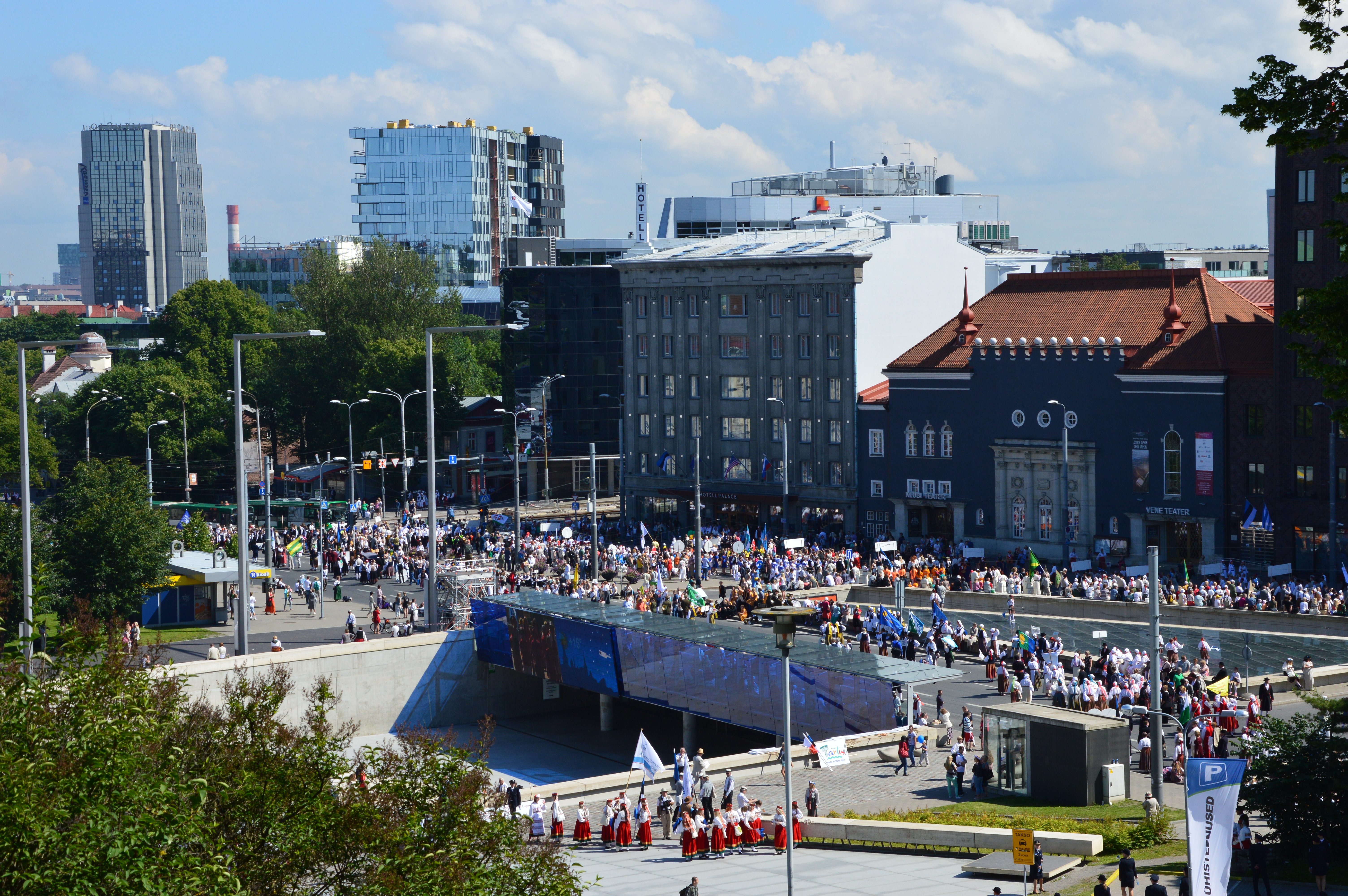
Freedom Square
Freedom Square (Estonian: Vabaduse väljak) is a plaza on the southern end of the Old Town where the military parades and various concerts take place. It is bounded on the east by St. John’s Church (built 1862-67), on the south by Kaarli Boulevard and an underground shopping center (2008–09), and on the west by a Victory Column (2009) commemorating the Estonian War of Independence 1918–1920.
The current design was created by architects Tiit Trummal, Veljo Kaasik and Andres Alver. Before 2010, it was a parking lot. It has an area of 7752 m² with the dimensions approx. 110 m by 75 m.
During the Soviet period, Freedom Square was known as the Victory Square (Võidu väljak).
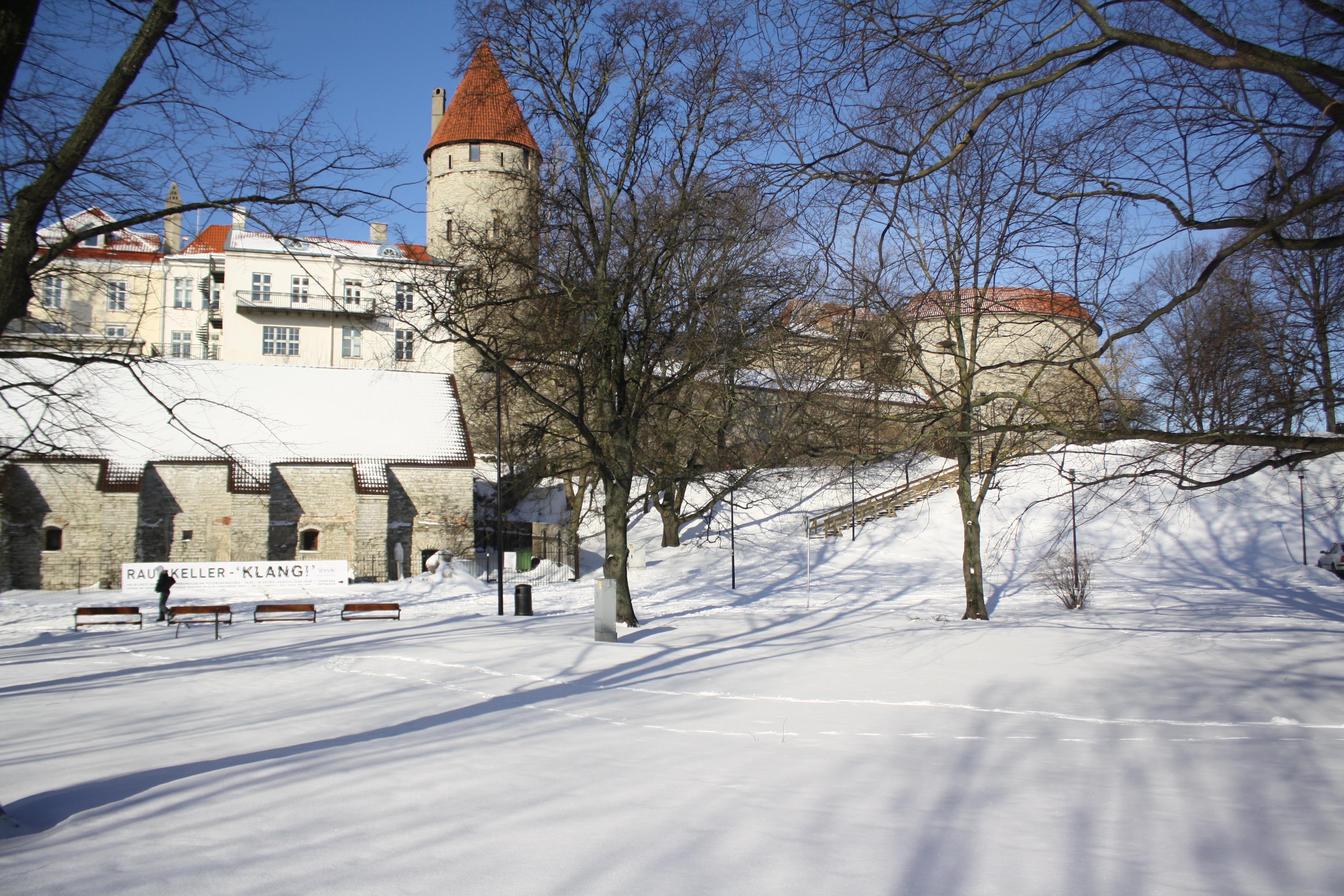
City Walls
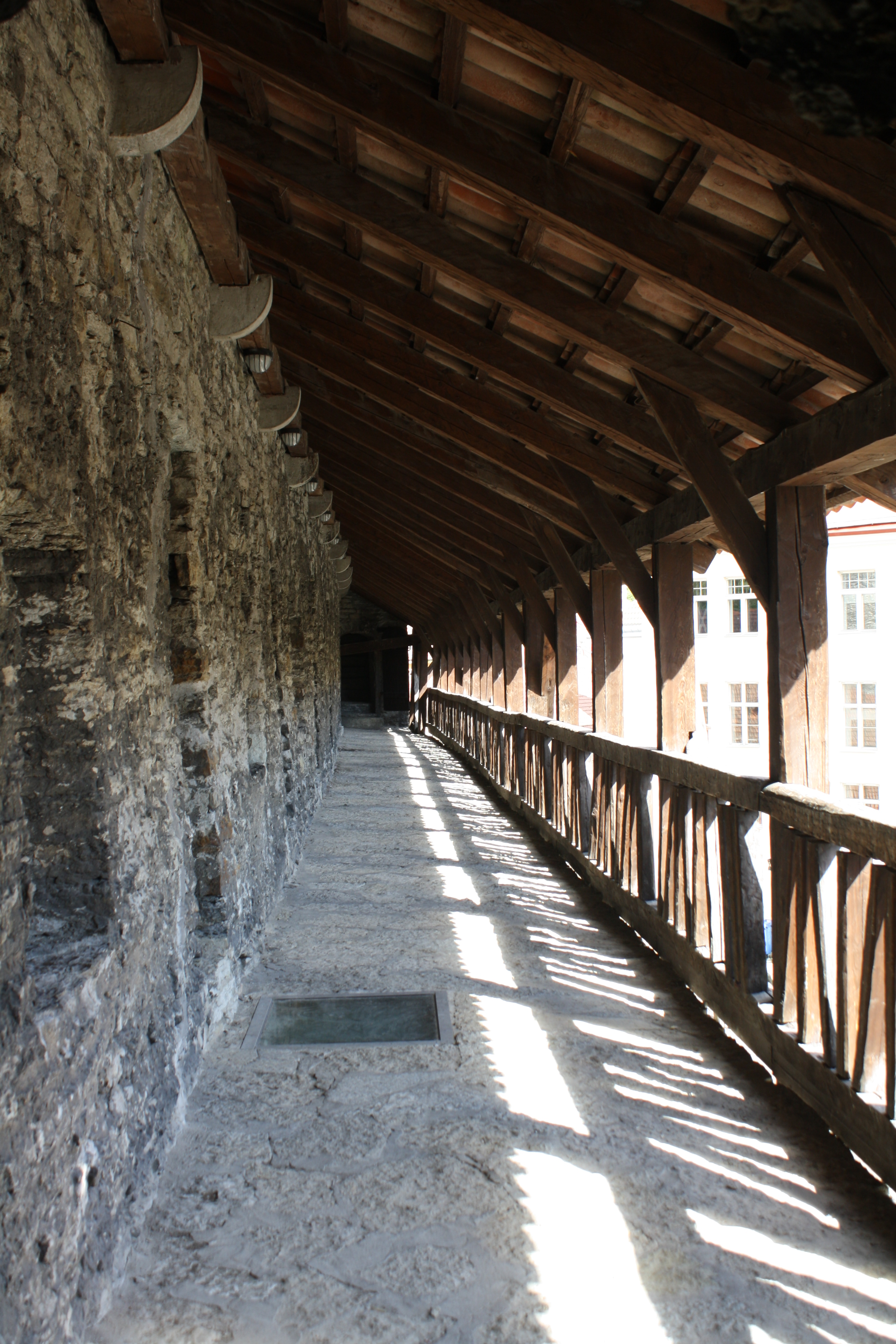
Vehicles can only enter inside the city walls between 6am and 10am which makes the medieval streets easy to walk around. The picture below was taken in February on a snowy day, there is a mystical fell about the picture, on similar lines to Schindlers List.
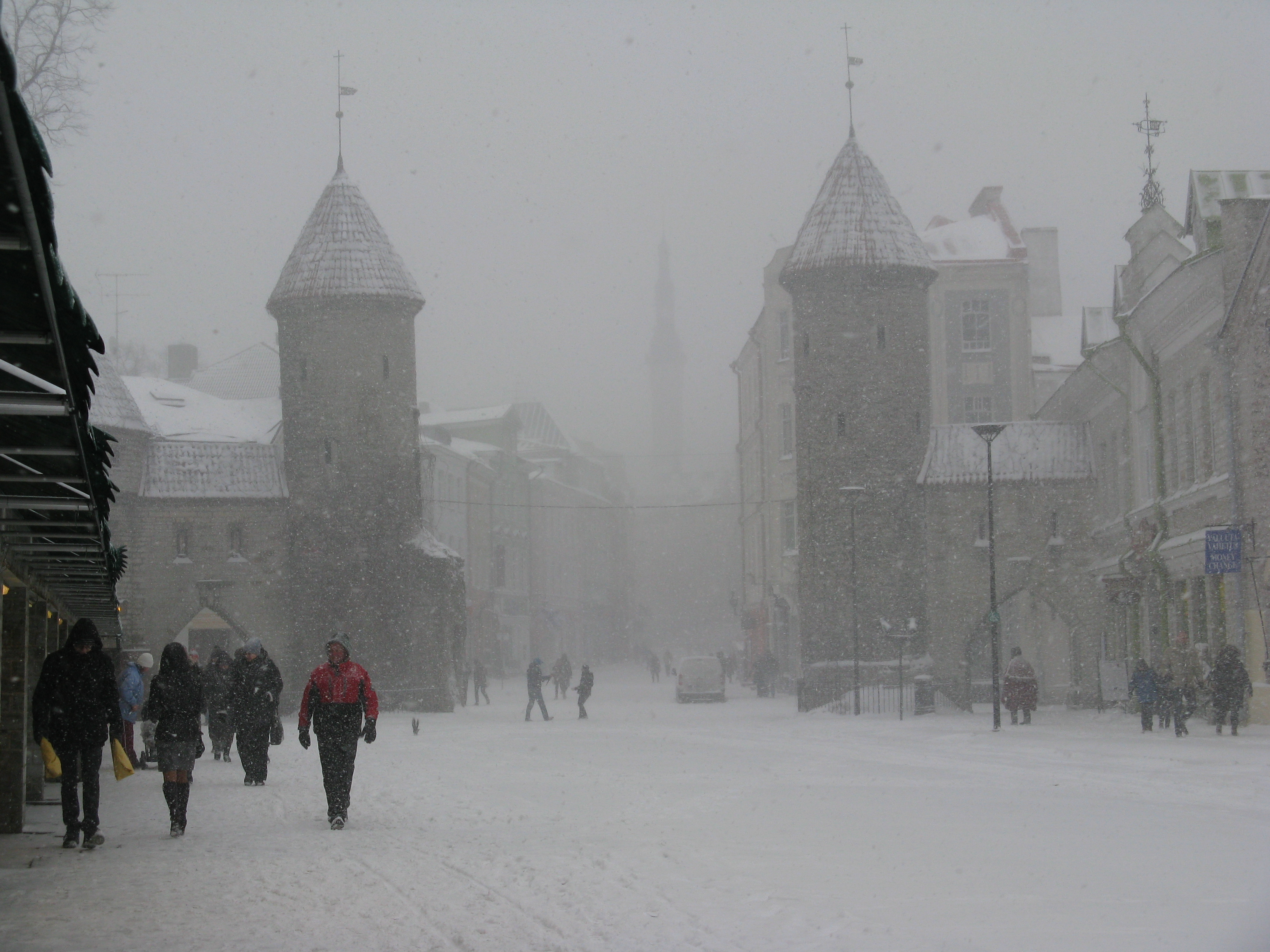
There are a few parts that you can still walk along the city walls.
Street Vendors
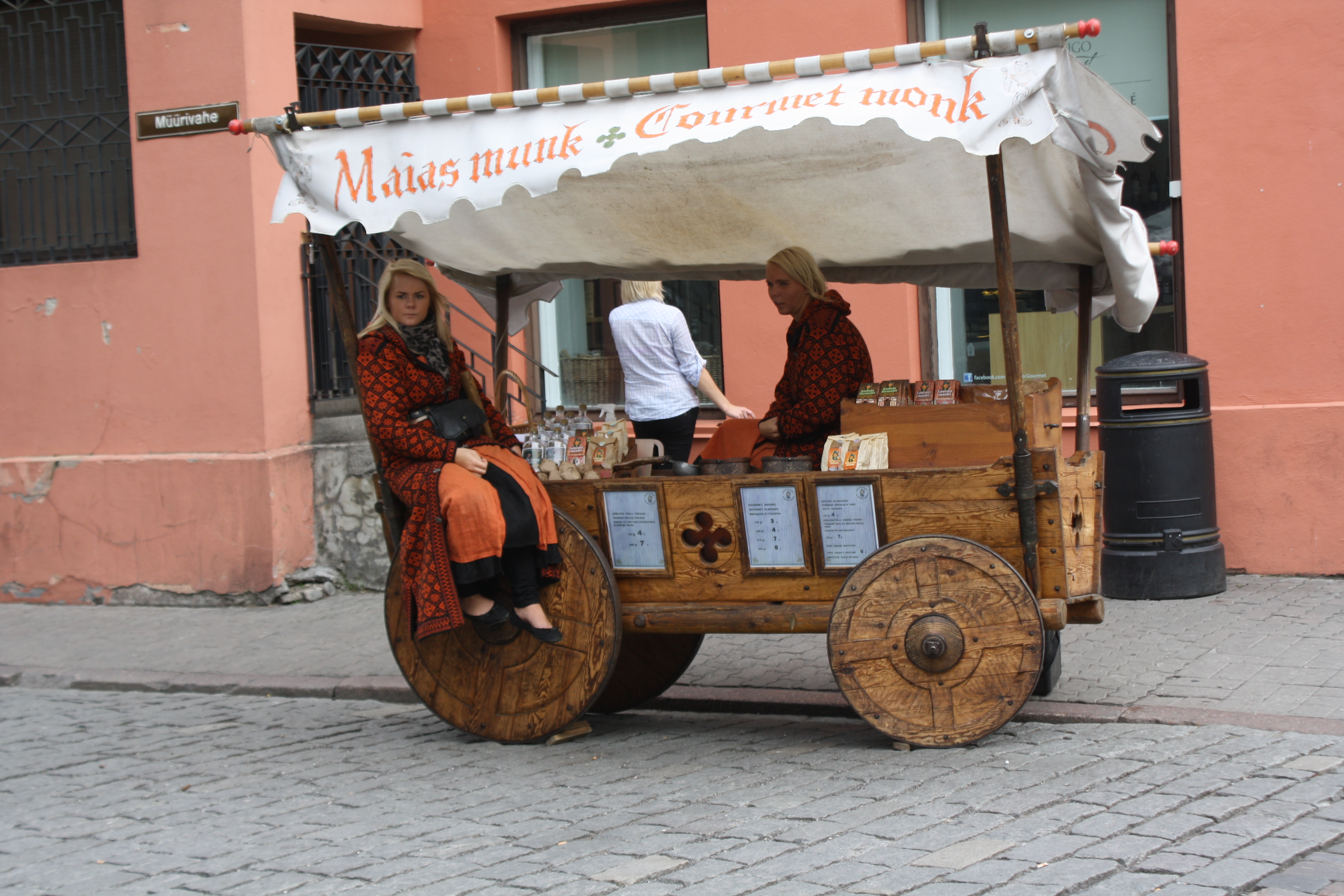
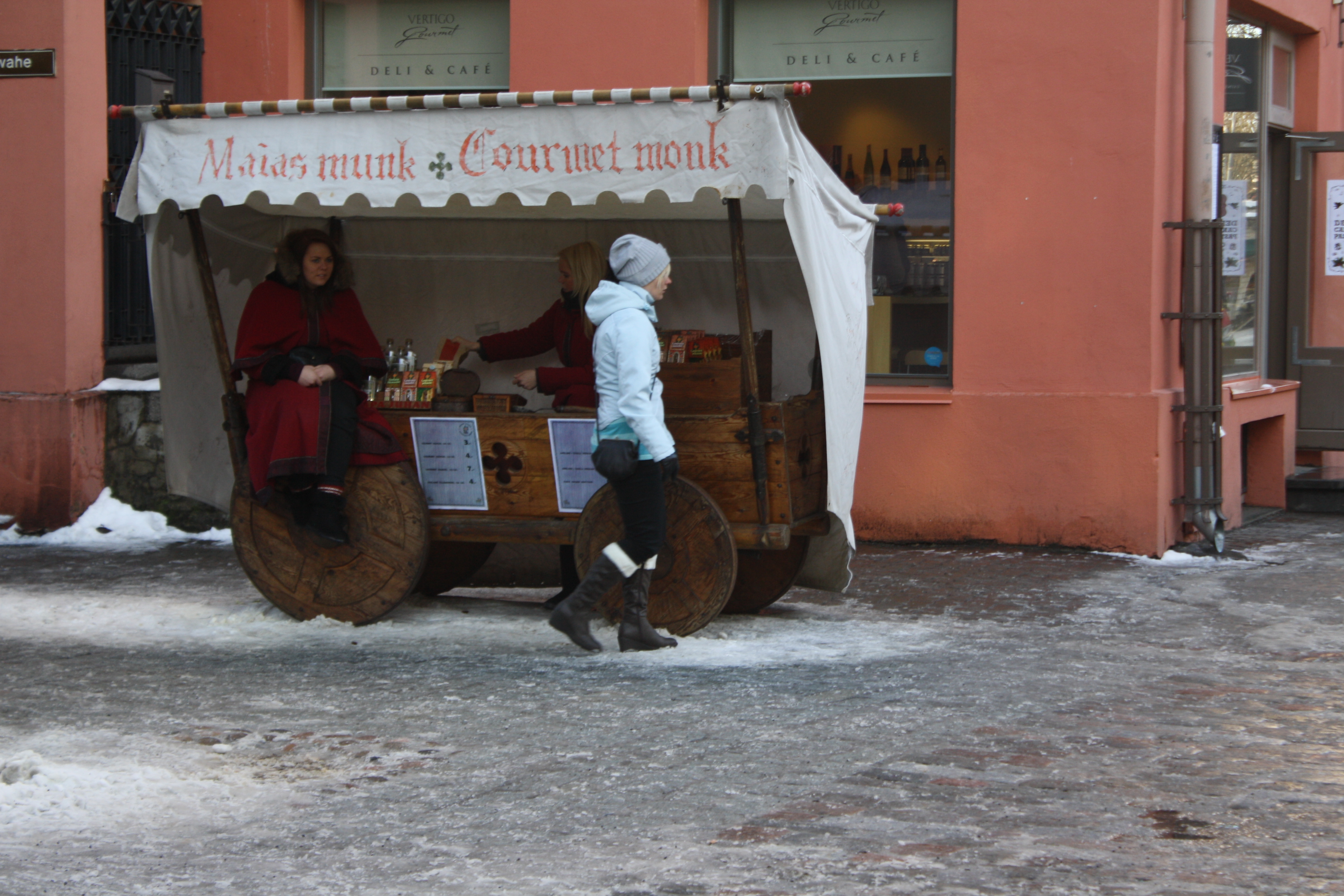
Irrespective of the weather the street vendors ply their trade, the first picture was taken when the temperature was 22°C and the one below was -6°C. They only stop trading when it gets to -20°C or below.
 Heather and Keith's travels