Valletta is Malta’s lilliputian capital, built by the Knights of St John on a peninsula that’s only 1km by 600m. Its founder decreed that it should be ‘a city built by gentlemen for gentlemen’, and it retains its 16th-century elegance. It may be small, but it’s packed full of sights; when Unesco named Valletta a World Heritage Site, it described it as ‘one of the most concentrated historic areas in the world’ and is the smallest capital city in Europe.
We visited in March 2019 and stayed at the Grand Hotel Excelsior in Floriana which is just outside Valletta city walls.
Valletta Places of Interest
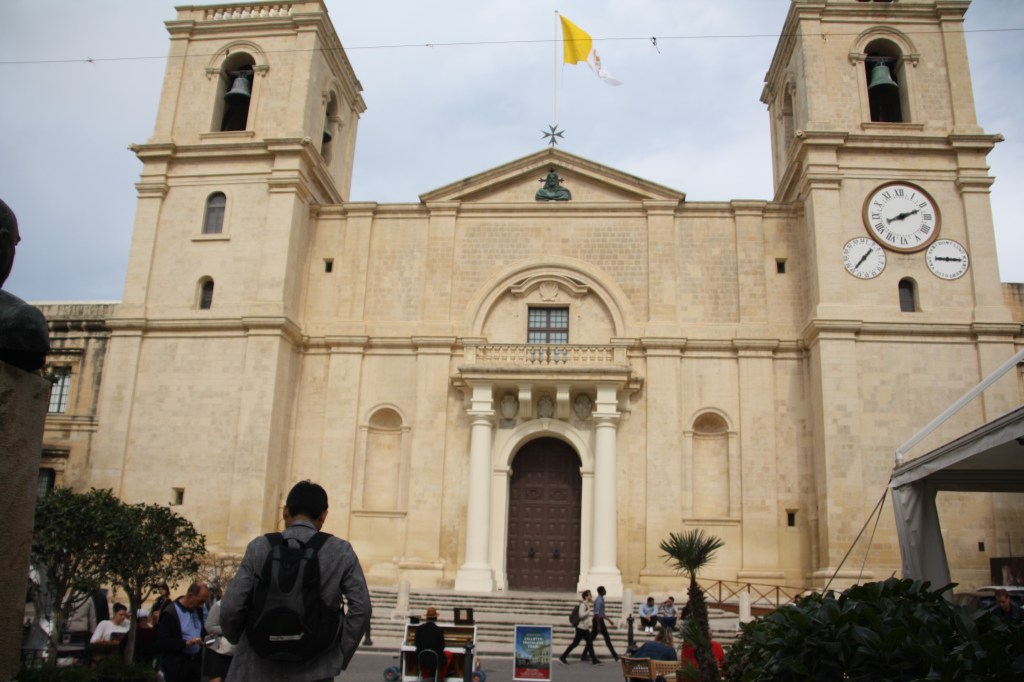
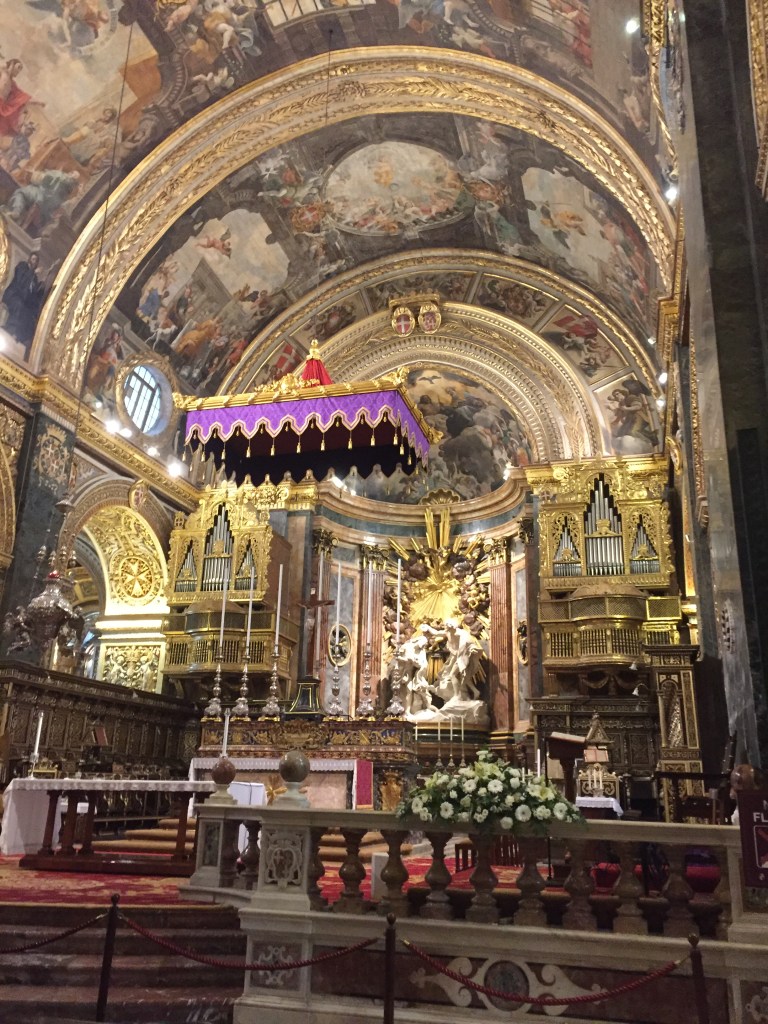
St Johns Co-Cathedral
St John’s Co-Cathedral is a Roman Catholic co-cathedral in Valletta, dedicated to Saint John the Baptist. It was built by the Order of St. John between 1572 and 1577, having been commissioned by Grand Master Jean de la Cassière as the Conventual Church of Saint John. The interior of the church is considered to be one of the finest examples of high Baroque architecture in Europe.
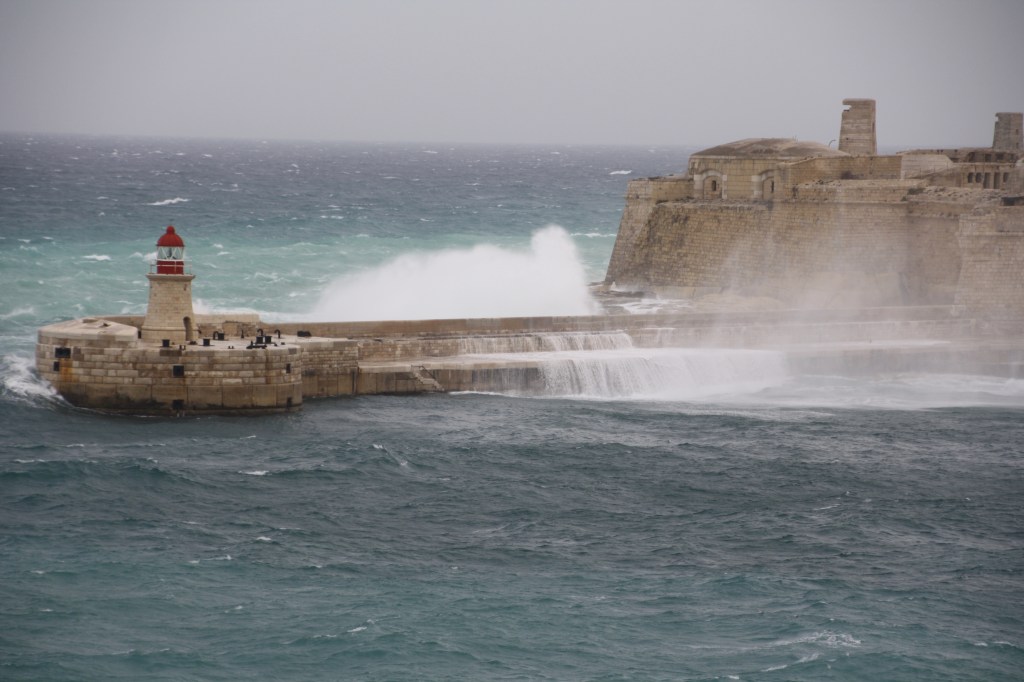
Grand Harbour
The Grand Harbour, also known as the Port of Valletta, is a natural harbour on the island of Malta. It has been substantially modified over the years with extensive docks, wharves, and fortifications.
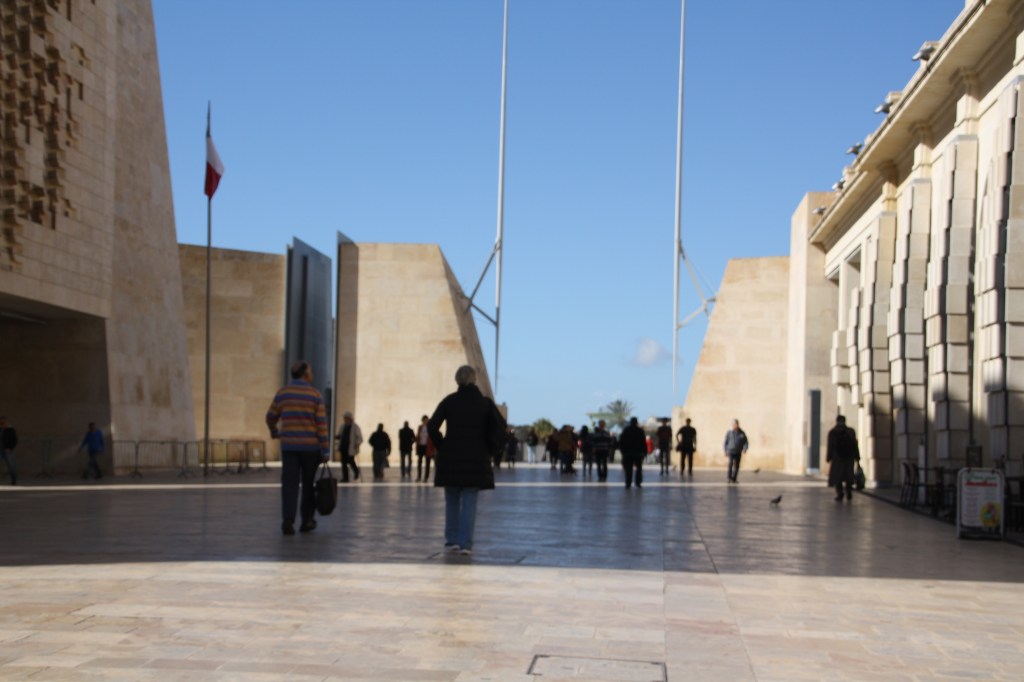
City Gate
City Gate is a gate located at the entrance of Valletta. The present gate, which is the fifth one to have stood on the site, was built between 2011 and 2014 to designs of the Italian architect Renzo Piano.
The first gate which stood on the site was Porta San Giorgio, which was built in 1569.

Grand Master Palace
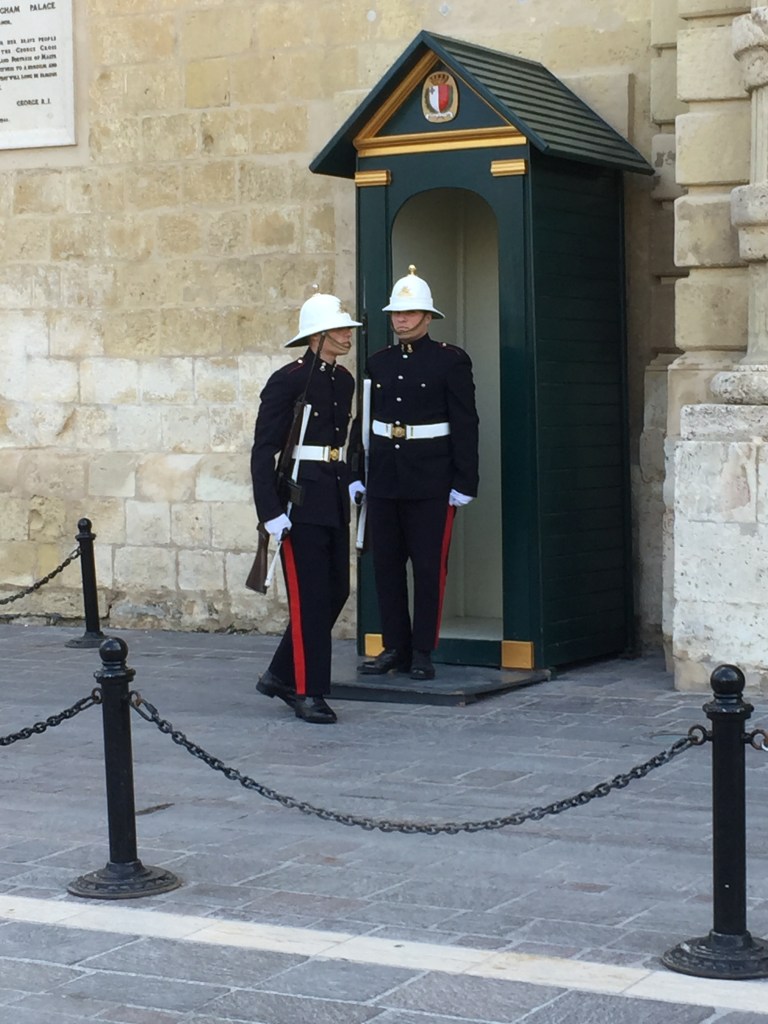
The Grandmaster’s Palace, officially known as The Palace, is a palace in Valletta. It was built between the 16th and 18th centuries as the palace of the Grand Master of the Order of St. John, who ruled Malta, and was also known as the Magisterial Palace. It eventually became the Governor’s Palace, and it currently houses the Office of the President of Malta. Parts of the building, namely the Palace State Rooms and the Palace Armoury, are open to the public as a museum run by Heritage Malta.
One of the pictures below is the changing of the guard, the odd thing is that all the commands were in English and not Maltese.

Fort St Elmo And National War Museum
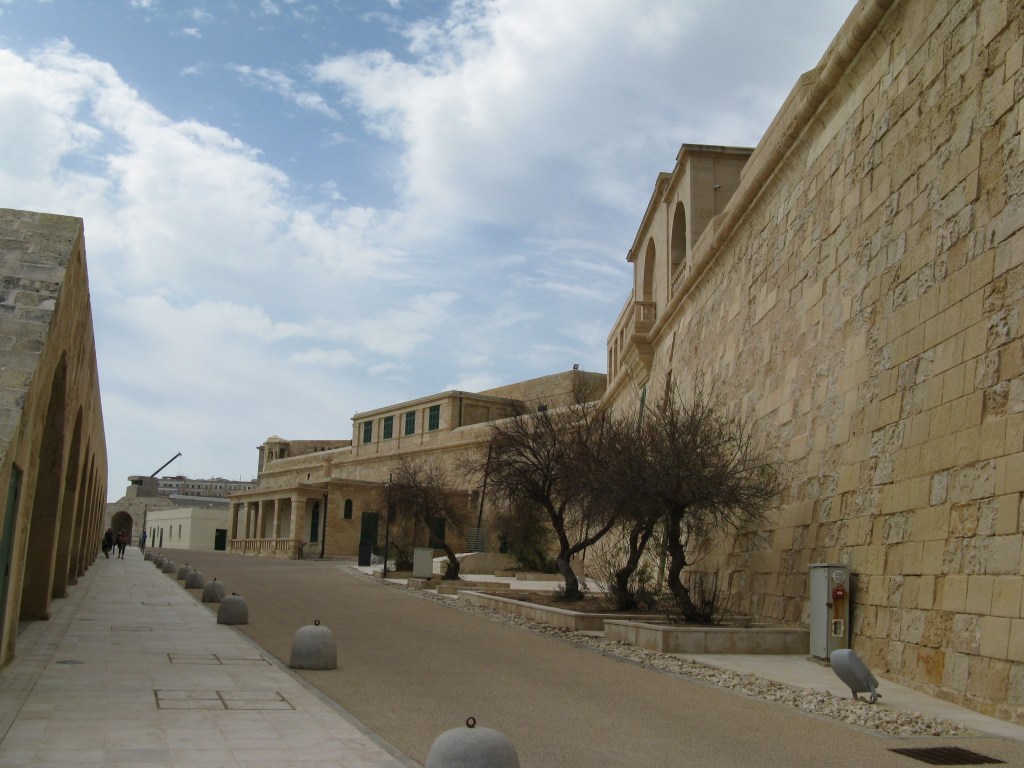
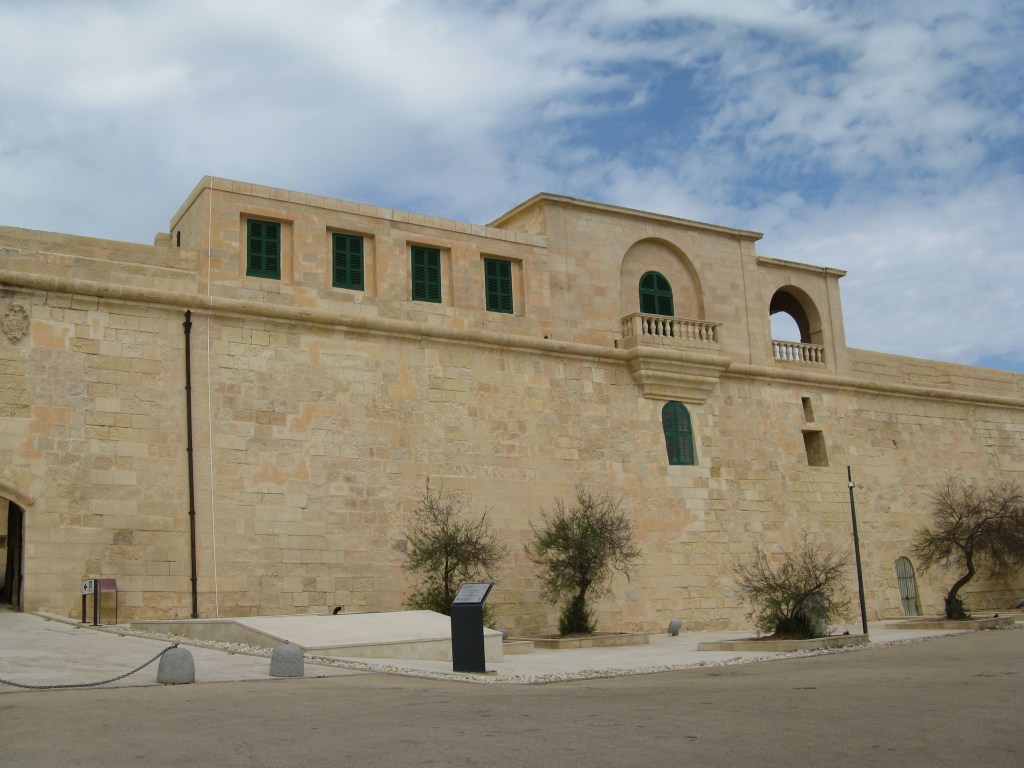
Fort Saint Elmo is a star fort in Valletta, Malta. It stands on the seaward shore of the Sciberras Peninsula that divides Marsamxett Harbour from Grand Harbour, and commands the entrances to both harbours along with Fort Tigné and Fort Ricasoli. It is best known for its role in the Great Siege of Malta of 1565.
Caffe Cordina
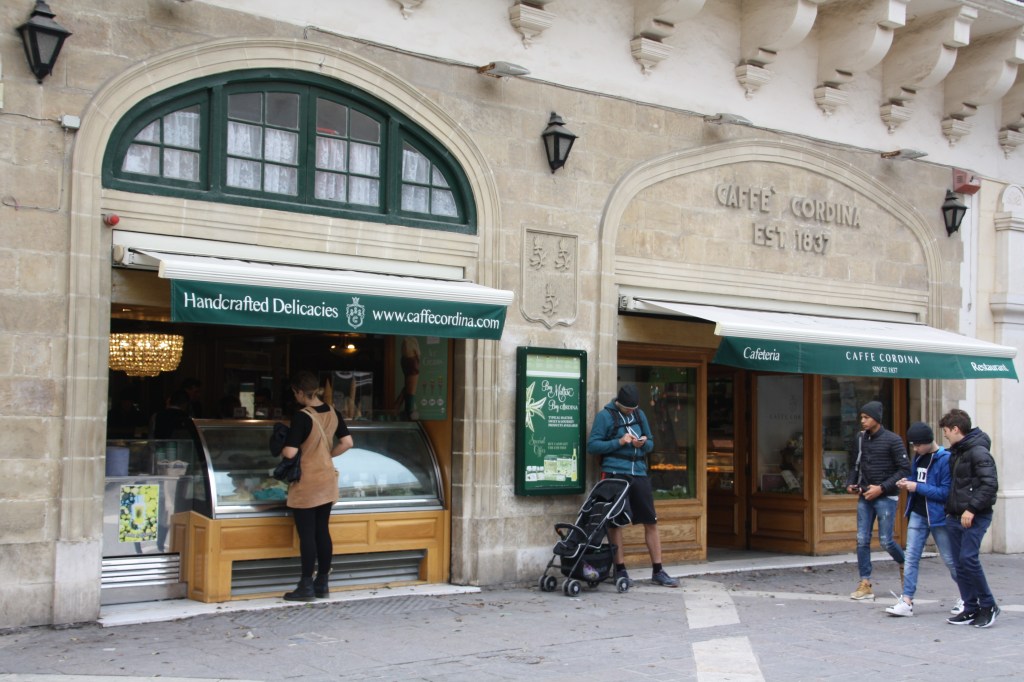
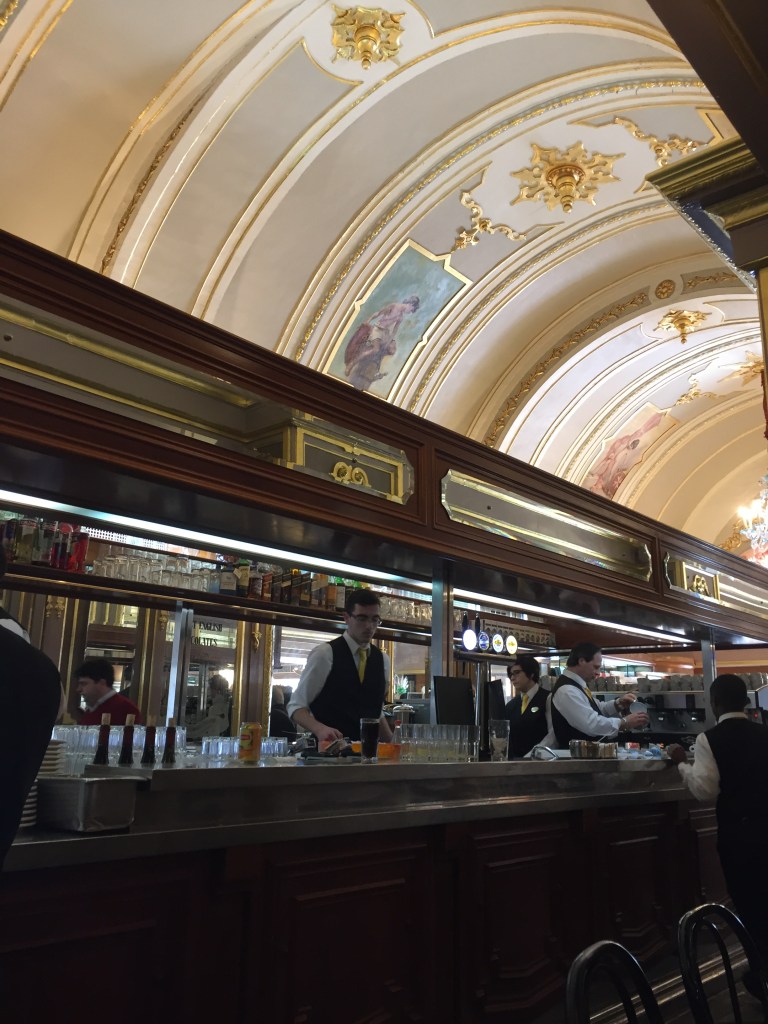
Caffe Cordina was established in 1837 and is now a local institution. You have the choice of waiter service at the sun-shaded tables in the square or inside, or joining the locals at the zinc counter inside for a quick caffeine hit.
We had a fantastic breakfast of poached eggs and salmon, Heather, and avocado Keith. The unusual part was that it had a cheese sauce instead of the usual hollandaise.

Malta (outside Valletta)
Mdina
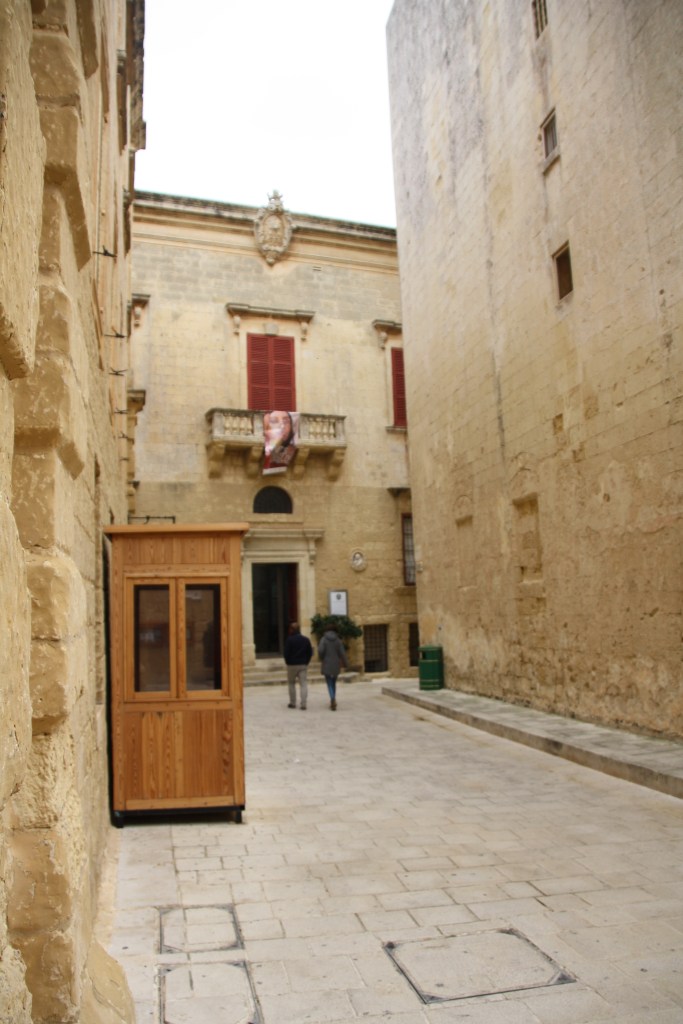
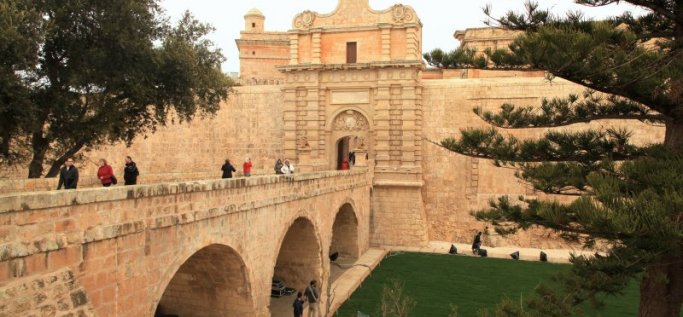
The history of Mdina traces back more than 4000 years. According to tradition it was here that in 60 A.D. that the Apostle St. Paul is said to have lived after being shipwrecked on the Islands. Furthermore it is said that St. Paul resided inside the grotto know as Fuori le Mura (outside the city walls) now known as St. Paul’s Grotto in Rabat. Lamp lit by night and referred to as “the silent city”, Mdina is fascinating to visit for its timeless atmosphere as well as its cultural and religious treasures.
Mdina is one of Europe’s finest examples of an ancient walled city and extraordinary in its mix of medieval and baroque architectur
Mdina Cathedral
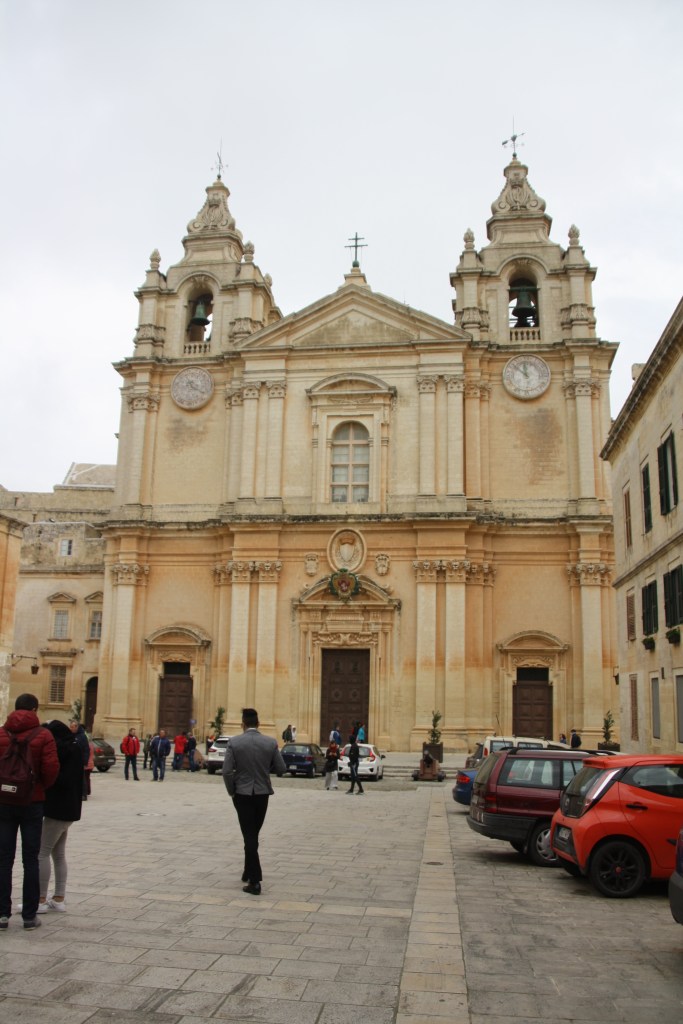
The Metropolitan Cathedral of Saint Paul, commonly known as St. Paul’s Cathedral or the Mdina Cathedral, is a Roman Catholic cathedral dedicated to St. Paul the Apostle. The cathedral was founded in the 12th century, and according to tradition it stands on the site of where Roman governor Publius met St. Paul following his shipwreck on Malta. The cathedral is the seat of the Roman Catholic Archdiocese of Malta, and since the 19th century this function has been shared with St. John’s Co-Cathedral in Valletta.
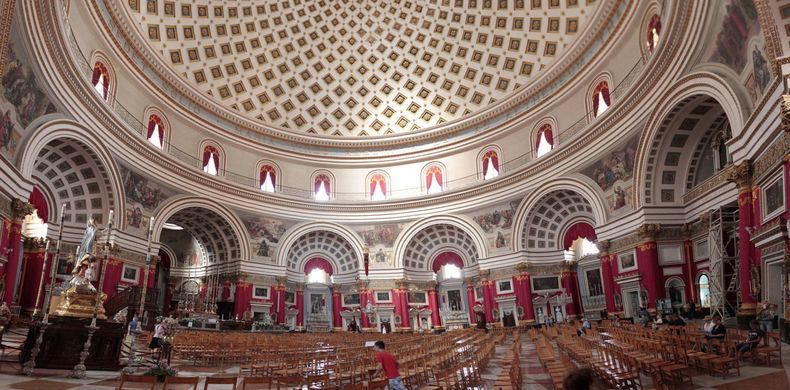
Mostar Rotunda
The Basilica of the Assumption of Our Lady, commonly known as the Rotunda of Mosta or the Mosta Dome, is a Roman Catholic parish church and Minor Basilica in Mosta dedicated to the Assumption of Mary.
The design of the present church is based on the Pantheon in Rome, and at one point had the third largest unsupported dome in the world. The church narrowly avoided destruction during World War II, since on 9 April 1942 a German aerial bomb pierced the dome and fell into the church during Mass but failed to explode. This event was interpreted by the Maltese as a miracle.

GOZO
Gozo, known locally as Għawdex is one of the islands of the Maltese archipelago in the Mediterranean Sea. The island is part of Malta. After the island of Malta itself, it is the second-largest island in the archipelago. Compared to its southeastern neighbour, Gozo is more rural and known for its scenic hills, which are featured on its coat of arms.
Ġgantija Temples
Built before the famous standing stones at Stonehenge, the two temples making up this remarkable UNESCO World Heritage site have an extraordinary history. Built between 3600 and 3200 B.C, they fell into disuse around 2500BC and were not fully revealed to the modern eye until the nineteenth century.
The name Ġgantija derives from the word ‘ġgant’, Maltese for giant, as Gozitans used to believe the temples were built by a race of giants. Not so surprising when you see the size of the limestone blocks from which it is constructed. Some of these megaliths exceed five metres in length and weigh over fifty tons.
Hard-wearing coralline limestone is used for the construction of the outer walls (which is one of the reasons the buildings have survived so long) whilst softer, smoother, Globigerina limestone is reserved for inner furnishings such as doorways, altars, and decorative slabs. Each temple consists of a number of apses flanking a central corridor. There is evidence that internal walls would have been plastered and painted. Two plaster fragments marked with red ochre have been found and are now preserved at the Gozo Museum of Archaeology.


Ta’ Kola Windmill
Ta’ Kola Windmill is a windmill in the village of Xagħra, on Gozo. It was built in 1725 by the Fondazione Vilhena of Grand Master Manoel de Vilhena, and was rebuilt in the 1780s. It became a museum in 1992.

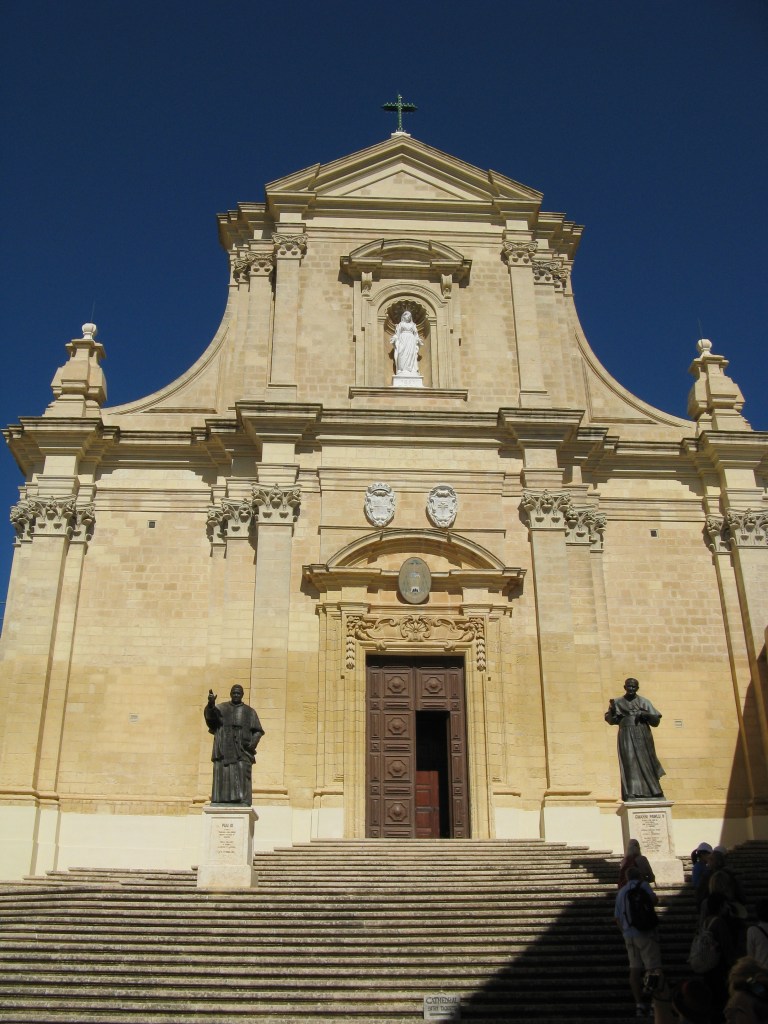
Gozo Cathedral
The Cathedral of the Assumption is a Roman Catholic cathedral in the Cittadella of Victoria in Gozo. The cathedral is dedicated to the Assumption of Mary, and it has been the seat of the Roman Catholic Diocese of Gozo since the formation of the diocese in 1864.
Gozo Citadel
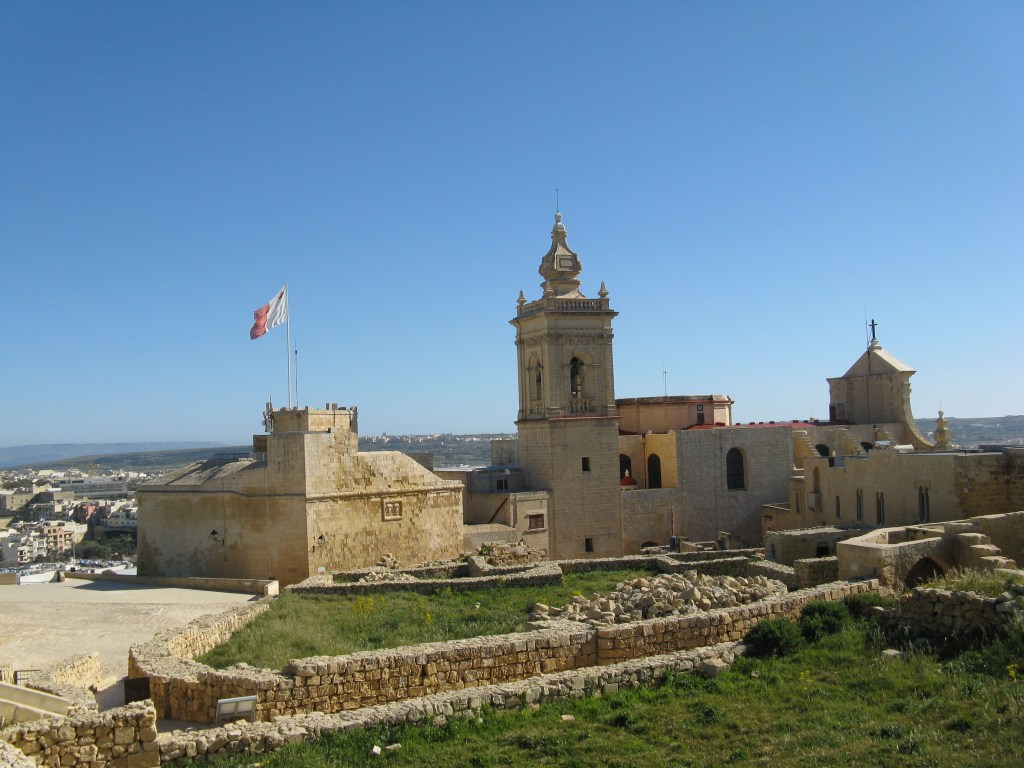
The Cittadella, also known as the Castello is the citadel of Victoria on the island of Gozo. The area has been inhabited since the Bronze Age, and the site now occupied by the Cittadella is believed to have been the acropolis of the Punic-Roman city of Gaulos or Glauconis Civitas.
During the medieval period, the acropolis was converted into a castle which served as a refuge for Gozo’s population. A suburb began to develop outside its walls by the 15th century, and this area now forms the historic core of Victoria. The castle’s defences were obsolete by the 16th century, and in 1551 an Ottoman force invaded Gozo and sacked the Cittadella.
A major reconstruction of the southern walls of the Cittadella was undertaken between 1599 and 1622, transforming it into a gunpowder fortress. The northern walls were left intact, and today they still retain a largely medieval form. The new fortifications were criticized in later decades, and plans to demolish the entire citadel were made multiple times in the 17th and 18th centuries, but were never carried out.
Comino
Comino is a small island between Malta and Gozo, measuring 3.5 square kilometres (1.4 sq mi) in area. Named after the cumin seed that once flourished in the Maltese islands, the island is the least densely populated area in the Republic of Malta. It has a permanent population of only three residents, following the death of the fourth resident in 2017. Administratively, it is part of the municipality of Għajnsielem, in southeastern Gozo. One priest and one policeman commute from the nearby island of Gozo. The island is a bird sanctuary and nature reserve.
Blue Lagoon
The most famous area is the blue lagoon which has breathtaking azure blue waters and is a little slice of paradise. This is reached via a ferry from Malta or Gozo.

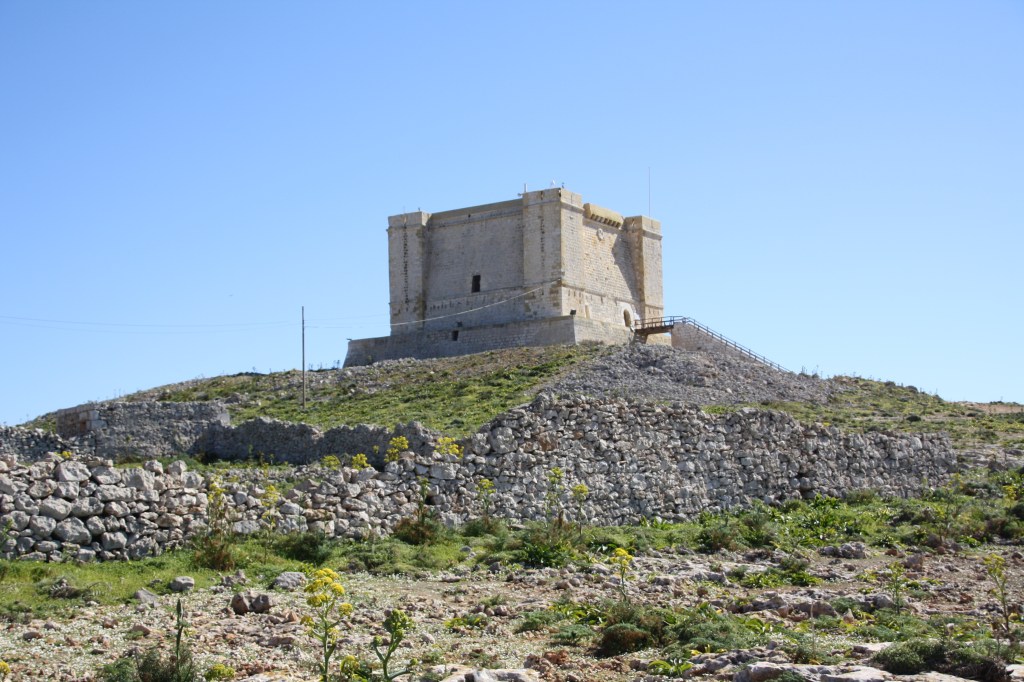
St Mary’s Tower
Saint Mary’s Tower, also known as the Comino Tower, is a large bastioned watchtower on Comino in Malta. It was built in 1618, the fifth of six Wignacourt towers. The tower was used by the Armed Forces of Malta until 2002, and it is now in the hands of Din l-Art Ħelwa. Din l-Art Ħelwa is a non-governmental and non-profit, voluntary organisation founded in 1968, by Maltese Judge Maurice Caruana Carron, to safeguard Malta’s cultural heritage and natural environment.
What we thought of Malta
Many people describe Malta as similar to Marmite, you either love it (and return regularly) or you hate it and will never go back. Malta doesn’t have many beaches for an island and the ones that there are tend to be in tourist towns for want of a better phrase.
We can see both points of view and the key is where you stay. In our case we stayed on the very edge of Valletta which was superb as there are lots of interesting places to visit plus it was close to the bus terminus. On our travels we went to Sliema which was on the opposite of the harbour to Valletta and was reached by a ferry. We didn’t like it at all as it was built up, very busy and noisy, if we had stayed there then our experience would have been completely different.
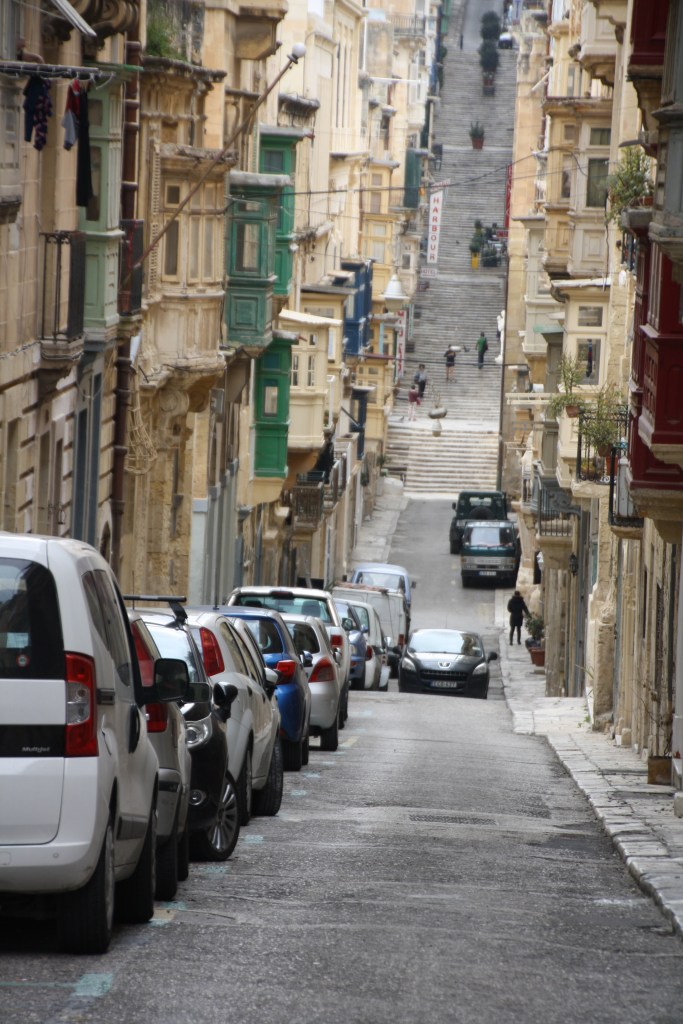
There is so much to see that we will re-visit one day, whilst we are still able because it is so hilly, see picture below. We managed to do an average of 24,000 steps a day and returned home for a rest.
Finally you can’t go anywhere without trying the local wine. We’ve got to say that although Malta is not a name that you would normally associate with wine but there are some very good wines, we tried a few and didn’t find any that was awful.

 Heather and Keith's travels